Every Major Gap in History We Still Don’t Understand
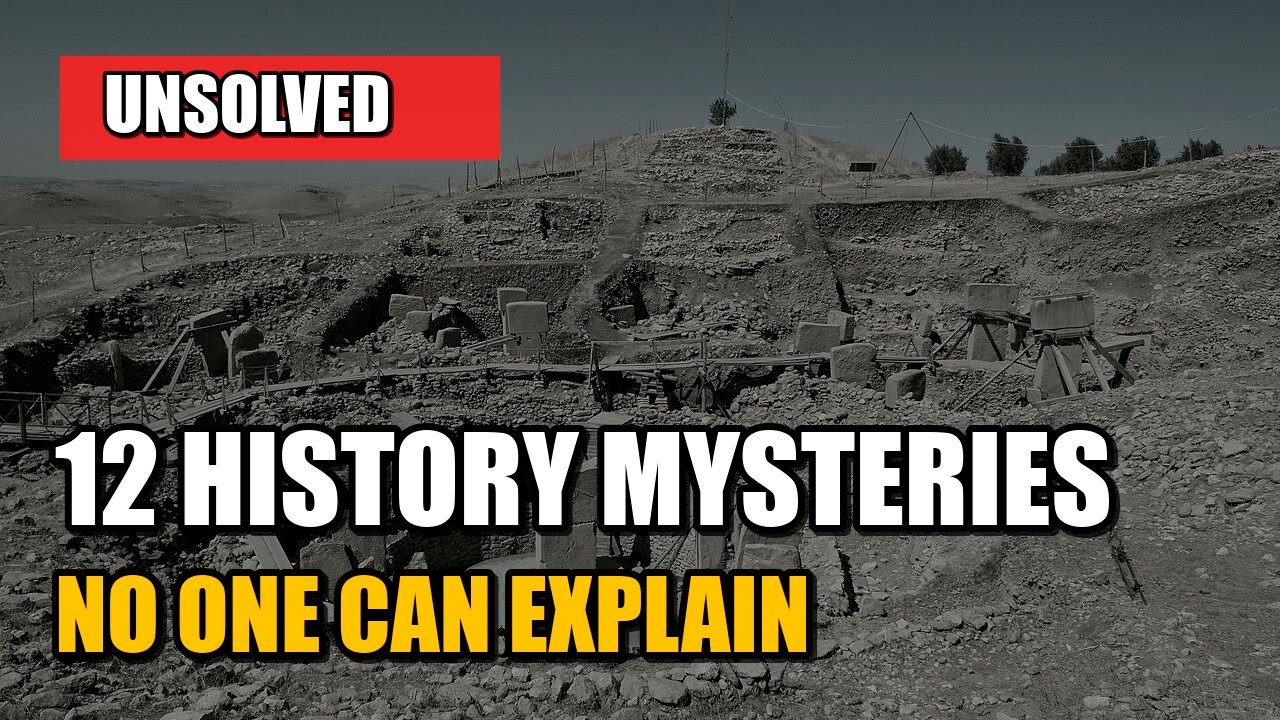
History is usually told as a story of steady progress, but the record is riddled with holes. Entire civilizations vanish without a trace, objects turn up that no one can explain, and books nobody on Earth can read sit in plain sight.
From island castaways with no boats to a copper treasure map no one can follow, here are twelve gaps in history that researchers still can’t close.
1. The Canary Islands’ Castaways
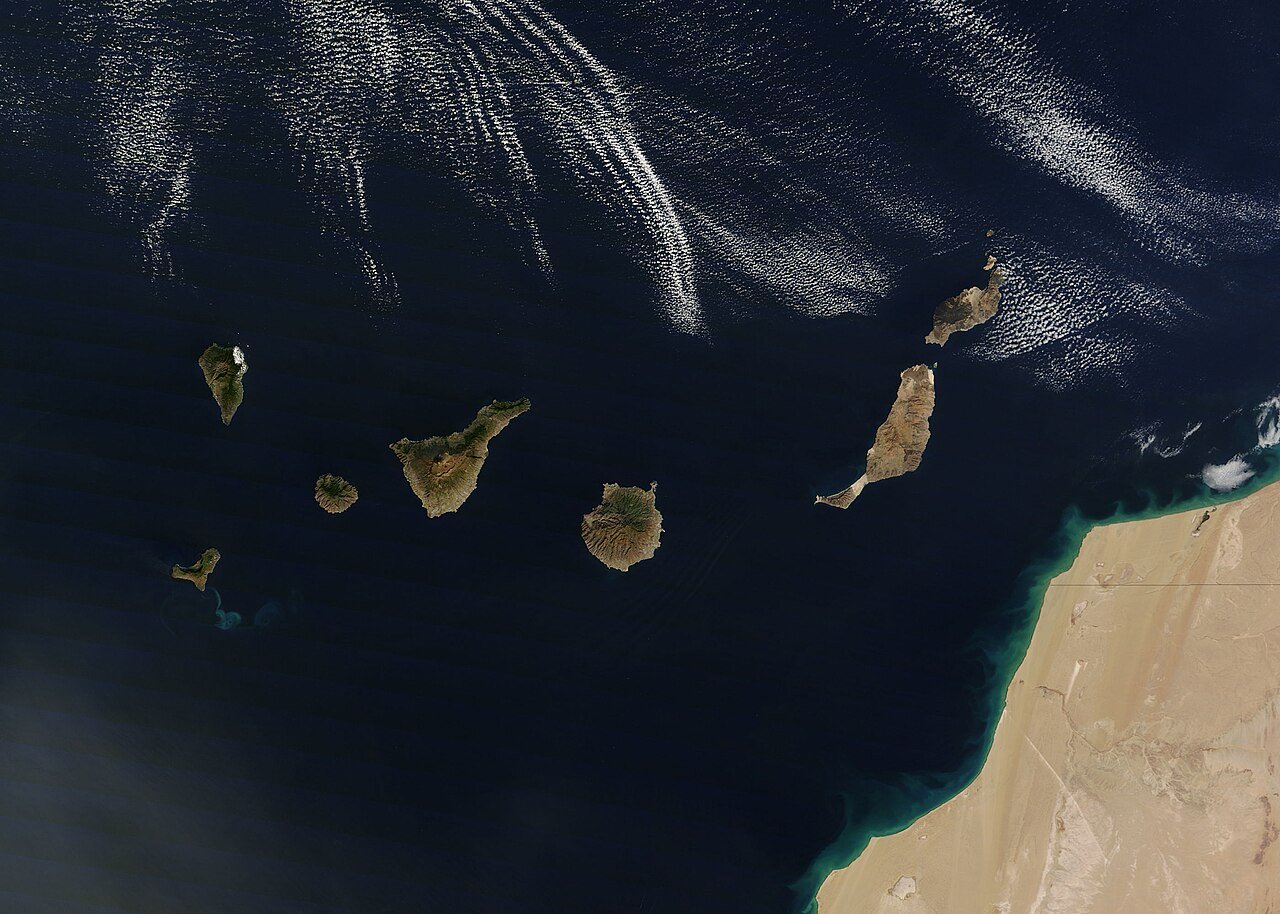
When Europeans arrived in the Canary Islands in the 1300s, they found a thriving population with one glaring problem: no boats, no canoes, no rafts, nothing. So how did they reach an island surrounded by treacherous ocean currents?
Studies of their language and bones tie the Guanches to North Africa, meaning their ancestors sailed there — so why did the knowledge disappear completely? One theory: since North Africans were nomadic herders and Rome was constantly crushing rebellions, the Romans could have rounded up inland tribes and dumped them on the islands.
What makes it stranger is that the Guanches built complex societies, mummification practices, and detailed cave dwellings while living in total isolation, until the Spanish conquered the islands in the 1400s and wiped out or assimilated them and their language.
2. The Plain of Jars
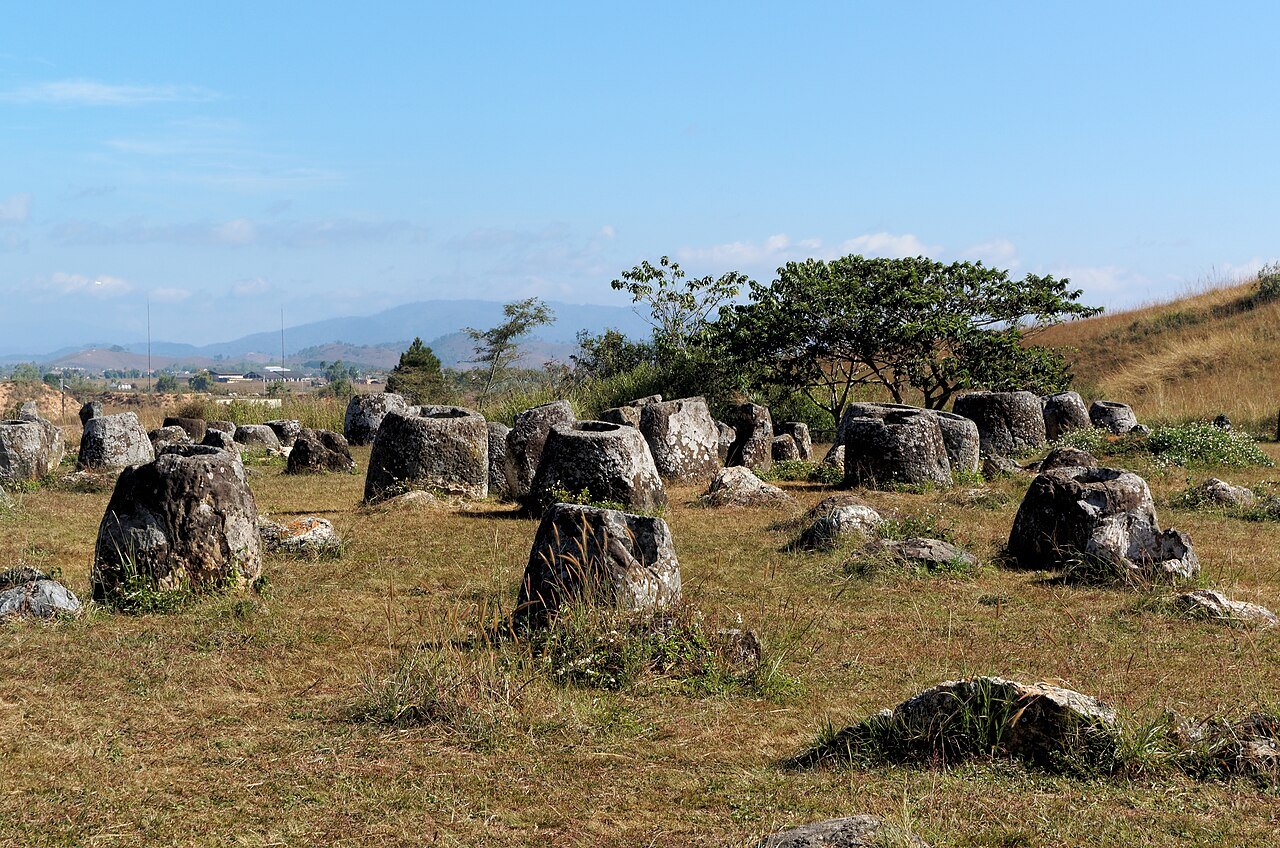
Scattered across the Xieng Khouang Plateau in central Laos are over 2,000 massive solid stone jars, some standing 10 ft tall and weighing up to 14 tons. Dating back as far as 1200 BC, they were carved from solid rock and dragged miles from the nearest mountains.
The mystery is who made them: no known civilization ever claimed them, and no written records mention them. Local legend says a race of giants built them to brew rice wine, while archaeologists believe they were part of complex burial rituals. Because the area is still littered with unexploded bombs from the Vietnam War, researchers have only been able to safely study a fraction of the jars.
3. The City of the Gods

Just outside modern-day Mexico City sits Teotihuacan, once home to over 100,000 people and the enormous Pyramid of the Sun and Pyramid of the Moon. At its peak it was one of the biggest cities anywhere on Earth.
The problem: we have no idea who built it, what language they spoke, or what the city was actually called. When the Aztecs found it in the 1400s, it had already been abandoned and overgrown for nearly a thousand years. Awed by its scale, they named it Teotihuacan — the City of the Gods — because they believed only gods could have built something so massive. Then, around 600 AD, the major temples and palaces were systematically burned and destroyed before the city was abandoned once more.
4. The Picts
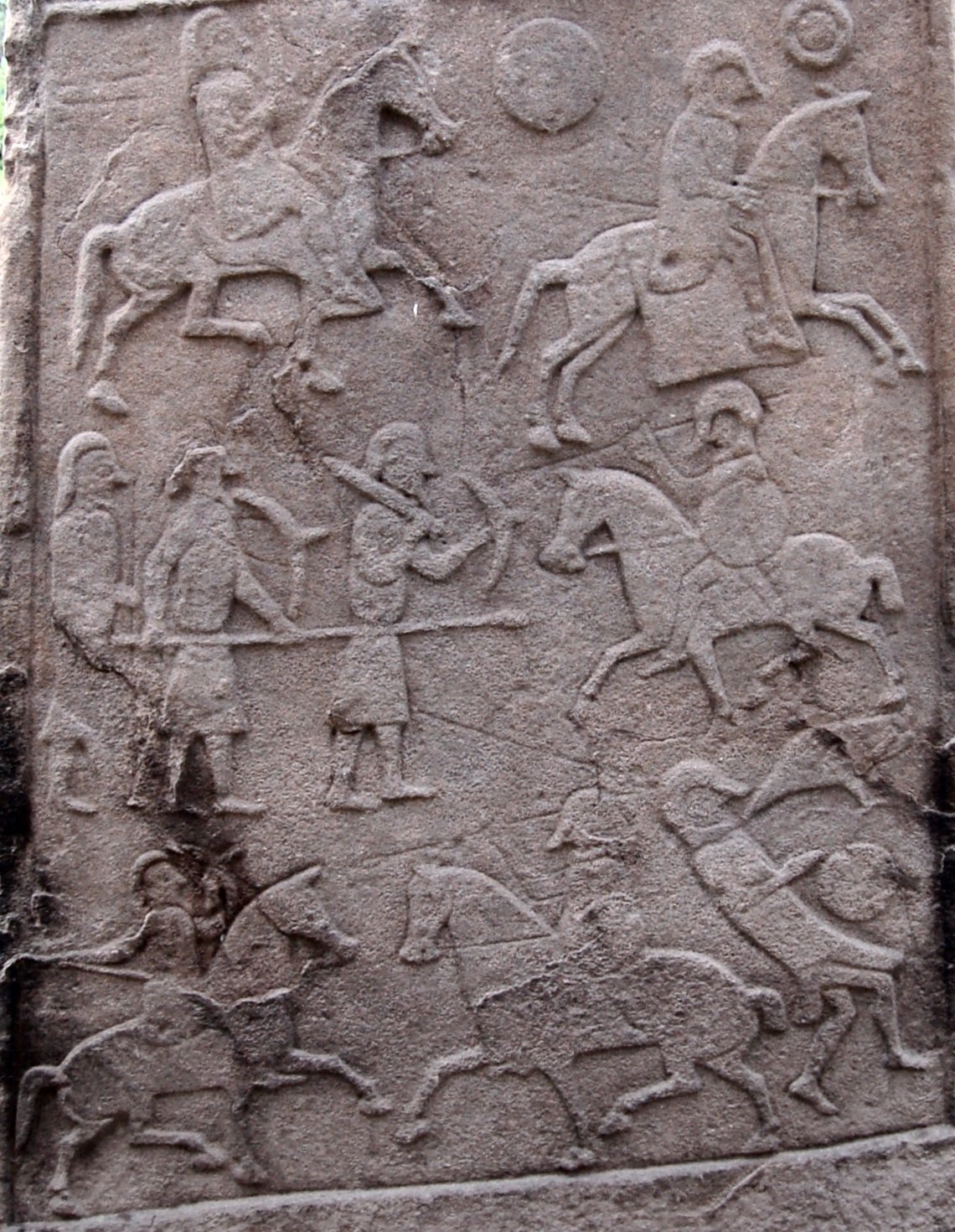
Around 1,700 years ago in northern Scotland, the Picts were such a powerful military force that they repelled the Roman Empire’s expansion, forcing the Romans to build a massive cross-country stone wall just to keep them out of Britannia.
Yet this population is shrouded in mystery. They left basically no written records — we don’t even know what they called themselves or what language they spoke. Almost everything we know comes from Roman accounts or their neighbors, and their precisely carved symbols, including the Pictish beast, the crescent and V rod, and the double disc and Z rod, still have no known meaning. Over a few centuries they simply faded into the kingdom that became Scotland.
5. The Sea Peoples
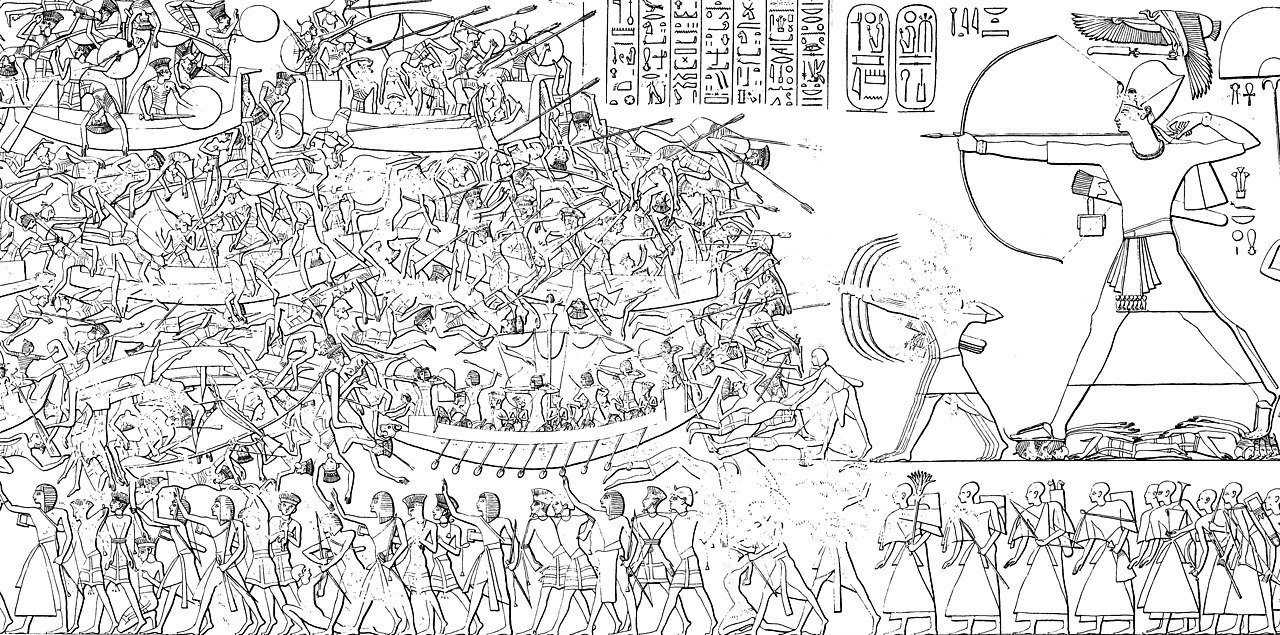
Around 1200 BC, the eastern Mediterranean suffered a total, apocalyptic collapse. Within a few decades the world’s greatest Bronze Age superpowers simply fell. Then ancient texts started recording something even weirder: a mysterious group of attackers coming from the sea, carved into temple walls battling the Egyptian army near the coast.
We call them the Sea Peoples, and nobody knows who they are or where they came from — no map, no name for their homeland, not even one confirmed origin. Clues point to the Aegean, Sicily, Sardinia, or Anatolia, as if several different groups joined together. The leading theory is that they were displaced populations looking for new land after an environmental collapse caused severe drought and famine.
6. The Voynich Manuscript

Found in 1912 hidden in an old Italian collection and carbon-dated to the early 1400s, the Voynich Manuscript is arguably the most mysterious book in human history. Its pages are filled with writing in an alphabet nobody recognizes, alongside plants that match no known species, human figures bathing in green liquid inside connected tubes, and star diagrams that look like astronomical charts.
For over 100 years, the best codebreakers in the world — including the ones who cracked the Enigma machine in World War II — have tried to decode it, and none deciphered a single word. The writing does follow Zip’s Law, the statistical fingerprint of natural human language, and a few plants and zodiac signs have been tentatively identified. Beyond that, we have no idea what the book says.
7. The Phaistos Disc

In 1908, an archaeologist working at the Minoan Palace of Phaistos on Crete dug up a small circular clay disc about 6 inches wide. At first it didn’t look unusual, but both sides are covered in symbols that weren’t carved by hand — they were stamped into the clay using small individual seals, almost like an ancient printing press.
That makes the Phaistos Disc the earliest known use of movable type printing in human history, beating Johannes Gutenberg’s printing press by more than 3,000 years. The crazy part is that it’s a complete anomaly: no other stamped text from this era has ever been found, and nobody knows why the Minoans never used the system to mass-produce other clay texts. To this day, the symbols haven’t been decoded.
8. Sanxingdui’s Alien-Looking Bronzes

In 1986, archaeologists working in the Sichuan Basin stumbled onto thousands of bronze objects that looked unlike anything else found in ancient China: massive masks almost the size of a human with huge protruding eyes, statues of human figures with oddly long arms, and a bronze tree more than twice the height of an average person with birds sitting on its branches.
The civilization dates back roughly 3,000 years, overturning the centuries-old belief that Chinese civilization started strictly in the Yellow River Valley. We don’t know what they called themselves, what their bronze constructions meant, or what their language even looked like — no written language has ever been found. We do know how their story ended: before abandoning their city, they smashed their most sacred bronze treasures and buried them in the dirt.
9. The Indus Valley Civilization
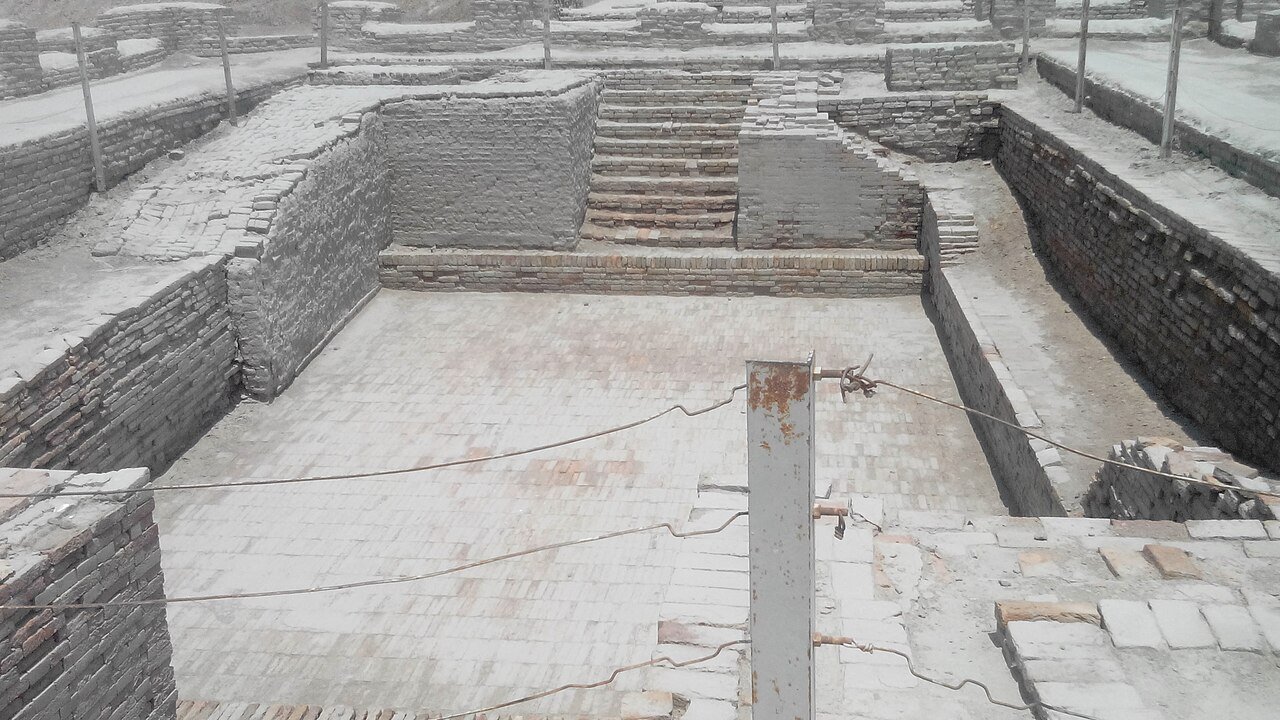
Around 2500 BC, while Egypt was building pyramids, another civilization was quietly building something even more impressive in the Indus River area. They created mega-cities with early plumbing inside homes, public wells, and covered drains running under the streets, becoming the largest urban civilization of its time — spread across an area larger than Egypt and Mesopotamia combined.
The problem: we can’t read their writing. The Indus script has never been fully decoded, so the most important civilization of the era is still relatively unknown. Then around 1900 BC the mystery deepened — these massive cities were gradually abandoned with no clear sign of war and no burned buildings. The leading theory is that a major river shifted its course or dried up, cutting off the water supply the cities depended on.
10. The Copper Scroll
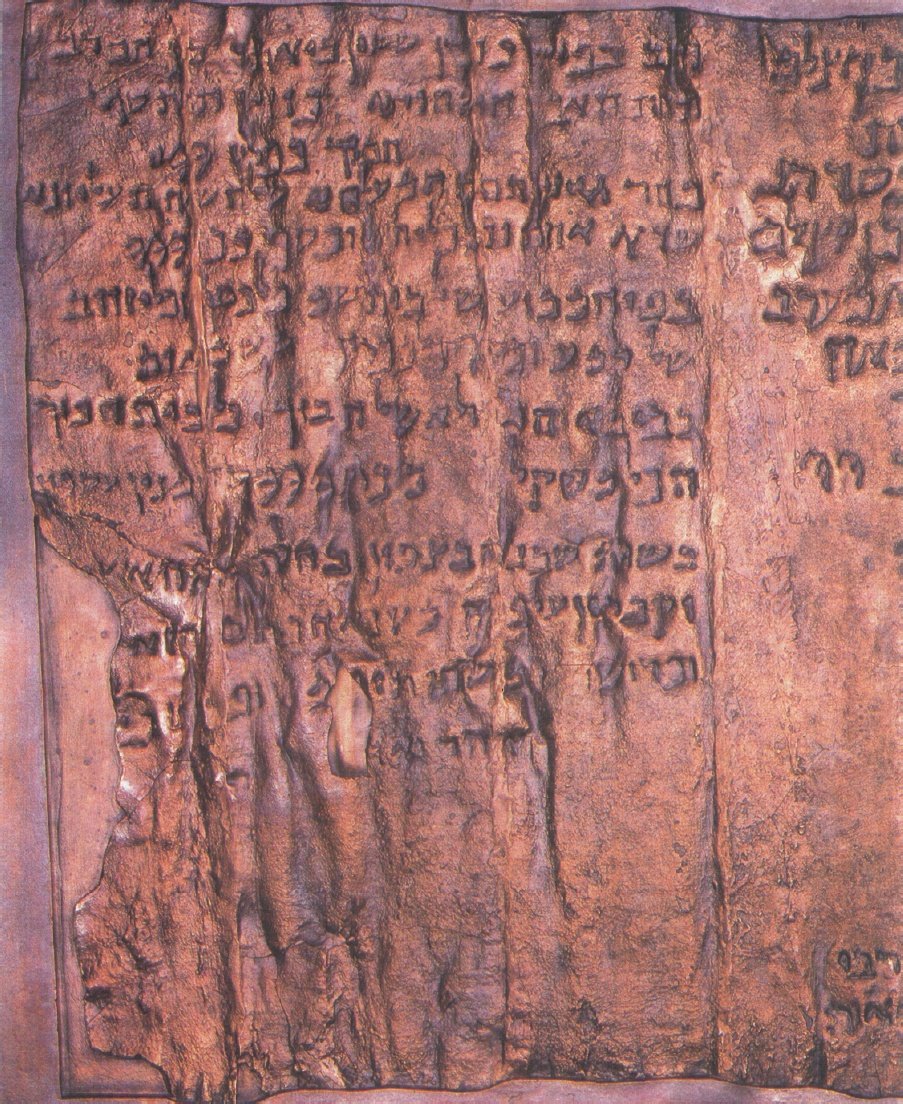
Among the Dead Sea Scrolls found in 1952, one stood out wildly: instead of parchment or papyrus, it was written on thin sheets of copper that had oxidized and rolled up tight over 2,000 years. When researchers finally sliced it open and translated the ancient Hebrew, they realized they were holding a literal treasure map.
The scroll lists 64 specific hiding places across the region containing gold and silver estimated today to be worth over a billion dollars. The catch: the directions rely on landmarks that haven’t existed for two millennia, seven entries end with random, unexplained Greek letters, and the 64th claims a more detailed duplicate scroll exists — which has never been found. Despite decades of searching, not a single coin has ever turned up.
So who had that much gold to hide? Historians fall into two camps: the collective wealth of the ascetic Jewish sect that wrote the Dead Sea Scrolls, or the national treasury of the Second Temple, which Temple priests may have smuggled out of Jerusalem before the Romans destroyed it in 70 AD.
11. Nan Madol’s Megaliths

In Micronesia there’s an entire city, built starting around 1200 AD, spread across nearly 100 small artificial islands connected by narrow canals — all constructed from massive stone logs. Some wall columns weigh up to 50 tons, and the nearest matching stone isn’t even on the island: it had to be transported from a quarry on the opposite side of Pohnpei, across open water.
The insane part: they likely did it with nothing but rafts and human strength alone, since there were no pulleys, no draft animals, and no wheels — with a population of just about 25,000 people. The walls are still standing centuries later. Oral histories claim the stones flew through the air using magic, and sometime before Europeans ever arrived, the city was largely abandoned.
12. Derinkuyu’s Subterranean Metropolis
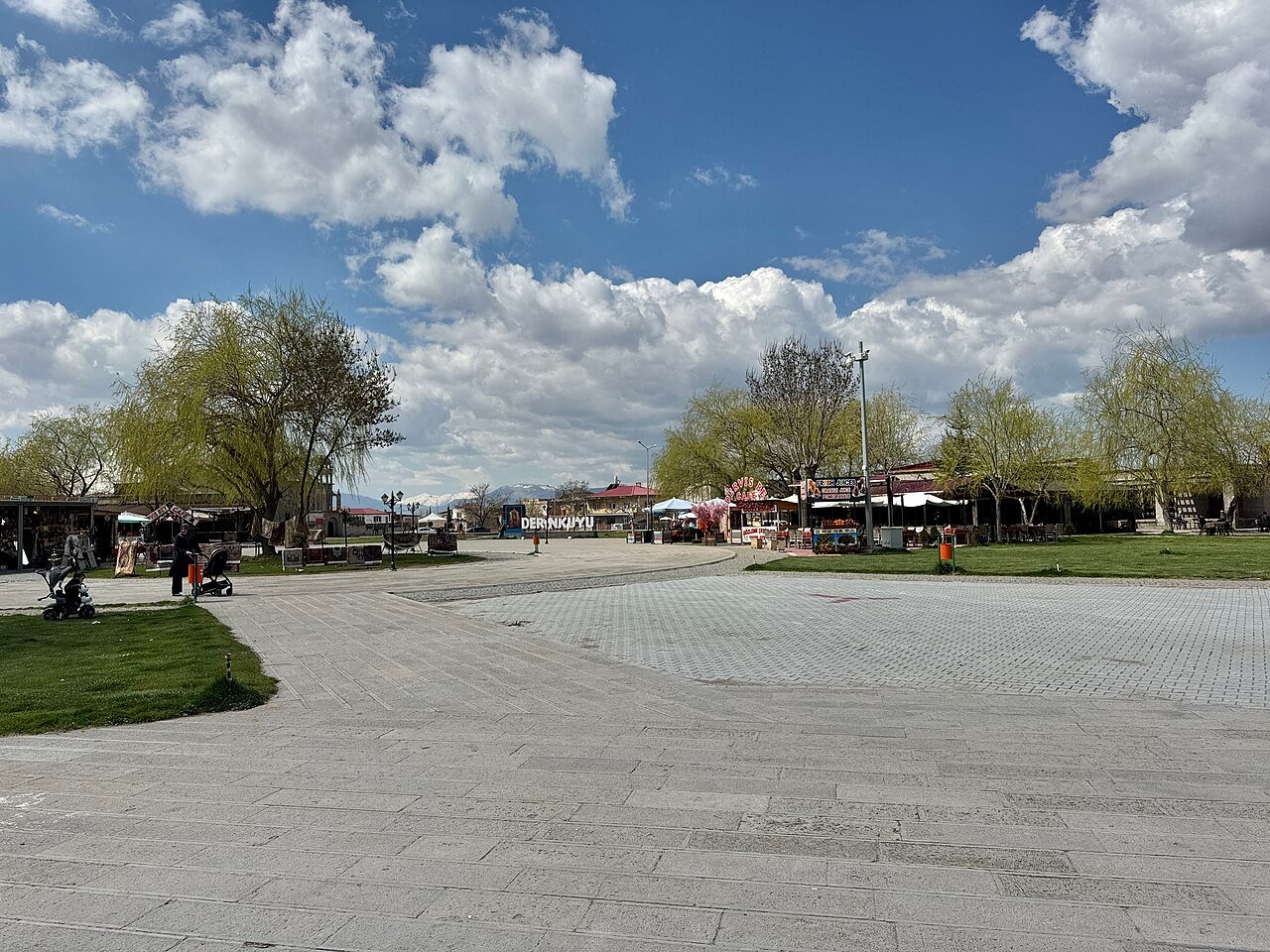
In 1963, a man in the Cappadocia region of Turkey was renovating his house when he knocked down a basement wall and found a dark tunnel. That tunnel led to another, and another, eventually opening into an 18-story-deep subterranean city plunging approximately 280 ft into the earth.
Derinkuyu was a fully functioning underground metropolis capable of housing up to 20,000 people with their livestock, complete with miles of ventilation shafts, deep water wells, wine presses, schools, and massive circular stone doors that could seal off the tunnels from the inside. We know early Christians used it to hide from the Romans in later centuries.
The historical gap is who actually dug it out in the first place, and exactly when. Some archaeologists think the Phrygians carved it around 800 BC, while others argue it goes back much further to the Hittites around 1500 BC. We have no sure way of knowing who accomplished this insane feat.
What Comes Next?
Every one of these mysteries shares the same shape: the object survived, but the explanation didn’t. Languages died out, records burned, and the people who built these places never wrote down how they did it.
Until something breaks — a decoded script, a newly uncovered ruin, a scroll that finally opens — these twelve gaps stay exactly that: gaps.
Image Credits
- Göbekli Tepe by Teomancimit — CC BY-SA 3.0
- Canary Islands (NASA) by NASA Goddard — Public domain
- Plain of Jars, Laos by Jakub Hałun — CC BY-SA 4.0
- Pyramid of the Sun, Teotihuacan by Daniel Case — CC BY-SA 3.0
- Aberlemno Pictish stone by Greenshed — Public domain
- Medinet Habu sea battle relief by Unknown artist — Public domain
- Voynich Manuscript by Unknown author — Public domain
- Phaistos Disc by Joyofmuseums — CC BY-SA 4.0
- Sanxingdui bronze mask by Gary Todd — CC0
- Great Bath, Mohenjo-daro by Aakashaliraza — CC BY-SA 4.0
- Copper Scroll fragment by Unknown — Public domain
- Nan Madol by Uhooep — CC BY-SA 4.0
- Derinkuyu underground city by Codas — CC BY-SA 4.0