
Every Political Ideology Explained
Political labels get thrown around constantly, but most people only know a handful of them. The Paint Explainer walks through twenty-three major ideologies, one chapter per —ism.
From conservatism to Nazism, here is every ideology in the video, in order, what it actually stands for, and where it sits relative to its neighbors on the spectrum.
1. Conservatism
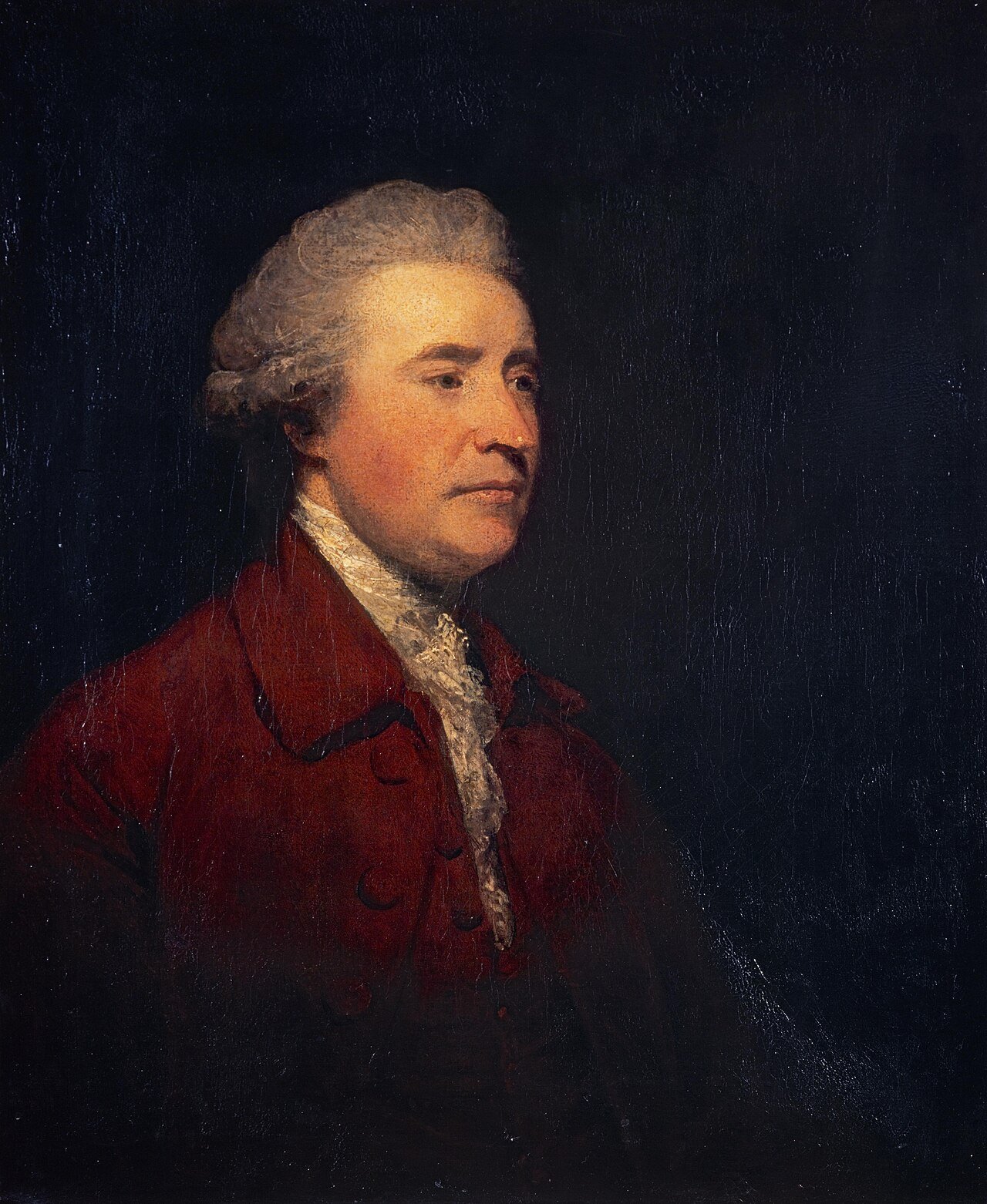
As the name suggests, conservatism tries to conserve traditional values in Western culture. Conservatives usually promote the nuclear family, organized religion, the military, and property rights.
2. Liberalism

Liberalism is usually cited as the dominant ideology of modern history. It holds that every single individual has his own rights, that the government has to be approved by its own people, and that everyone should be treated the same way before the law.
The package also includes free markets, elections between multiple political parties, a separation of powers into different branches of the government, and a separation of religion from the government — plus a set of fundamental values written in the Constitution covering privacy rights, freedom of speech, freedom of the press, freedom of assembly, and freedom of religion.
3. Moderatism
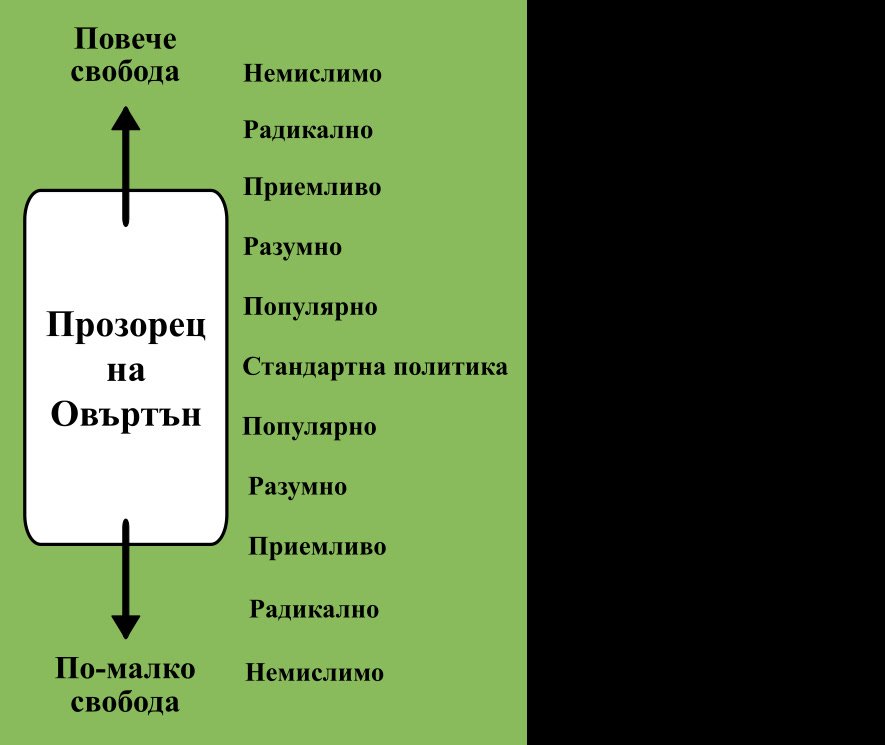
Moderatism likes to stay within what is called the Overton window, the range of policies politically acceptable to the mainstream population. In most cases moderates are apolitical — they don’t care, but they have a little bit of knowledge about politics.
4. Capitalism

Capitalism is an economic system based on the private ownership of the means of production and their operation for profit. The central characteristics of capitalism are private property, free exchange, competition, division of labor, and social cooperation.
5. Socialism
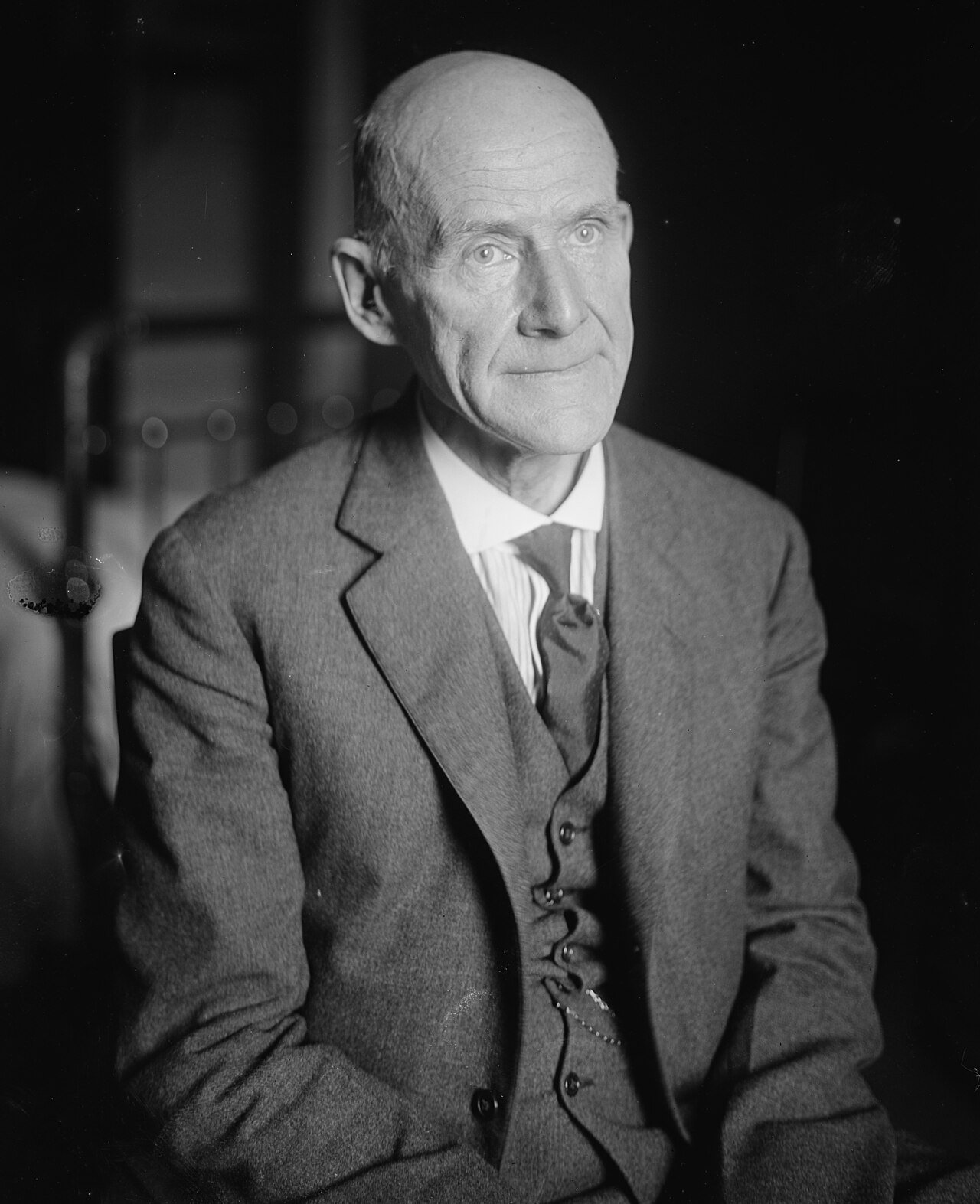
There are many types of socialism, making this an umbrella term. In the classical sense, socialism describes worker-owned means of production, heavily supporting worker co-ops, democratic self-management, and workplace democracy.
Socialism in the modern age advocates democratic self-management by workers, high taxation on the wealthy, and nationalization of key parts of industry. One of its key values is social ownership.
6. Syndicalism
Syndicalism is the son of socialism. It believes that unionization of the workforce, the establishment of local decentralized revolutionary worker organizations called syndicates, and the advancement of workers’ demands through strikes and direct action are the best methods by which a socialist society should be achieved.
Once a post-capitalist society is achieved, a congress or commune of syndicates would be created to represent the many unions and areas of the economy instead of a central government.
7. Corporatism

Corporatism advocates the organization of society into different areas of employment — agriculture, military, engineering and so on — which people get assigned to based on their interests and skills. It believes in a cross-class system of regulation in which workers, employers, and state negotiate with one another in order to most efficiently run the economy and, in theory, satisfy all parties involved.
It does not refer to a political system dominated by large business interests — that would be a corporatocracy.
8. Libertarianism

Libertarianism upholds liberty as a core value, and it seeks to maximize autonomy and political freedom. It likes a very limited government, and it believes in the same principles as liberalism, such as equality before the law and the basic rights to life, liberty, and property.
9. Separatism
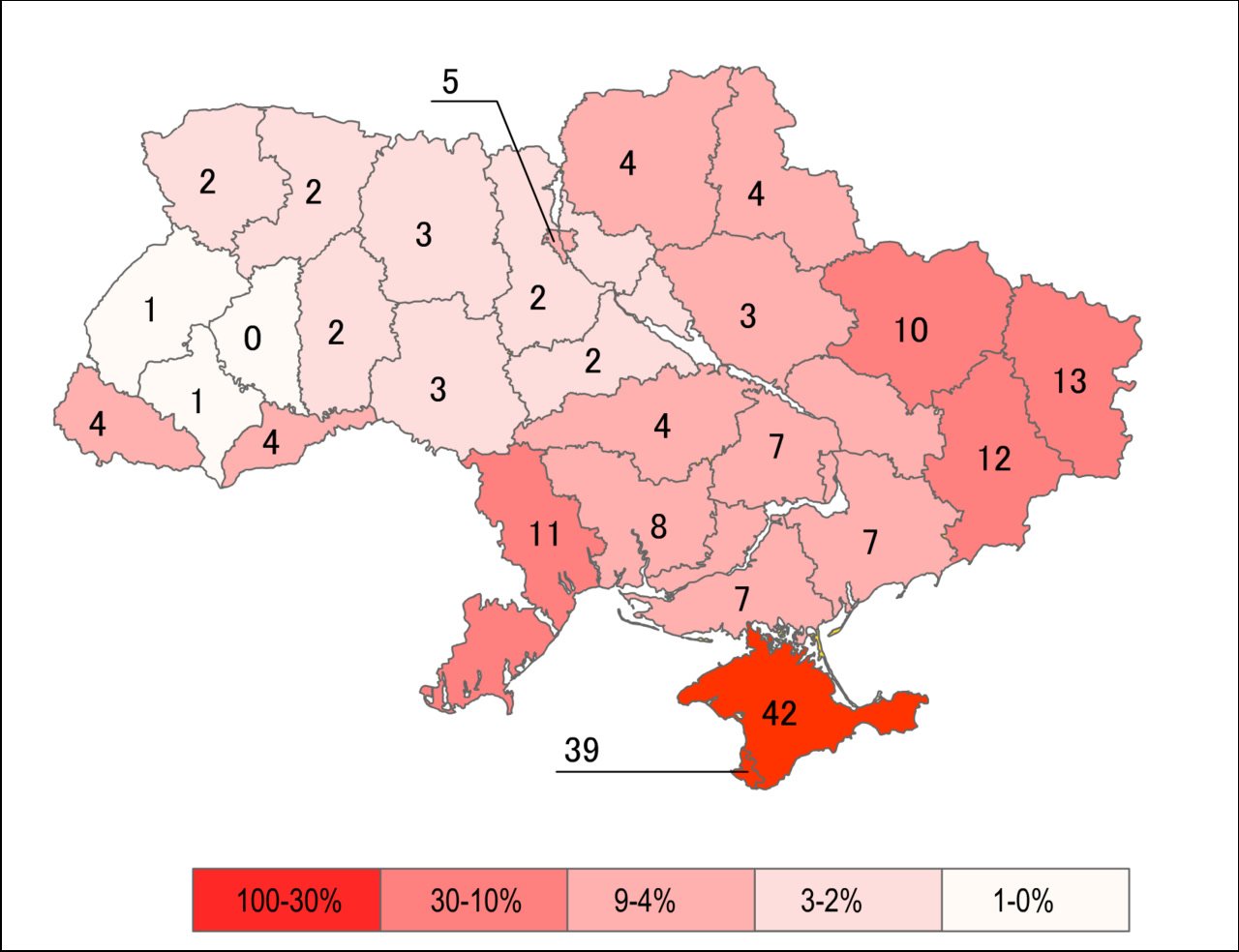
Separatism, also commonly known as secessionism, seeks to establish a nation, country, sovereign state, or government that is separate from an already existing nation.
10. Communism

Communism is centered around common ownership of the means of production, distribution, and exchange that allocates products to everyone in society based on need. A communist society doesn’t have private property, social classes, money, or the state.
11. Feminism

Feminism aims to define and establish the political, economic, personal, and social equality of the sexes. It holds the position that societies prioritize the male point of view and that women are treated unjustly in these societies. Efforts to change this include fighting against gender stereotypes and improving educational and professional opportunities for women.
12. Anarchism
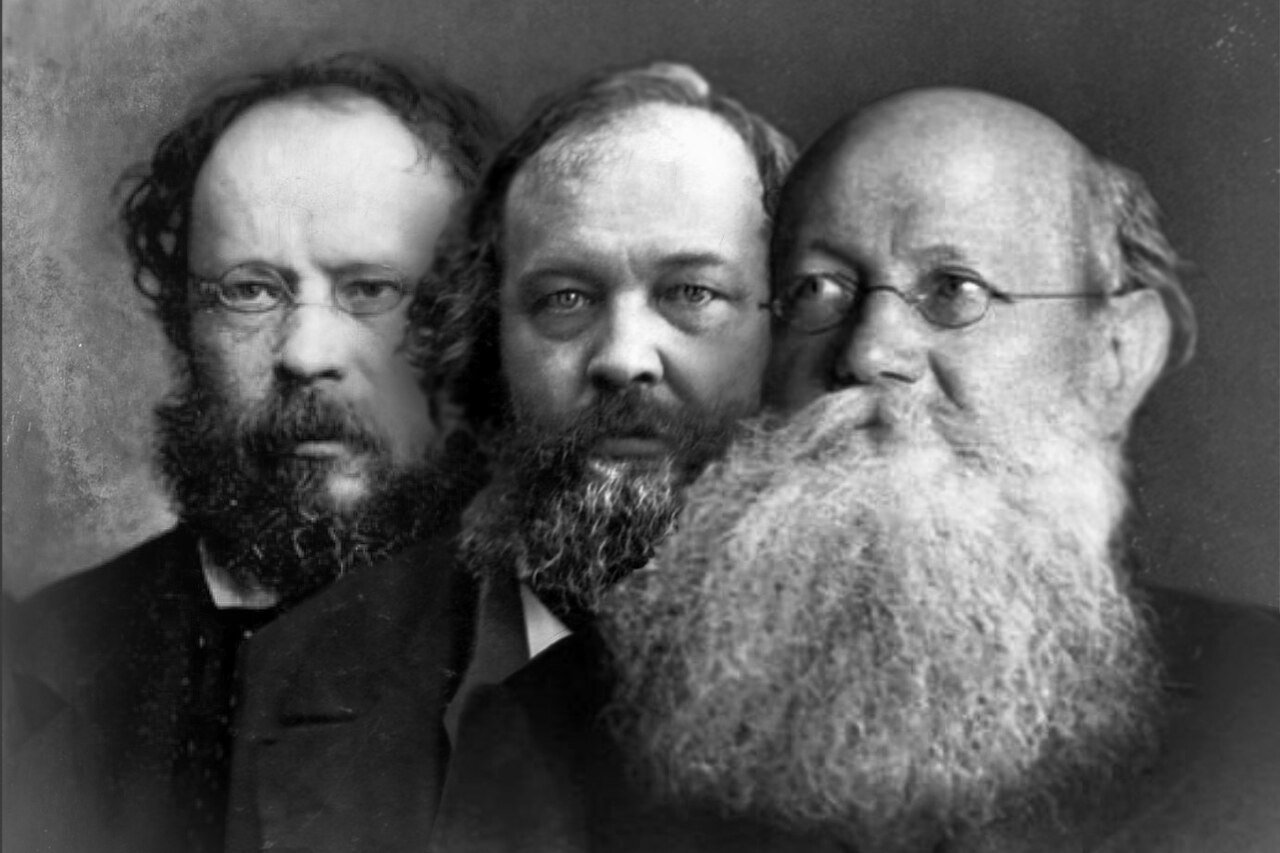
Anarchism is an ideology that advocates for a society without rulers or constituted authority, with a focus on the notion of freedom. It advocates for the replacement of the state with stateless societies and voluntary free associations.
13. Environmentalism

Environmentalism, sometimes called green politics, is a term used to represent a range of ideologies that fall under the belief that nature should be a significant factor in deciding public policy — be it increasing recycling, decreasing CO2 emissions, stopping water pollution, and so on.
14. Populism
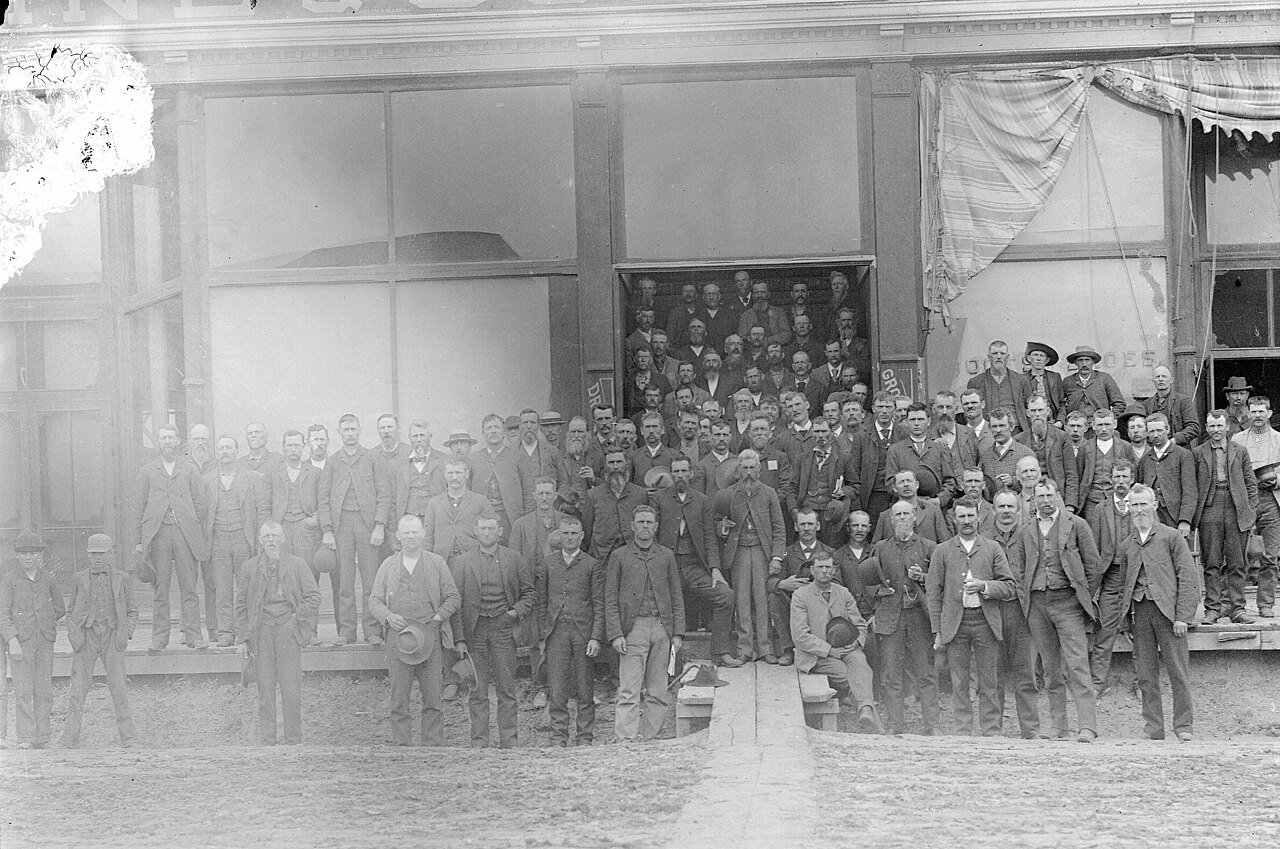
Populism focuses on appealing to a large number of people and their sensibilities, believing that what the masses want must be what the masses get. It can take on many forms, as its only requirement is that it represents a movement by the people, for the people — which causes it to have no real political affiliation.
It is often associated with democracies due to its reliance on popular support. Populism often divides the people from the elite, and it is frequently anti-establishment and anti-politics.
15. Republicanism
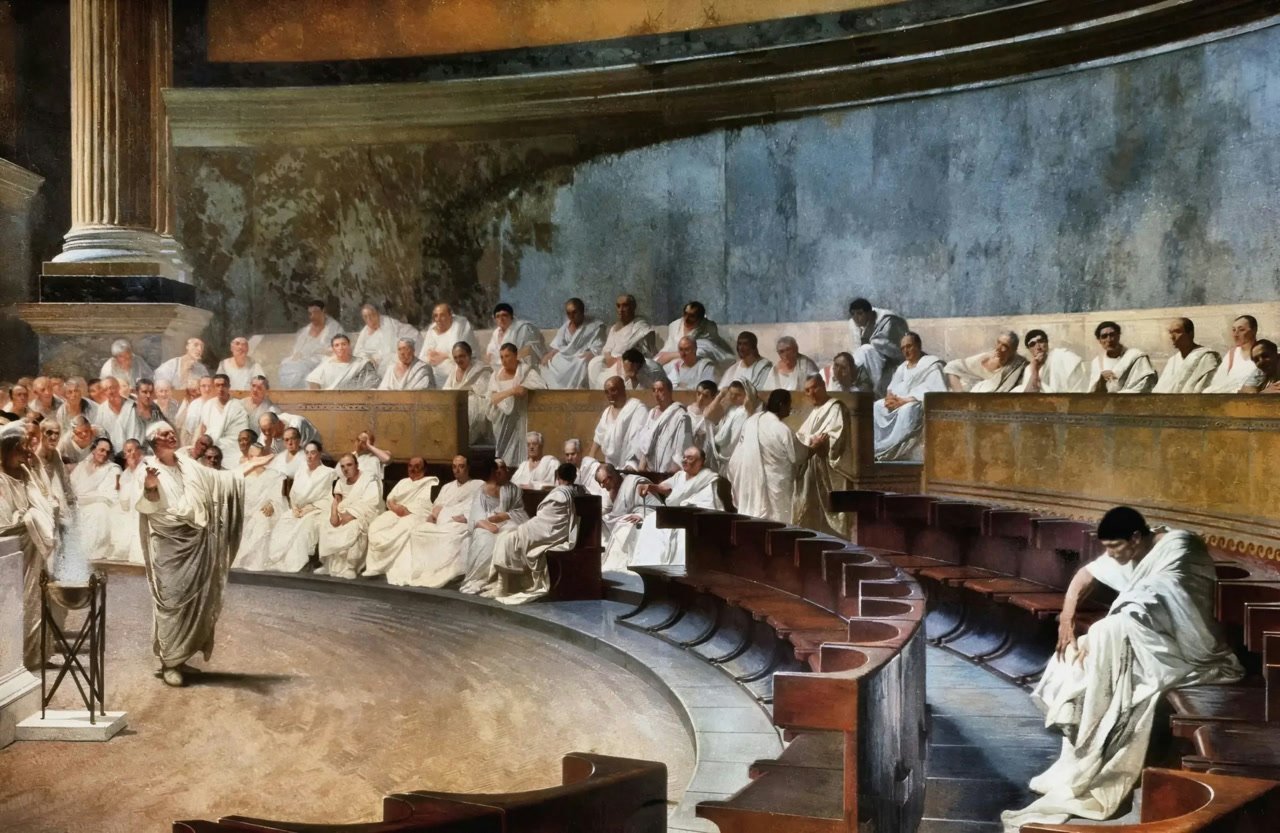
Republicanism is centered around a system of government that is non-hereditary and in opposition to monarchism. It gives political power to its citizens in a state organized as a republic.
16. Progressivism
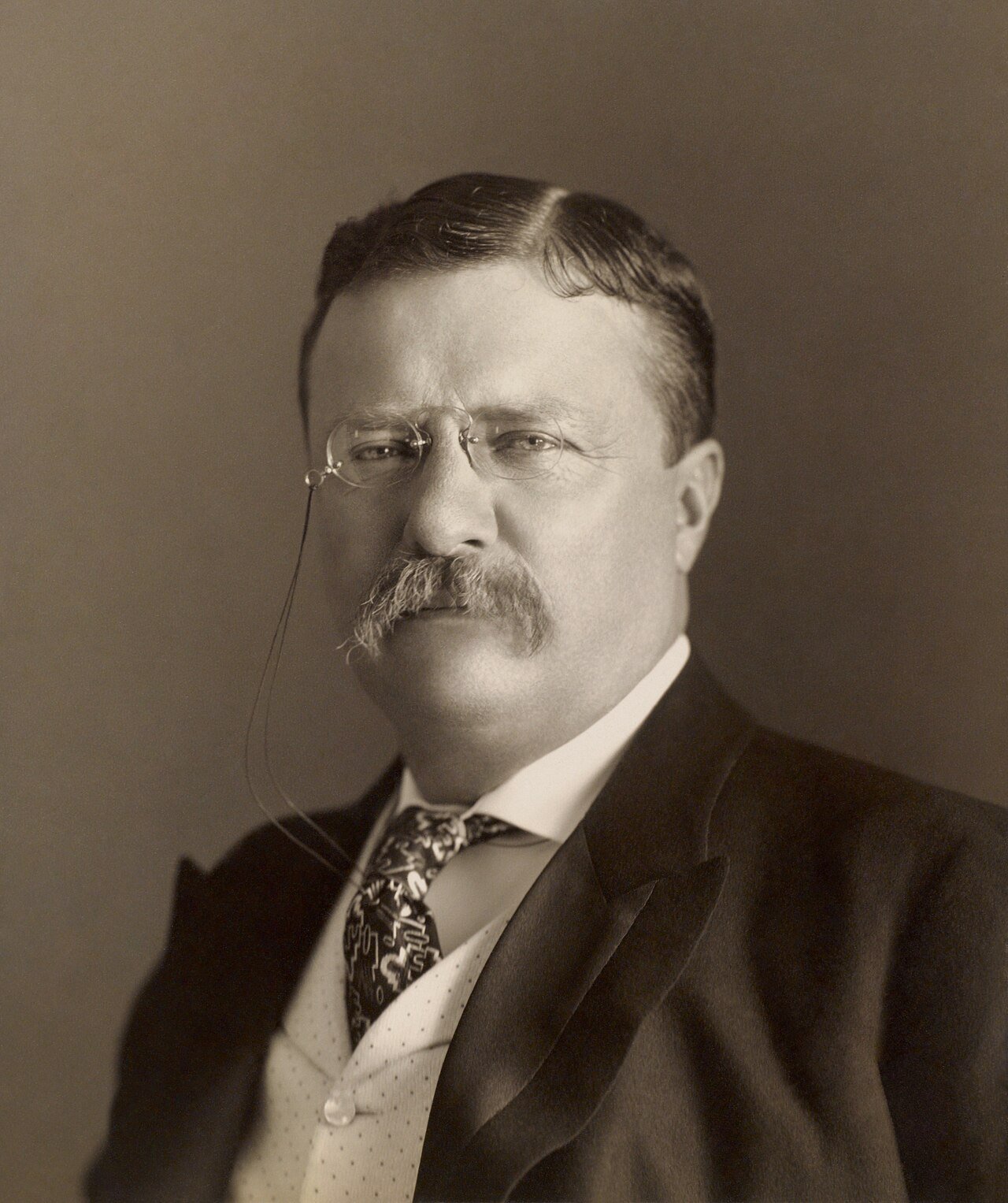
Progressivism says that heritage that stems from the past is not to be held sacred and should instead be viewed as less important than societal progress. It is basically the opposite of conservatism.
17. Imperialism
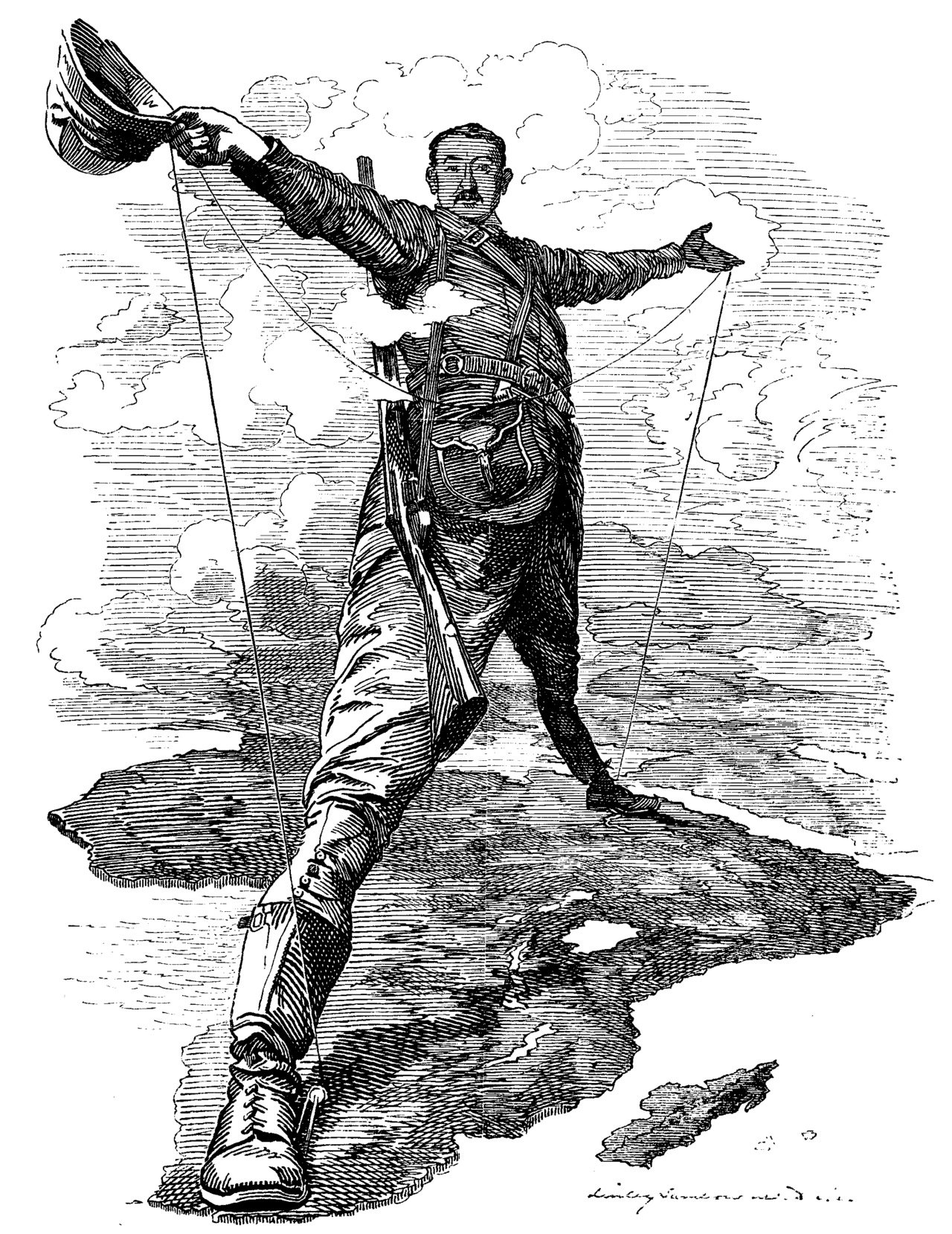
Imperialism has traditionally believed a country should expand its power or influence through military action. It was once very popular — basically considerable as moderatism — but it has decreased in popularity over the years.
Imperialism is noted for its war advocacy and belief that the powerful nations should rule over the weaker ones. It usually defends itself against accusations of oppression by insisting that colonized people benefit, because the richer nations help them and give them things they couldn’t get normally.
18. Egalitarianism
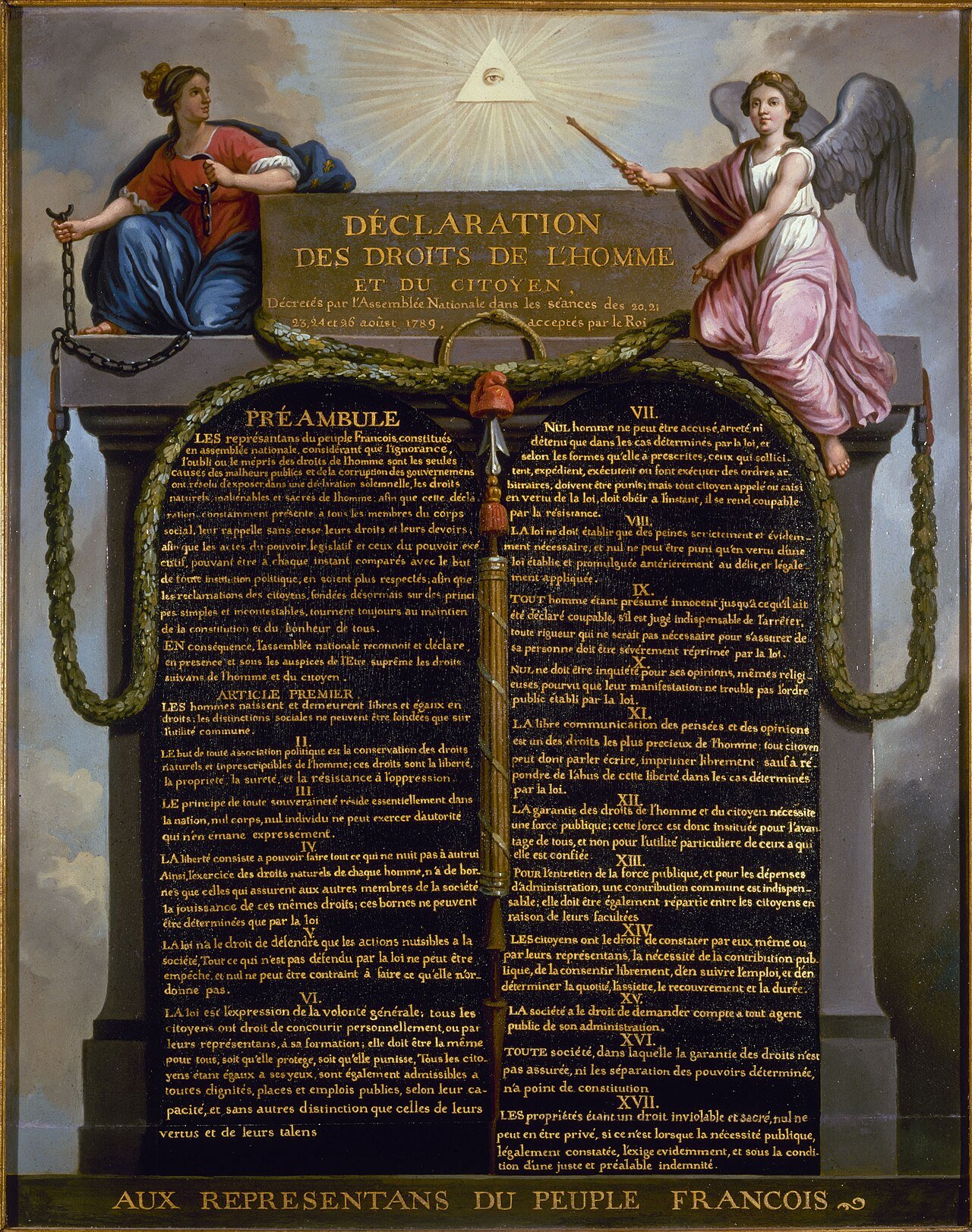
Egalitarianism is a school of thought that builds on the concept of social equality, prioritizing it for all people. As such, all citizens of a state should be accorded equal rights and treatment under the law.
19. Transhumanism

Transhumanism believes that everyone should upgrade themselves with technology to overcome both the most basic and most complex of humanity’s challenges. The ultimate objective is for all people to reach immortality and an incredibly advanced mind and body.
20. Communitarianism

Communitarianism emphasizes the well-being of and the importance of the community as the primary social unit. It will typically stress the idea that the left-right binary of politics is holding politics back, as well as argue that policies from both sides of the spectrum are complementary and necessary to benefit the community. It believes that absolute individualism is harmful when it contradicts the common good.
21. Authoritarianism

Authoritarianism is a form of government characterized by a strong power, which is usually central, that demands obedience to authority and limited political and civil freedoms. For example, most classic monarchies are a form of authoritarianism. The ruler of an authoritarian country imprisons and persecutes its opponents.
22. Fascism
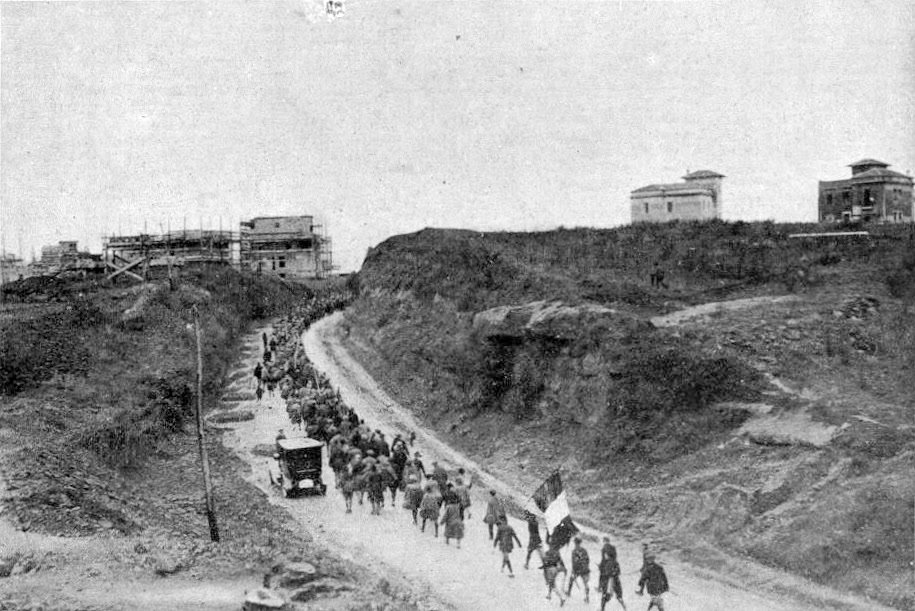
Fascism says that people are weak and divided but strong united under the banner, whether that banner be of a state, nation, army, or anything of the like. It is authoritarian, meaning a controlling government that rejects the idea that people can vote between multiple parties. It involves a strong central power, which usually refers to a dictator, so it rejects separation of power.
Fascist ideology is also ultranationalist: the belief that a nation shouldn’t care about other nations’ rights as long as it benefits itself. Ultranationalism usually coexists with militarism, the idea that a nation should have a powerful enough military to expand national interests and values. Fascism suppresses opposition using forceful methods, it believes in a natural social hierarchy, and it promotes the refusal of individual interests for the perceived good of the nation or race.
23. Nazism

Nazism is a form of fascism with a focus on its racist ideology, which says that the Aryan race is superior and believes that the Aryan race should rule the rest of the world to make it better, thus being ultranationalist. To be classified as an Aryan by the Nazis, you had to be white, straight, mentally and physically able, non-cowardly, and non-Jewish. If you are considered non-Aryan, you are called Untermensch, which means subhuman.
Nazism also likes eugenics, a set of beliefs and practices that aim to improve the genetic quality of a human population. For that reason, people with inherited diseases are considered useless eaters and were killed or sent to camps on sight, as they were regarded as life unworthy of life. Nazism also hates homosexuals, considering them subhuman as well.
What Comes Next?
Strip away the labels and every ideology on this list is answering the same problem from a different angle: who should hold power, and how much of it should the individual keep? The answers run from libertarianism’s minimal state to authoritarianism’s total obedience.
And almost every —ism defines itself against a neighbor: progressivism is conservatism inverted, syndicalism is socialism’s direct-action child, corporatism keeps getting mistaken for corporatocracy, and Nazism is fascism built around a racist ideology. Learn one, and the rest start falling into place.
Image Credits
- Liberty Leading the People by Eugène Delacroix — Public domain
- Edmund Burke by Joshua Reynolds — Public domain
- John Locke by John Greenhill — Public domain
- The Overton Window by DiHri — CC BY-SA 4.0
- Adam Smith (1811 engraving) by Cadell and Davies, John Horsburgh or R.C. Bell — Public domain
- Eugene V. Debs (1900) by George Grantham Bain — Public domain
- Industrial Workers of the World by Mark Morgan — CC BY 2.0
- Fascist corporations propaganda poster (1930s) by Unknown designer — Public domain
- Don’t Tread on Me flag, Barcelona by Aniol — CC0
- Ukrainian independence referendum, 1991 by Alex K — CC BY-SA 3.0
- La Komunista Manifesto (1924) by Eldona Fako Kooperativa de SAT — Public domain
- Suffragette justice poster by Mary Lowndes — Public domain
- Proudhon, Bakunin and Kropotkin by Artistosteles, Endika Amundarain — CC BY-SA 4.0
- Power County Wind Farm by ENERGY.GOV — Public domain
- Populist Party at Columbus, Nebraska by Solomon D. Butcher — Public domain
- Cicero Denounces Catiline by Cesare Maccari — Public domain
- Theodore Roosevelt by Pach Brothers, restored by Adam Cuerden — Public domain
- The Rhodes Colossus by Edward Linley Sambourne — Public domain
- Declaration of the Rights of Man (1789) by Unknown artist — Public domain
- Brain-Computer Interface (BCI) by Anders Sandberg — CC BY 2.0
- Huntington town meeting by TimothyDexter — CC BY-SA 2.0
- Los agachados by José Clemente Orozco — Public domain
- March on Rome, 1922 by Unknown author — Public domain
- 1934 Nuremberg rally by ACME / Archival by La Presse — Public domain