Every Paradox Explained
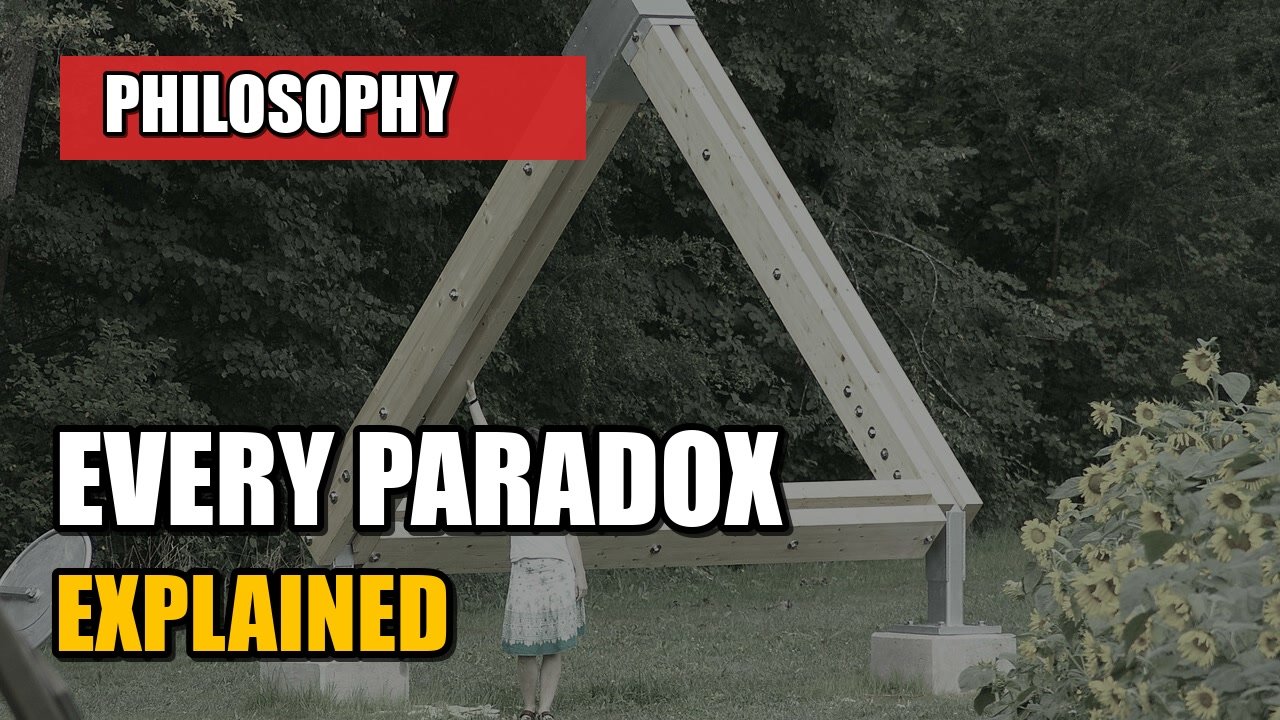
Some questions loop back on themselves the moment you try to answer them. The Paint Explainer walks through forty-three of them, one chapter per paradox.
From time machines and infinite hotels to a crocodile that steals a child, here is every paradox in the video, in order, and what makes each one break.
1. Grandfather Paradox

A time traveler goes back and stops their grandparents from meeting, which would prevent their own birth. But if they were never born, who operated the time machine in the first place? The chain of cause and effect eats itself the moment you follow it to the end.
2. Achilles and the Tortoise

Achilles, a famously fast runner, gives a tortoise a head start in a race. Every time he reaches the spot where the tortoise was, the tortoise has already moved a little ahead. Repeat that forever and Achilles never catches up — even though everyday experience says otherwise.
3. Ship of Theseus

You have a ship and replace all of its parts, one by one. Is it still the same ship? Then you rebuild a second ship from the old parts. Which one is the original? Identity survives the rebuild twice over, and the question has no settled answer.
4. Sorites Paradox

You have a heap of sand. Remove one grain at a time — when does it stop being a heap? A single grain is never the grain that makes the difference, yet after enough removals the heap is plainly gone.
5. Barbershop Paradox

In a town, the rule is that the barber shaves everyone who doesn’t shave themselves. So who shaves the barber? If he shaves himself, he breaks the rule; if he doesn’t, the rule says he must be shaved. Either way, the rule collapses.
6. Catch-22
A pilot who wants to stop flying dangerous missions can be grounded for being insane — but asking not to fly shows he understands the danger, which proves he is sane. You can only have it if you don’t need it, and needing it is exactly what disqualifies you.
7. Fermi Paradox
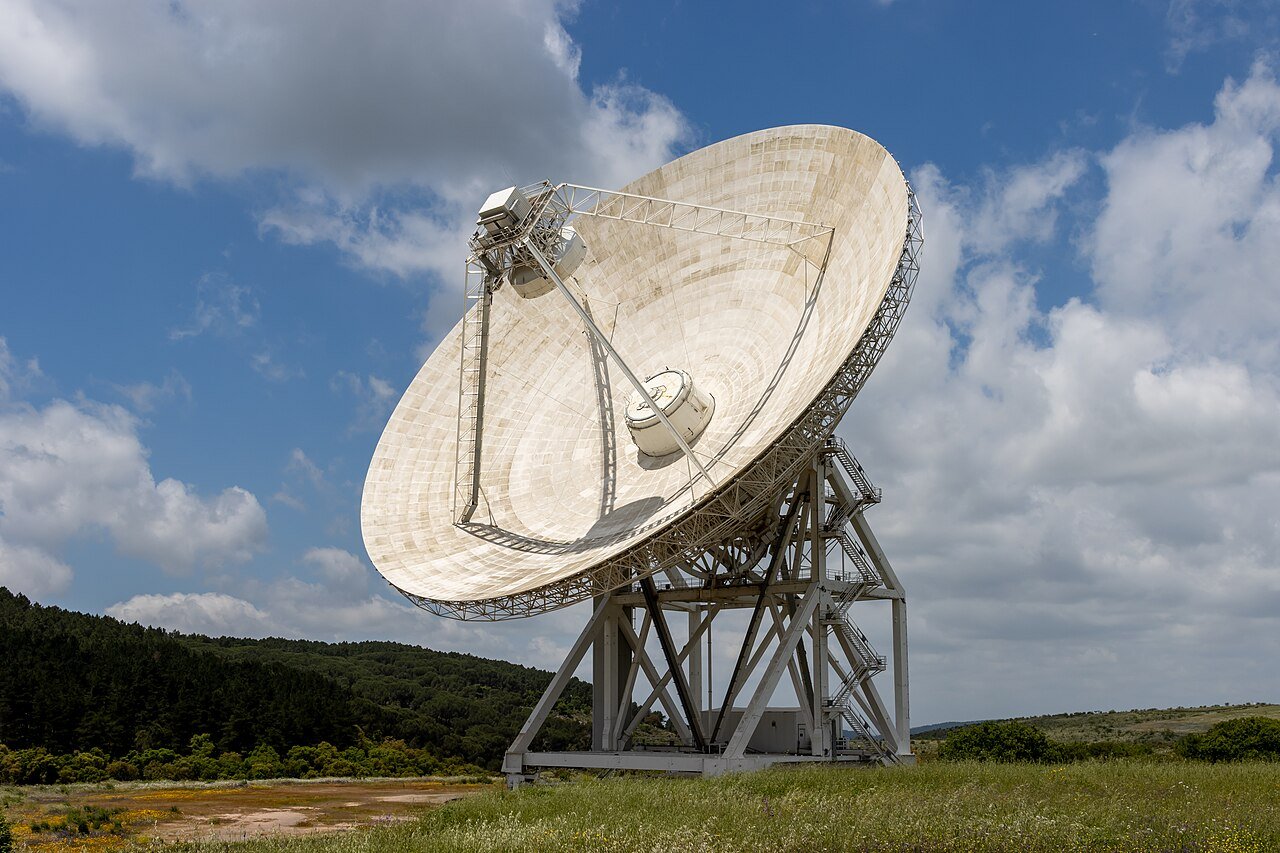
If the universe is vast and infinite, it should be full of alien civilizations. So where is everybody? Countless stars make the silence more unsettling, not less.
8. Opposite Day Paradox
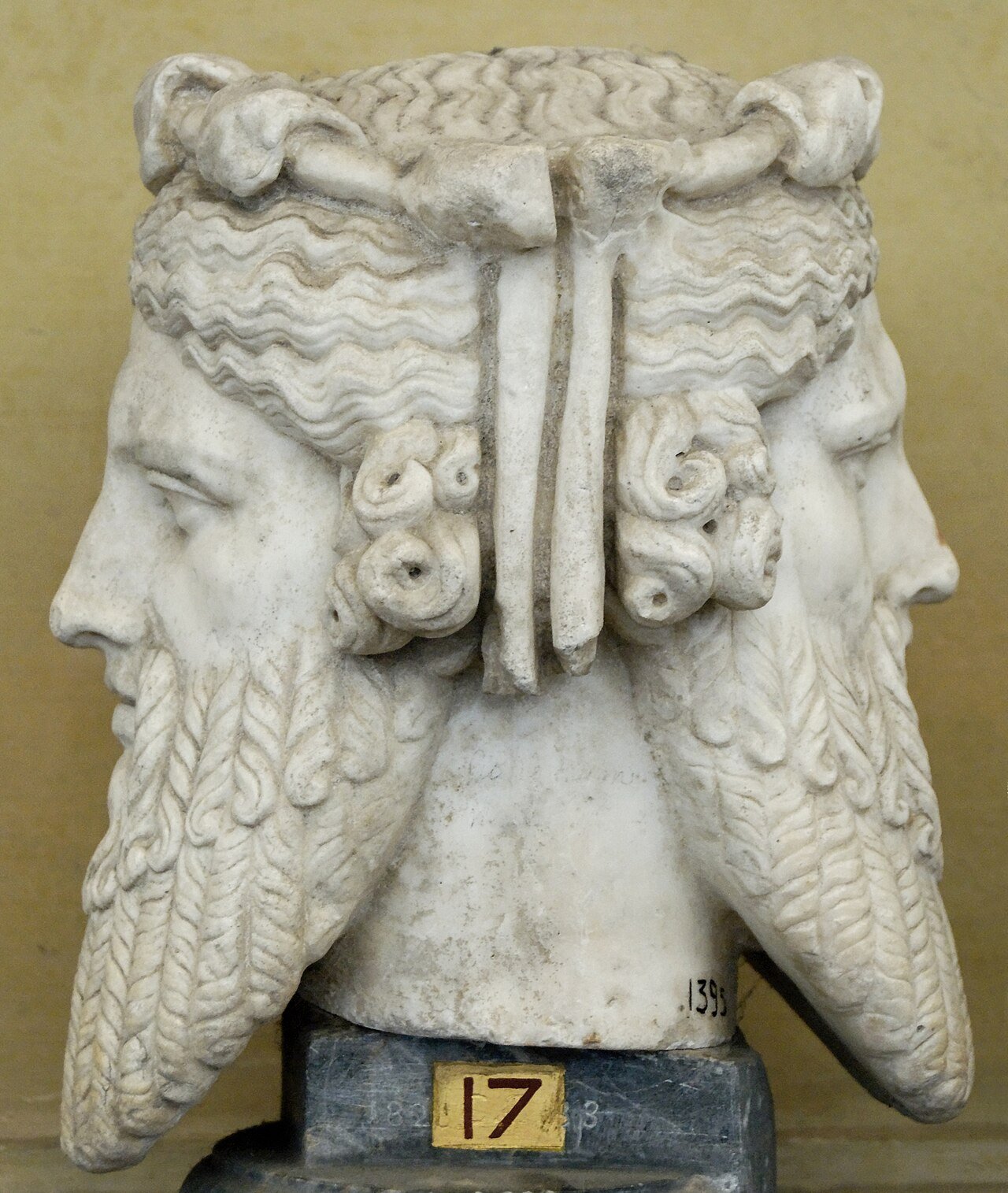
If you announce that it’s opposite day, is it? Calling it true only works if the statement itself is false — and declaring it false makes it true again. The announcement undoes itself.
9. Simpsons’ Paradox
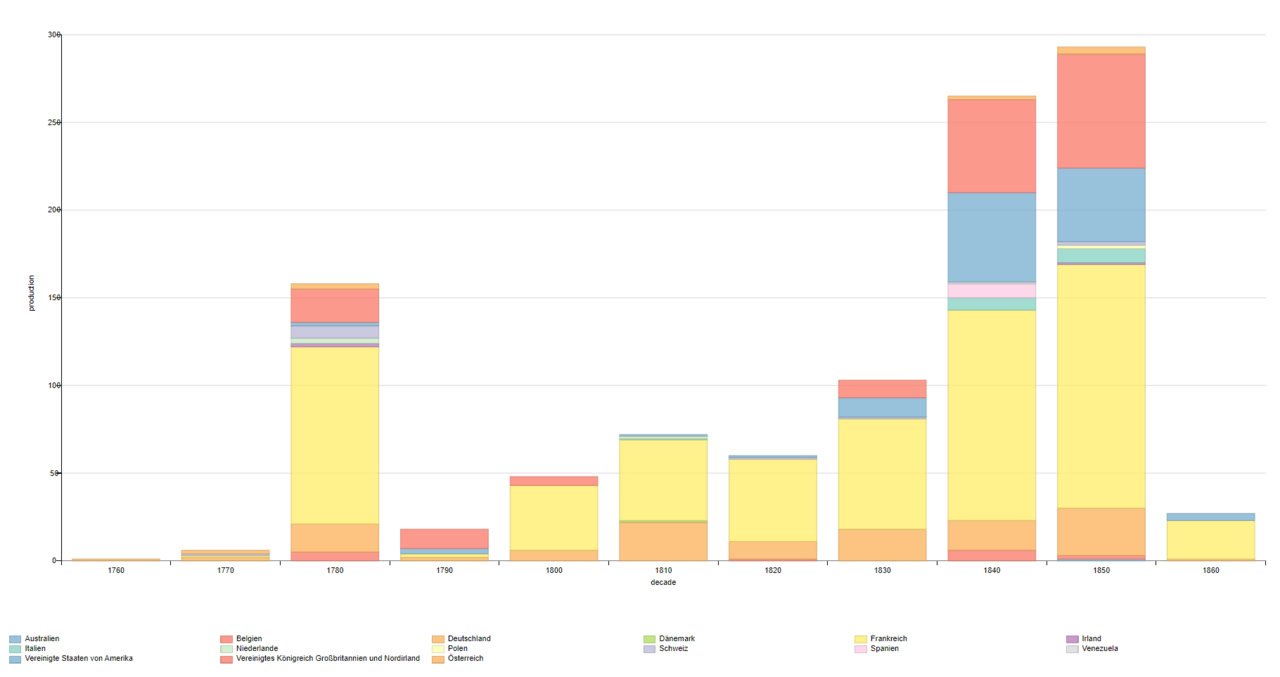
A trend can appear in every group of data separately, then disappear or reverse once the groups are combined. The overall conclusion can be the opposite of the conclusions drawn from the individual subgroups — the numbers don’t lie, but aggregation can mislead.
10. Tolerance Paradox
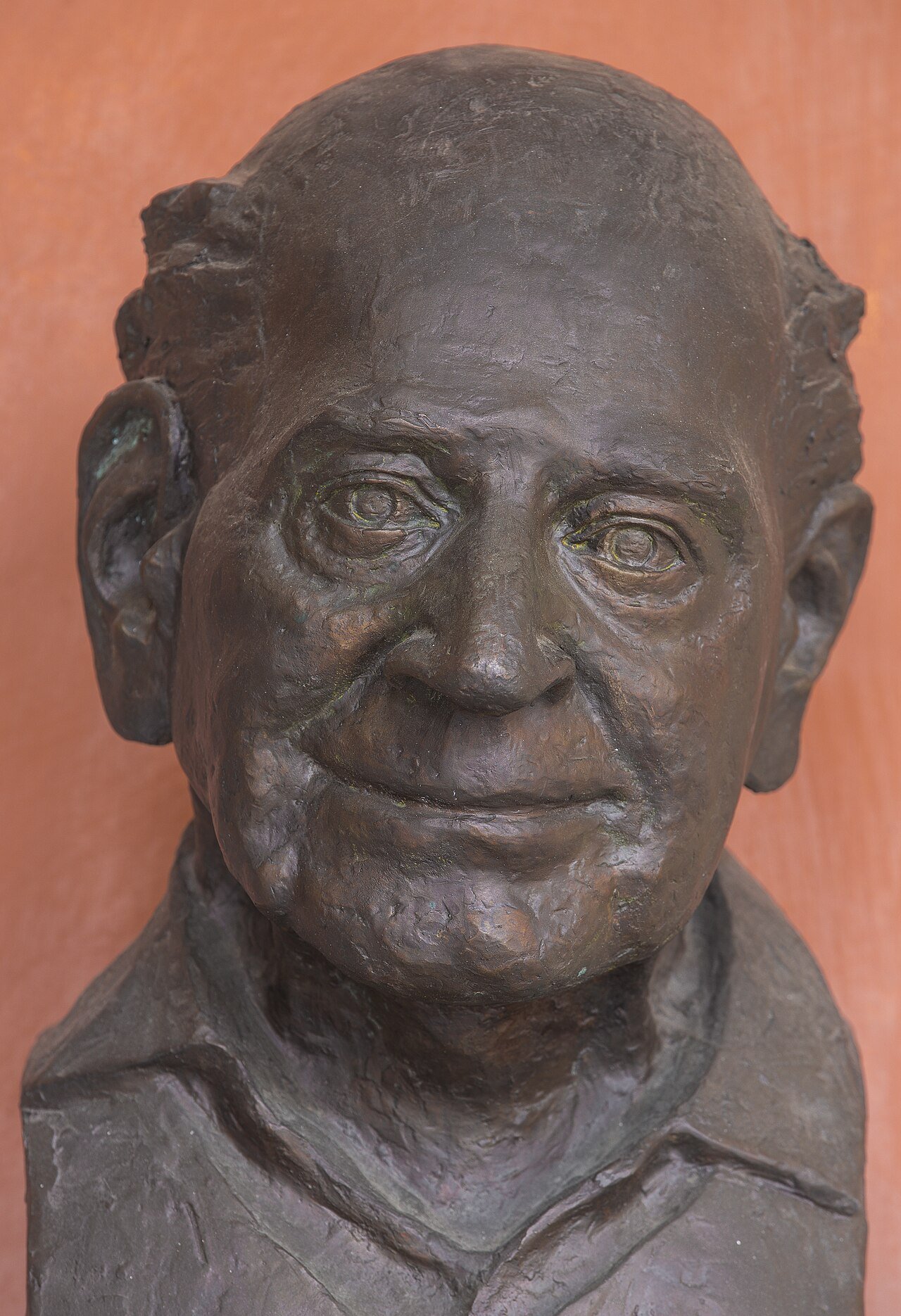
Unlimited tolerance can make tolerance disappear, because it allows too much intolerance to grow unchecked. For a tolerant society to survive, it must not tolerate intolerance — a limit that contradicts the principle it protects.
11. Bootstrap Paradox
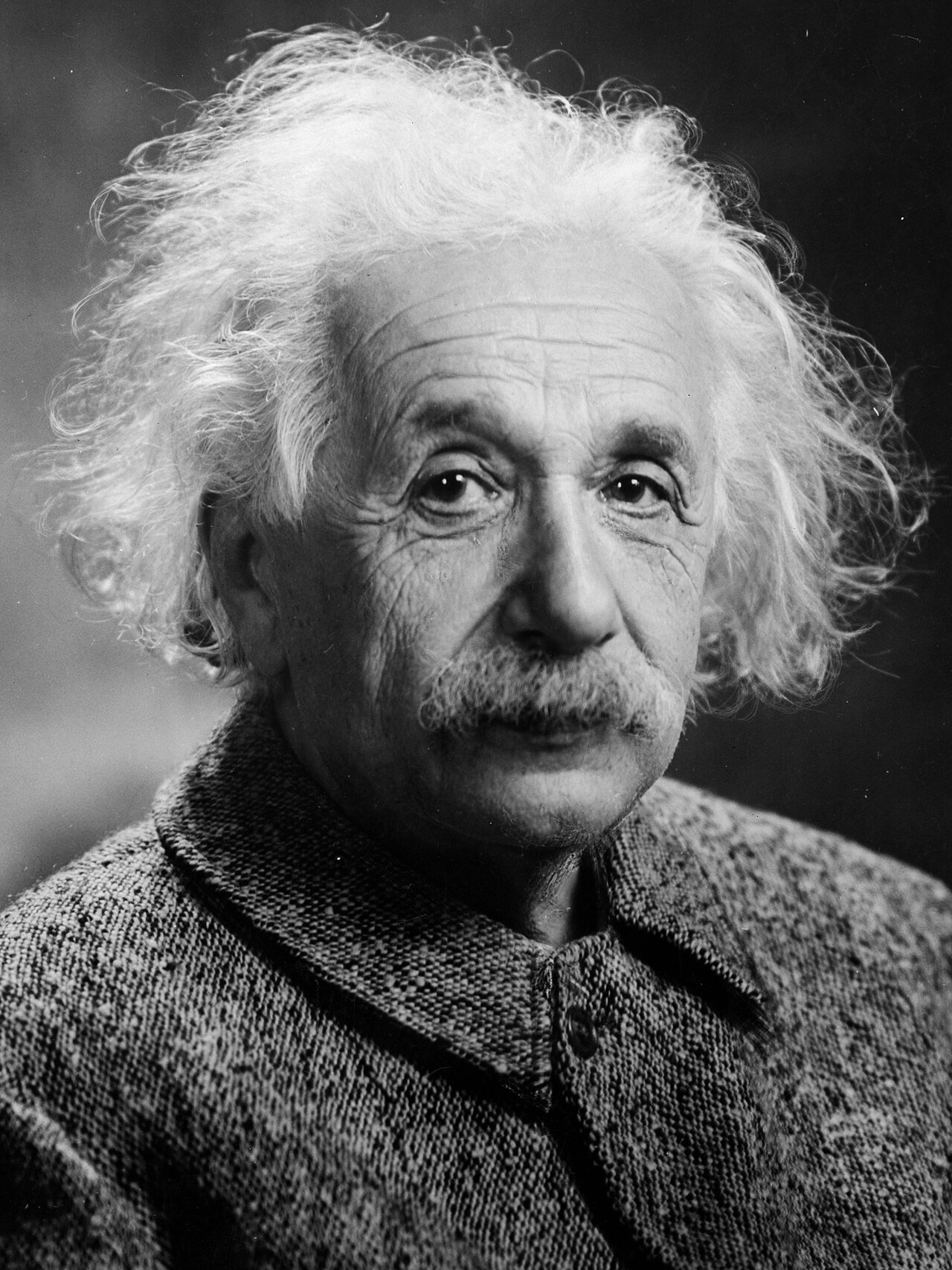
A time traveler gives a young Einstein a book containing the theory of relativity, and Einstein publishes it as his own. Who is the original author? The idea exists without ever having been invented.
12. Stockdale Paradox

Believing you will succeed soon decreases your chances of succeeding, while maintaining a belief that you will succeed someday increases them. Doomed optimism fails; patient hope pays off — as long as the belief is paired with persistence.
13. Jevons Paradox
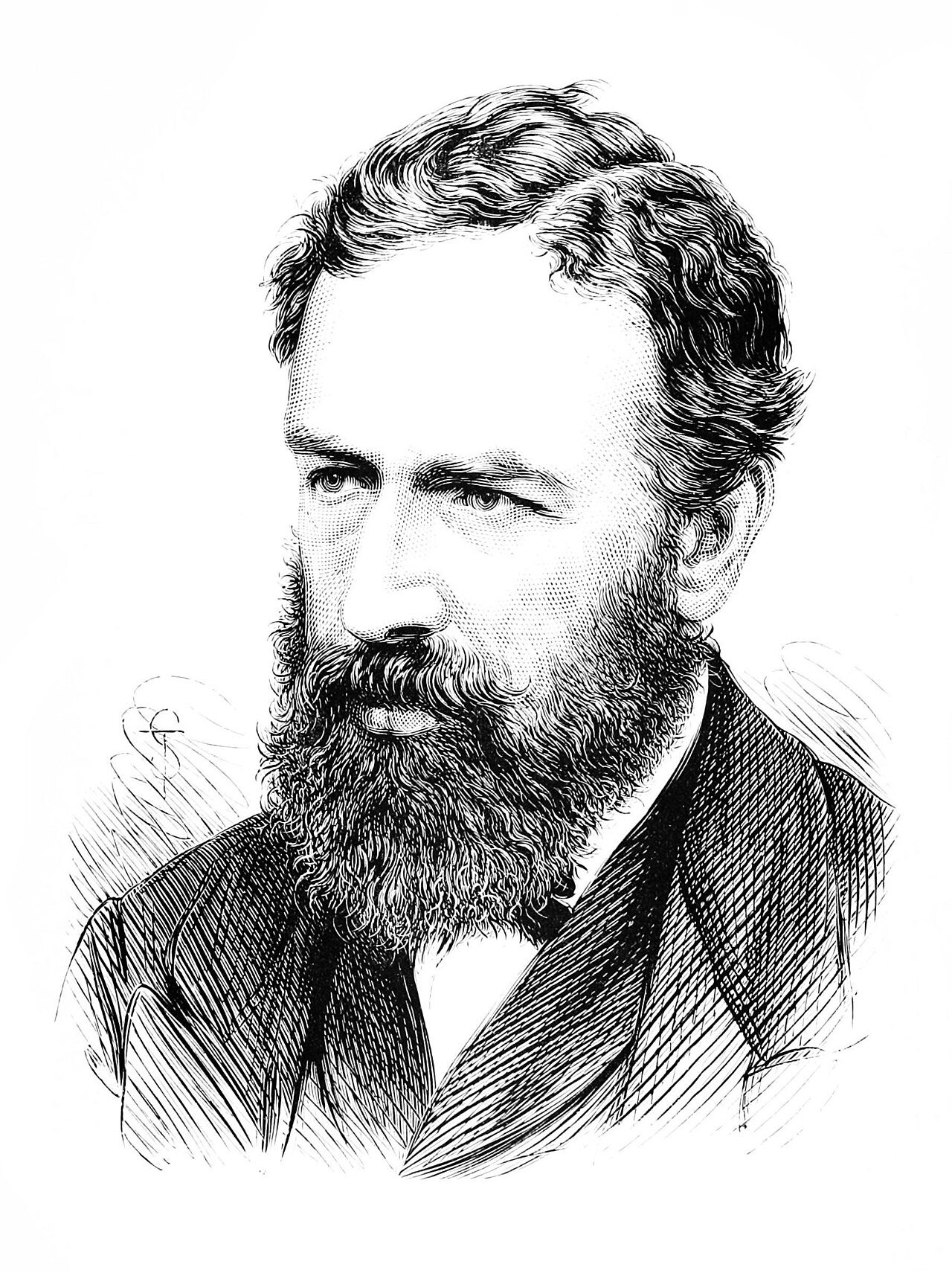
Technological improvements that make a resource more efficient tend to increase total consumption of it rather than reduce it. Efficiency makes the product cheaper and more popular, so people end up using more of it overall.
14. Olbers’ Paradox

Why is the sky dark at night if there are a vast number of stars in the universe? In every direction, starlight should fill the sky — yet darkness is what we actually see.
15. Paradox of Thrift
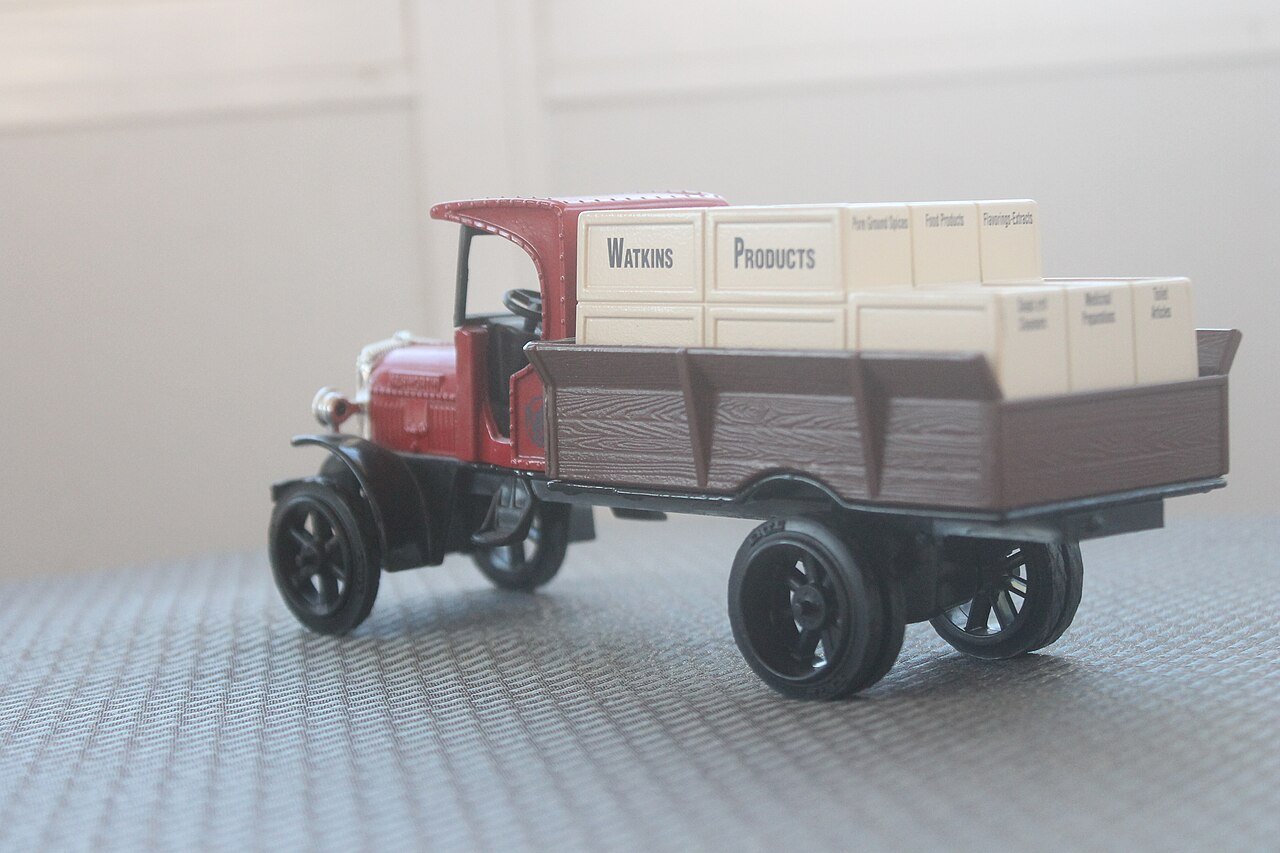
Saving more money is generally a good thing for one person, but if everyone does it at once, reduced consumption drags down economic growth. What’s rational for you becomes a problem for everyone — individually wise, collectively damaging.
16. Unexpected Hanging Paradox
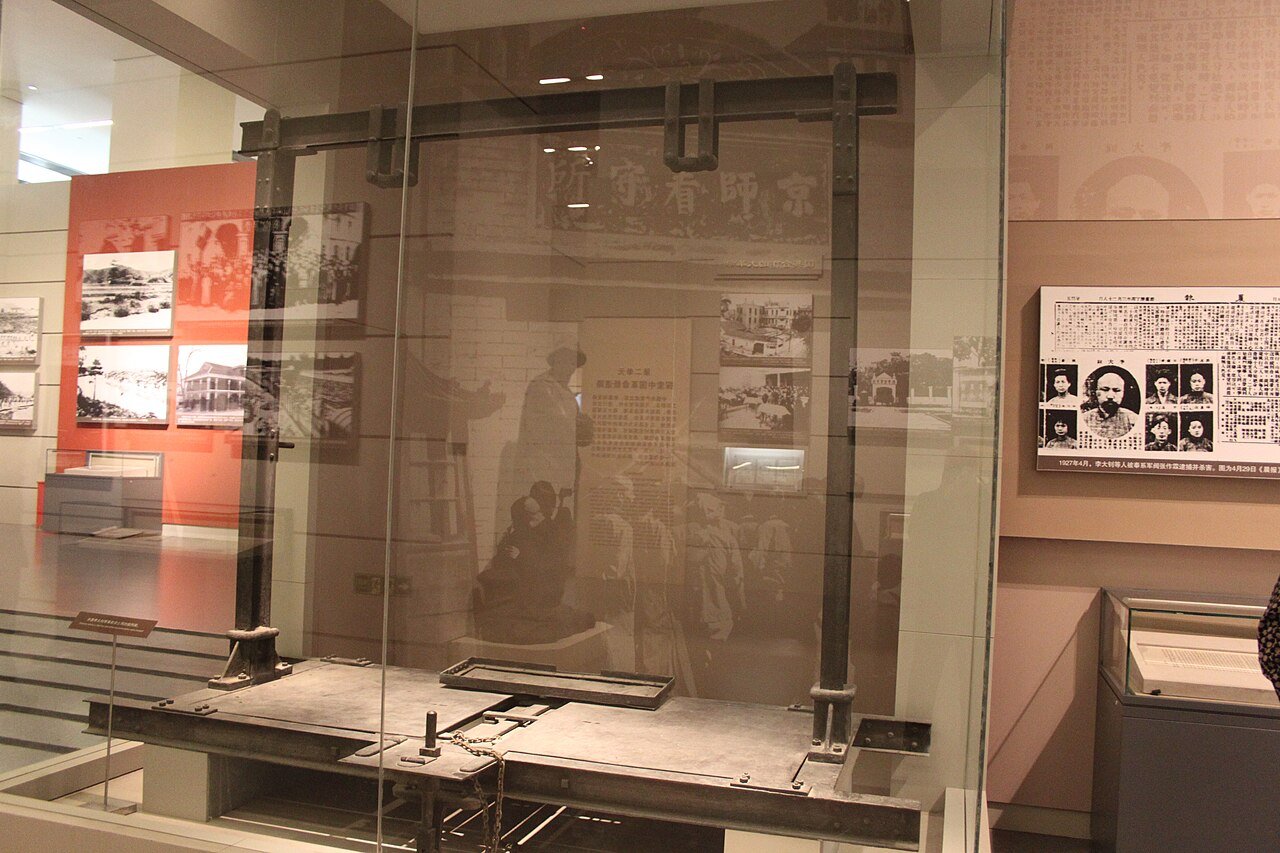
A condemned prisoner is told he’ll be hanged on a weekday next week, and that the hanging will genuinely surprise him. He reasons that Friday is the latest possible day, so by Thursday night Friday would be no surprise — which rules Friday out. He rules out every day in turn and concludes the hanging can never happen — breaking the very promise he was counting on.
17. Value Paradox

Essential things like water are cheap despite being crucial, while non-essentials like diamonds are expensive. The things we need most cost the least — price tracks rarity and desire, not importance.
18. Pinocchio Paradox
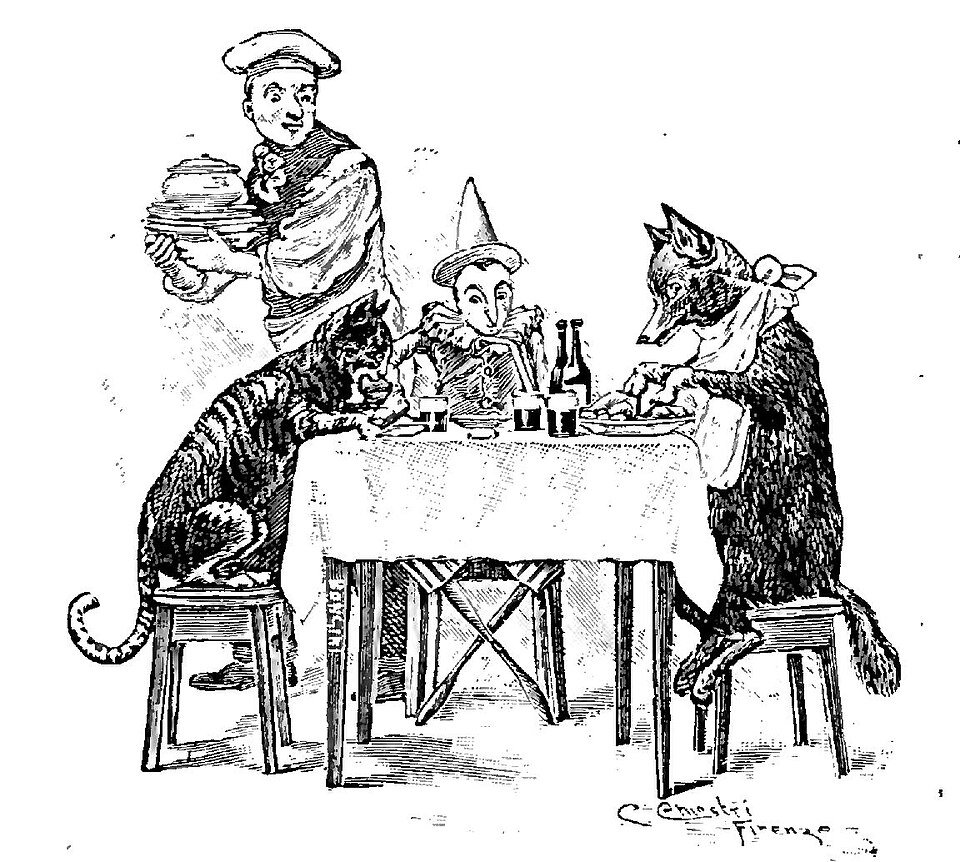
If Pinocchio says “my nose will grow,” the statement can’t be settled. If it’s true, his nose should grow, which would make him a liar; if it’s false, his nose shouldn’t grow, which would make him truthful. The claim swallows itself the moment you take it seriously.
19. Hedonism Paradox
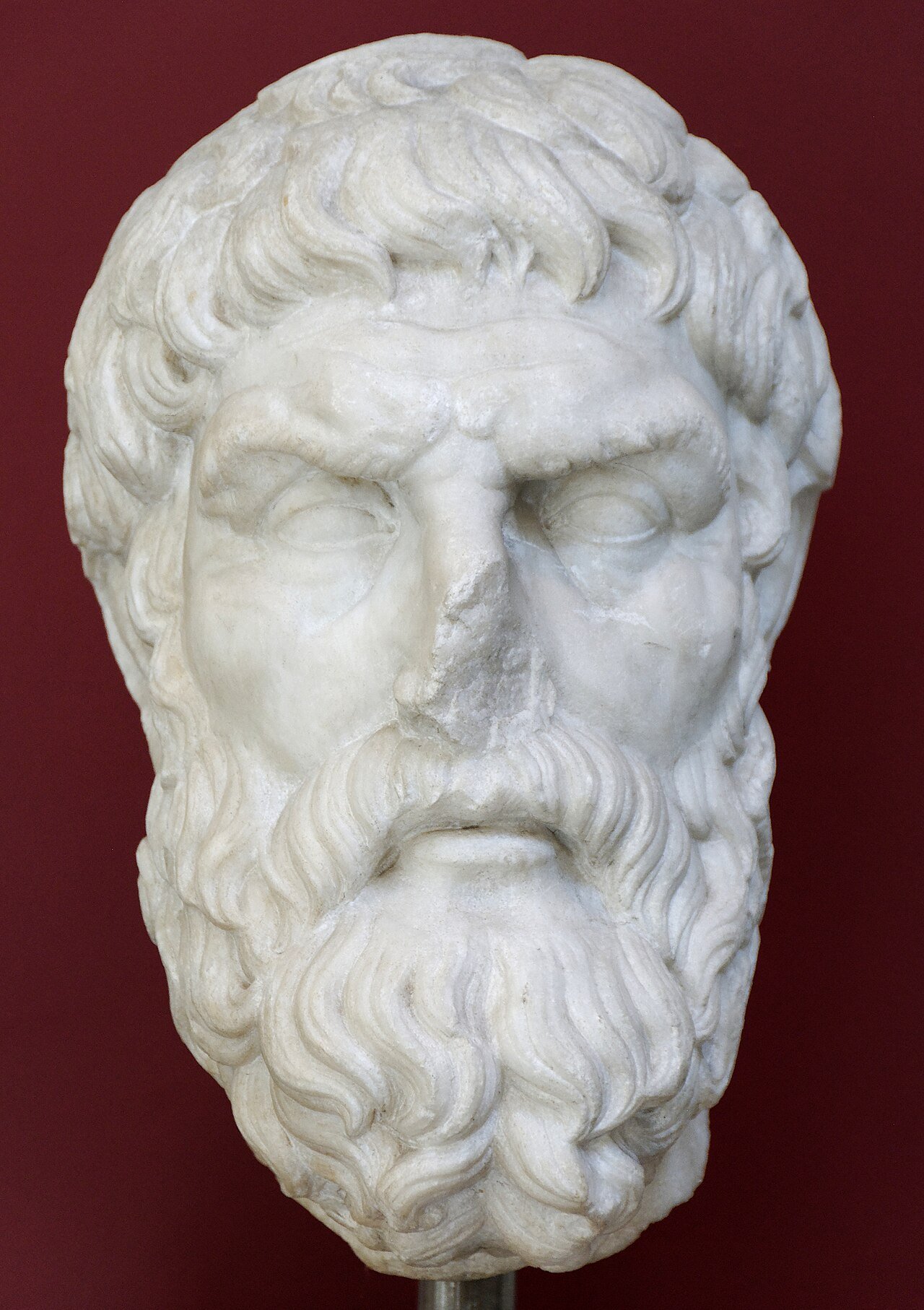
The more directly one seeks pleasure or happiness, the less likely they are to achieve it. Happiness tends to arrive sideways — as a by-product of doing something else.
20. Crocodile Paradox
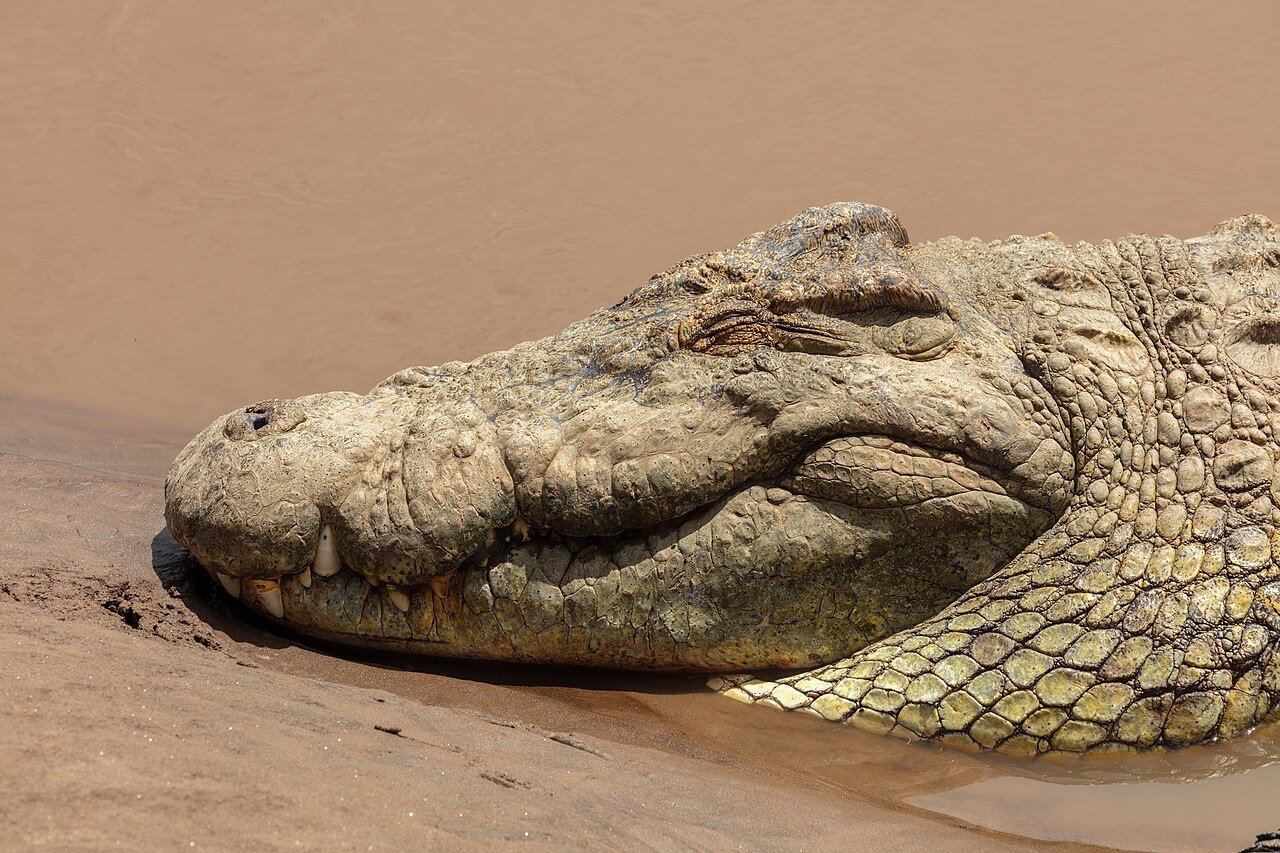
A crocodile steals a child and promises its return if the parent correctly predicts what the crocodile will do. If the parent says the child won’t be returned and the crocodile agrees, every outcome contradicts the promise — returning the child breaks the agreement, and not returning it breaks it too.
21. Sword and Shield Paradox
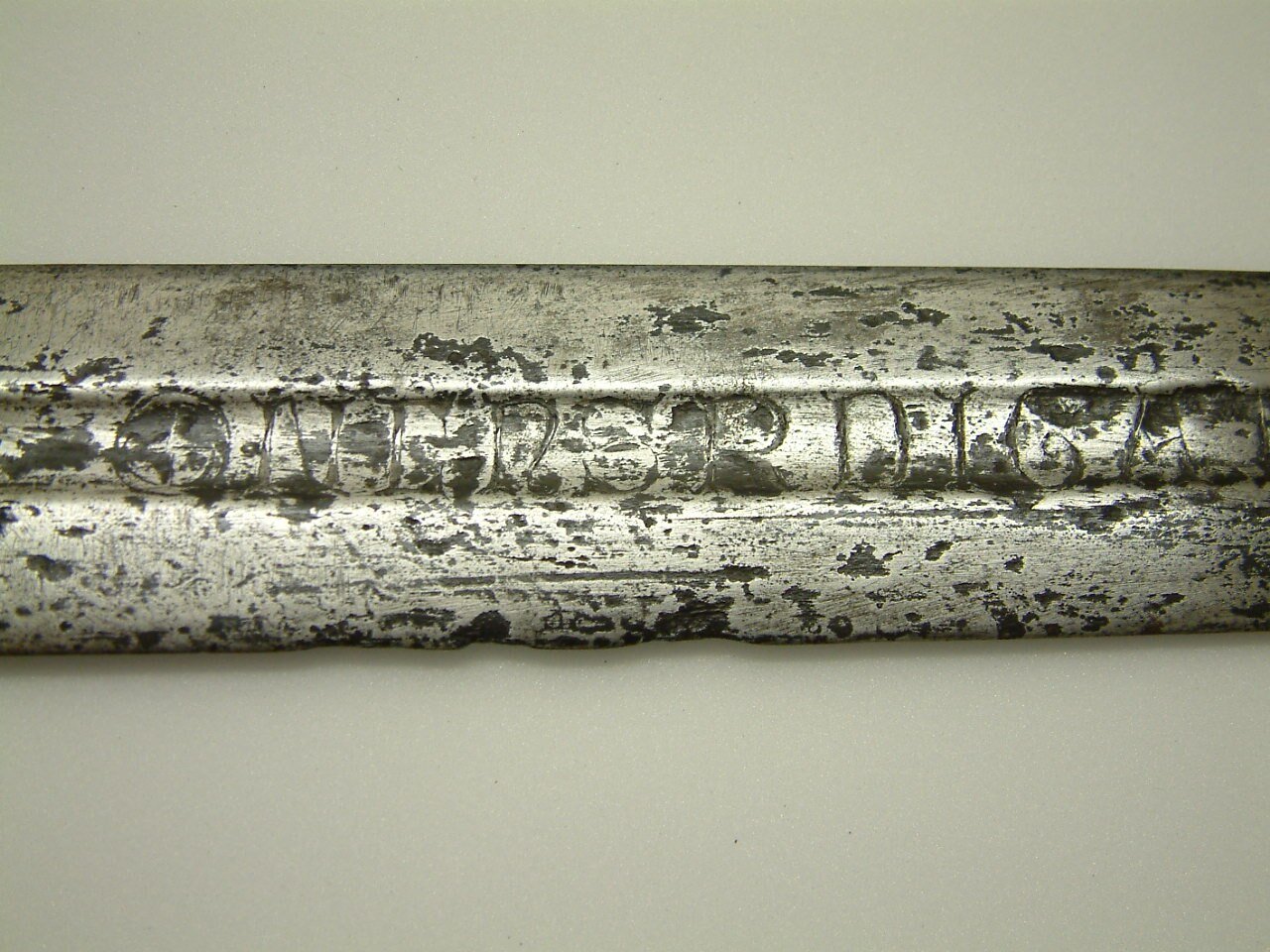
What happens when a sword sharp enough to cut any shield meets a shield strong enough to block any blade? Whichever one wins, the loser stops being what it claims to be — so the question can’t be answered without breaking one of its own terms.
22. Dichotomy Paradox
To reach a destination you must first walk halfway there, and to walk halfway there you must first walk a quarter of the way, and so on forever. An infinite number of steps, and you never arrive — at least, that’s what the arithmetic suggests.
23. Fletcher Paradox

An arrow in flight occupies a single position at each instant, and at an instant nothing moves. Since time is made up of these instants, the arrow never moves at all — it’s stationary for its entire flight.
24. Grand Hotel Paradox

An infinitely big hotel with infinitely many rooms can be completely full and still take more guests. Move every guest from room n to room n+1 and the first room frees up — an infinity you can always add to.
25. Card Paradox
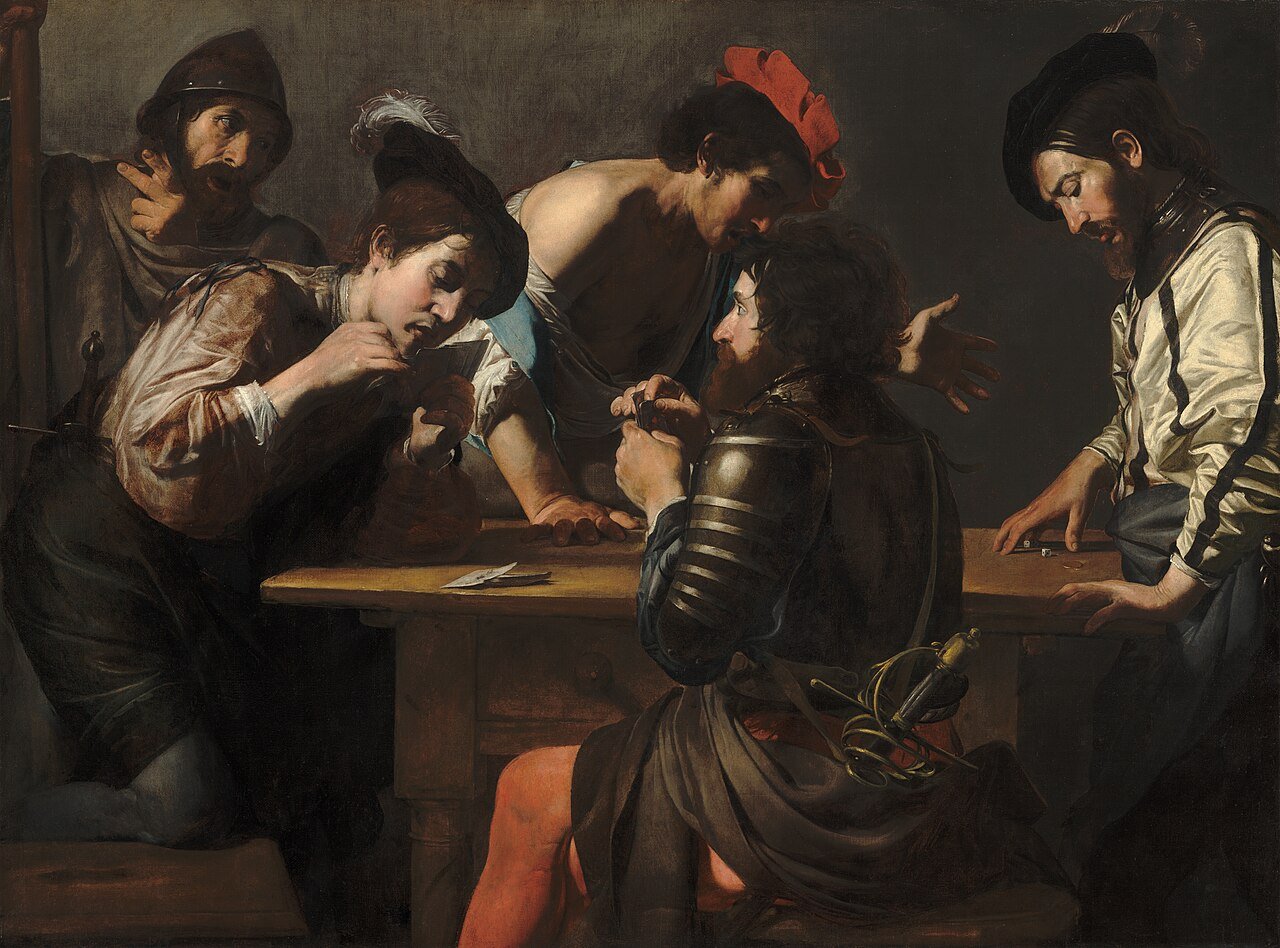
A card reads on the front, “the sentence on the other side is true,” while the back reads, “the sentence on the other side is false.” Each side’s truth depends on the other’s judgment, and the pair never settles into consistency.
26. Liar Paradox

Imagine someone says, “I’m lying.” If the liar is indeed lying, then he’s telling the truth — which means he just lied about lying. The sentence can’t be true, and it can’t be false.
27. Grain of Millet Paradox
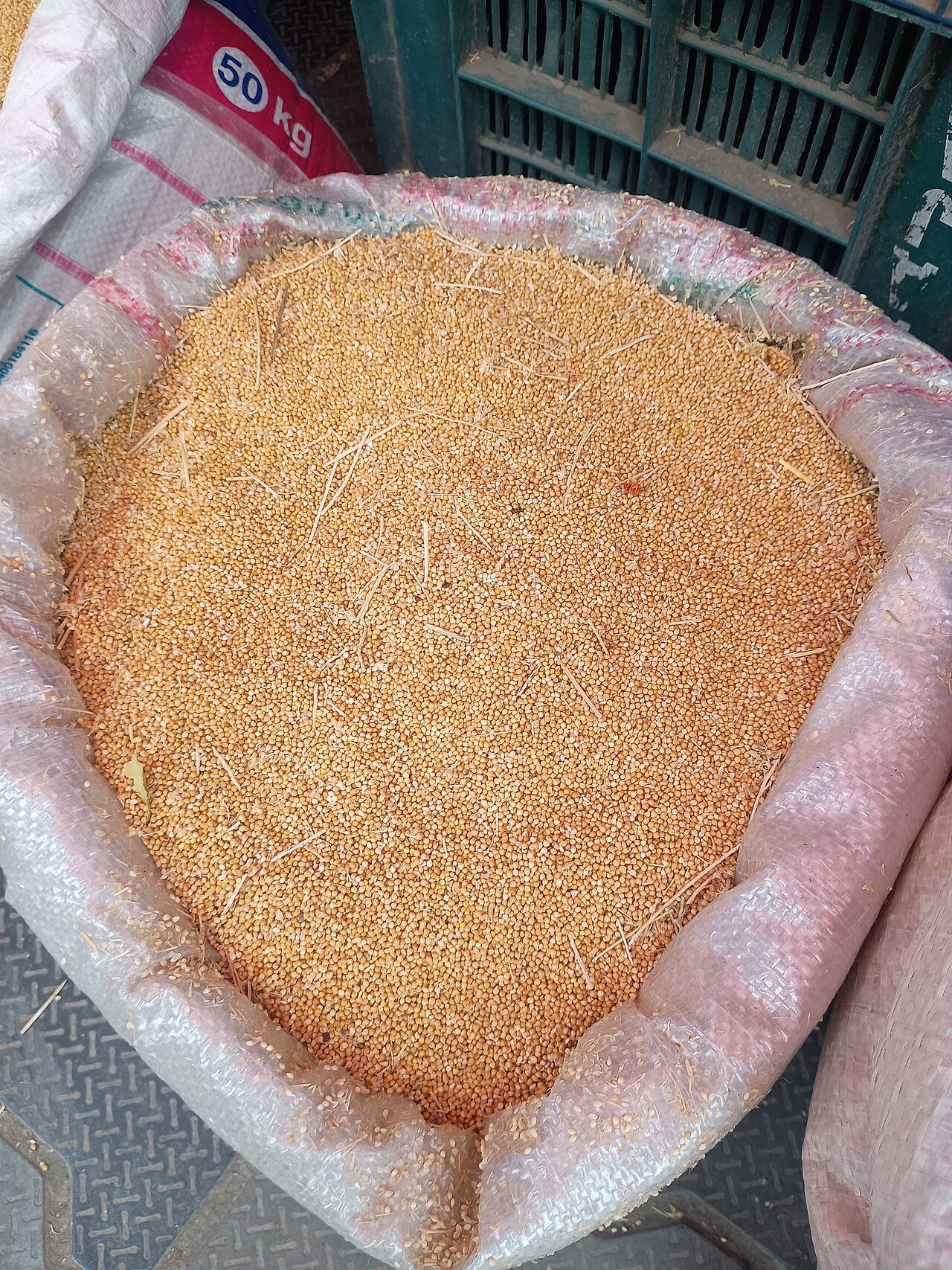
When a single grain of millet falls, it makes no sound, but when a thousand grains fall together, they do. Many nothings add up to something — though the simpler answer is that one grain is just too quiet to perceive.
28. Boltzmann Brain
It might be more likely for a single brain to spontaneously form in a void, complete with memories of having existed in our universe, than for the entire universe to come about. A brief fluctuation beats thirteen billion years of cosmic history — statistically speaking.
29. Paradox of Enrichment

Increasing the food available to an ecosystem may lead to instability and even to extinction. Abundance fuels population booms that end in crashes — the surplus becomes the trap.
30. Service Recovery Paradox

Successfully fixing a problem with a defective product can leave a consumer more satisfied than if no problem had occurred at all. A well-handled failure can beat a flawless delivery — when the fix itself impresses.
31. Stability-Instability Paradox
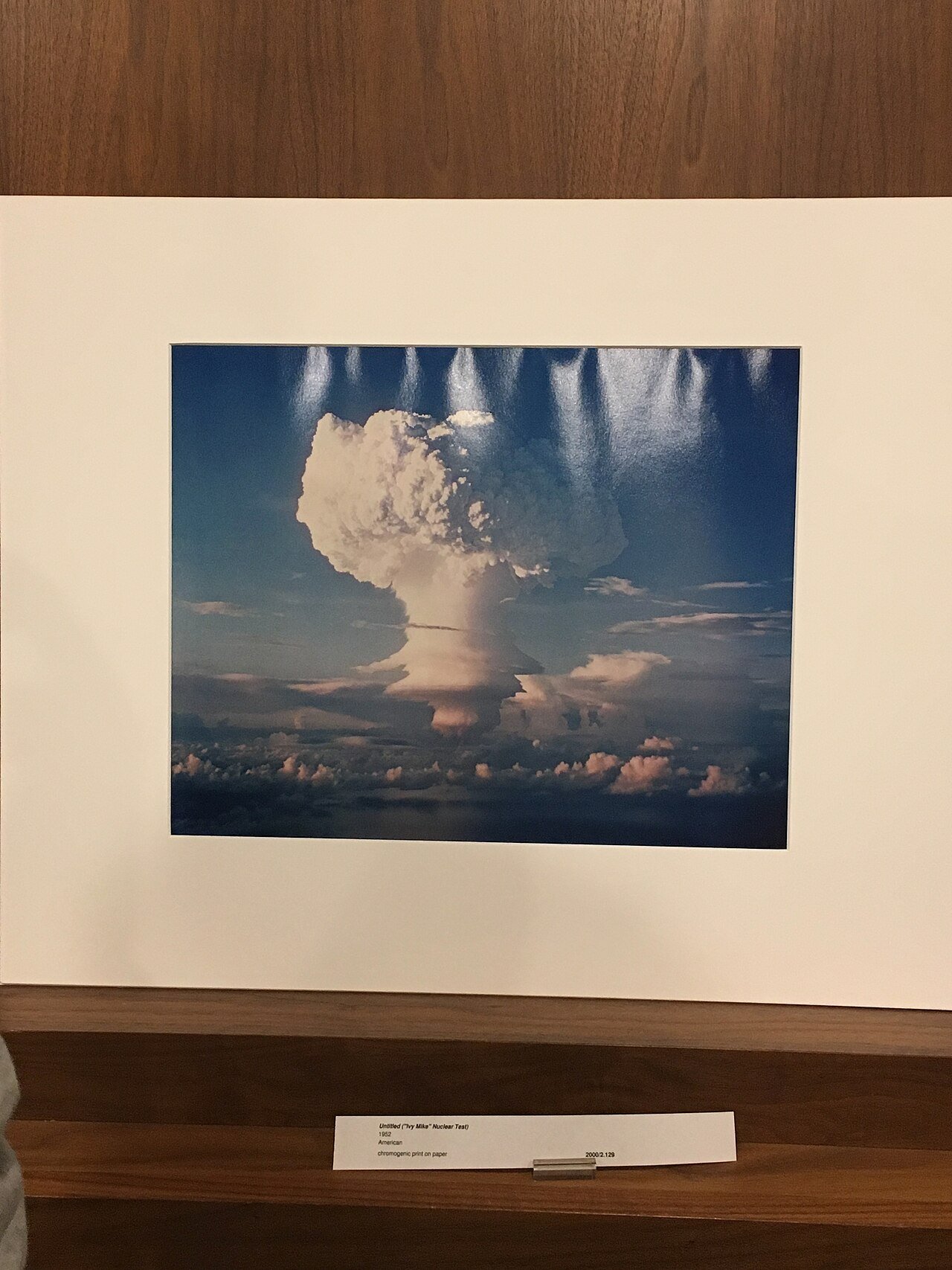
When two countries each have nuclear weapons, the probability of a direct war between them drops sharply, but the probability of minor or indirect conflicts rises. The big war disappears; the small ones multiply — nuclear deterrence trades one kind of danger for another.
32. Ironic Process Theory
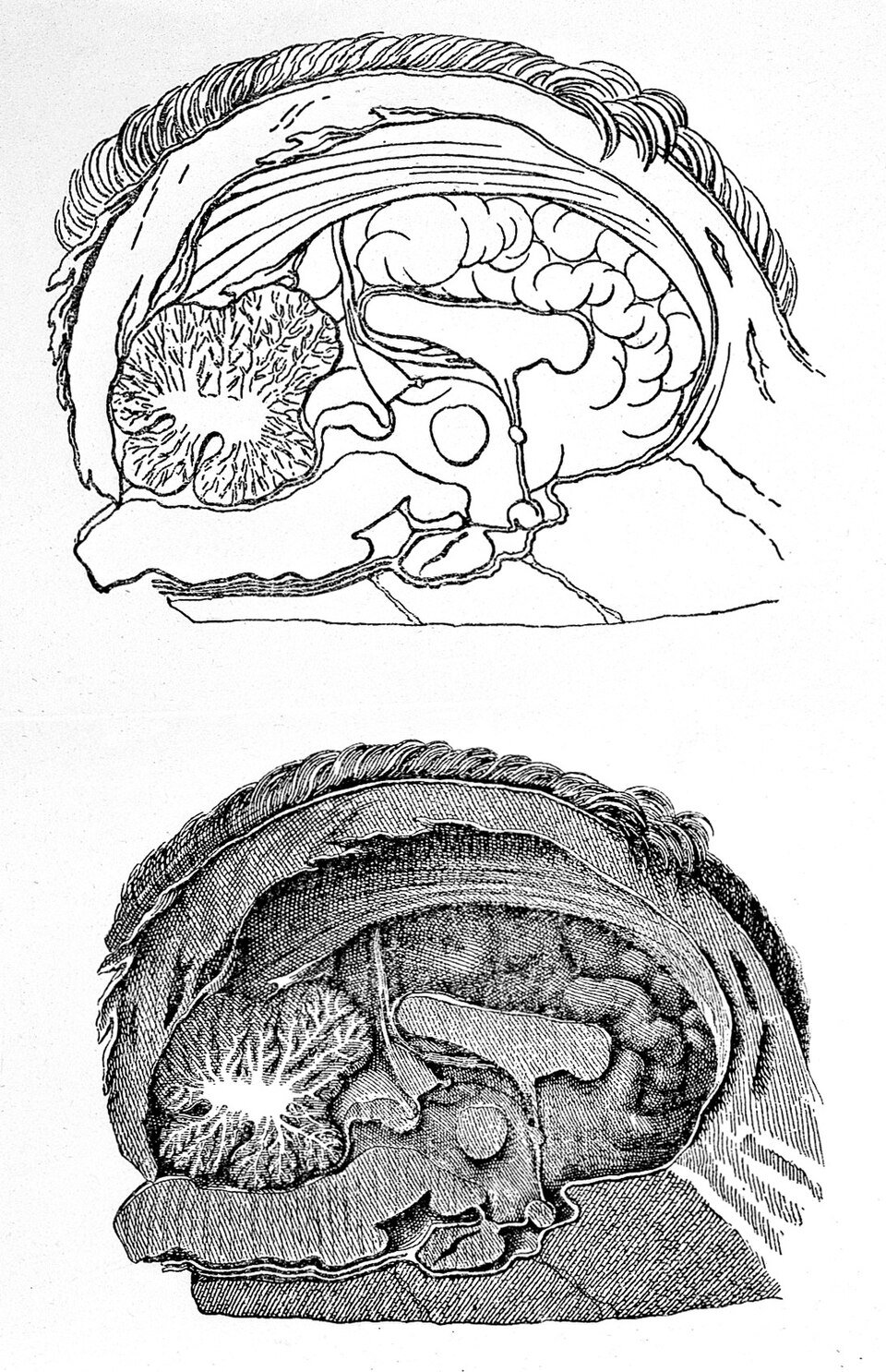
Ironic processing is the psychological process whereby deliberate attempts to suppress or avoid certain thoughts render those thoughts more persistent. The attempt to push the thought away is what keeps it alive.
33. Paradox of Choice

It can be beneficial to eliminate consumer choices, because fewer options greatly reduce anxiety for shoppers. Abundance can paralyze — the offer of everything leaves you happier with less.
34. Birthday Paradox

To have a 100% probability that at least two people in a group share a birthday, you’d need 366 people. To reach a 50% probability, you’d need just twenty-three — long before most people expect the collision to appear.
35. Schrodinger’s Cat
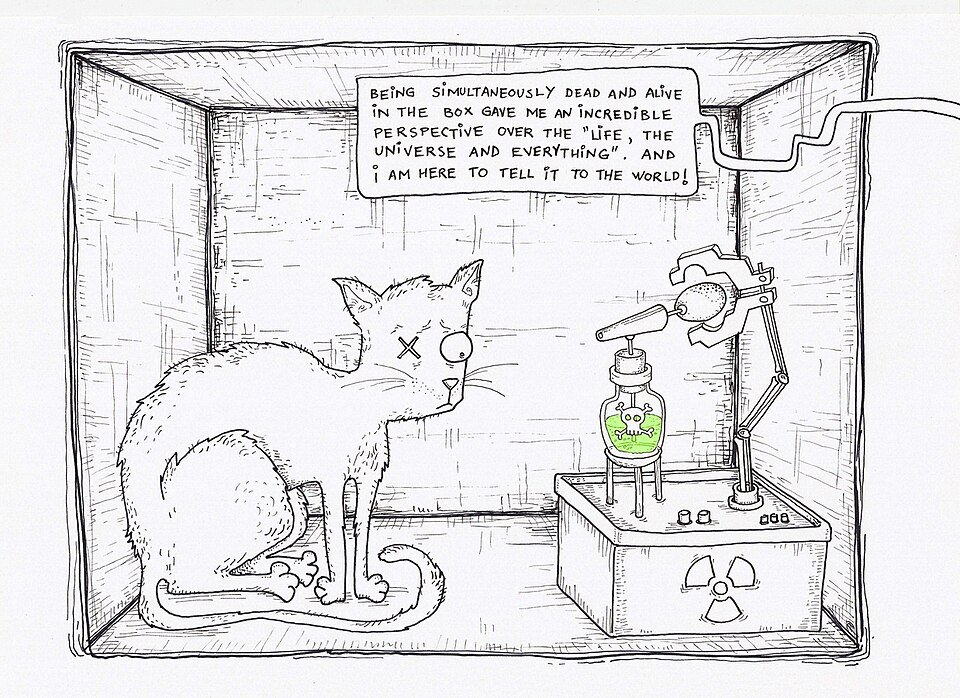
In quantum theory, a particle can be in multiple states simultaneously when not observed, and observation collapses it into one of them. Put a machine that releases poison only in one state into a box with a cat, and until anyone looks, the cat is both alive and dead.
36. Twin Paradox

According to Einstein, the faster you move through space, the slower you move through time. If your identical twin became an astronaut and traveled at nearly the speed of light, you’d be several years older than them when they returned — the same age apart, with no way to tell why.
37. Friendship Paradox
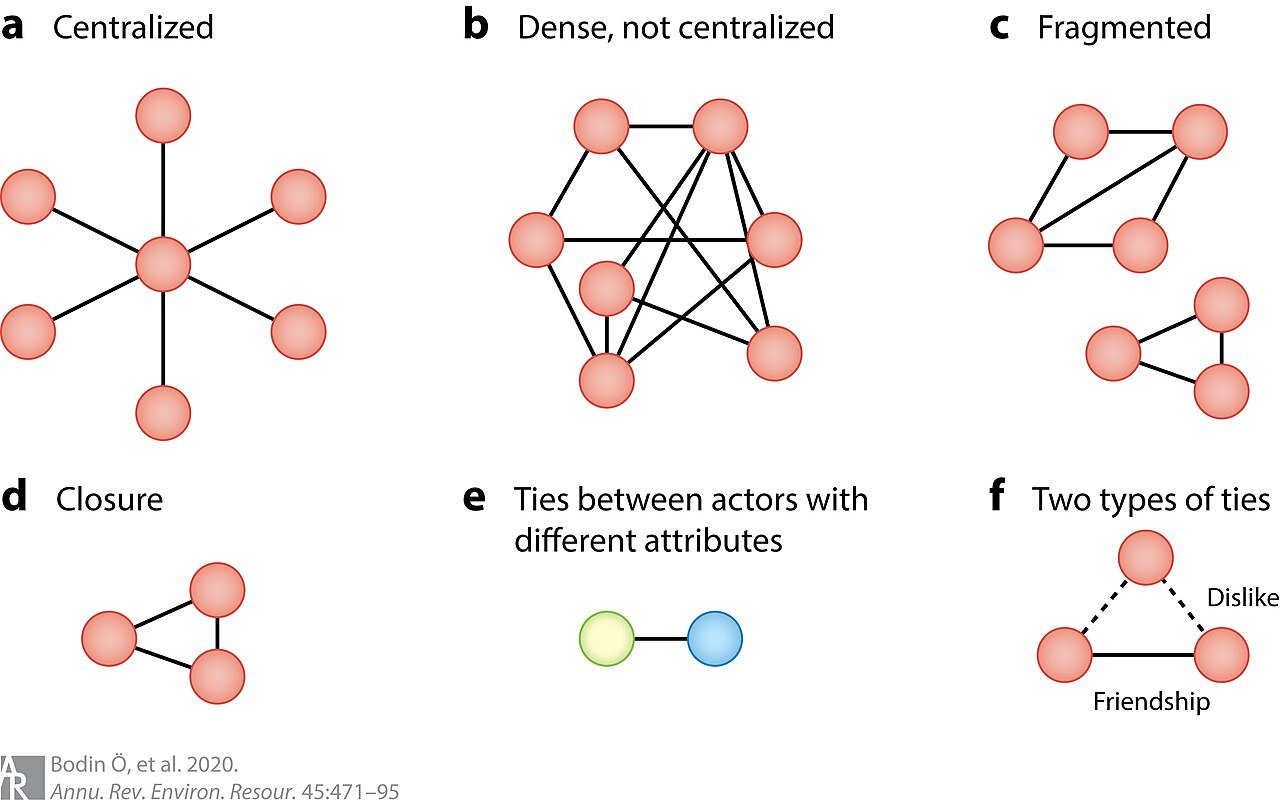
On average, your friends tend to have more friends than you do. This happens because people who are social and have many friends are more likely to become your friends in the first place — the well-connected skew the average.
38. Raven Paradox
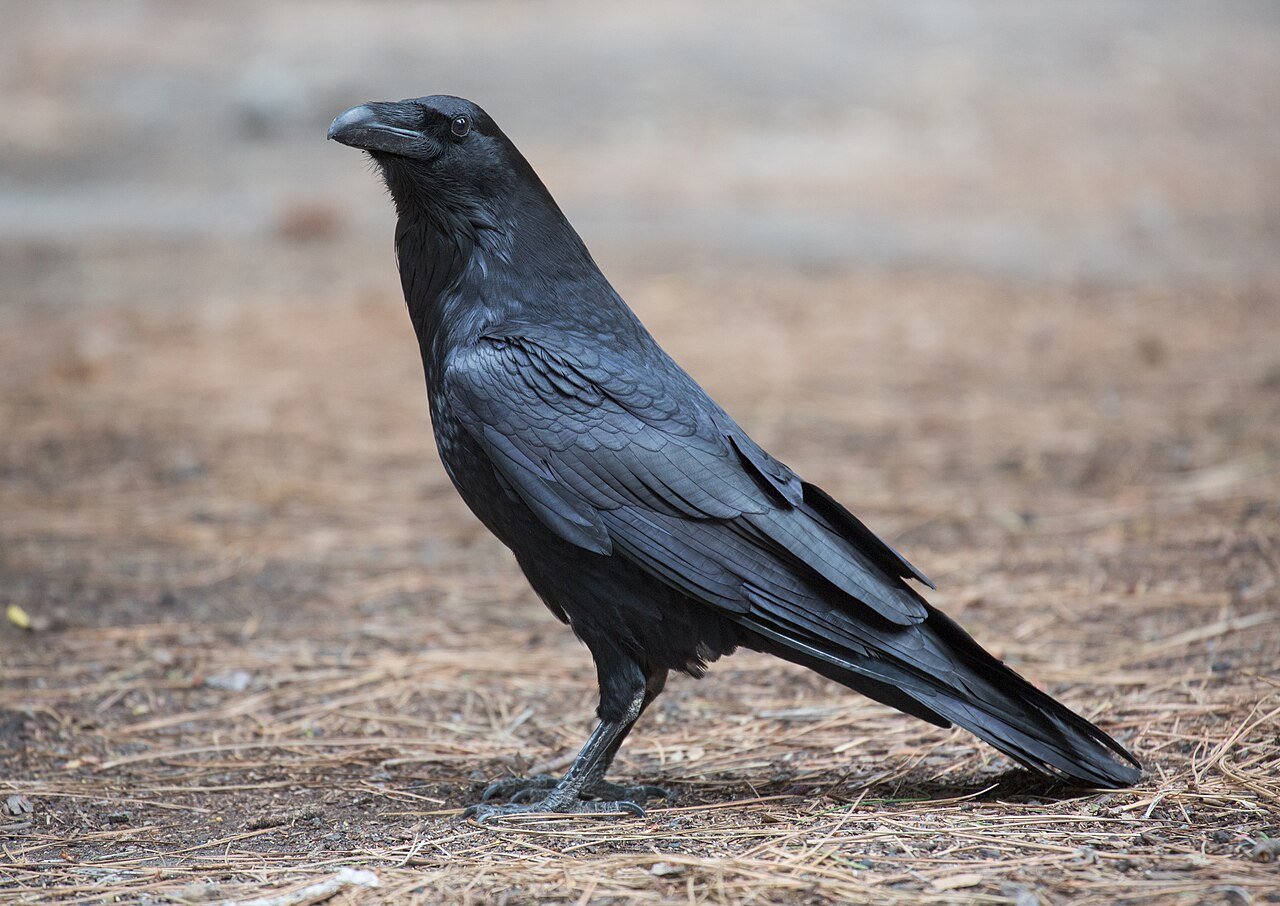
If you wanted to confirm that all ravens are black, finding a black raven supports your claim. But the paradox suggests that finding something that is not a raven and not black — such as a green apple — supports your claim too, since it fails to contradict it.
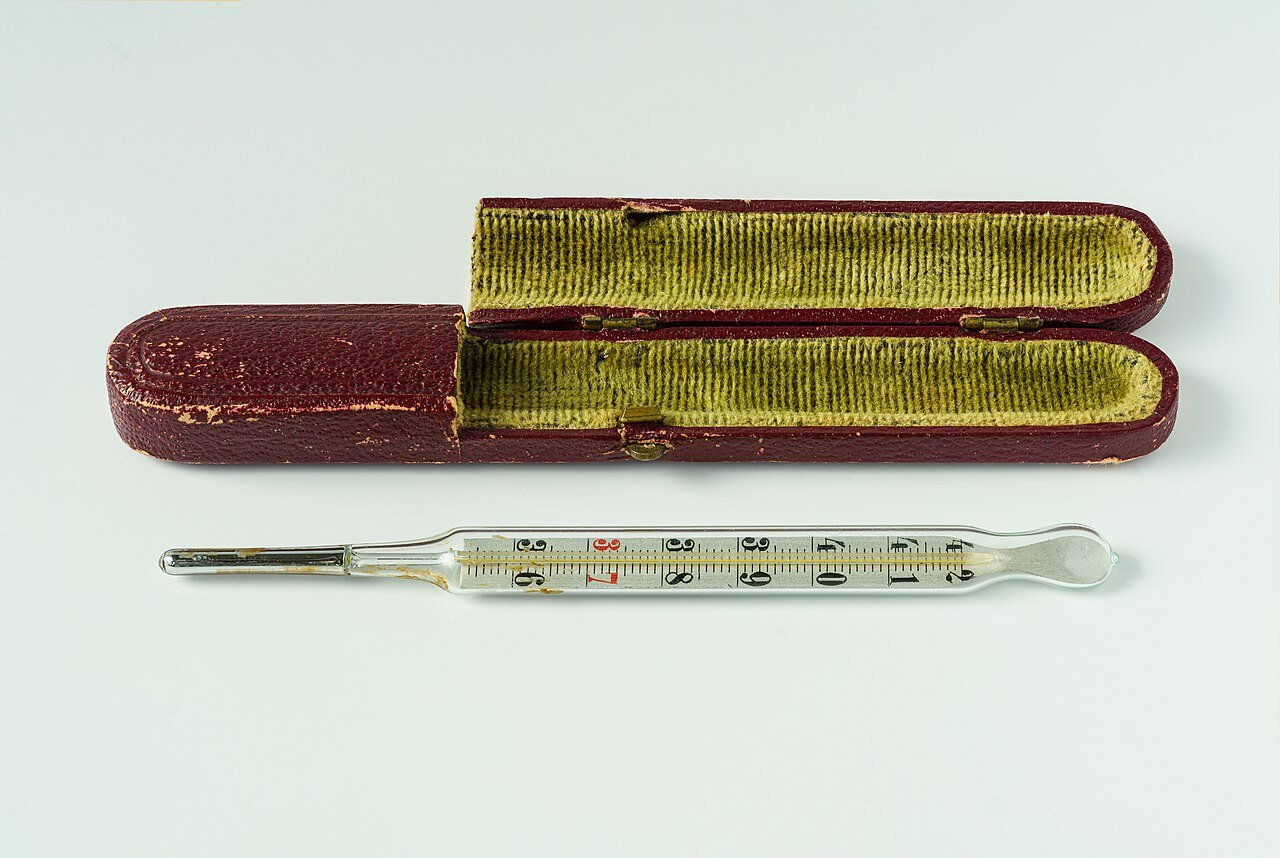
39. Temperature Paradox
If the temperature is 90 and the temperature is rising, is 90 rising? The phrasing treats a fixed value as if it were moving — language strains exactly where the math doesn’t.
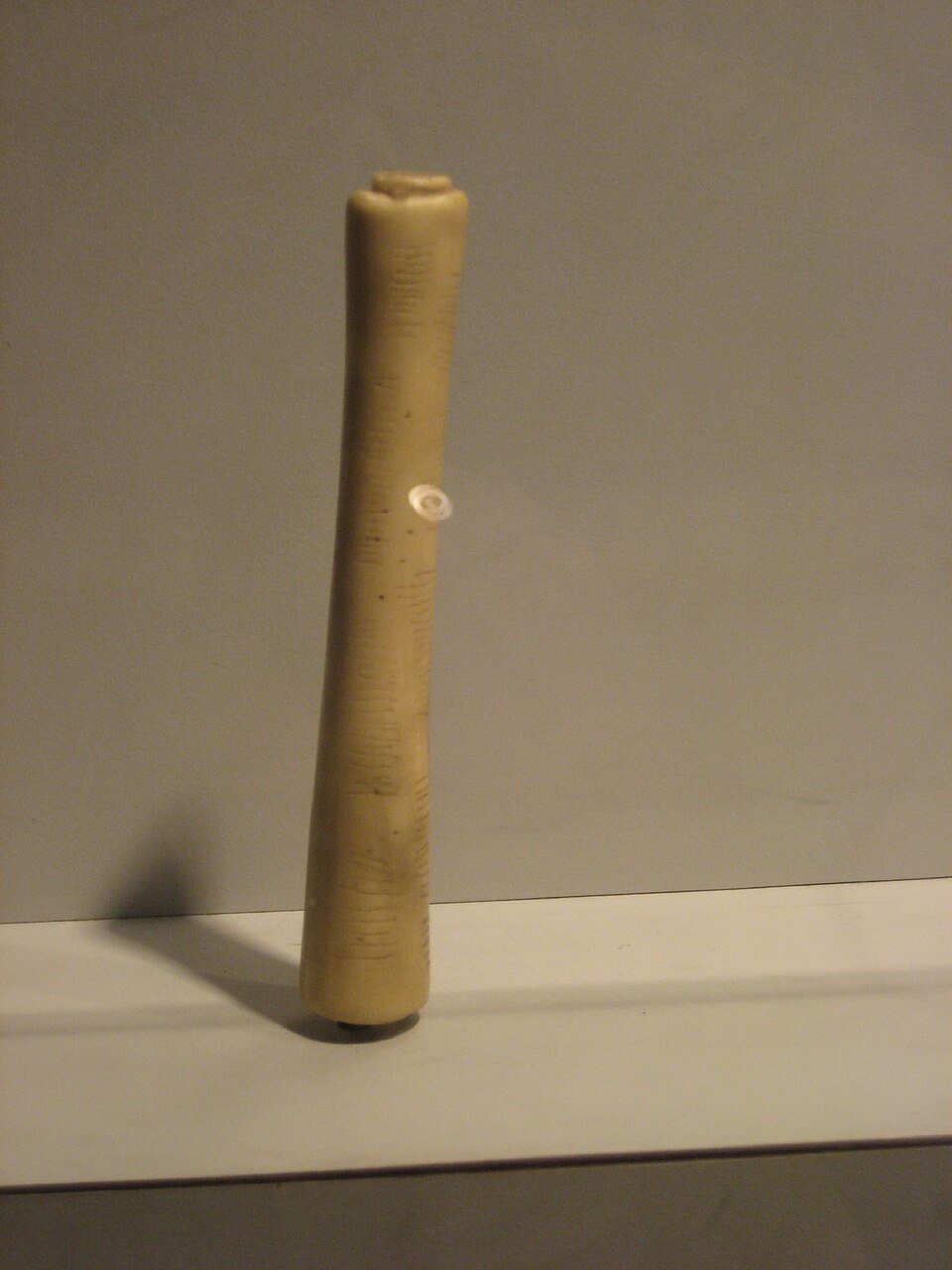
40. Interesting Number Paradox
There can’t be a smallest uninteresting number, because if it were the first uninteresting one, that fact would make it interesting. So every single number is interesting — starting with the ones that shouldn’t be.
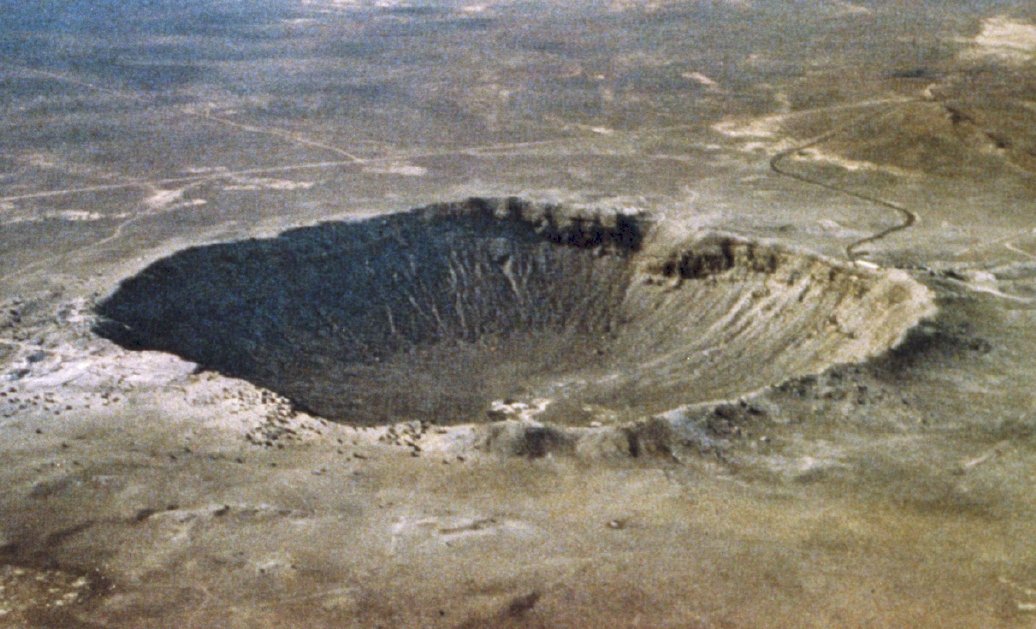
41. Irresistible Force Paradox
What happens when an unstoppable force meets an immovable object? The meeting can never happen — if it does, one of them wasn’t what it claimed to be, so the question disproves its own premises.
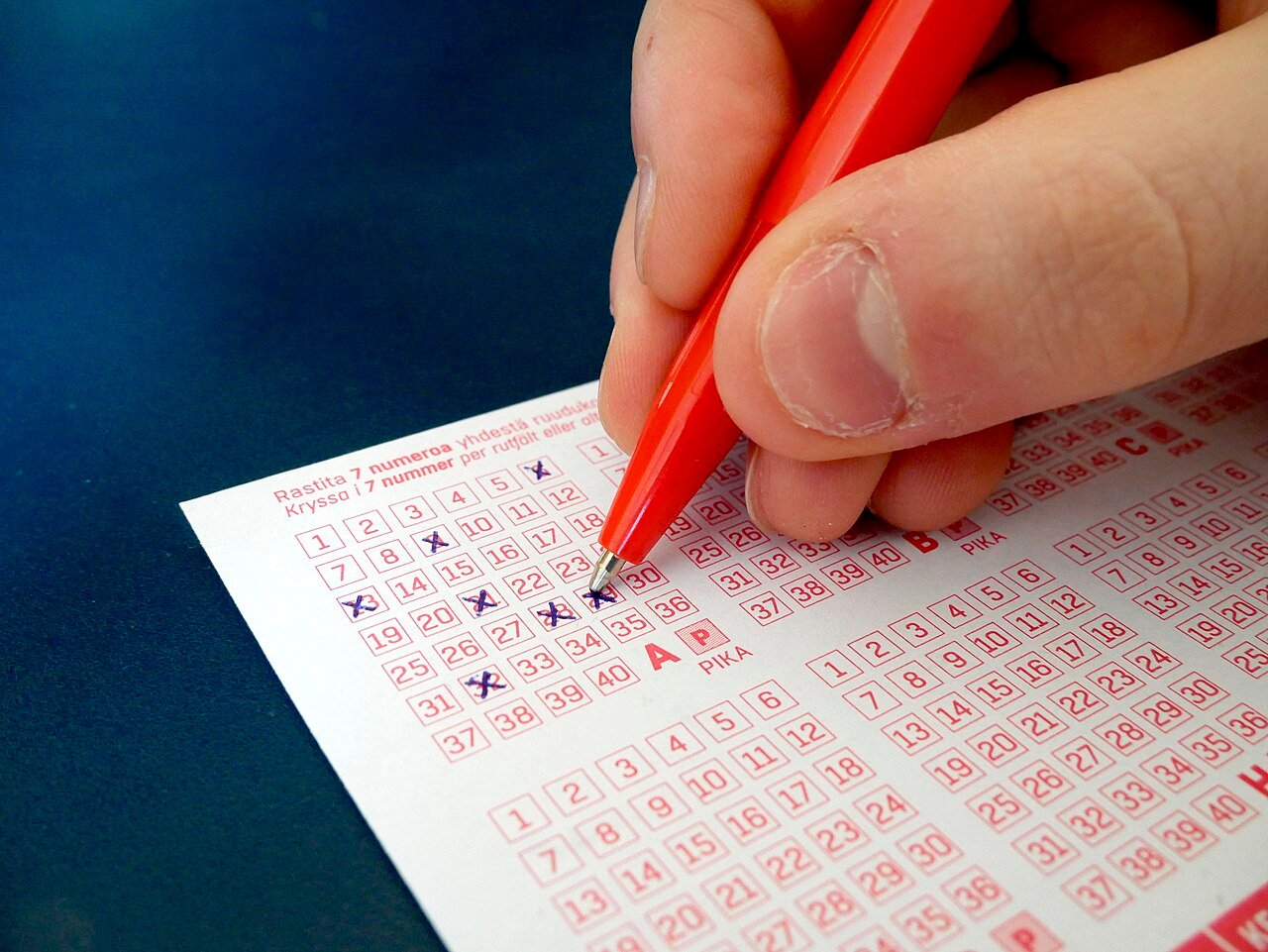
42. Lottery Paradox
If there is one winning ticket in a large lottery, it’s reasonable to believe of any particular ticket that it isn’t the winning one. But it is not reasonable to believe that no ticket will win — each denial is sensible, and the blanket denial can’t be.
43. Preparedness Paradox
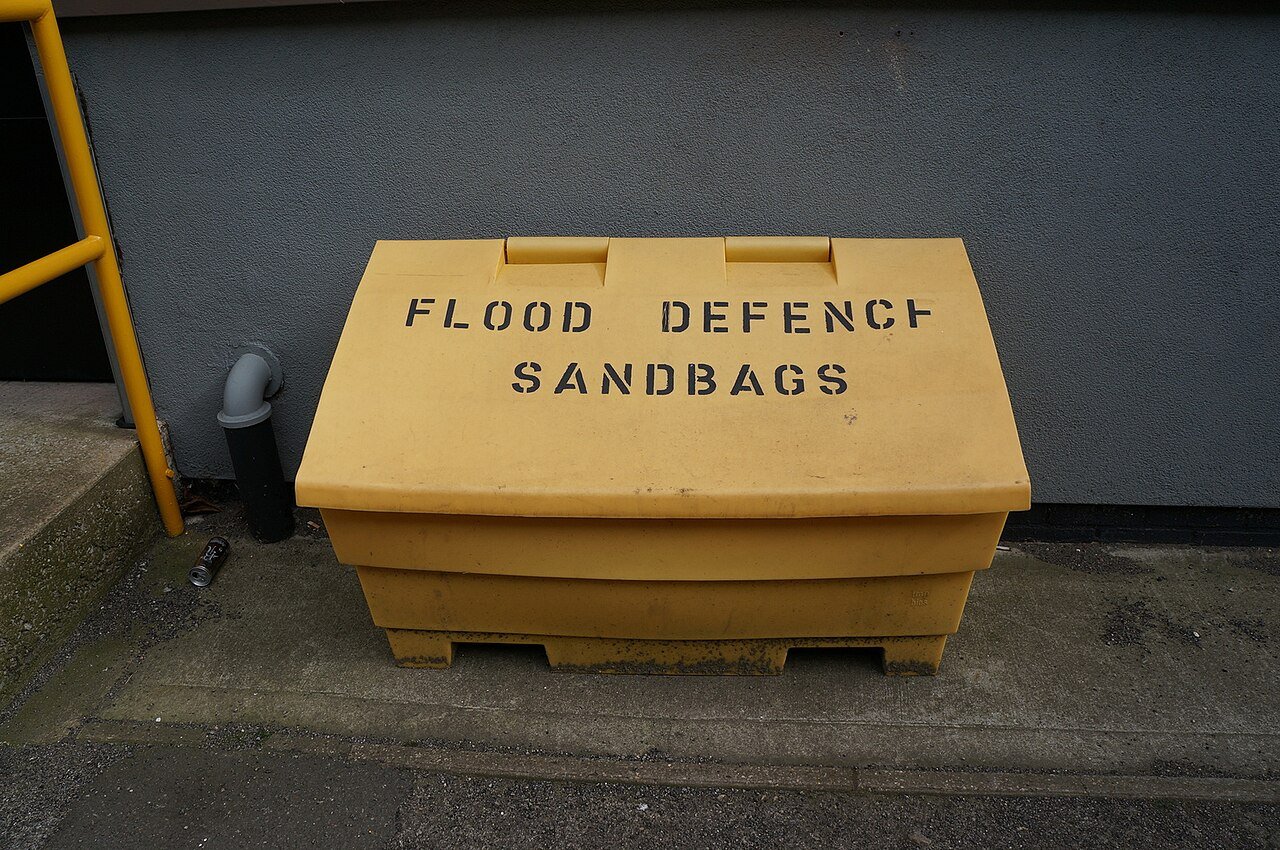
After preparing to avoid a catastrophe and lessening the damage, the perception of the catastrophe would be much less serious due to the limited damage caused. Success at prevention erases the evidence that the threat was real.
What Comes Next?
Paradoxes start clustering once you sort them. The self-reference knots — the liar, Pinocchio, the card — collapse because the sentence is busy evaluating itself. The infinity problems — Achilles, the dichotomy, the Grand Hotel — come from treating endlessness like a quantity you can finish. And the sorites, the millet grains, and the interesting-number puzzle attack the boundaries of words themselves.
The rest aren’t word games at all: thrift, enrichment, service recovery, and the ironic-process theory all show up in economies, ecosystems, customer service, and your own head. That’s the trick worth keeping. A paradox isn’t logic failing — it’s logic working perfectly on premises that were quietly impossible from the start.
Image Credits
- LargeTribarGotschuchenAustria by Samo Kupper — Public domain
- The Time Machine by Virgil Finlay 1 by Virgil Finlay — Public domain
- Achilles and the tortoise – Flickr – Uqbar is back by Uqbar is back from Milano, Italy — CC BY-SA 2.0
- Ship of Theseus at Roman Pool by Catherine Soehner from Salt Lake City, UT, USA — CC BY 2.0
- Mesquite Sand Dunes in Death Valley by Brocken Inaglory — CC BY-SA 3.0
- DSCF1083 Vintage red barber chairs in a rustic wooden shop waiting for the next customer by PattayaPatrol — CC BY-SA 4.0
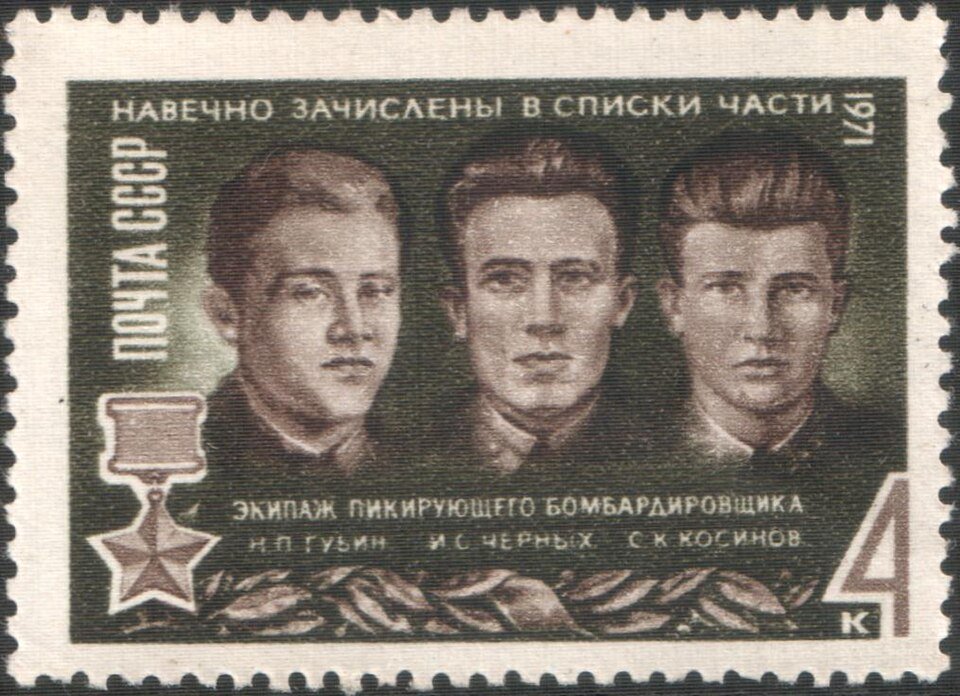
- The Soviet Union 1971 CPA 3976 stamp (World War II Heroes Nazar Gubin, Ivan Chernykh and Simon Kosinov (Dive-Bomber Crew)) by USSR Post — Public domain
- At Sardinia 2025 010 – Sardinia Radio Telescope by Photograph by Mike Peel (www.mikepeel.net). — CC BY-SA 4.0
- Double herm Chiaramonti Inv1395 by — CC BY 3.0
- Bar chart, historical book production by Olaf Simons — CC0
- Karl Popper (1902-1994), Nr. 104 bust (bronze) in the Arkadenhof of the University of Vienna-2479 by Hubertl — CC BY-SA 4.0
- Albert Einstein Head by Photograph by Orren Jack Turner, Princeton, N.J. Modified with Photoshop by PM_Poon and later by Dantadd. — Public domain
- James Stockdale Formal Portrait by U.S. Navy File Photo — Public domain
- PSM V11 D660 William Stanley Jevons by Unknown authorUnknown author — Public domain
- In the photo there is one Perseid, Milky Way and Andromega galaxy and light pollution on the horizon – Luhasoo bog in Estonia by Martin Mark — CC BY-SA 4.0
- Model 1925 Kenworth Truck Piggy Bank by Noah Wulf — CC BY-SA 4.0
- 054 Gallows Where Li Dazhao and Other Revolutionaries Were Hanged by Gary Lee Todd, Ph.D. — CC0
- Diamond (side view) by Pavel.Somov — CC BY 4.0
- Le avventure di Pinocchio-pag077 by Carlo Chiostri — Public domain
- Epicurus Massimo Inv197306 by — Public domain
- Cocodrilo del Nilo (Crocodylus niloticus), reserva natural Masái Mara, Kenia, 2024-05-20, DD 70 by Diego Delso — CC BY-SA 4.0
- Cawood sword – blade with inscription – YORYM 2007 3086 by York Museums Trust — CC BY-SA 4.0
- Portret van Zeno van Elea, RP-P-OB-17.264 by Rijksmuseum — CC0
- Archery Arrows Target WA 122cm by Wacky1976 — CC BY-SA 4.0
- David Hilbert, 1907 by Unknown authorUnknown author — Public domain
- Valentin de Boulogne – Soldiers Playing Cards and Dice (The Cheats) by Valentin de Boulogne — Public domain
- The Wolf That Cried Boy (4377025204) by Eric Kilby from Somerville, MA, USA — CC BY-SA 2.0
- Millet grains sold at Kargil Bazaar by Rajani Gairshail — CC BY-SA 4.0
- Boltzmann-3 by Unknown artist — Public domain
- Algal bloom in Lake Erie, Kelley’s Island (8740853491) by NOAA Great Lakes Environmental Research Laboratory — CC BY-SA 2.0
- Call center PV by Kellie Walenciak — CC BY-SA 4.0
- “Ivy Mike” Nuclear test by Ravenator52 — CC BY-SA 4.0
- Sections of brain, sagittel and coronal. Wellcome L0002043 by Unknown artist — CC BY 4.0
- Aisle in L Intermarche supermarket in Quebec City by Wilfredor — CC BY-SA 4.0
- Italy – birthday cake with candles 3 by Francesca Cesa Bianchi, Milano — CC BY-SA 3.0 it
- Schrodinger cat in box by ADA Neagoe — CC BY-SA 3.0
- LaFlamme brothers- Identical twins, identical Air Force careers (4983153) by U.S. Air Force photo by Airman 1st Class Valerie Seelye — Public domain
- Social network characteristics diagram by Örjan Bodin, María Mancilla García, and Garry Robins — CC BY 4.0
- Corvus corax (Common Raven), Yosemite NP, CA, US – Diliff by Diliff — CC BY-SA 3.0
- Medical mercury thermometer with velvet-lined cardboard box – focus stack (2020-05-25) by Franz van Duns — CC BY-SA 4.0
- Ishango Bone by Claire H. — CC BY-SA 2.0
- Barringer Meteor Crater, Arizona by D. Roddy, U.S. Geological Survey — Public domain
- Filling lottery ticket 20180215 by Santeri Viinamäki — CC BY-SA 4.0
- Flood defence sandbags on Tadman Street, Hull – geograph.org.uk – 4403717 by Ian S — CC BY-SA 2.0






).jpg)


