
Every Martial Art Explained
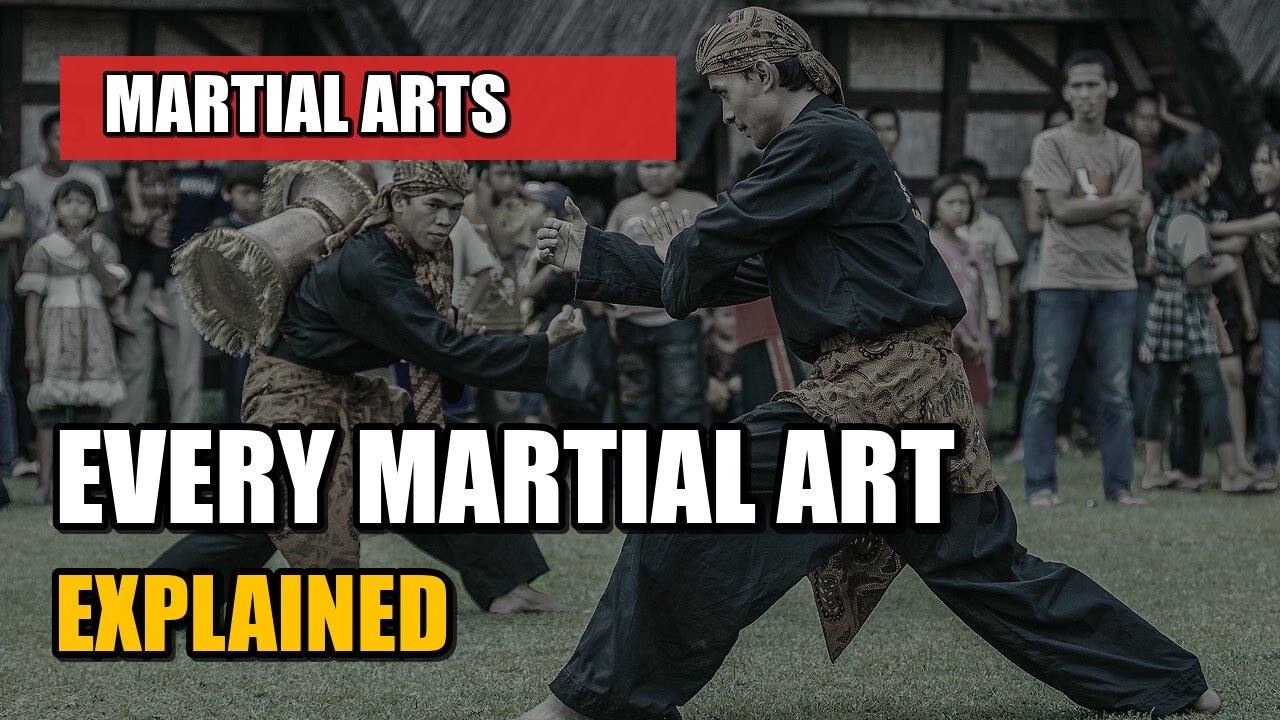
Karate, taekwondo, judo, capoeira — every martial art on this list answers the same question differently: how should a person fight? The Paint Explainer walks through twenty-four of them, one chapter per art.
From the eight limbs of Muay Thai to a Russian art built on breathing, here is every martial art in the video, in order, and what makes each one distinct.
1. Karate
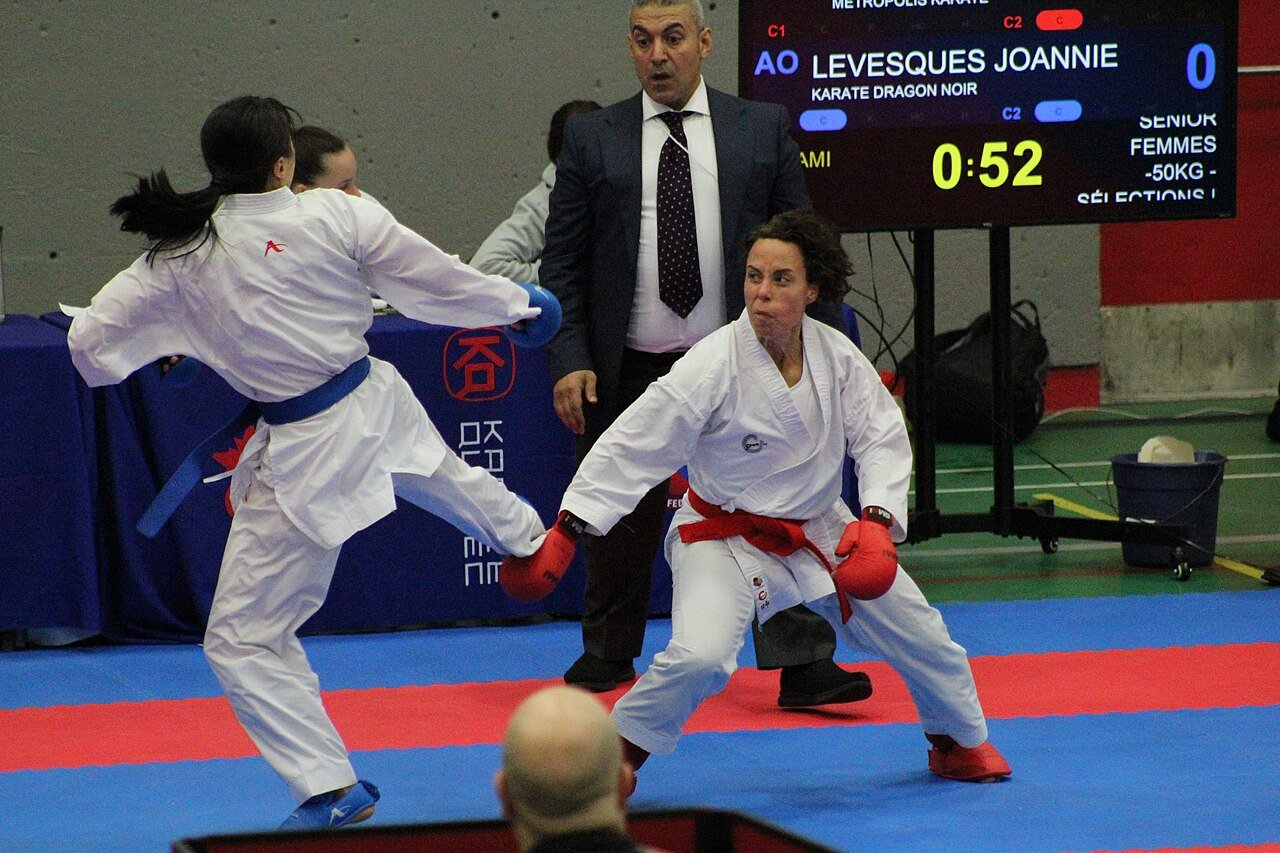
Karate originated in the Ryukyu Kingdom, now part of Japan, with influences from Chinese kung fu. Its various styles share striking techniques — punching, kicking, knee strikes, and elbow strikes, along with open-hand moves like the knife hand. The philosophy pairs physical training with mental discipline and moral character, built through forms, sparring, and self-defense, and graded with the classic belt system that runs from white to black.
2. Taekwondo
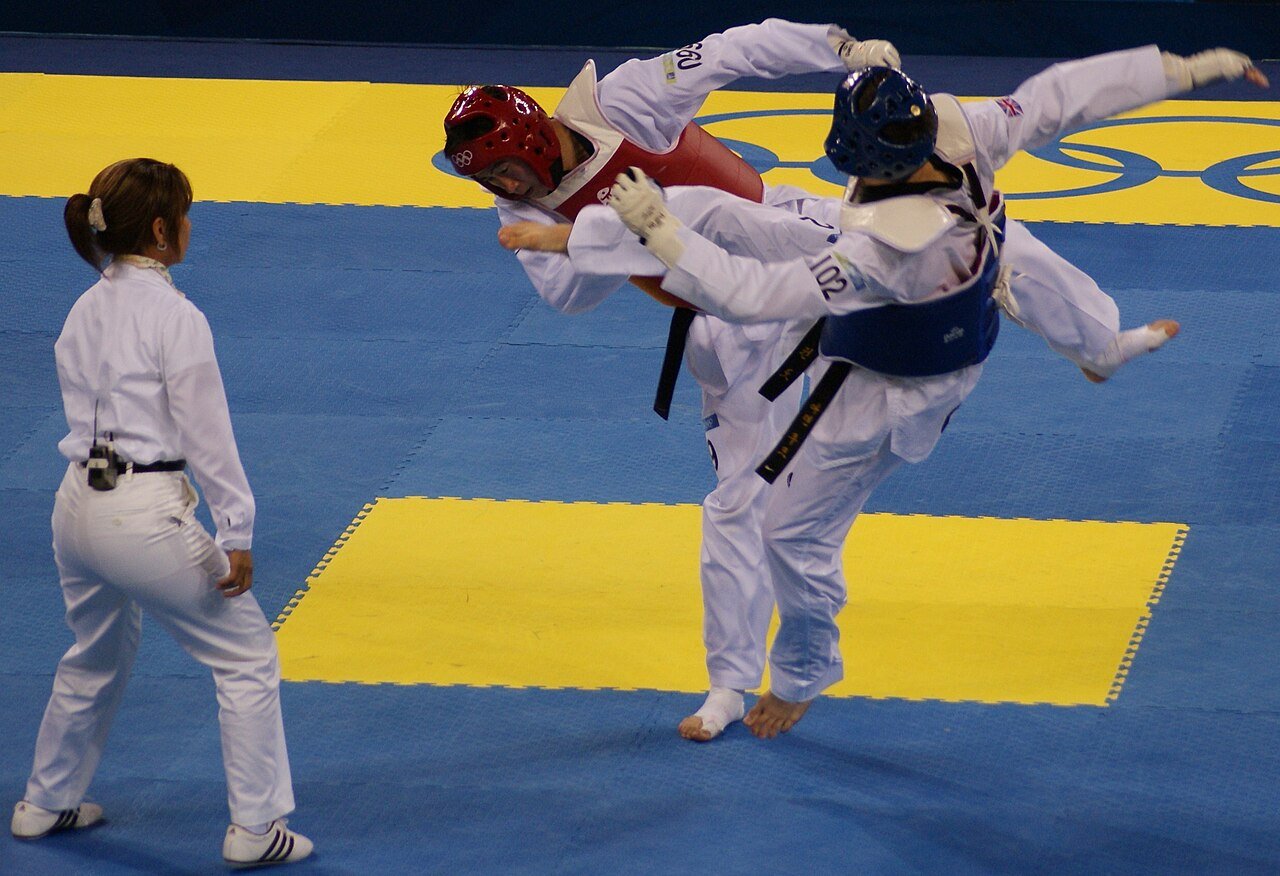
Taekwondo is a Korean martial art famous for its high kicks and fast kicks. Just like karate, it aims to unite body, mind, and life — and in doing so, to promote peace. It is recognized for head-height kicks, jumping and spinning kicks, the fast techniques movie actors love for their flashy style, and it became an Olympic sport in 2000.
3. Aikido
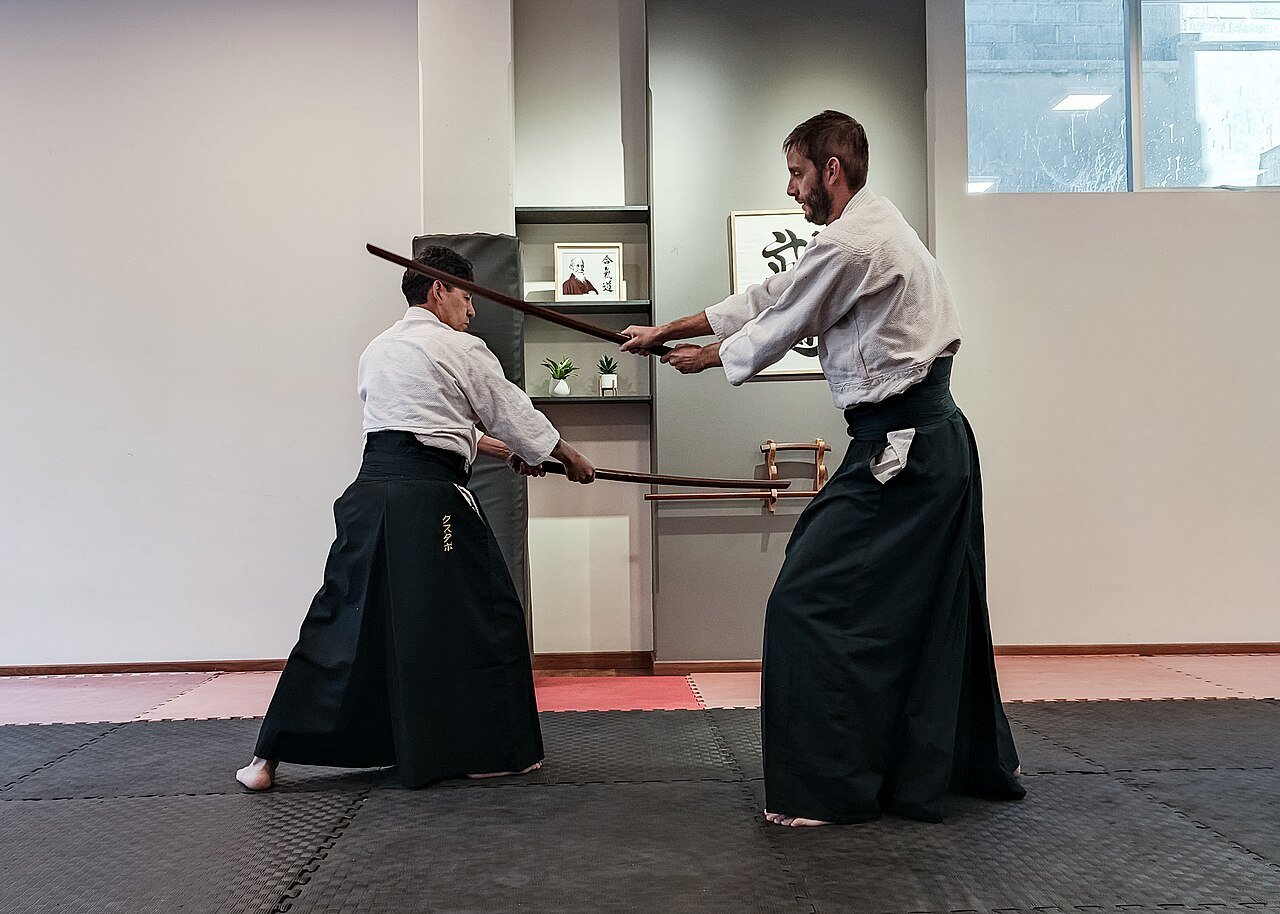
Developed in the early 20th century in Japan, aikido’s name means the way of harmony with the spirit. It focuses on using an opponent’s momentum and movements against them, redirecting attacks rather than confronting them with force, through throws, joint locks, and control of aggression. It is now practiced in over 140 countries — and it separates itself from other striking arts by letting practitioners wear baggy clothes that can be gripped for those throws.
4. Muay Thai
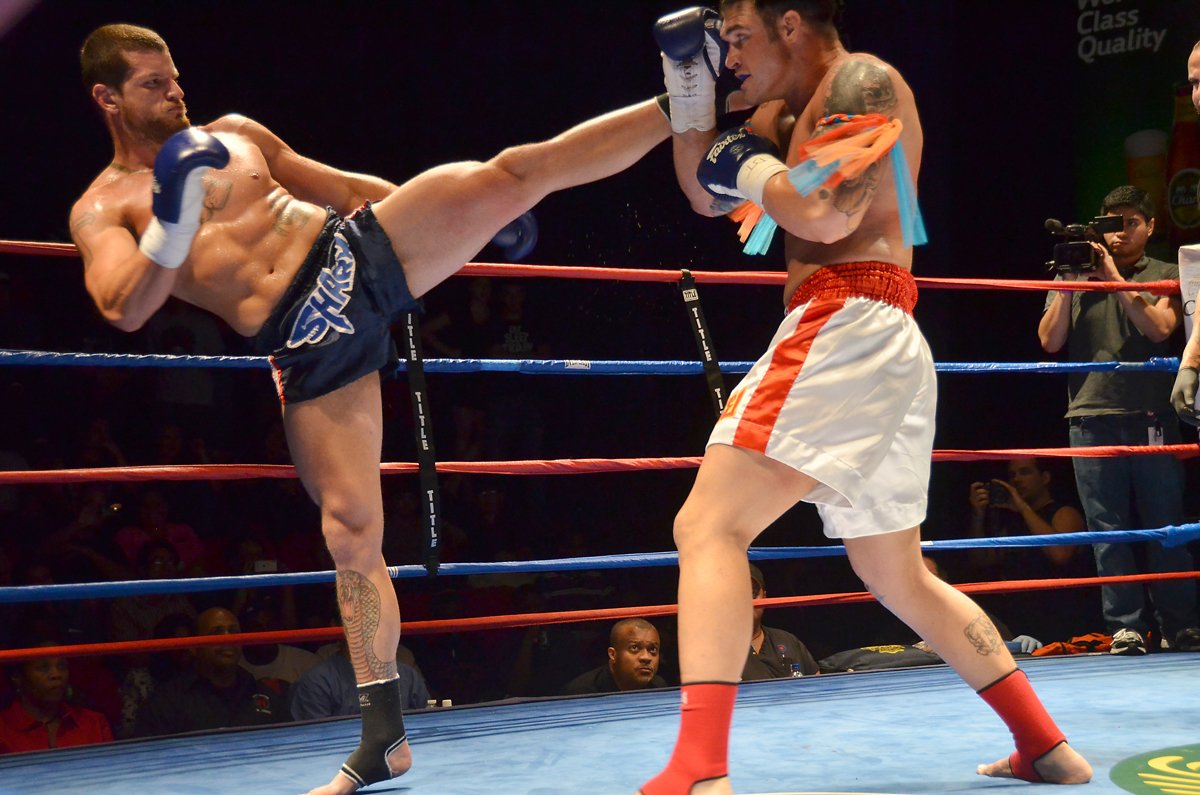
Muay Thai is known as the art of eight limbs, utilizing fists, elbows, knees, and shins for striking, making it a feared and brutal stand-up fighting technique. Originating from Thailand, it has deep historical and cultural significance. Training includes heavy physical conditioning — even hitting the bones with hard sticks — mental discipline, and above all respect for other fighters.
Fights end with two fighters bowing and kneeling to each other, showing respect no matter who won, and fighters often wear bracelets on their arms, a tradition that comes from Thailand.
5. Judo
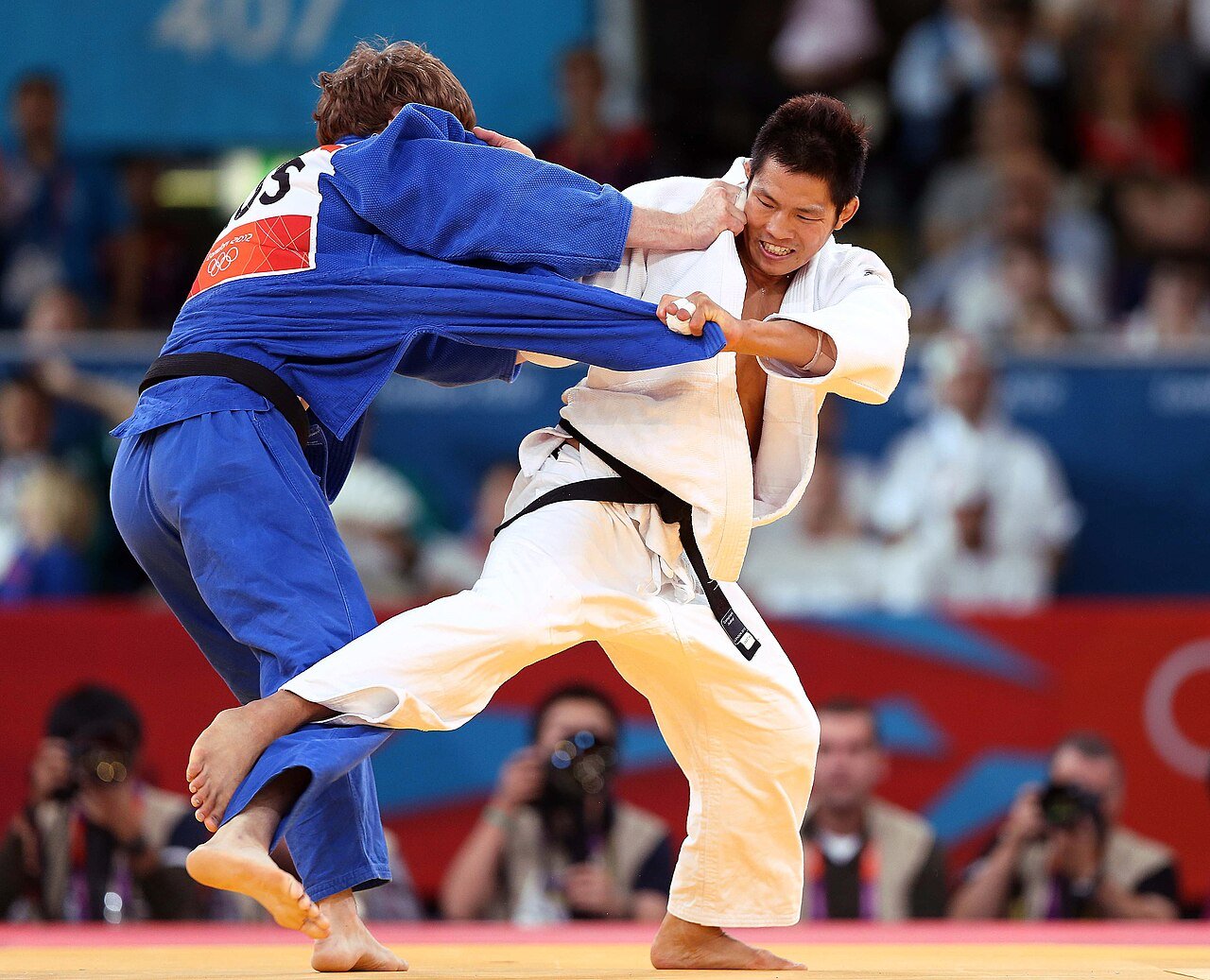
Judo focuses on throws and ground techniques including pins, joint locks, and chokes, developed by Jigoro Kano in Japan. It emphasizes the principle of maximum efficiency, minimum effort, using leverage and balance to defeat stronger opponents. It is both a competitive sport and a means of self-defense, and like aikido it involves training with baggy clothes.
6. Jiu-jitsu
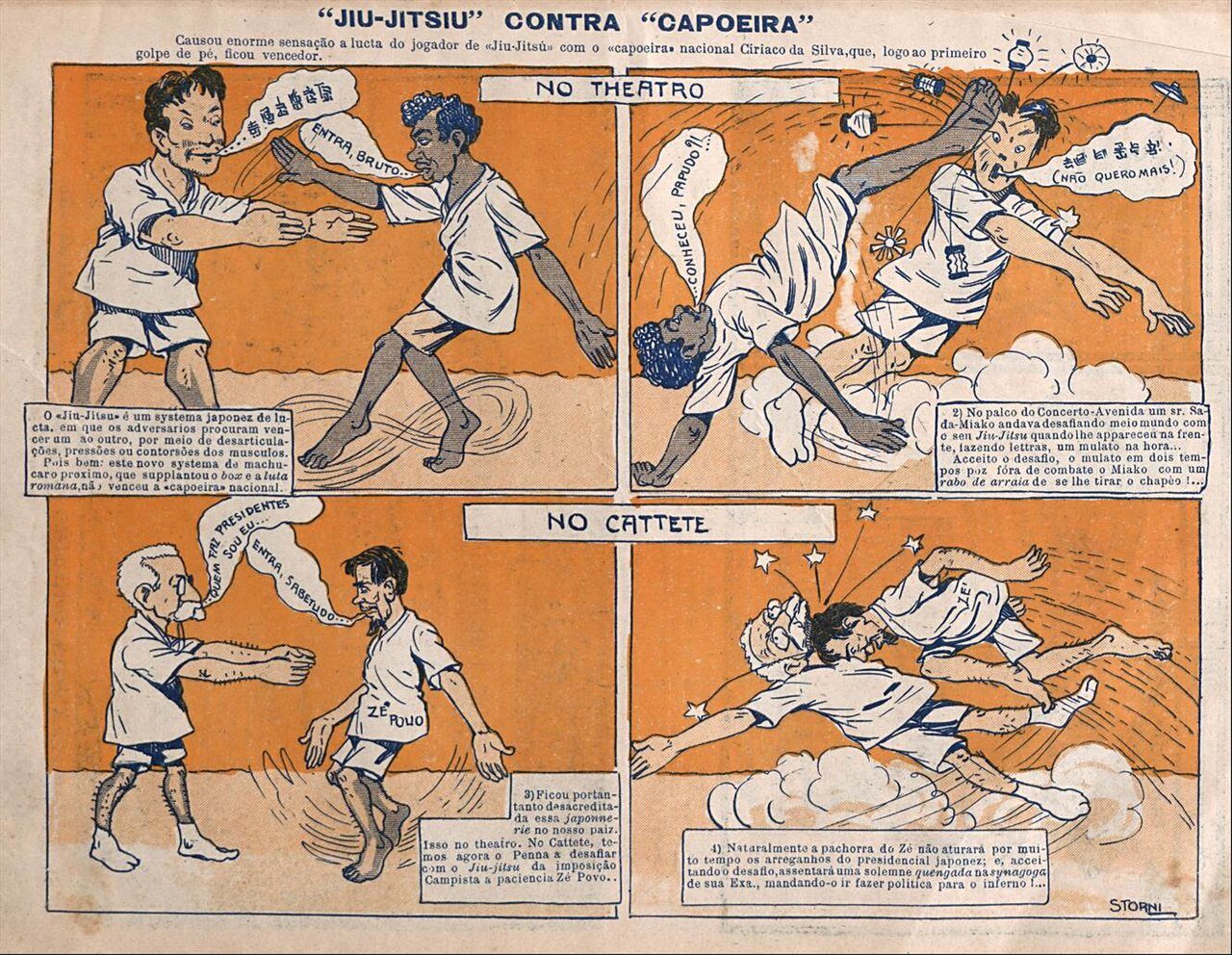
Jiu-jitsu focuses on close combat, armed or unarmed, and its core philosophy is to manipulate the opponent’s force against themselves rather than confronting it with one’s own — which is why its name means the yielding art.
It was developed to combat the samurai of feudal Japan, where fighting armed and armored opponents without weapons meant strikes were useless, so practitioners turned to pins, joint locks, and throws, using the attacker’s energy against them. Students are sometimes taught potentially fatal or crippling moves, practiced with careful break-falling skills so dangerous throws can be drilled safely.
7. Brazilian Jiu-Jitsu
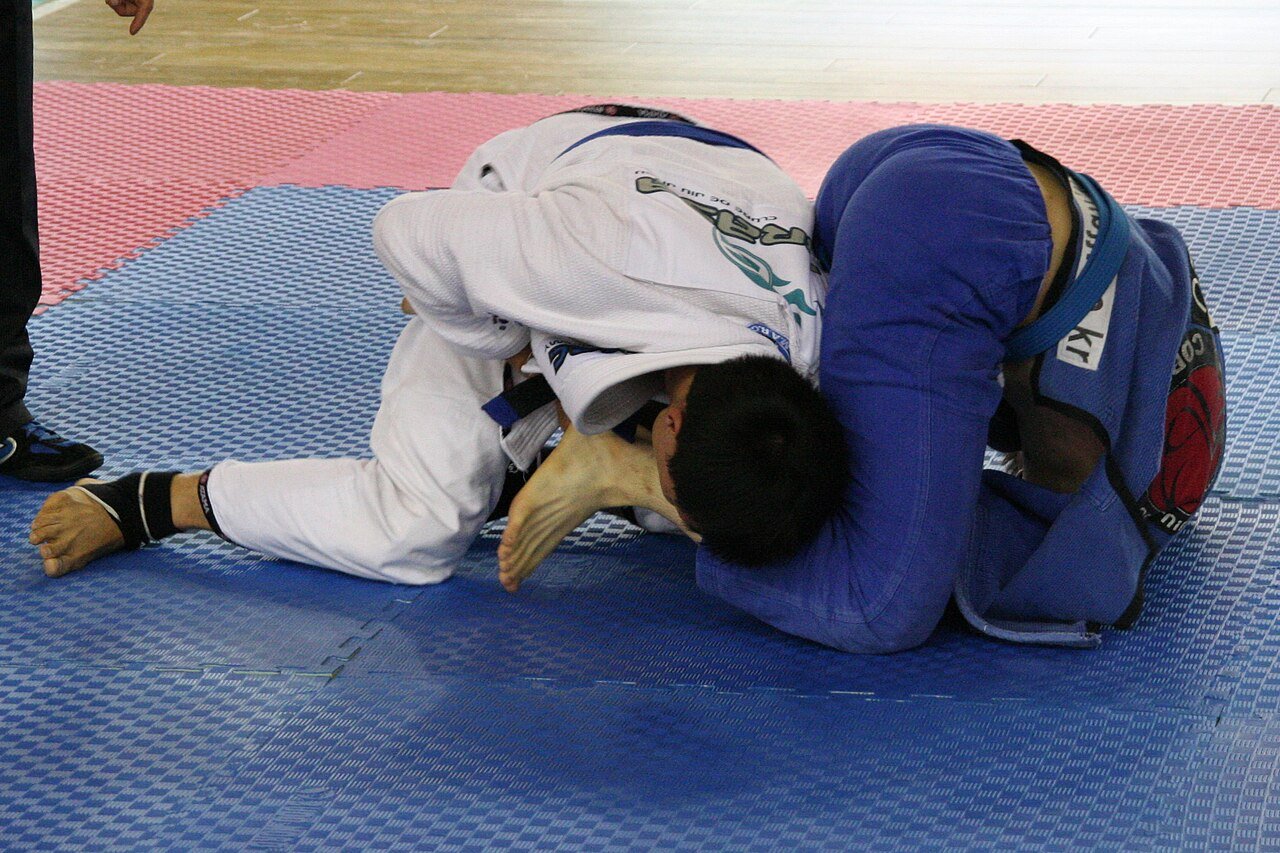
Brazilian jiu-jitsu specializes in ground fighting and grappling. Fights usually start from the ground, with a focus on gaining a dominant position and forcing an opponent to submit via joint locks or choke holds. It was first developed by a Brazilian family after they were taught a hybrid of traditional Japanese jiu-jitsu and Kodokan judo by a traveling Japanese judoka, and it kept evolving through generations.
What makes it unique is that it uses the opponent’s own strength and weight against them, allowing smaller fighters to take down bigger ones — rare in martial arts — which made it famous for its effectiveness in mixed martial arts.
8. Kung Fu
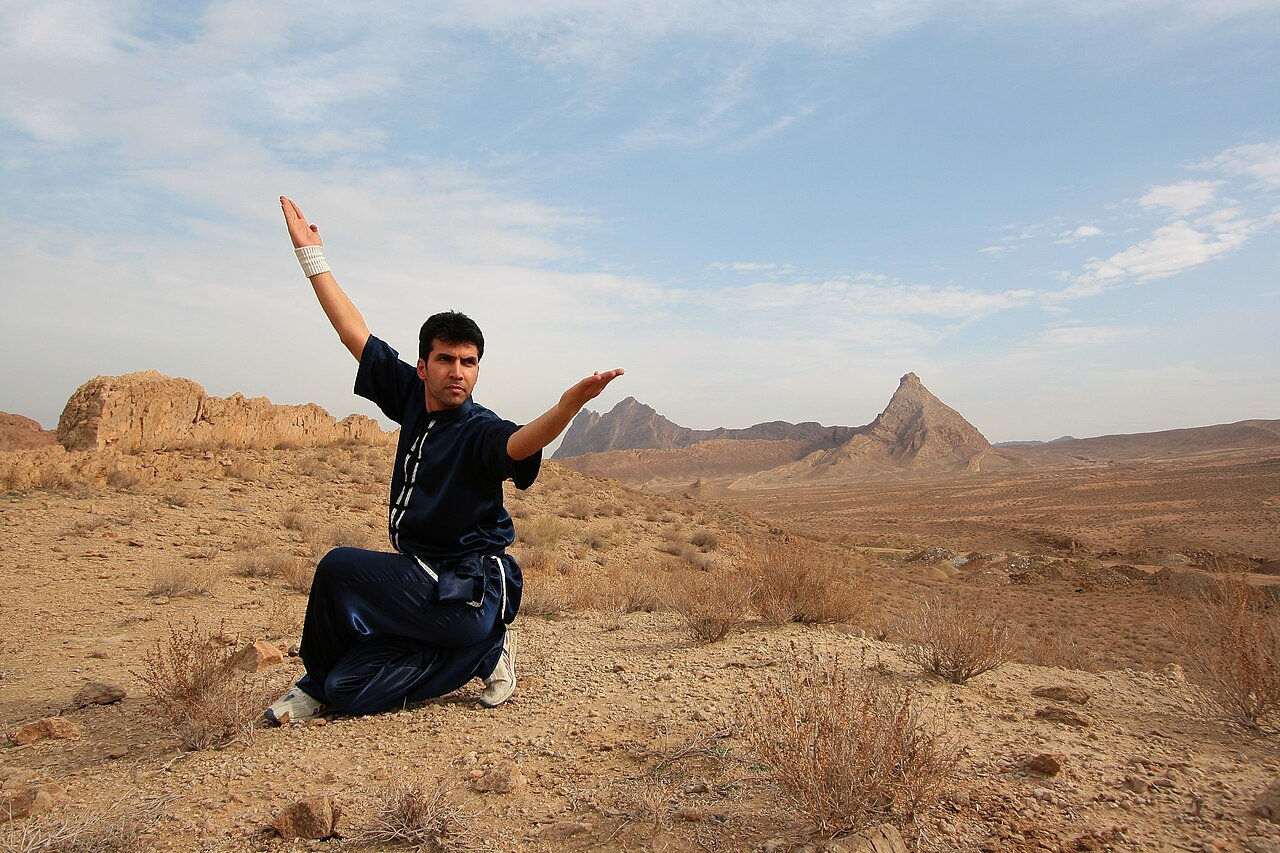
Kung fu is a collective term for the various schools of Chinese martial arts, showcasing a rich variety of techniques and philosophies. Its origins stretch back to ancient China, making it one of the oldest martial arts, developed not just as combat but as a means of spiritual growth. Some styles mimic the movements of animals, while others are inspired by Chinese philosophical concepts or historical figures, and it includes dance-like movements and training with traditional weapons.
9. Krav Maga
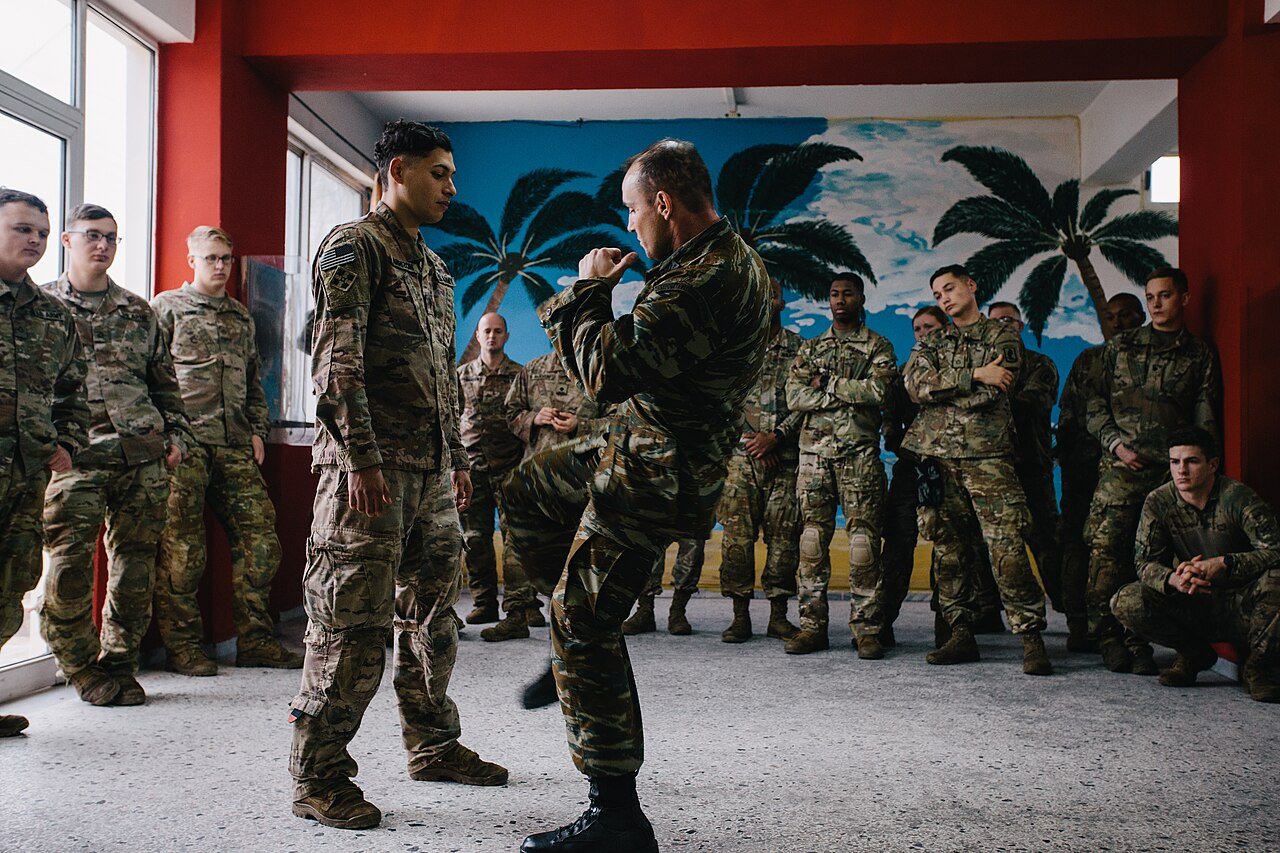
Krav Maga is a practical self-defense system developed for the Israeli military, focusing on efficiency and instinctive movements designed for real-world situations. It combines techniques from boxing, wrestling, aikido, judo, and karate — and uses moves that would be considered illegal in sport, like eye pokes or biting, to neutralize threats quickly, including knife and gun attacks.
Because of those obvious dangers there are no Krav Maga competitions: it is said that for a competition you need rules, and with rules it is no longer Krav Maga. Training focuses on awareness, aggression, and preparing individuals for the unpredictability of war.
10. Capoeira
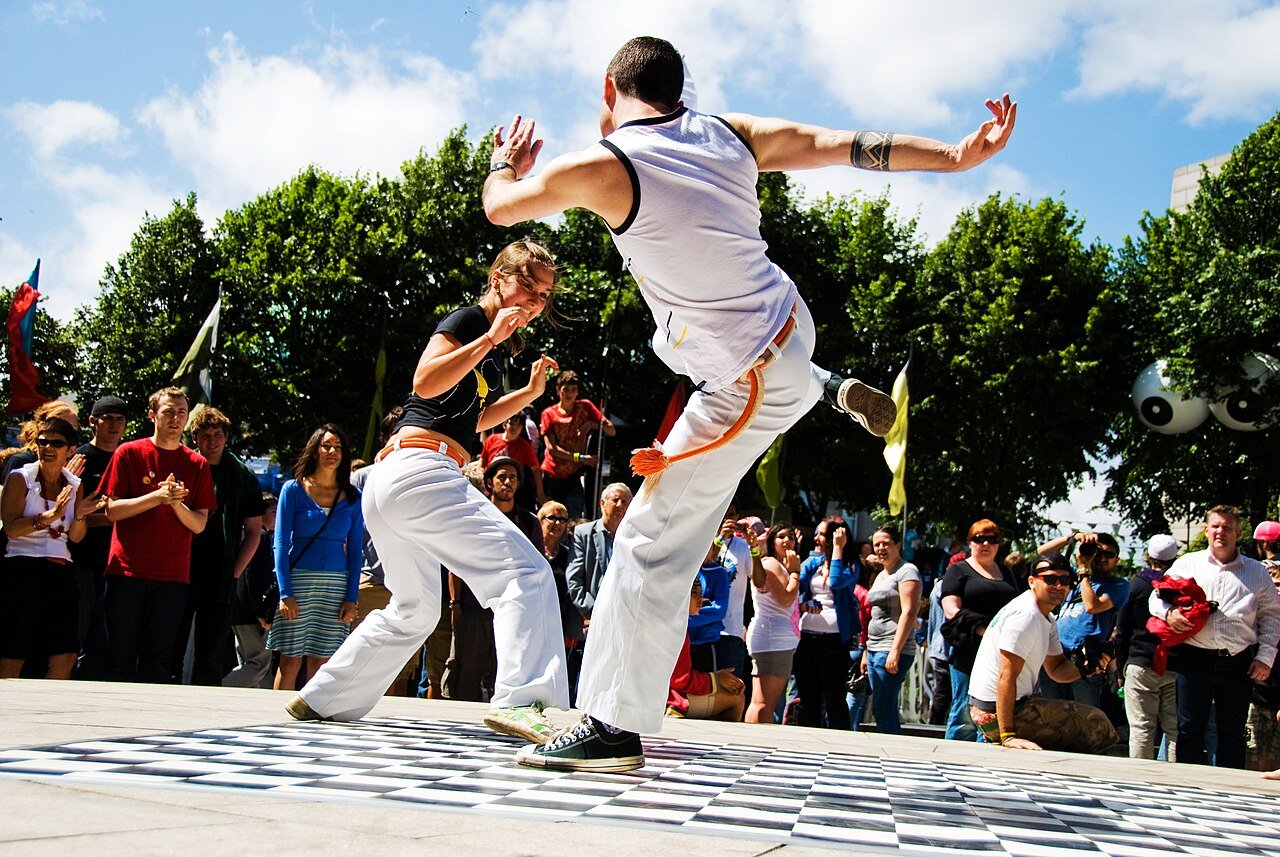
Capoeira is an Afro-Brazilian martial art that combines elements of dance, acrobatics, and music, developed by African slaves in Brazil. It was disguised as a dance so it could be practiced without detection by slave owners. It is known for quick and complex maneuvers, using power, speed, and leverage for a wide variety of kicks and spins, while training promotes physical fitness, rhythm, and creativity.
11. Wing Chun
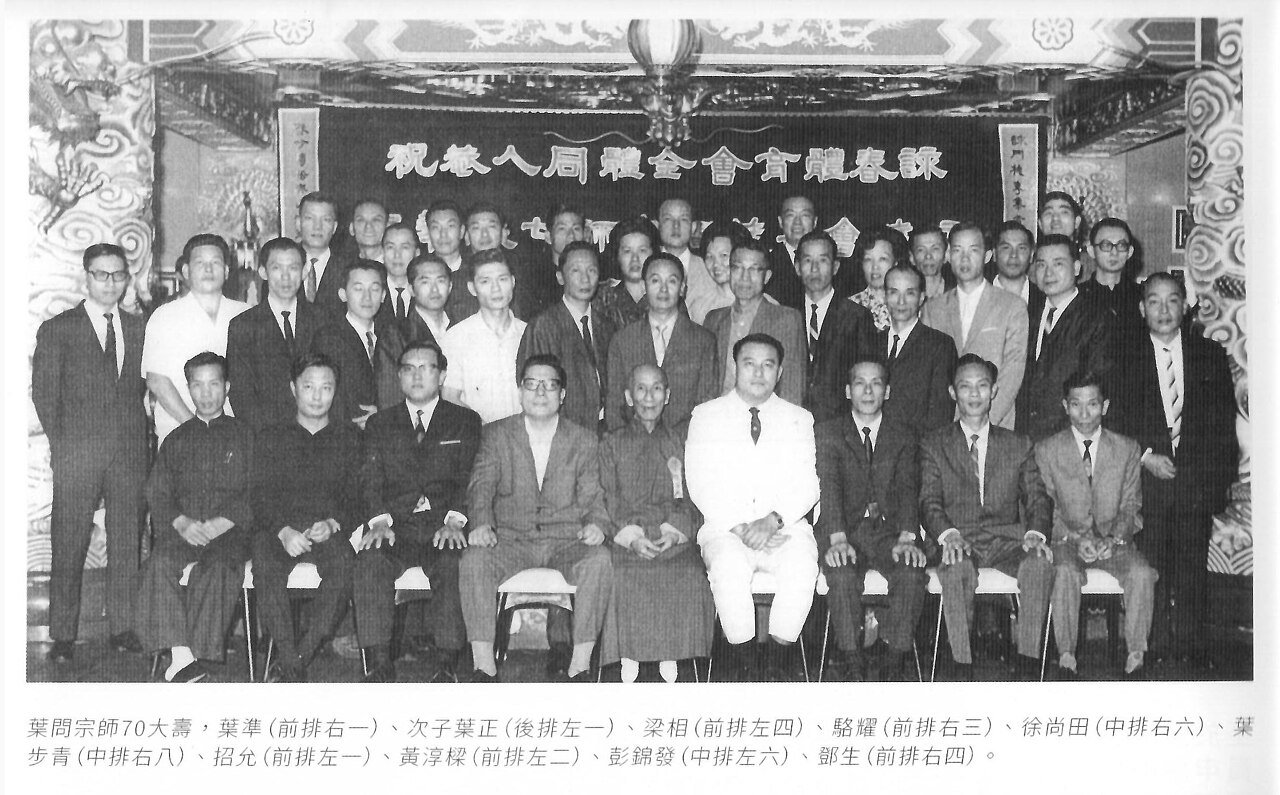
Wing Chun is a style of kung fu known for close-range combat and very quick punches, developed in southern China. Its techniques focus on efficiency and simplicity, using stance and structure to generate power. Practitioners aim to control the center line, the most direct route to an opponent, and its rapid punches make it effective for self-defense in tight spaces.
12. Boxing
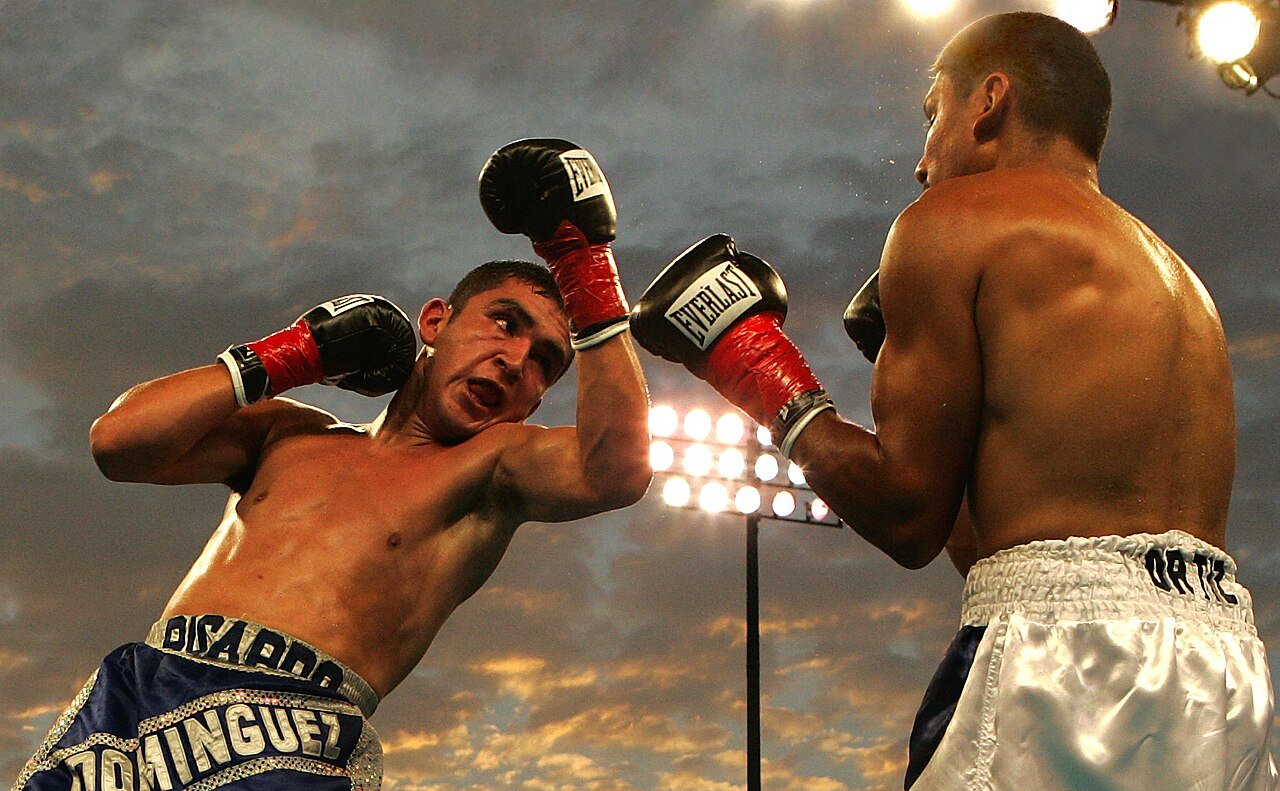
Boxing is often called the sweet science, or the art of hitting and not getting hit. It is a combat sport focusing on punch combinations, footwork, and head movement, originating from ancient civilizations and evolving into the modern sport governed by the Marquis of Queensberry rules. It is also known as the best-paying martial art, often letting good boxers earn big percentages of the money where other martial artists would only make a little, enough for a decent boxer to live off boxing income alone.
13. Kickboxing
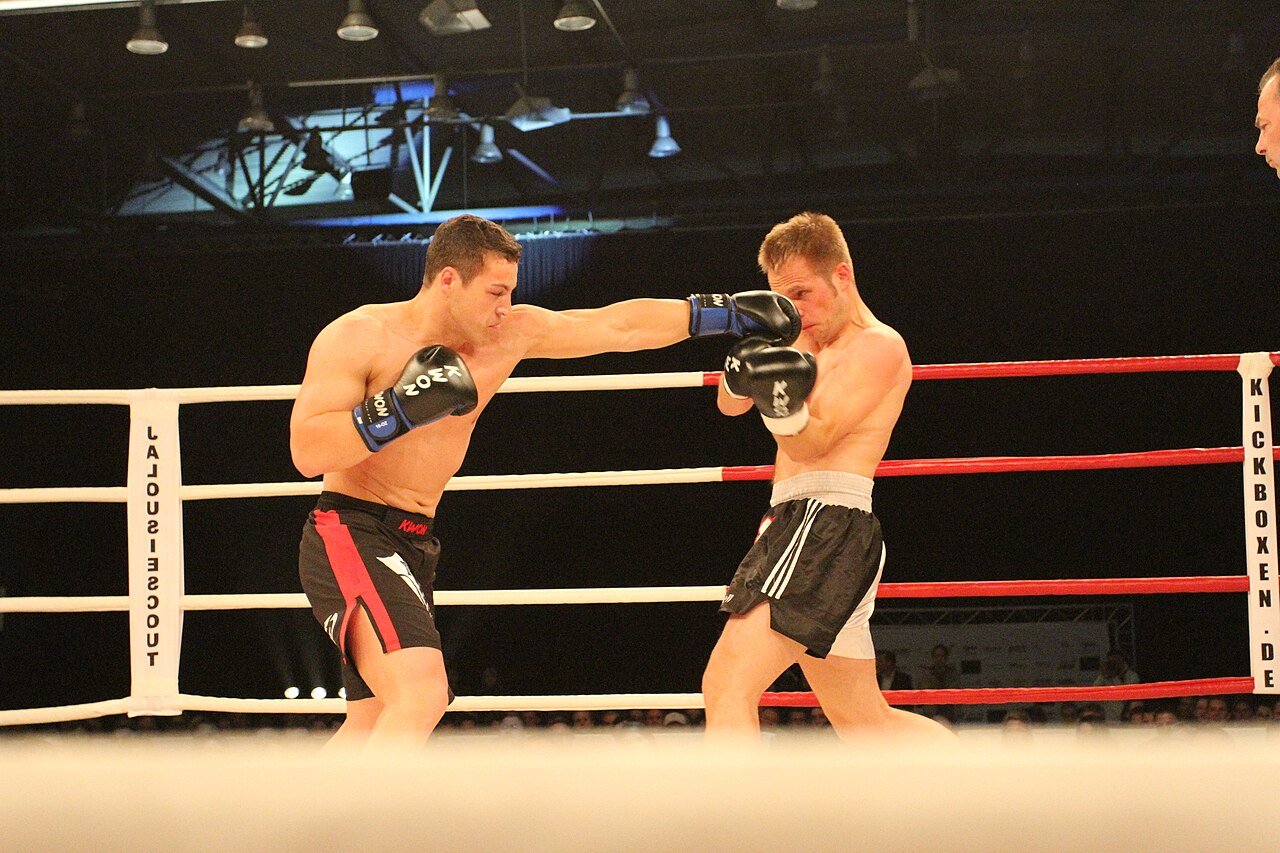
Kickboxing originated in the mid-20th century, combining elements of traditional karate with Western boxing into a dynamic striking martial art. It was developed as practitioners from different martial backgrounds sought to compete under common rules, allowing punches, kicks, knees, and occasionally elbows. It is usually considered boxing with kicks, just like its name suggests.
14. Sambo
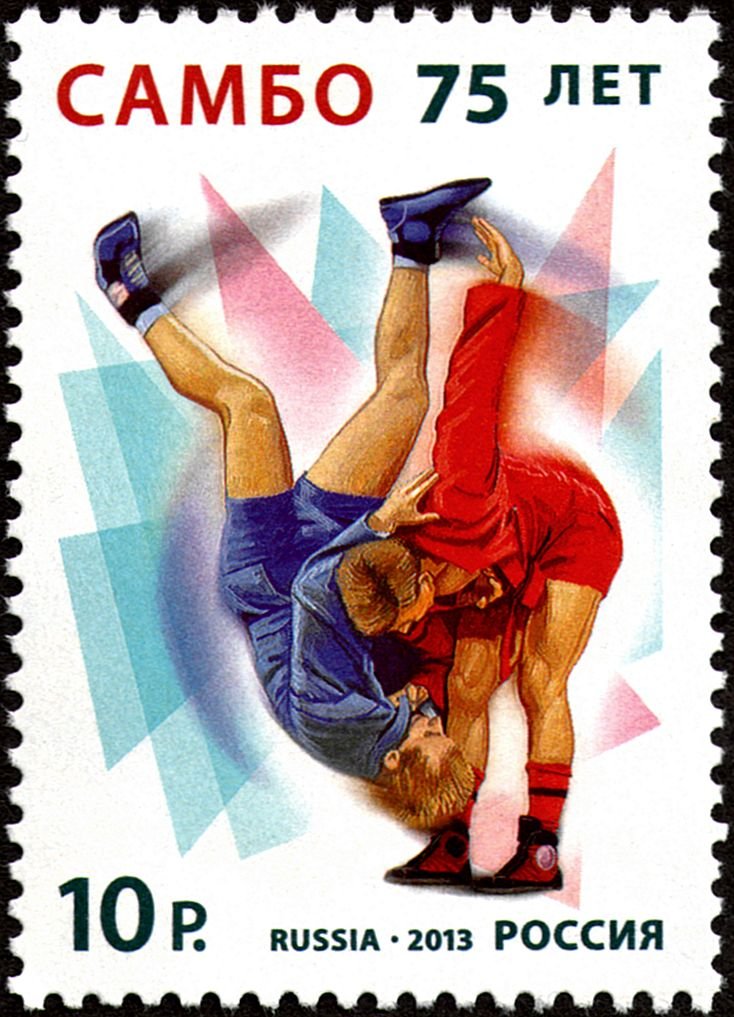
Sambo is a Soviet-developed combat sport and martial art that includes judo, wrestling, and traditional Russian fighting techniques, aiming at both self-defense and sports competition. Practitioners master throws like aikido, joint locks like jiu-jitsu, and ground control tactics like wrestling, with quick transitions from standing to ground positions for versatile encounters.
A combat style of sambo allows regular punches, kicks, elbows, and knees — as well as soccer kicks, headbutts, and groin strikes — everything except standing and flying wrist bars.
15. Silat
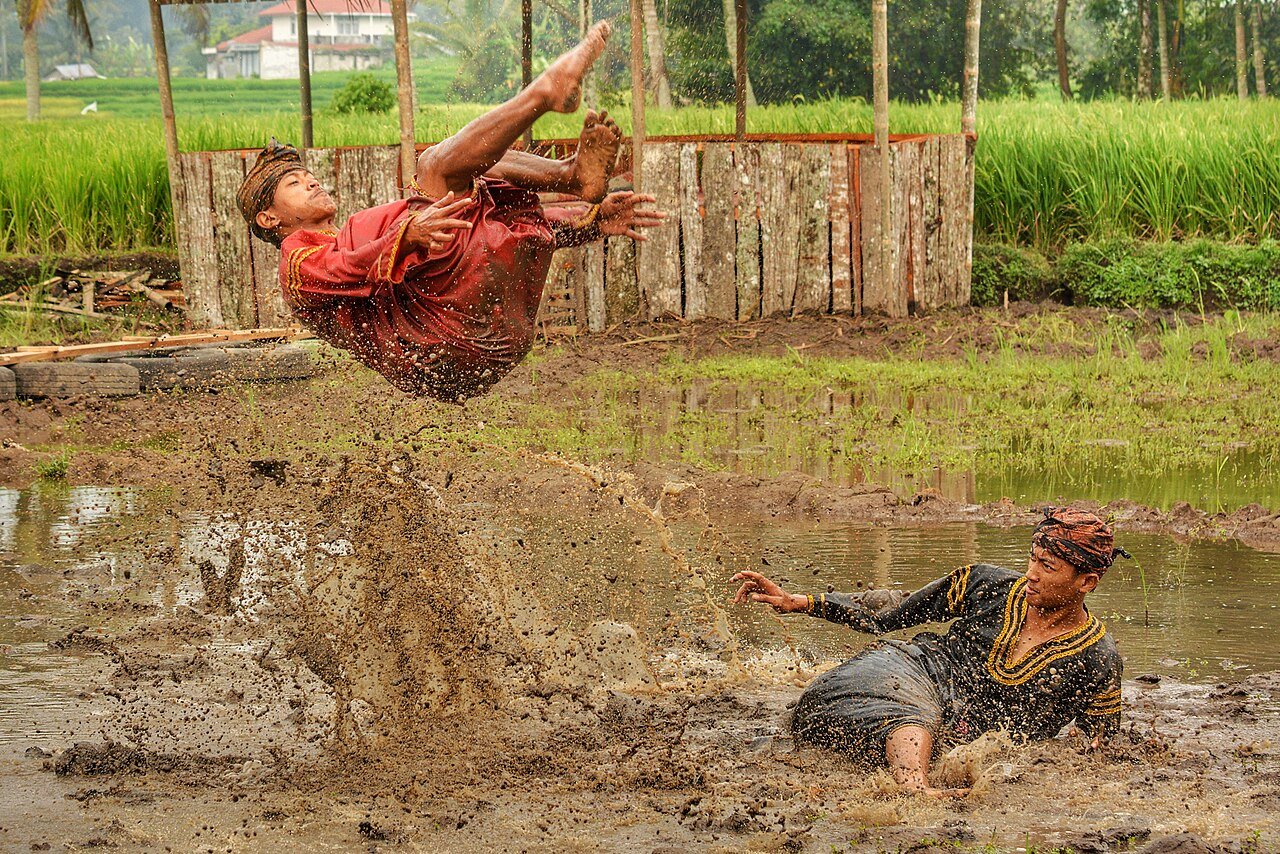
Silat refers to a class of martial arts from Southeast Asia, particularly Indonesia, Malaysia, and the Philippines, known for fluid movements and the incorporation of weapons and animal-inspired techniques. Training includes strikes, grappling, and weaponry, and practitioners called pesilat learn to blend offensive and defensive maneuvers seamlessly, often within dance-like forms that disguise the martial aspect of their movements.
16. Taichi
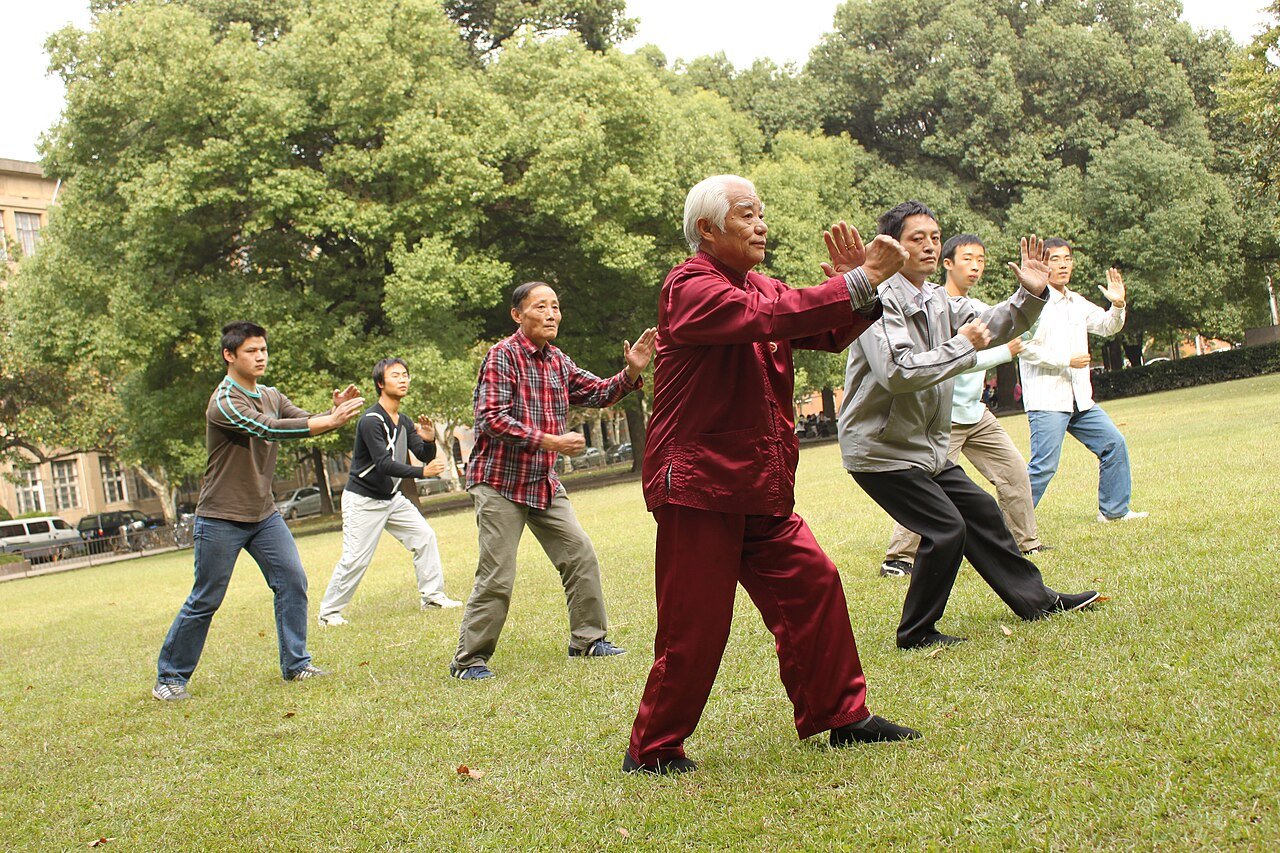
Taichi, often spelled tai chi, is a Chinese martial art practiced for health benefits. It uses slow, flowing movements and deep breathing, promoting calmness, balance, and flexibility. Originally conceived as a fighting form, its techniques include push hands and combat applications, but many practice it today as a means of stress reduction and exercise, focusing on the harmonious circulation of internal energy.
17. Savate
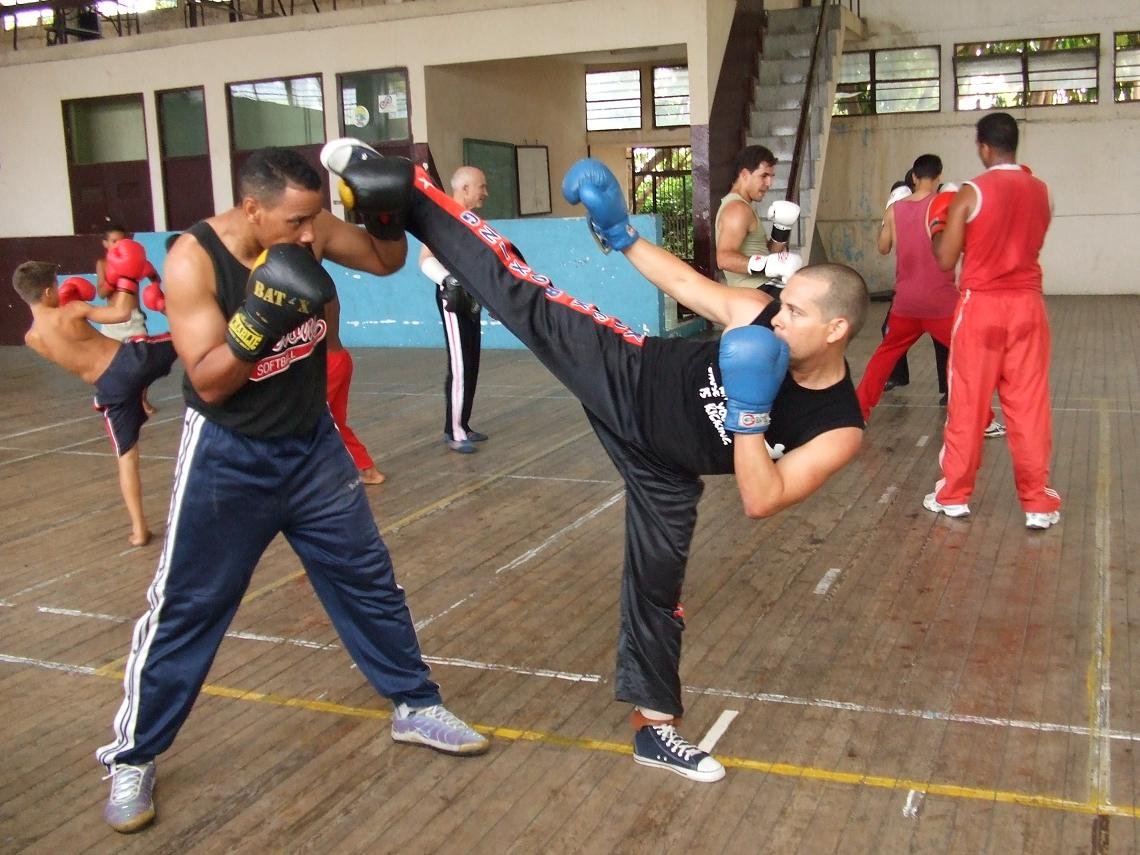
Savate, also known as French boxing, is a martial art that combines Western boxing with graceful kicking techniques, similar to kickboxing and Muay Thai — except savate kicks must strike with the shoe, while Thai boxing and kickboxing use the shin and swing the leg differently.
Originating in France, practitioners called savateurs wear specially designed shoes and engage in a sport that prizes precision and agility, with techniques built from street-fighting skills. Training emphasizes mobility, accuracy, and tactical finesse.
18. Eskrima
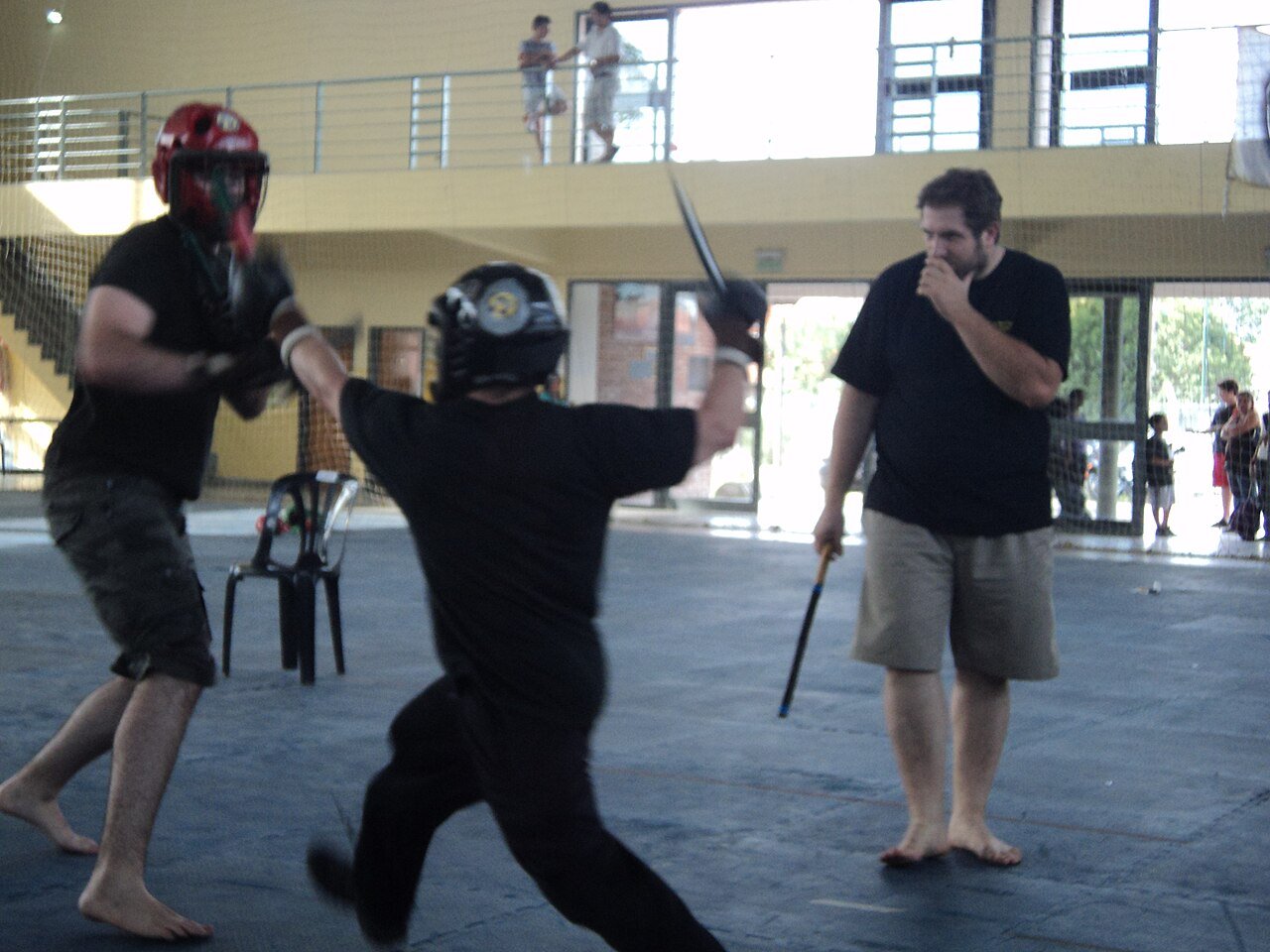
Eskrima, also known as arnis or kali, is a Filipino martial art famed for its weapon-based fighting, particularly sticks, knives, and other bladed instruments. It also includes hand-to-hand combat, joint locks, grappling, and weapon-disarming techniques. Training often begins with weapons to build coordination and flow, which are then applied to unarmed combat.
19. Kyokushin Karate
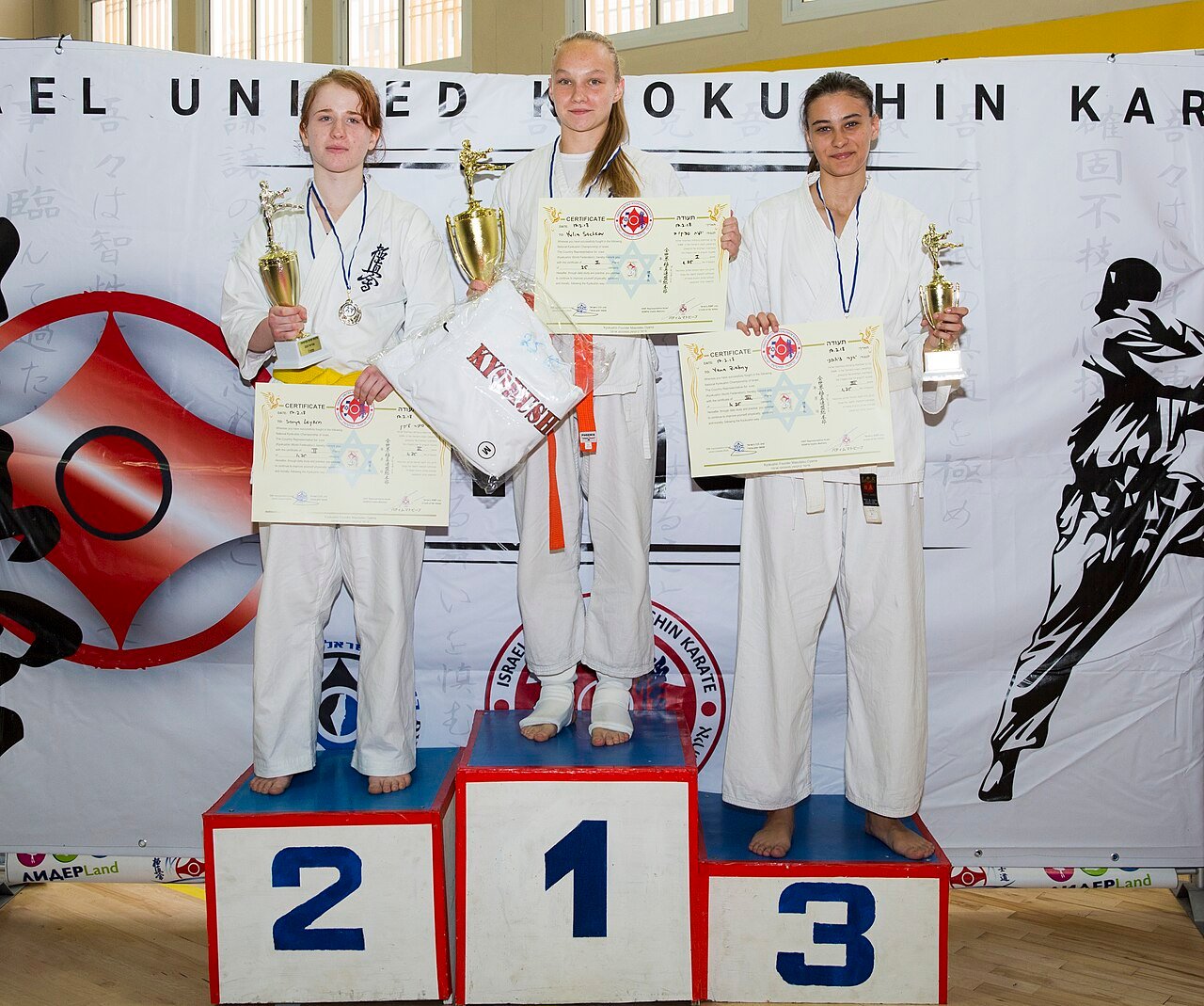
Kyokushin karate is known for its rigorous training and full-contact sparring. Its founder, Masutatsu Oyama, studied several martial arts styles, found none offered what he felt was the true way, and began practicing alone, developing his own training methods and philosophy. Because his technique was so powerful and realistic, he gained widespread recognition in Japan and a huge following of students who wanted what they coined the strongest karate.
Oyama named his system kyokushin, which translates to the true way, or the ultimate truth.
20. Wushu
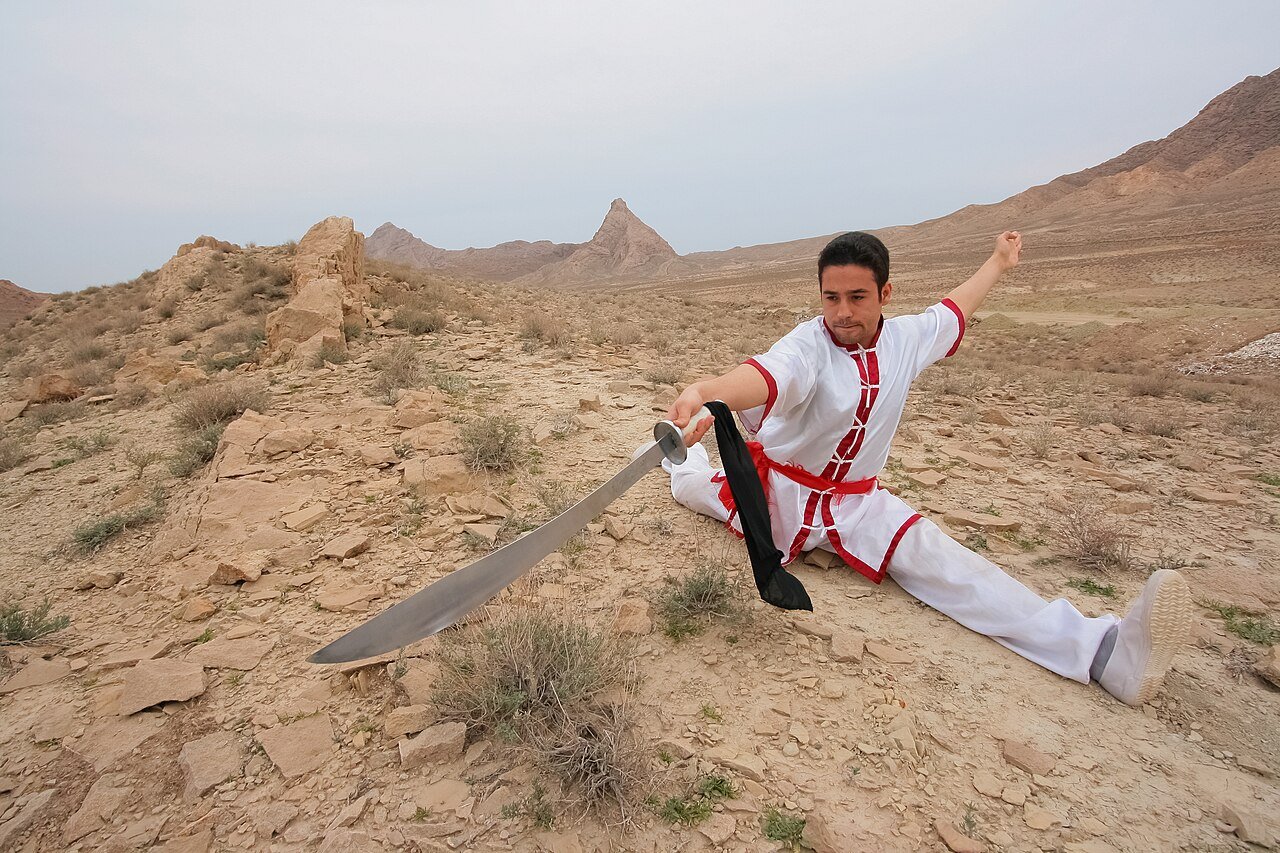
Wushu, or modern Chinese martial arts, showcases fluid, acrobatic movements with traditional Chinese weapons and barehanded techniques. It is both a full-contact sport and a performance art: wushu athletes train in various styles that mimic animal movements or are inspired by Chinese folklore and history. Wushu competitions feature choreographed routines judged on technique execution and artistic expression, similar to gymnastics.
21. Wrestling
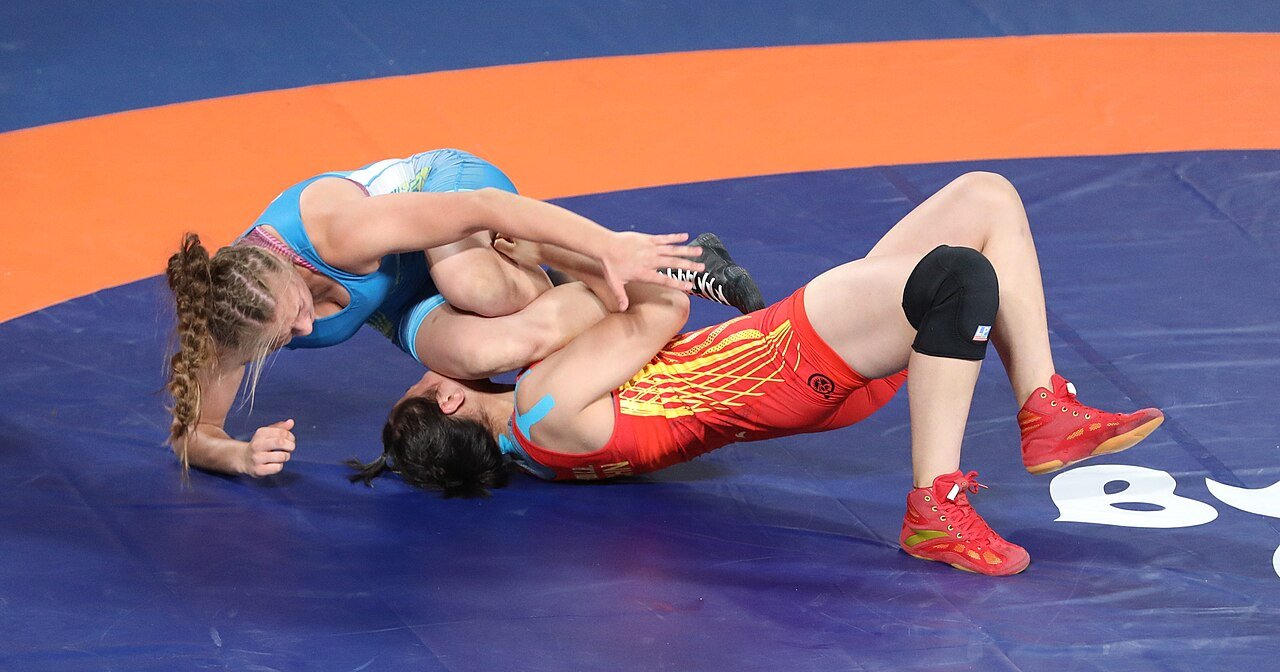
Wrestling, with origins tracing back to ancient civilizations like Egypt and Greece, is among the oldest recorded forms of combat. It focuses on grappling techniques such as clinch fighting, throws, takedowns, and pinning an opponent, and has evolved into various styles globally, including Olympic sports like Greco-Roman and freestyle wrestling, plus folk styles unique to different cultures like Turkish oil wrestling. Fighters aim to outmaneuver opponents through superior positioning and leverage.
22. Taekkyeon
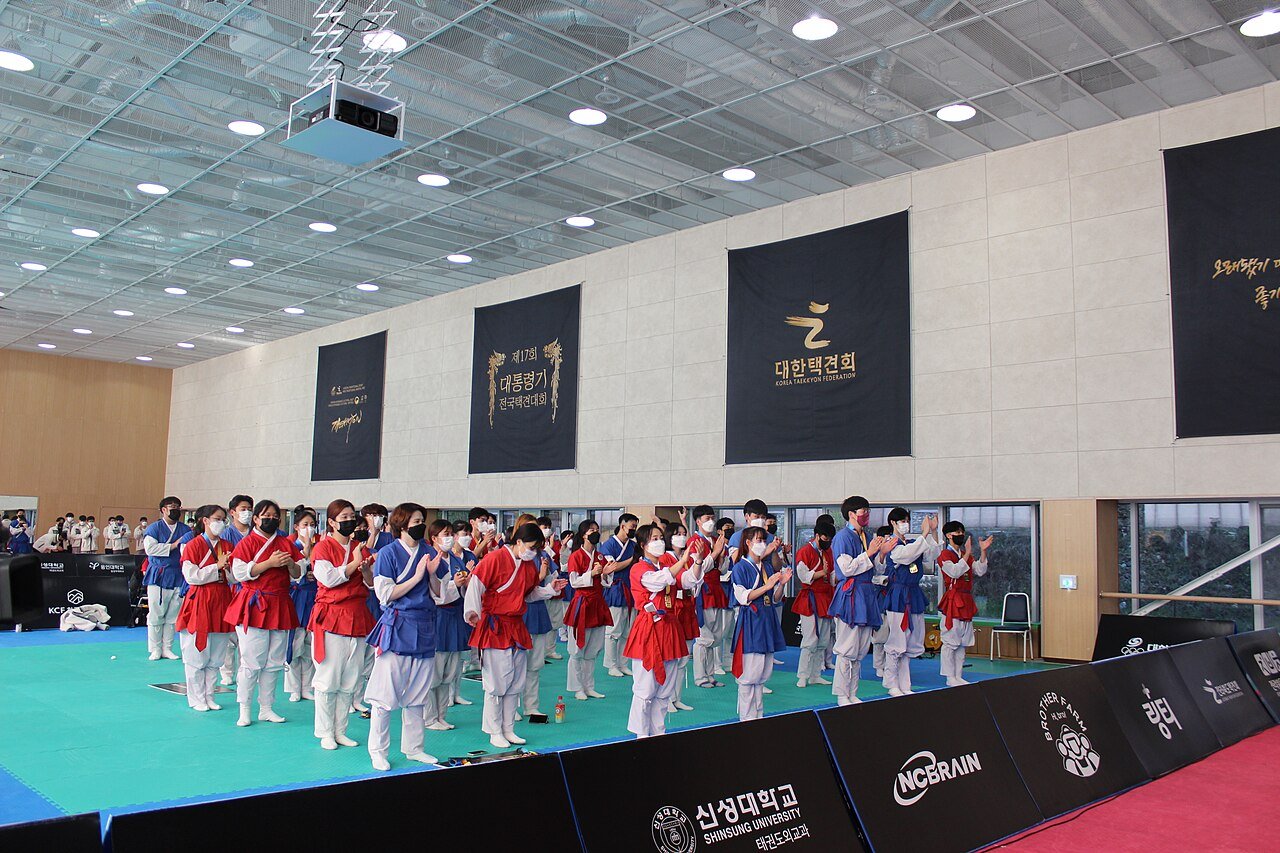
Taekkyeon is a traditional Korean martial art recognized for fluid, dynamic movements that emphasize natural flow and rhythm, thought to have been developed during the Joseon dynasty. It stands out for its softness and circular movements, making extensive use of the legs for kicks and trips along with unique hand techniques. Its distinctive stepping technique ensures continuous motion and balance, and the art, a cultural treasure, stresses harmony between mind, body, and spirit.
23. Systema
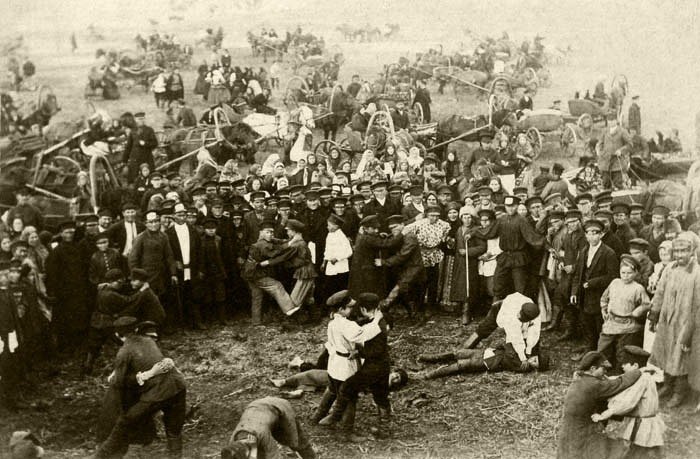
Systema, meaning the system in Russian, has its roots in the Russian military and has changed over centuries. It is known for its emphasis on biomechanical efficiency, flexibility, and the body’s natural movements, covering striking, grappling, and weapon defense while employing breathing techniques and, most importantly, dirty moves like eye poking or biting.
Although it is very similar to Krav Maga — both were developed by militaries — Systema separates itself by focusing on relaxation and breathing correctly to control energy consumption, which is especially important in intense, long situations like war. It is also known to be deeply influenced by Russian Orthodox Christian principles.
24. Mixed Martial Arts (MMA)
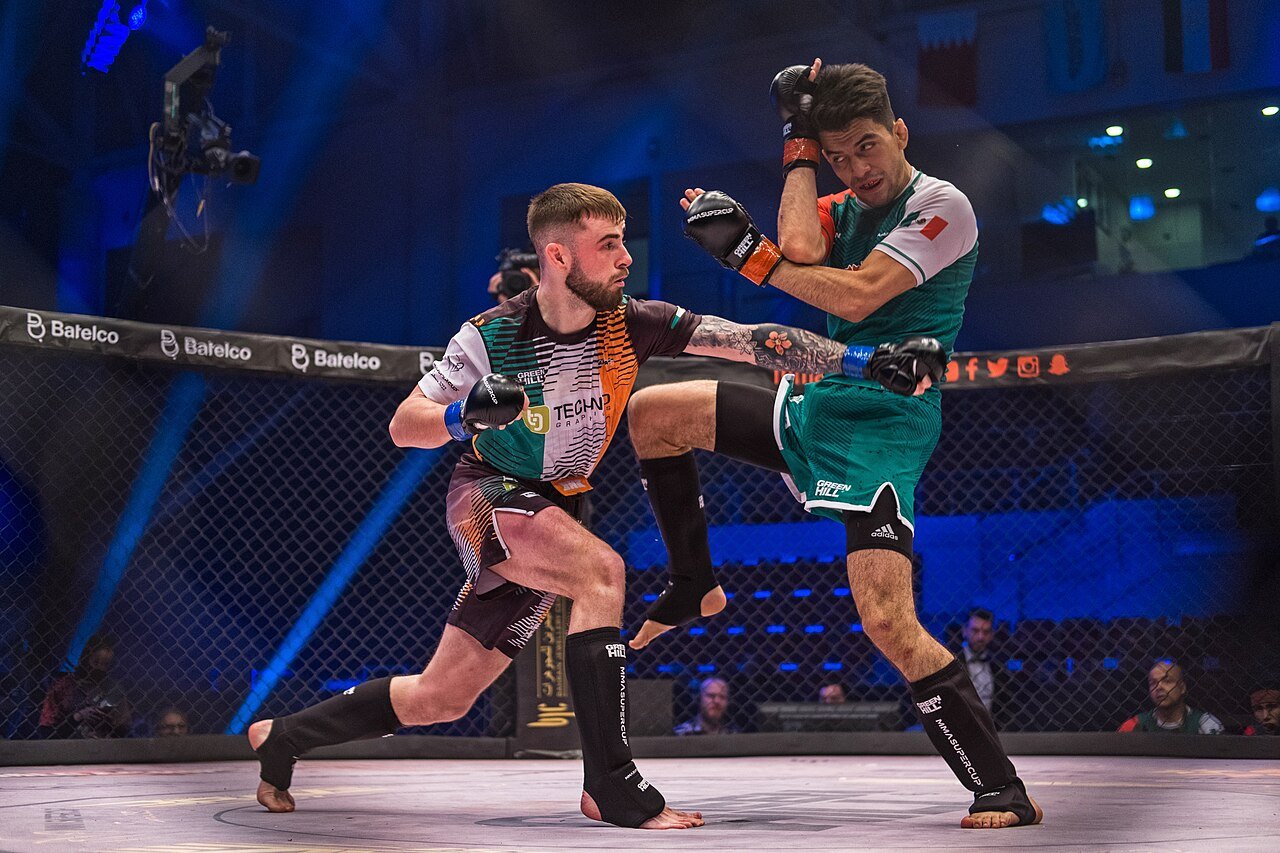
MMA has a history dating back to ancient civilizations, with the modern sport emerging in the early 1990s through the Ultimate Fighting Championship in the United States. The UFC was founded to answer the long-debated question: which martial art is the best? Fighters were later forced to adapt to martial artists from all over the world, developing their own styles while respecting UFC rules like no 12-to-6 vertical karate elbow strikes or kneeing and kicking an opponent that is on the ground.
MMA combines the best techniques from boxing, wrestling, Brazilian jiu-jitsu, muay thai, and judo, challenging fighters to be proficient across multiple combat ranges. It is usually considered the ultimate martial art for self-defense and street fighting.
What Comes Next?
The list splits into two philosophies. Striking arts — karate, taekwondo, muay thai, boxing, kickboxing, savate — want the fight finished standing up. Grappling arts — judo, jiu-jitsu, Brazilian jiu-jitsu, wrestling, sambo — want it on the ground, where leverage beats reach. Everything else lives between the two or refuses the category: capoeira hides a fight inside a dance, krav maga and systema throw the rulebook away, and taichi quietly kept its martial side for anyone who bothers to look for it.
MMA is what happens when those philosophies are forced to share a ring, and it settled the old argument by proving the answer was never one single art, but several practiced together. Every style here is one more answer to the same human question — and each of them beats someone who only trained in one other.
Image Credits
- Tradisi Parebut Seeng Bogor by RaiyaniM — CC BY-SA 4.0
- Karate tournament combat by Miguel Angel Omaña Rojas — CC0
- COOK (GBR) VS ZHU (CHN) BM -80KGM12 by Luketkd — CC BY-SA 3.0
- Kumitachi de Aikido en Kaizen Dojo by Norkiña — CC BY-SA 4.0
- Muay Thai high kick by Eric Langley — CC BY 2.0
- KOCIS Korea Judo Kim Jaebum London 36 (7696361164) by Korea.net / Korean Culture and Information Service (Korean Olympic Committee) — CC BY-SA 2.0
- Jiu-jitsu contra capoeira by Alfredo Storni — Public domain
- Brazilian Jiu-Jitsu Gi Competition-Armbar by parhessiastes — CC BY-SA 2.0
- Shaolin Kung Fu In Iran- Photo By 2007-Mostafa meraji 12 by Mostafameraji — CC0
- Krav Maga (5924031) by U.S. Army photo by Spc. Ryan Lucas — Public domain
- Capoeira in Dublin, 2010 – 4779293247 by arcaist01 — CC BY-SA 2.0
- IpMan70 by Wing Chun Athletic Association — CC BY-SA 4.0
- Boxing080905 photoshop by Wayne Short — Public domain
- WKA World Championship 2012 Munich 444 by Claus Michelfelder — CC BY-SA 4.0
- Stamp of Russia 2013 No 1746 Sambo by Russian Post, Publishing and Trade Centre “Marka” (ИТЦ «Марка»). The design of the stamp by A. Drobyshev.Scanned by Dmitry Ivanov. — Public domain
- Silek Lanyah 2020 – Two men performing martial art in a stream by Dody Guci — CC BY-SA 4.0
- Tai Chi Chuan In The Park by Seattletaijiquan — CC BY-SA 4.0
- Seminario Internacional Savate Cuba 2008 by Osvaldo george — CC BY-SA 4.0
- Eskrima Kombat by Leticia Barletta — CC BY-SA 4.0
- Kyokushin karate winners in Rishon LeZion in 2018 by Alexander Khanin — CC0
- Wushu (sport) by Mostafameraji — CC0
- 2018-10-13 Final (Wrestling Women’s Freestyle 65kg) at 2018 Summer Youth Olympics by Sandro Halank–014 by Sandro Halank, Wikimedia Commons — CC BY-SA 4.0
- Taekkyon Competition by Hk8995 — CC BY-SA 4.0
- КУЛАЧНИЙ БІЙ by Unknown author — Public domain
- IMMAF World Championships held in the Kingdom of Bahrain by Haribhagirath — CC BY 4.0