Every War Tactic Explained

A sniper wounds one soldier so that more come to help — and become the real target. A weak center gives ground on purpose while the wings close like a jaw. Every tactic here is a solution to a problem someone already had on a battlefield, and every one of them charges a price in risk, speed or ground.
The Paint Explainer walks through thirty war tactics, one chapter each: what the move is, why it works, and where it fails.
1. Sniper Trap

The sniper intentionally shoots to wound rather than kill an enemy combatant, with one goal: drawing more enemy units into the field of fire so that he can fire on them as they stop to give aid. One casualty becomes bait for the rescue party — a trap built out of the enemy’s own rules about leaving their people behind.
2. Salvo

Fire every cannon at the same instant for the opening shot, with the aim of surprising the enemy and defeating him before he can respond. At sea it doubles as a ranging tool, because several splashes are easier to read than a single one. It was practiced chiefly in the First and Second World Wars, before cruise missiles became the standard answer.
3. Hull Down Position

The tank takes the back slope of a hill or uses cover to expose as little of itself as possible, so that only the barrel shows to the enemy. The technique is still used, but it has costs: it fits only some terrain, flat plains being the worst, the gun needs enough negative elevation, and the tank must hold position to stay hidden. Switching from defense to attack is worse — rising up to advance exposes the underpart, usually the most vulnerable plate on the vehicle.
4. Creeping Barrage
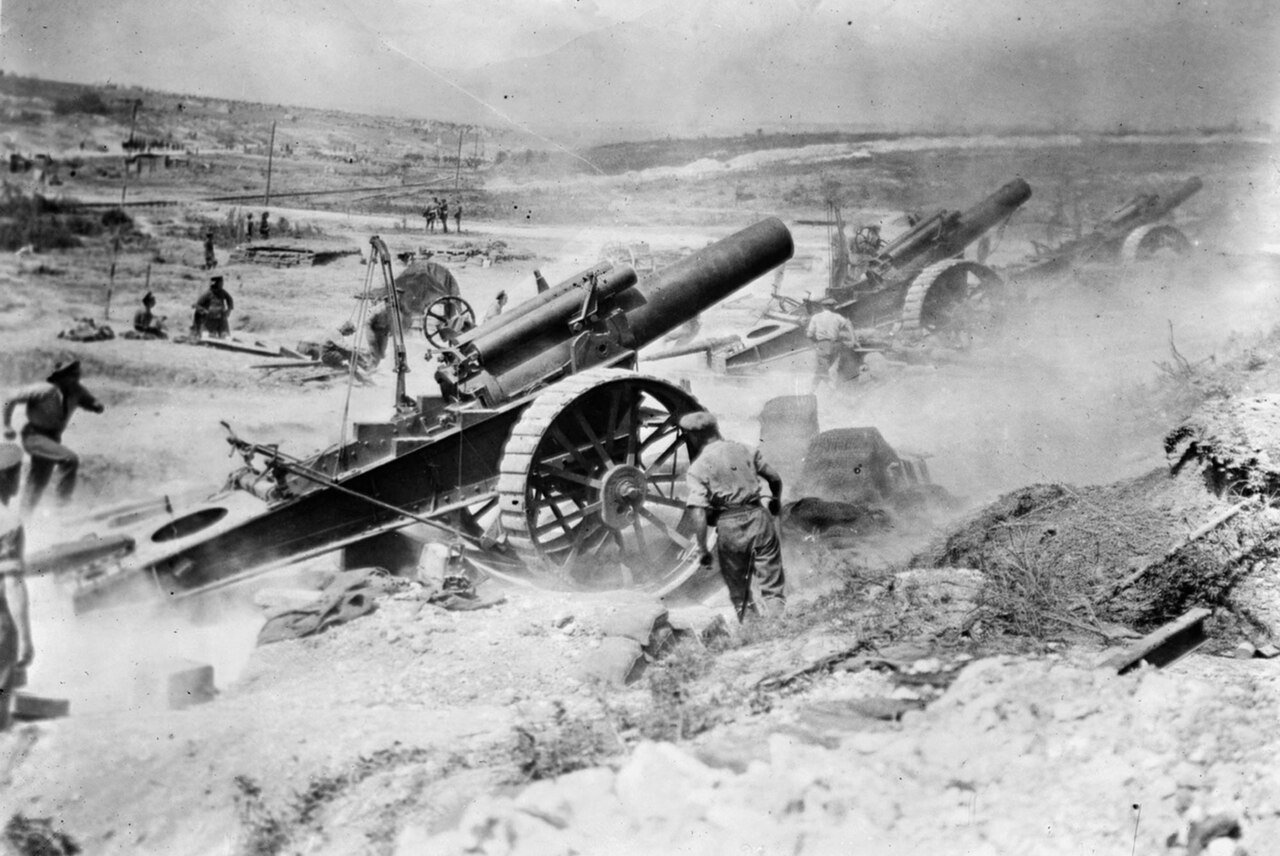
A gradual advance of artillery fire that crawls forward in front of the infantry pushing toward enemy trenches. Shelling the trenches directly mostly failed: defenders could simply be replaced behind the parapet and barbed wire survived the bombardment. The creeping line suppresses the defenders instead, but it is dangerous — infantry and artillery must be perfectly coordinated so the shells do not fall too close to their own men.
5. Blitzkrieg

Famously used by the Germans in the Second World War: a rapid, overwhelming and dense concentration of force in an arrow shape, armor at the tip with mechanized and motorized infantry behind it, artillery and close air support in tow. The intention is not to attack the front line but to break through it. Its greatest advantage is that the front line never stops moving, and an enemy kept permanently off balance has no time to re-form.
6. Foxholes

A hole where two infantrymen can position themselves and stay when the enemy gets too near, the opening hidden with camouflage. The technique is said to have been created originally to combat Blitzkrieg. Variations mattered: the Germans fitted turrets over theirs, while the Japanese dug theirs to fit a single soldier, the tighter space allowing better concealment and making their foxholes more effective for ambush than for mere cover.
7. Recon by Fire
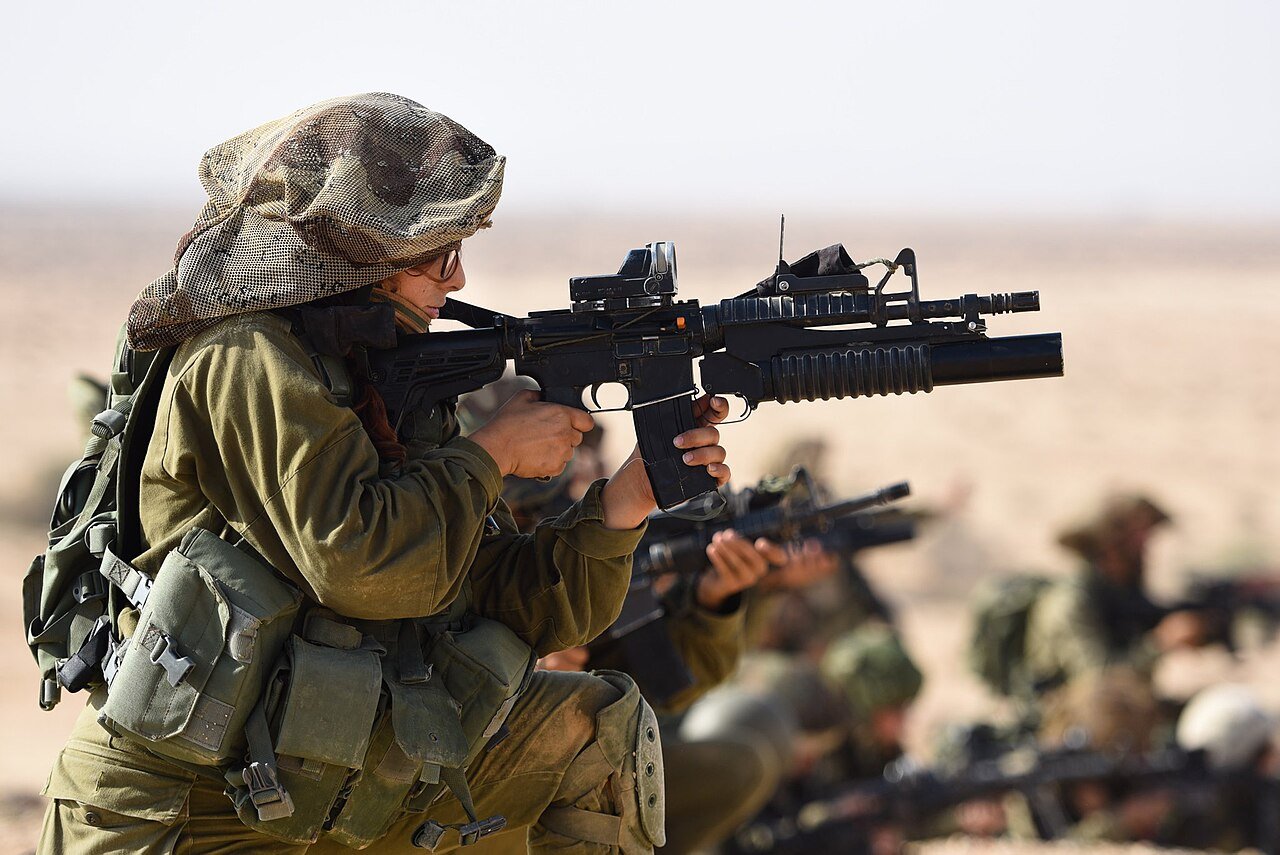
Firing on likely enemy positions to see whether they react, with the goal of confirming their position — or their absence. A question asked with bullets, cheaper than sending a patrol forward to find out the same thing.
8. Single Envelopment
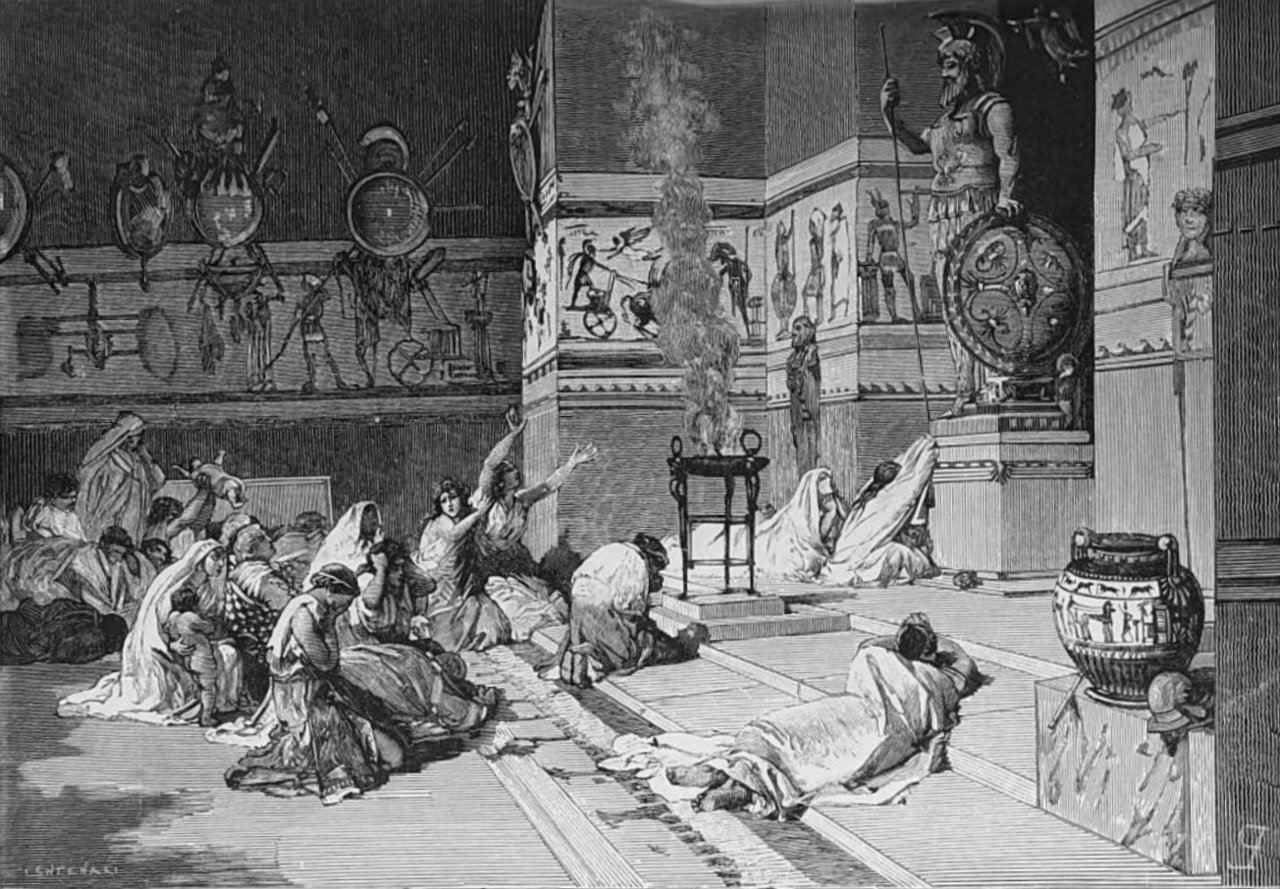
One decoy division attacks the front while another swings around into the enemy’s rear from the sides, cutting reinforcements and communications or firing into his back. The frontal attack is a mirror; the real blow comes from behind, delivered where the enemy has no line to hold.
9. Pincer Movement

When the enemy makes a frontal assault, the central units hold in the middle while the two wings swing outside and drive into his flanks, forcing him to fight the battle on two fronts and eventually enclosing him completely.
10. Oblique Order

Another flank tactic: one part of the army concentrates on one side while the rest moves slowly at an angle, and the line breaks under sheer force concentration where the pressure is greatest.
11. Feigned Retreat

Pretend to retreat in order to draw the enemy into a vulnerable position. The trouble is that a fake retreat often turns into a real one — undisciplined troops are likely to lose coherence on the way back and simply keep running.
12. Inverted Wedge

The weak center retreats slowly under the pressure of the enemy while the wings push forward, trying to encircle him. Great responsibility rests on the wings: they carry the attack while the center absorbs it, and the whole formation fails if they cannot close.
13. Crossing the T

A line of warships crosses in front of a line of enemy ships. Every ship on the horizontal line can bring all its guns to bear on the vertical enemy, while the vertical ships can only answer with the guns at their front — a geometry of fire decided before the first real hit lands.
14. Bounding Overwatch
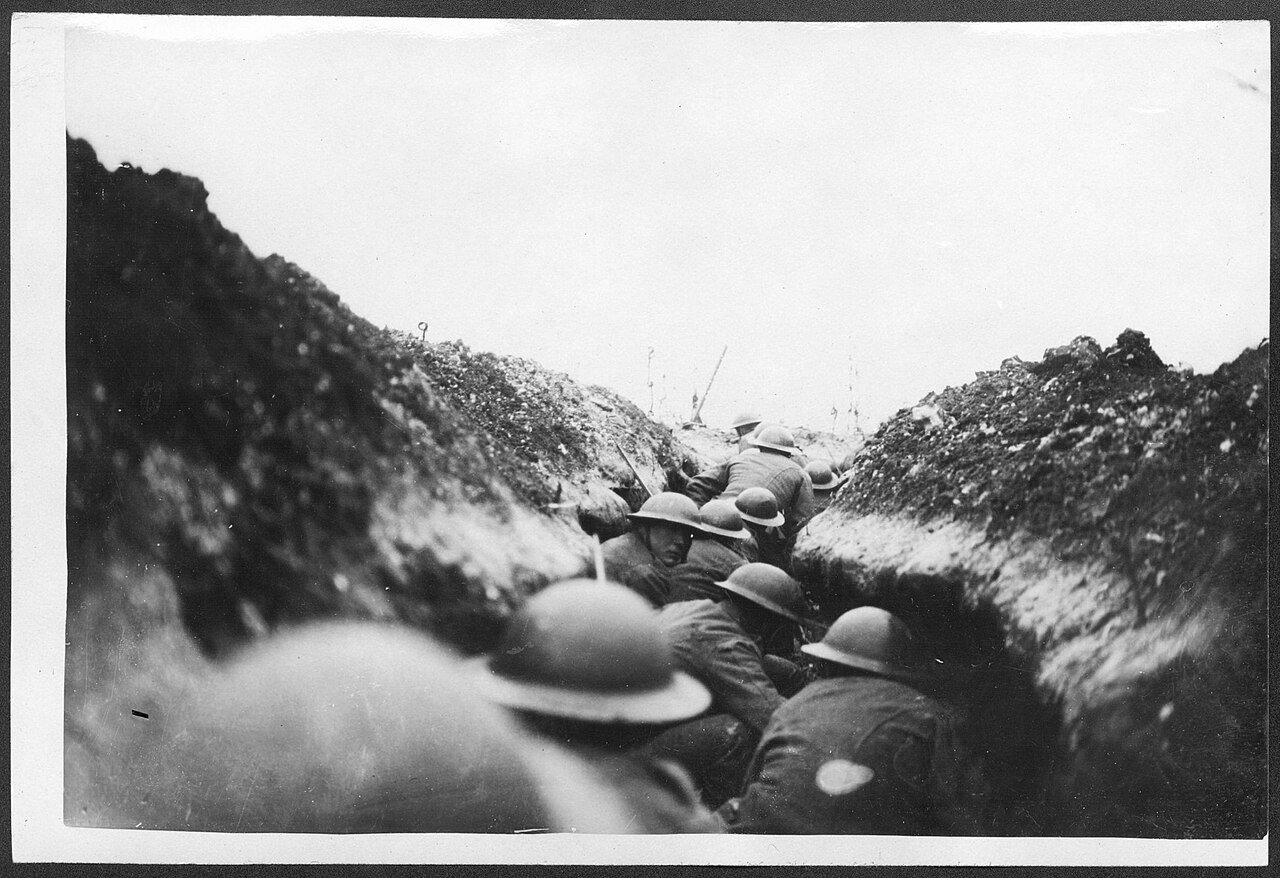
An alternating movement tactic for units that must advance while under fire. The team splits in two: one part provides overwatch while the other maneuvers. When the moving element reaches its destination it stops and lays down suppressive fire to cover the second part, which then moves — and so on, never everyone moving at once.
15. Ambush

A surprise attack made by hidden units that wait for favorable positions or conditions before starting. The whole tactic is the wait — position and timing decide everything, and the first bursts are meant to end the fight before it begins.
16. Skirmishing

Skirmishers are troops placed in front of the main body of units in a very spread-out outline, harassing the enemy with small and sporadic combat to delay his movement, disrupt his attack, or weaken his morale — a loose, stinging screen ahead of the real formation.
17. Trench Raiding

Used mainly in the First World War: small-scale nighttime surprise attacks on enemy trenches. Raiders usually crept up on the sentries guarding a quiet sector, killed them as quietly as possible, and threw grenades into the dugouts where the enemy slept. Raids also captured or disabled high-value equipment and seized documents for intelligence. Getting home was the dangerous part — returning raiders risked friendly fire, so units ran password systems to identify themselves in the dark.
18. Swarming
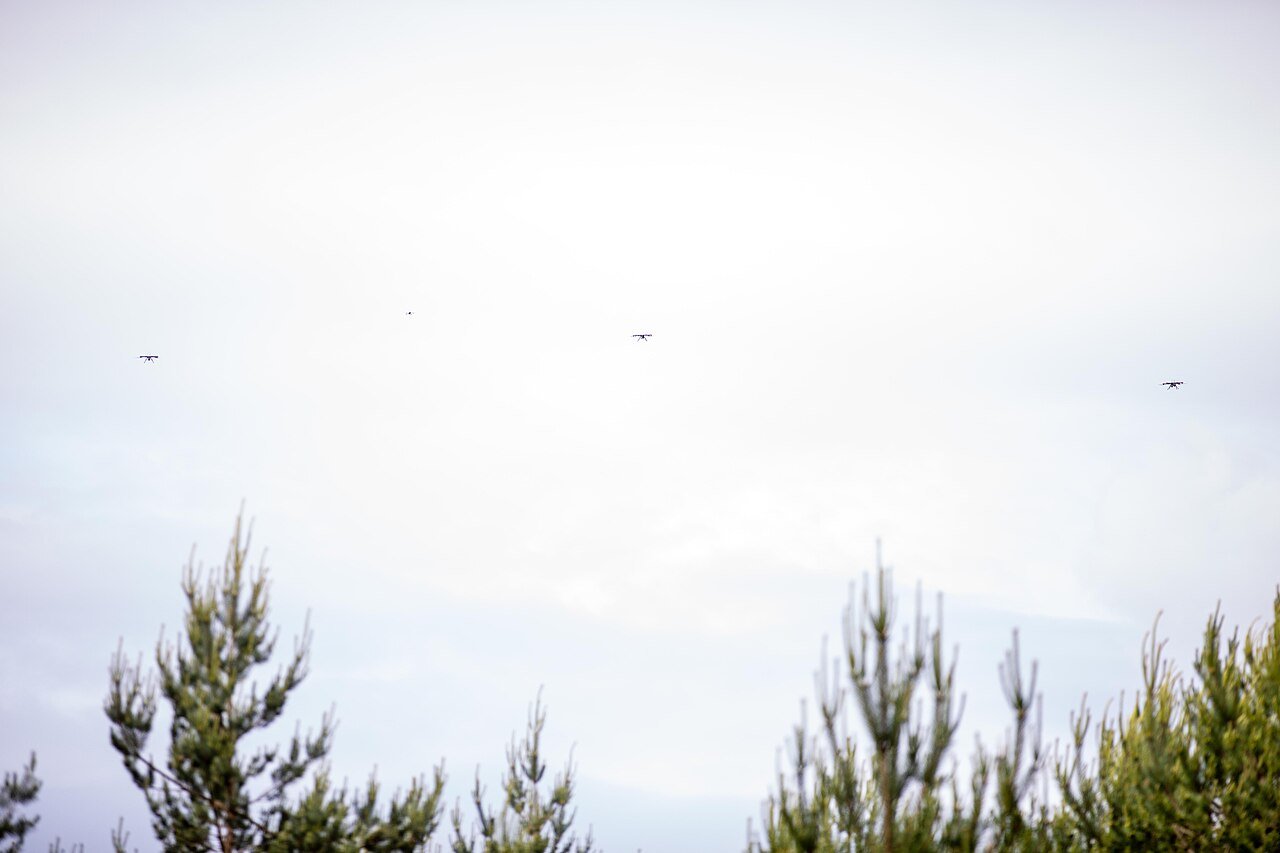
This tactic overwhelms a main target’s defenses by attacking with multiple autonomous units at once. It belongs chiefly to asymmetric warfare, where one side has far less capacity or size, and its irregular attacks from multiple positions confuse an enemy who can never be sure which threat is the real one.
19. Flying Wedge

A body of units moving forward in a triangular formation. It was common in ancient times, when melee combat was the main focus, but it survives because the shape provides great situational awareness and visibility — police riot squads still form wedges today.
20. Defeat in Detail
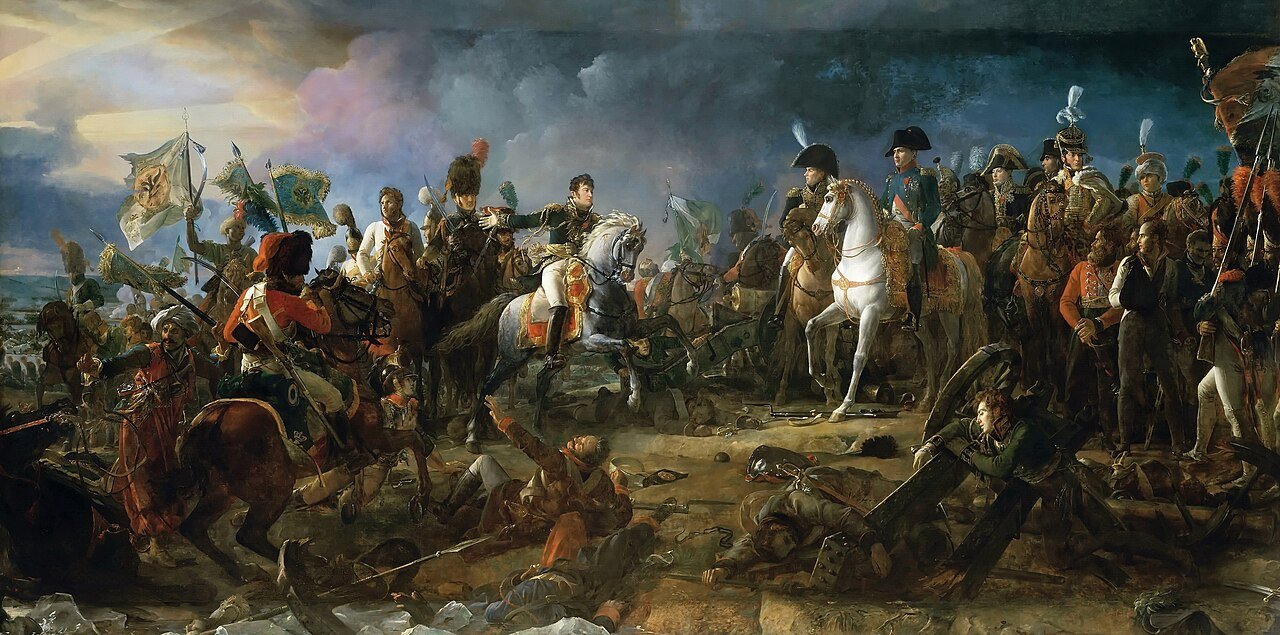
Most useful against a more numerous enemy: divide your force into smaller parts, which tempts the enemy to divide his as well, then bring a large portion of your army against his separated units in sequence. Several small fights instead of one great battle against the bulk of his divisions all at once.
21. Air Interdiction

Bombing strategic points that do not pose an immediate threat but change the course of the war. Tactical air interdiction aims at rapid effects — bombing supplies on their route to the active battle area — while strategic interdiction goes after longer-term benefits such as bridges and streets. It is a different thing from strategic bombing, which is unrelated to ground operations entirely.
22. Siege

Surrounding an enemy city or fortress to block its supplies and the escape of its troops, forcing a surrender through shortages — or setting up a well-prepared assault. When the soldiers build a line of fortifications around the besieged city it is called contravallation; when they build a second line facing outward, to protect themselves from the fort’s allies, it is called circumvallation.
23. Mouseholing
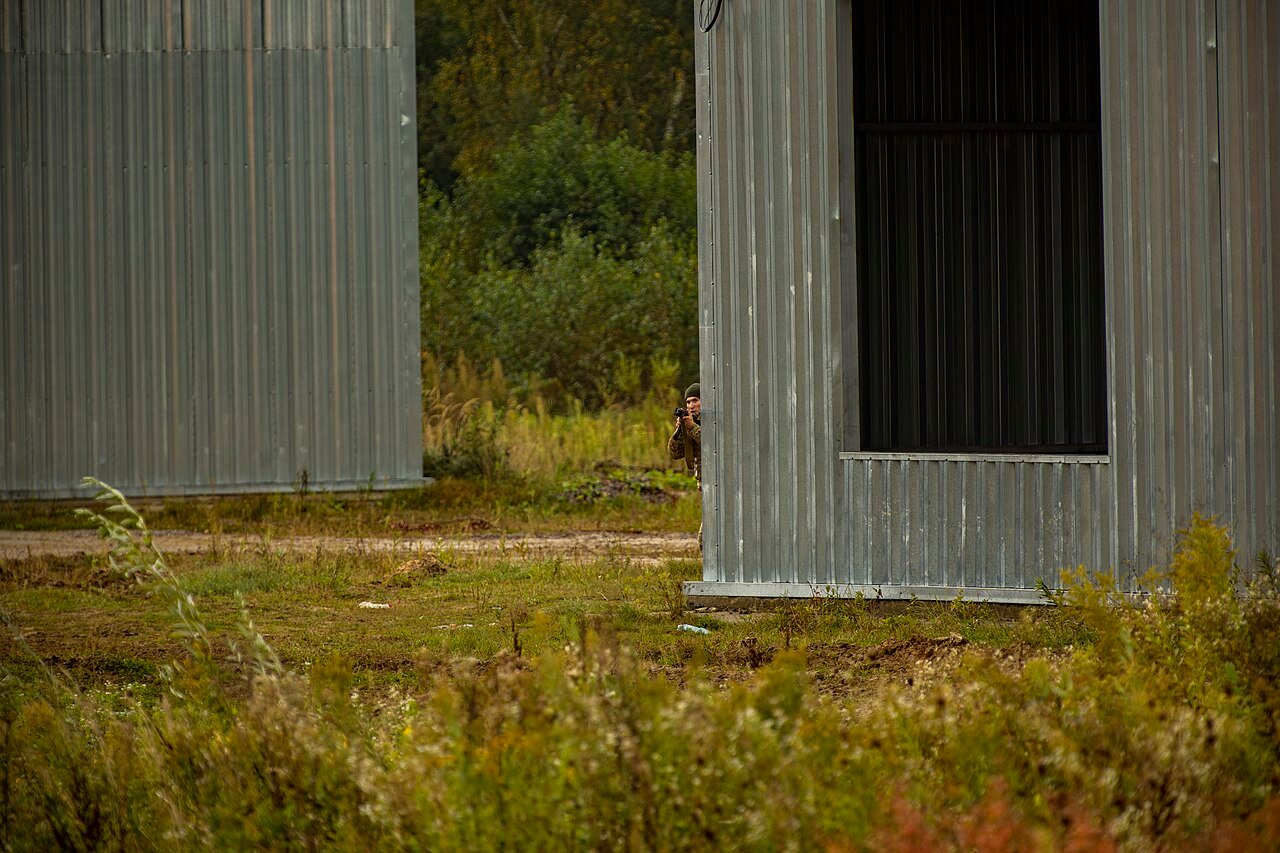
Open streets are very risky for infantry units, since they often provide no cover at all. So soldiers blast through walls to get into the nearby rooms and buildings, moving inside the structures instead of ever crossing the open ground.
24. Air Assault

Using aircraft such as helicopters to put infantry behind enemy lines so they can attack from the rear. It is the vertical version of the envelopment tactics, with the flight in replacing the long flanking march on the ground.
25. Tank Desant

Infantry units ride on top of a tank and dismount to fight on foot only in the final phase of the assault. They are not merely passengers: on the way in they protect the tank against anti-tank weapons, and the tank in turn carries them to the edge of the fight.
26. Shoot-and-Scoot

The artillery tactic of shooting at a target and immediately moving from the firing position to avoid counterattacks. The whole technique fits inside its name — fire, then gone before the reply arrives.
27. Marching Fire
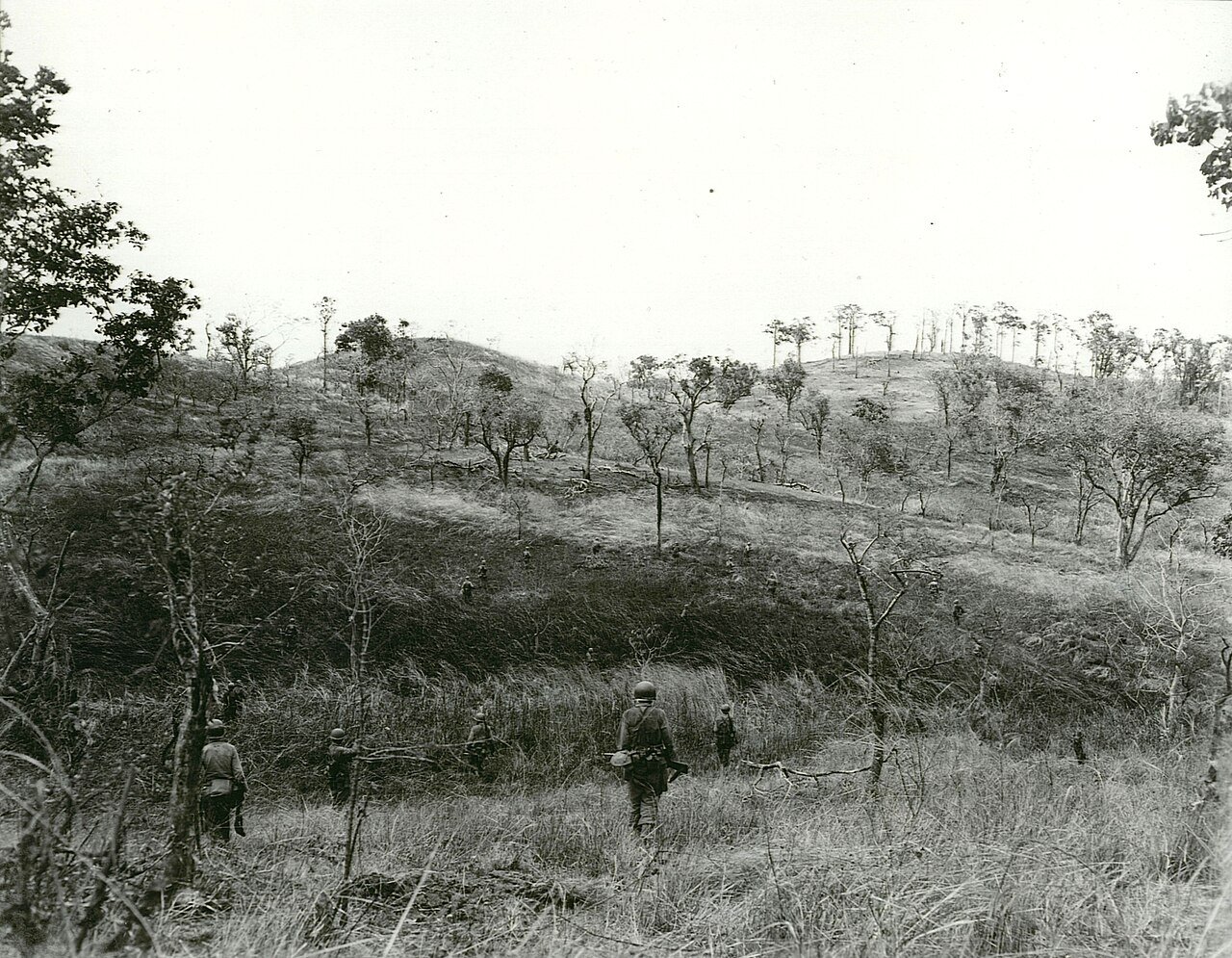
A form of suppressive fire in which walking infantry units keep firing as they advance, making the enemy hide behind cover — often with the final goal of getting close enough to engage in close combat. Suppressive fire carried forward on foot, gaining ground while the enemy keeps his head down.
28. Center Peel

A retreat technique used in modern-day infantry, often when small groups need to get away from a bigger enemy force. It is similar in spirit to bounding overwatch, but run in reverse: elements peel away in turn while their comrades cover the movement.
29. Defense in Depth

A strategy that seeks to delay an attacker rather than stop him outright, relying on the tendency of an attack to lose momentum over time and as it covers a larger area. Once the attacker is forced to spread out, the defenders counterattack against smaller, separated units.
30. Scorched Earth

Retreating while destroying anything the enemy might need, from food sources to transportation. Russia used it against Germany in the Second World War, supported by the sheer size of Russian territory and the freezing cold of the winter.
What Comes Next?
The thirty sort into families: trap-making (sniper trap, feigned retreat, ambush), geometry (pincers, wedges, crossing the T), movement under fire (bounding overwatch, center peel, marching fire), and wars on logistics (siege, air interdiction, scorched earth).
Nearly all of them trade one thing for another — security for speed, surprise for risk, ground for time — and each chapter tells you the price of the move. Read from a drone swarm back to a trench club, and the problems on the battlefield are remarkably similar: only the tools have changed.
Image Credits
- Artillery Fire at Night colorized by colorbykevin by colorbykevin — CC0
- Marine sniper ghillie suit by Unknown authorUnknown author, USMC — Public domain
- USS Iowa firing main gun by Department of Defense — Public domain
- File:A Marine rides an M60 main battle tank during a field training exercise – DPLA – f955663da8d3ddc7d00e26fa85a2c423 by Department of Defense. American Forces Information Service. Defense Visual Information Center. 1994 — Public domain
- British artillery in action, World War I by John Warwick Brooke — Public domain
- Bundesarchiv Bild 101I-769-0236-23, Frankreich, Panzer 35t und Panzer IV by Borchert, Erich (Eric) — CC BY-SA 3.0 de
- Out in a foxhole DVIDS342970 by Staff Sgt. Sarah Loicano — Public domain
- IDF soldier aiming M203 with leaf sight by IDF Spokesperson’s Unit photographer — CC BY-SA 3.0
- Lodovico Pogliaghi – Roman women in the temple of Mars after Cannae, 215 BC by Lodovico Pogliaghi — Public domain
- File:Battle of Tannenberg Hugo Vogel by Hugo Vogel — Public domain
- File:Frederick the Great arriving at the Schloss von Lissa after the Battle of Leuthen by Richard Knötel by Richard Knötel — Public domain
- Parthian shot from a fifteenth-century Persian manuscript. Istanbul, Topkapı Sarayı Müzesi H.2153 by 15th century artist — Public domain
- Roman legion at attack by No machine-readable author provided. MatthiasKabel assumed (based on copyright claims). — CC BY-SA 3.0
- Aerial port quarter view of USS Iowa (BB-61) battle group underway in formation Mediterranean September 1987 DN-ST-88-00263 by PH2 Robert A. Sabo — Public domain
- Infantry waiting to attack during World War I by National Library of Scotland — Public domain
- Frederic Remington – The Advance-Guard, or The Military Sacrifice (The Ambush) – 1982.802 – Art Institute of Chicago by Frederic Remington — Public domain
- Philips Wouwerman – Cavalry Skirmish – WGA25887 by Philips Wouwerman — Public domain
- Harold James Mowat-A Trench Raid (CWM 19710261-0431) by Harold James Mowat — Public domain
- Combined Resolve 24-2 drone swarm attack (8436772) by U.S. Army National Guard photo by Sgt. 1st Class Brandon Nelson — Public domain
- G20 Riot Police in formation (4736385075) by Chris Huggins from Toronto, ON, Canada — CC BY 2.0
- La bataille d’Austerlitz. 2 decembre 1805 (François Gérard) by François Gérard — Public domain
- File:Air Raid Damage in the United Kingdom 1939-1945 H8138 by Taylor (Lt), War Office official photographer — Public domain
- Robert de Normandie at the Siege of Antioch 1097-1098 by Jean-Joseph Dassy — Public domain
- Ukrainian soldiers conduct urban operations (5) by Staff Sgt. David Carnahan — Public domain
- UH-1Ds land troops at Landing Zone Two-Bits, July 1967 by NARA photo 111-CCV-97-CC41871 by SP4 Richard Durrance — Public domain
- SC 193137 – Riding on a tank, American infantrymen move past a burning German motorized vehicle, in pursuit of the former operators of the vehicle. 23 August, 1944. (53407773283) by Signal Corps Archive from United States — Public domain
- M109 self propelled howitzer-firing ID DM-SN-88-09712 by R. W. Parker — Public domain
- Infantrymen of the 20th Infantry Regiment advancing during fighting for the Kobayashi Line near Manila March 1945 SC 270701 by Wolcott, Signal Corps — Public domain
- 3-12 Marines Increase Their Expertise in Field Craft and Patrolling Operations (8907687) by U.S. Marine Corps photo by Lance Cpl. Rodney Frye — Public domain
- Maginot line 1 by John C. Watkins V, uploaded to en.wikipedia.org by en:User:Jorge1767 — Public domain
- Ivalontuhottuakylaa by Vilho A. Uomala — Public domain