
Every Bias Explained
You never catch your own bias blind spot, you bet on the next spin, you judge harm by whether someone did something, and you remember the ending. Forty-two cognitive biases, each one a shortcut that pays for itself right up until the moment it does not.
The Paint Explainer works through the list in order, from the bias that hides every other bias to the peak-end rule that decides what an experience even was: one definition, one failure mode, one at a time.
1. Bias Blind Spot

The tendency to think that oneself is less affected by cognitive biases compared to others. Everyone else’s thinking is biased, mine is not — and the blind spot is exactly the bias you cannot see, which is why naming forty-one of them still leaves the one you are using out of the list.
2. Gambler’s Fallacy
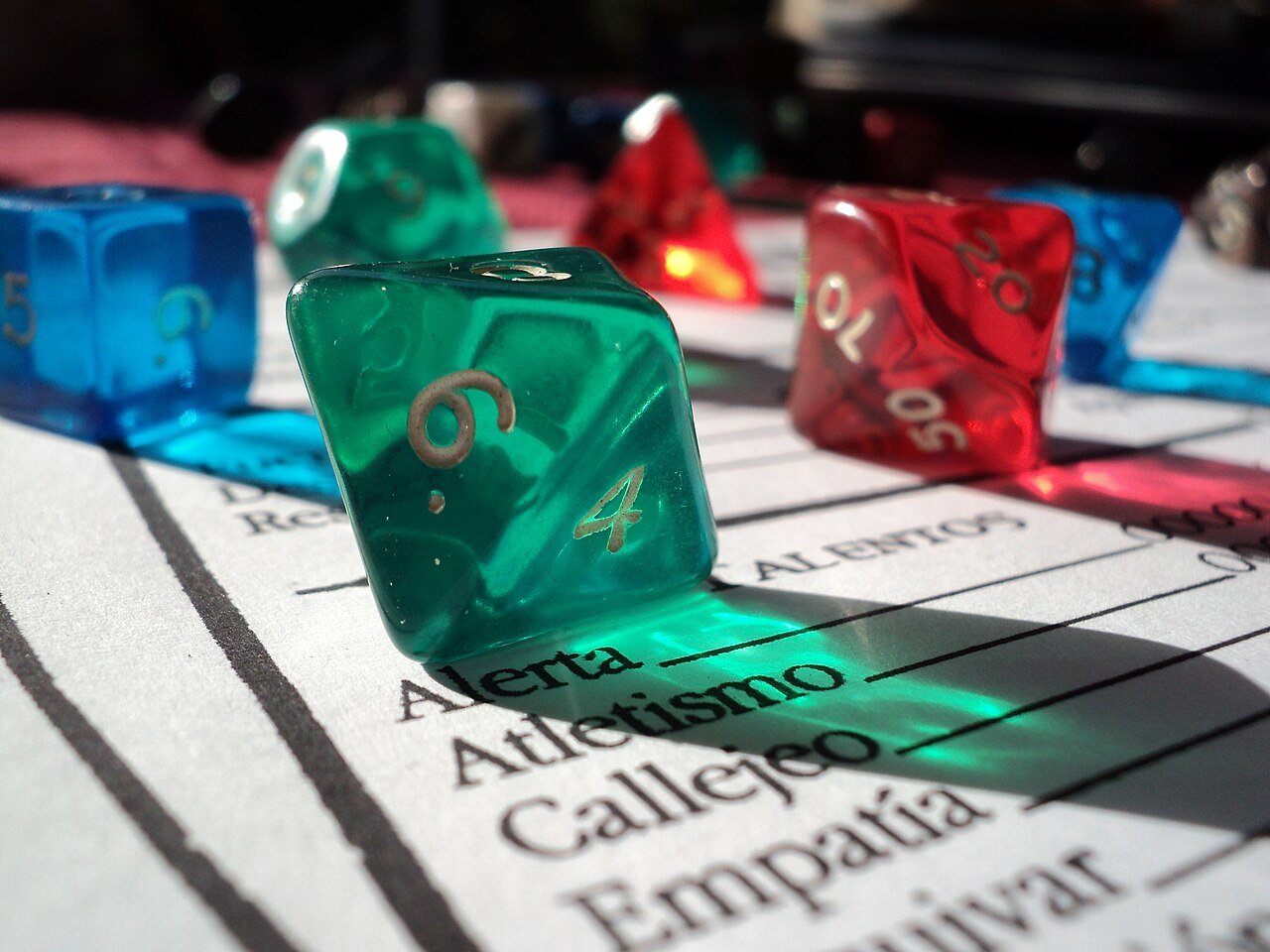
A tendency to think that future probabilities are altered by past events, when in reality they are unchanged. The run does not make the next one due: ten reds in a row change nothing about black, because the coin, the wheel and the die keep no record of what they did before.
3. Omission Bias
The tendency to judge harmful actions as worse or less moral than equally harmful inactions. Doing nothing feels cleaner than doing something, even when the result is the same — harm you chose reads as worse than harm you allowed, so the choice quietly moves to whoever stood still.
4. Proportionality Bias
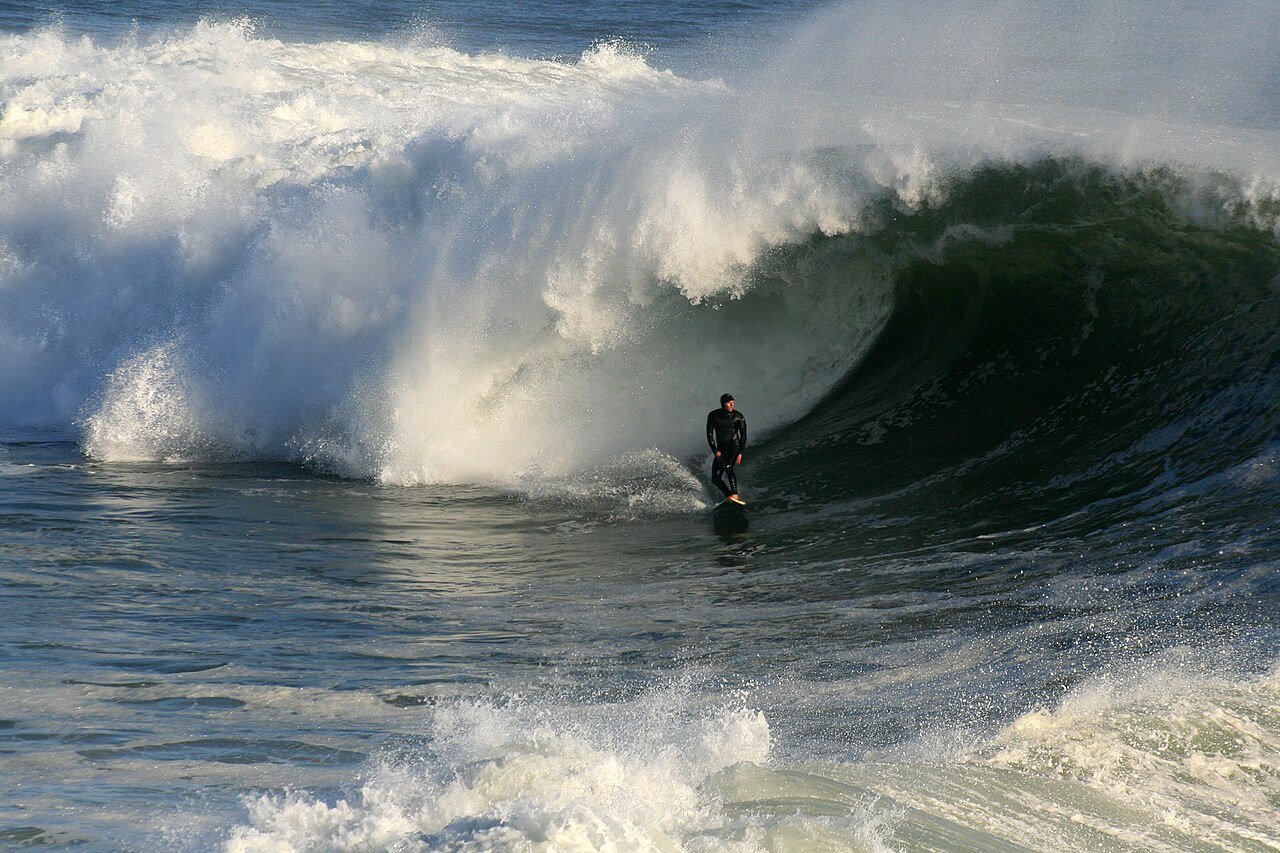
Our innate tendency to assume that big events have big causes, which may also explain our tendency to accept conspiracy theories. A disaster wants a plot the size of the disaster, and chance, incompetence or one bad decision rarely feels like enough of an explanation for something that large.
5. Moral Credential Effect
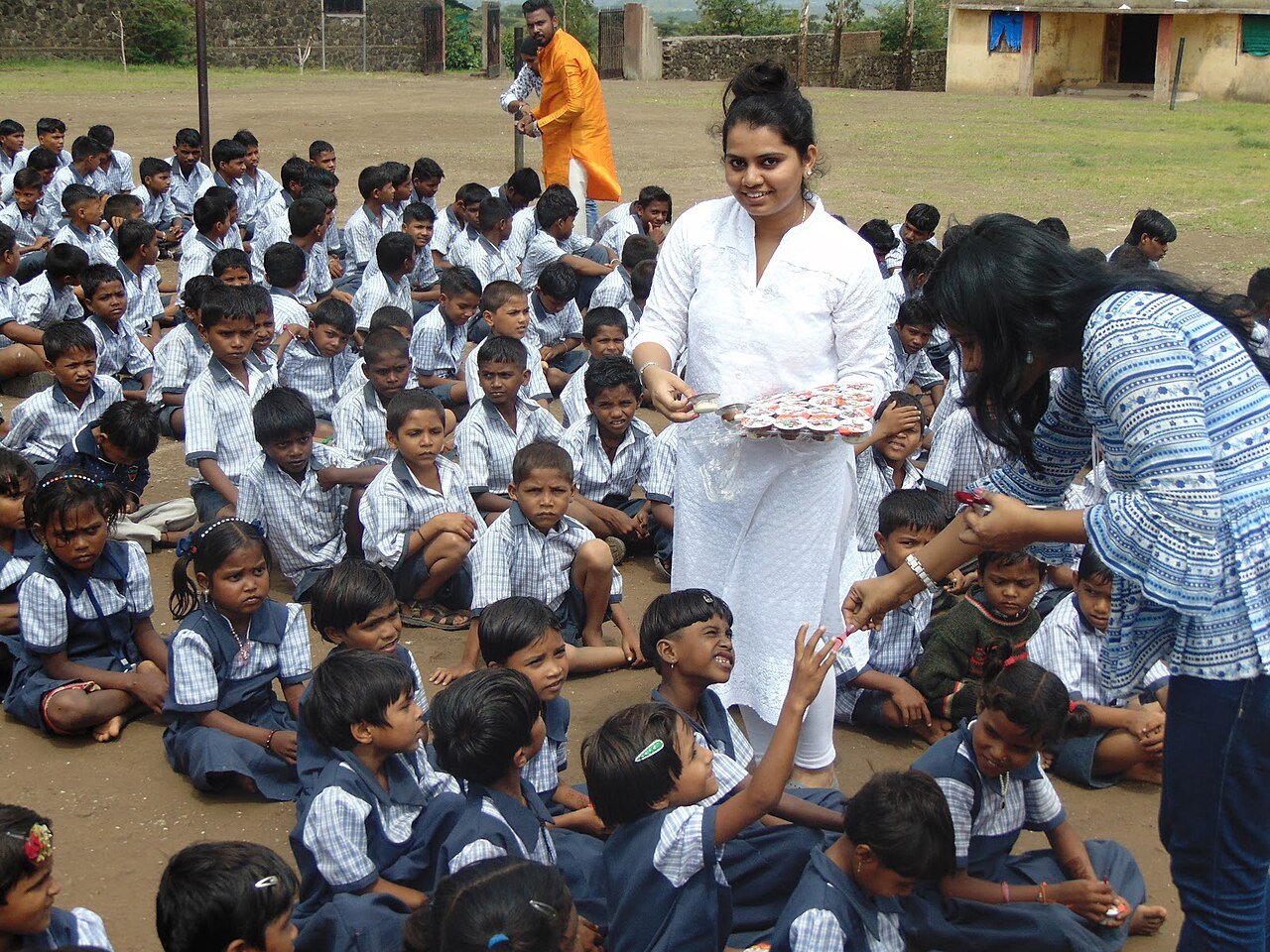
It occurs when someone who does something good gives themselves permission to be less good in the future. The good deed functions as credit: one act of fairness or generosity is banked and then spent on the next choice, which would never have been approved at the start.
6. Self-Serving Bias
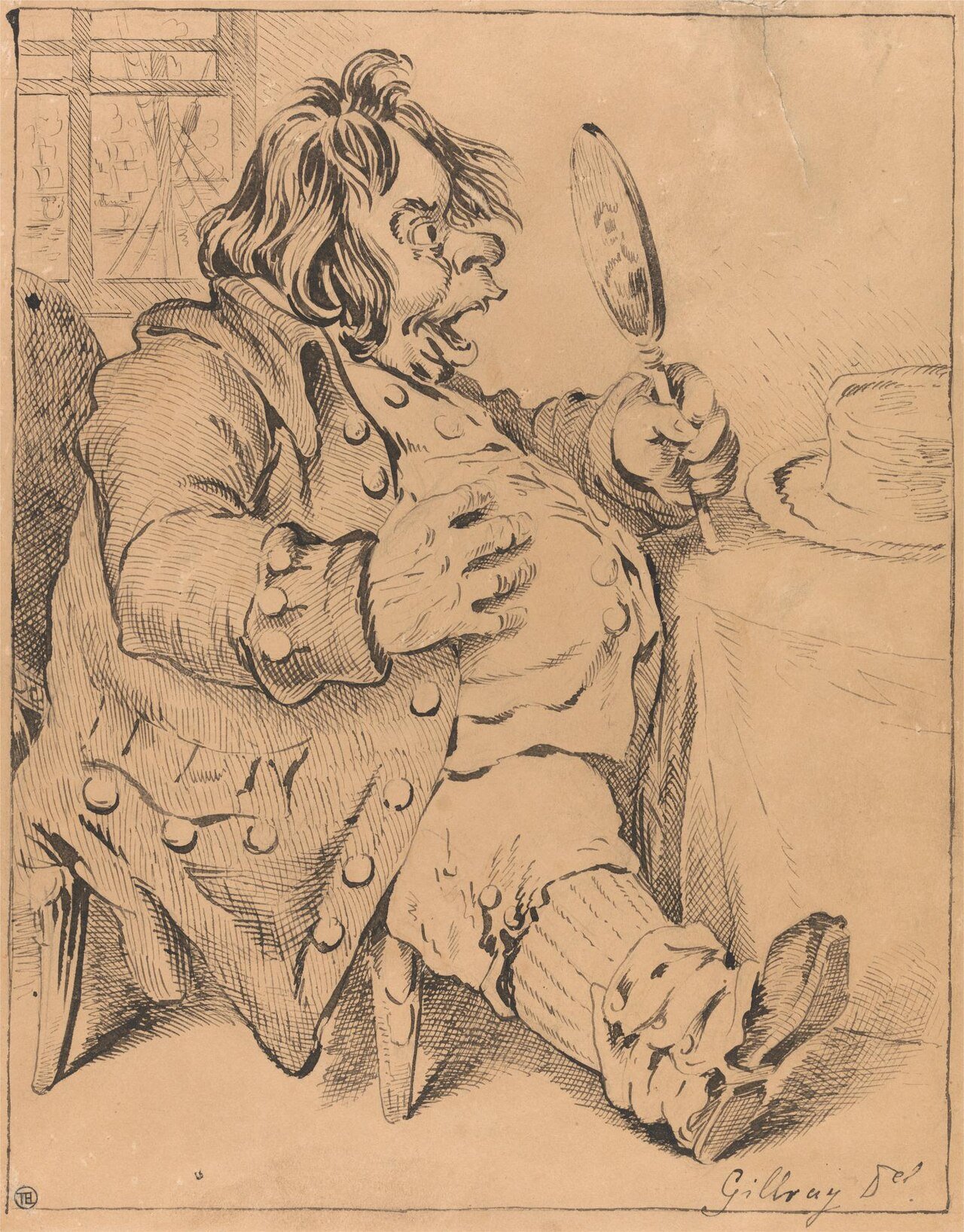
The tendency to claim more responsibility for successes than failures. The win was skill, the loss was everything else — and the same person who takes the credit for a good result has the explanation ready when the result goes the other way.
7. Framing Effect

The tendency to draw different conclusions from the same information depending on how that information is presented. This includes the contrast effect: the enhancement or reduction of a stimulus’s perception when it is compared with a recently observed contrasting object. Nothing about the fact changed, only the shape it arrived in.
8. Actor-Observer Bias
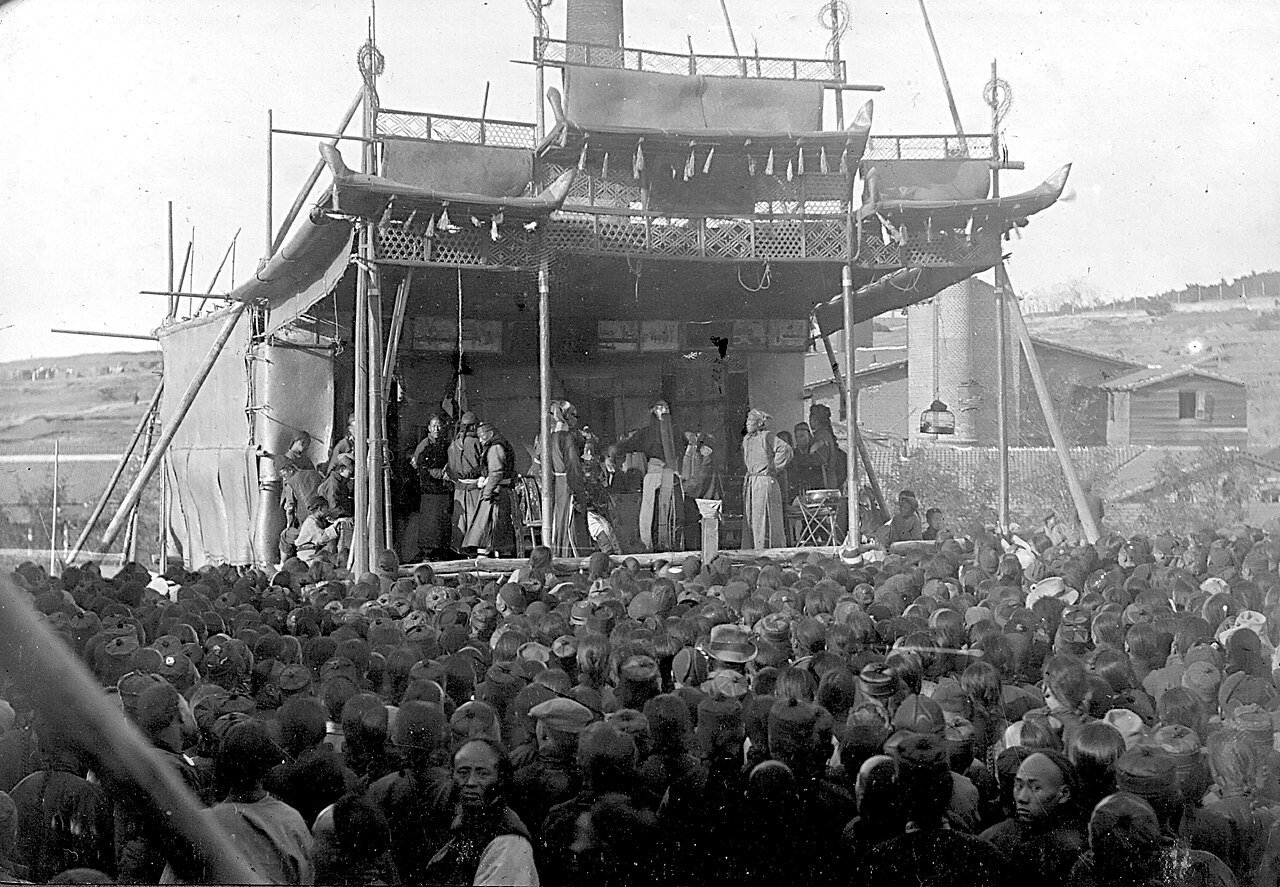
The tendency for explanations of other people’s behaviour to overemphasize the influence of their personality and underemphasize their situation, and for explanations of one’s own behaviour to do the opposite. Their actions come from who they are; mine come from what was happening to me — the same behaviour gets two different stories depending on who is standing in it.
9. Picture Superiority Effect
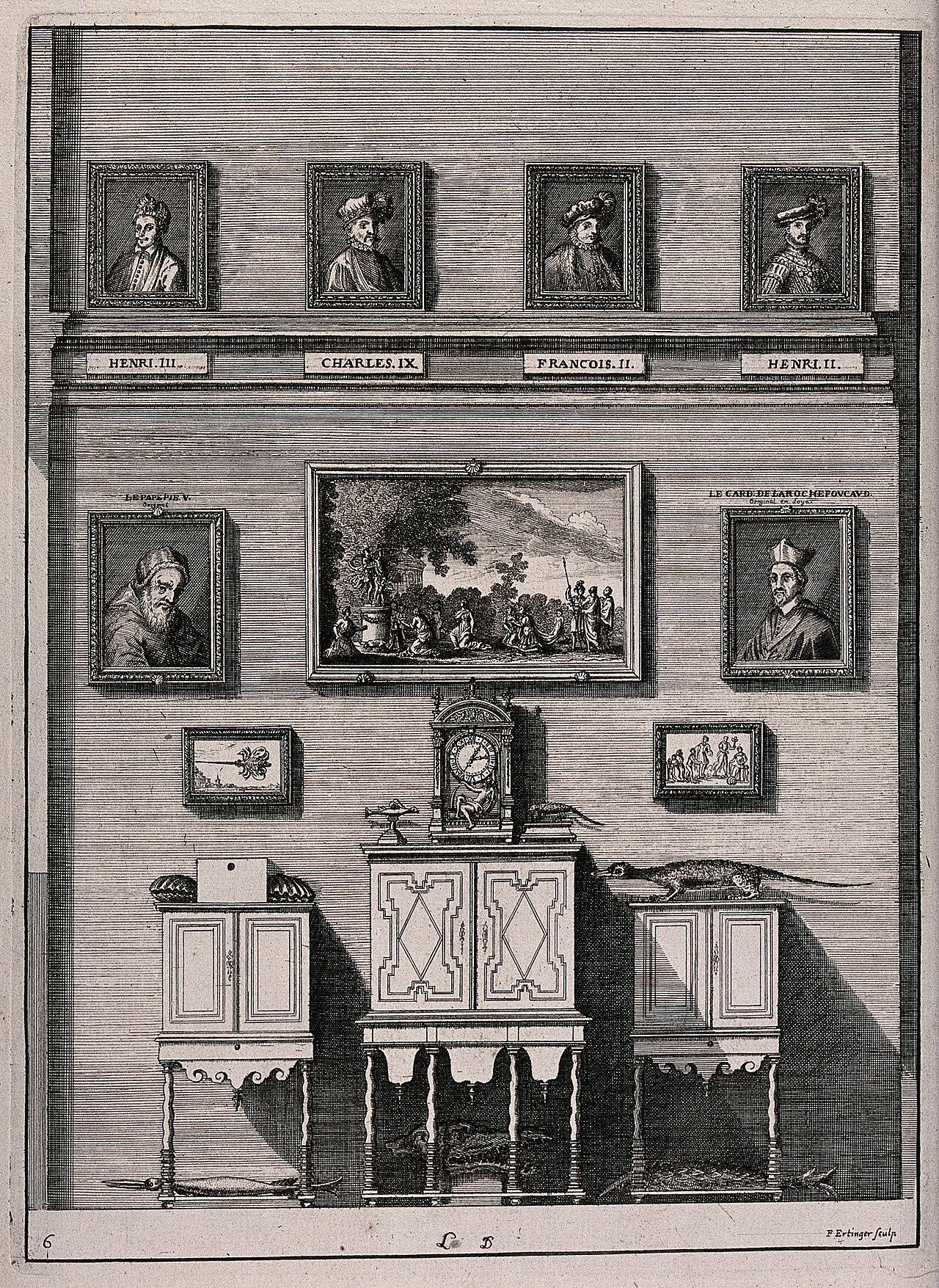
The notion that concepts learned by viewing pictures are more easily and frequently recalled than concepts learned from their written-word counterparts. A concept you saw is recalled more easily than a concept you read — images are filed as experience, while sentences have to be rebuilt from words.
10. Outcome Bias
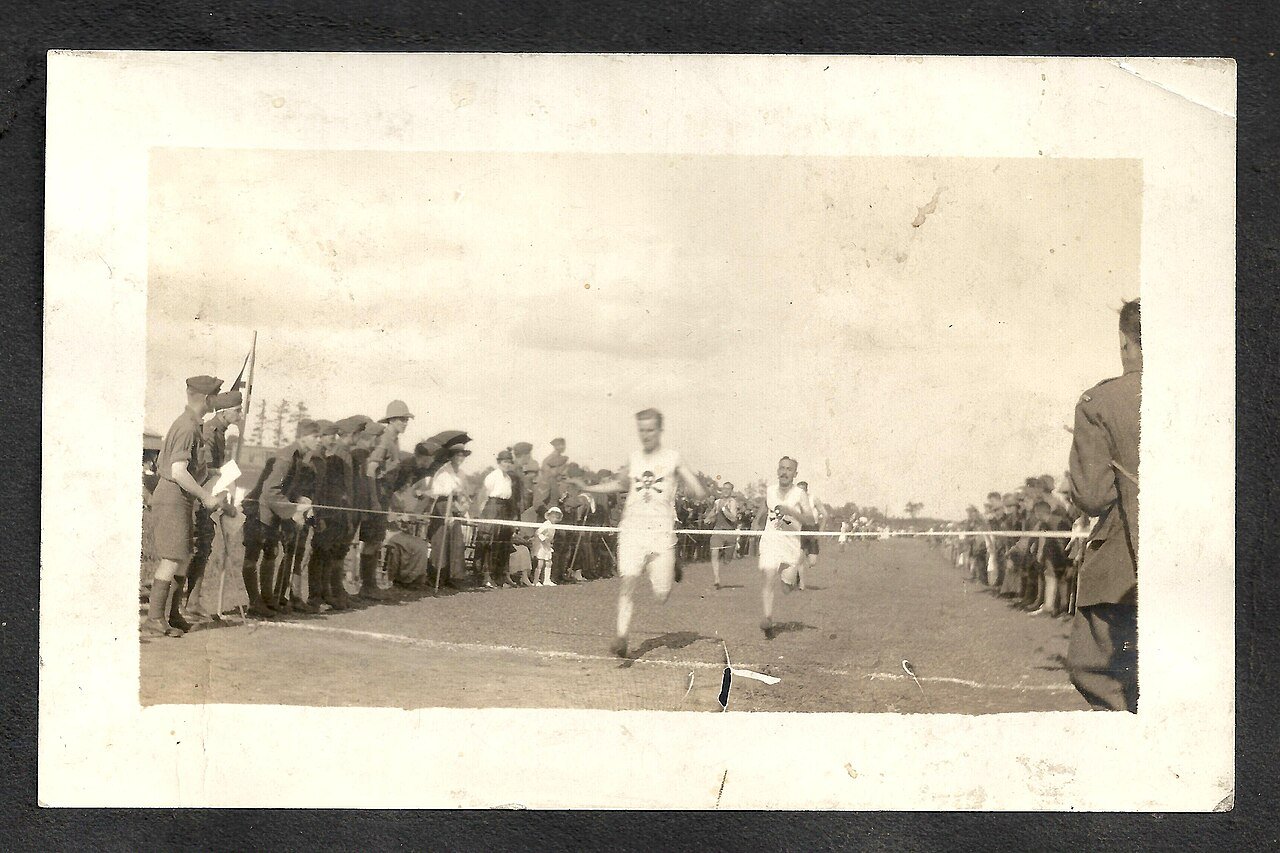
The tendency to judge a decision by its eventual outcome instead of the quality of the decision at the time it was made. Good process with a bad result still reads as a bad decision, and a lucky call made on nothing at all reads as judgement, because only the ending is visible afterwards.
11. Mere-Exposure Effect
A psychological phenomenon by which people tend to develop liking or dislike for things merely because they are familiar with them. Familiarity does the persuading — the tenth time a face, a slogan or a melody arrives, it feels more right than the first, with no new argument added anywhere.
12. Hard-Easy Effect

The tendency to overestimate one’s ability to accomplish hard tasks and underestimate one’s ability to accomplish easy ones. Confidence runs opposite to difficulty: it rises where the work is hardest and falls away on the tasks that have become automatic.
13. Survivorship Bias
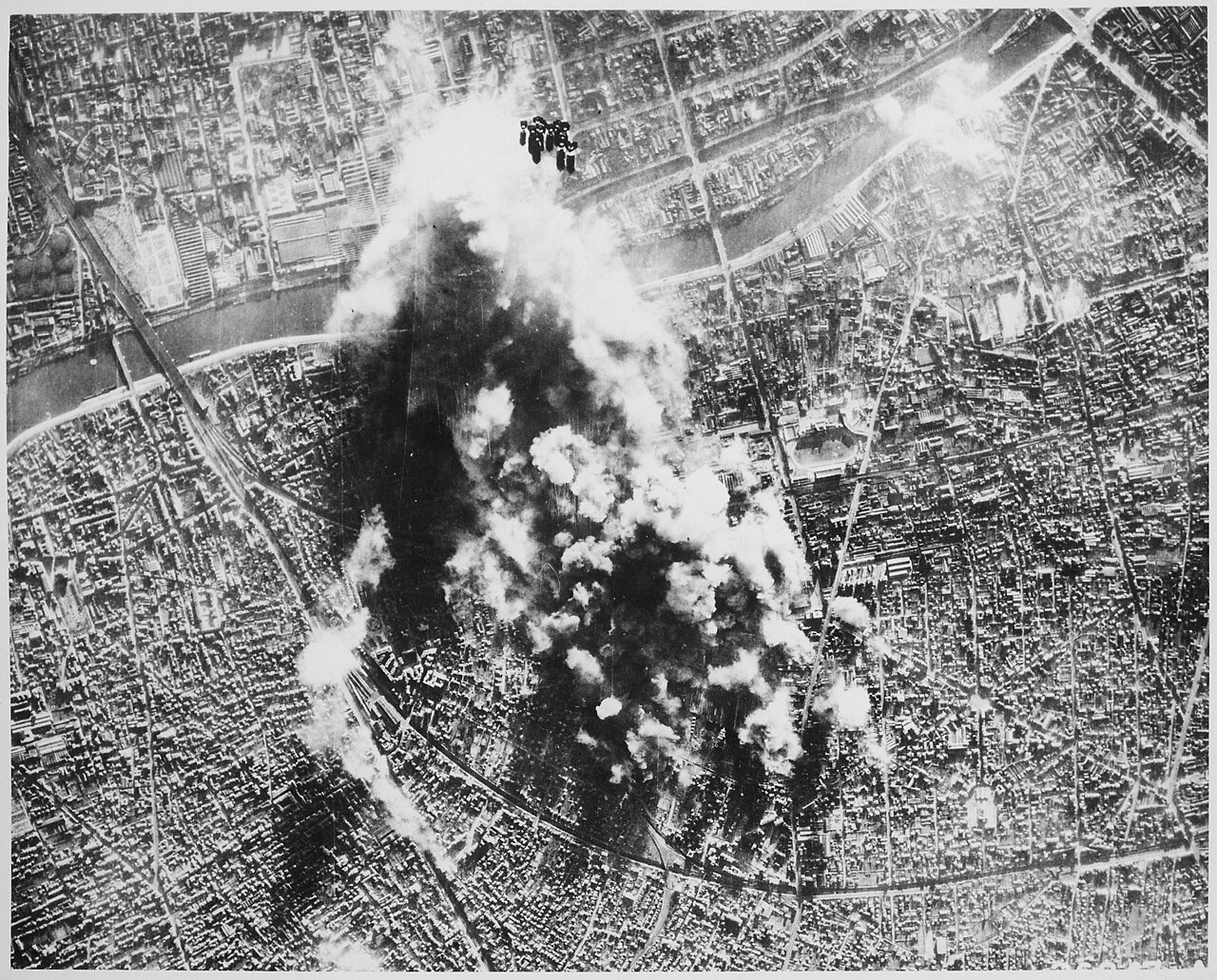
Concentrating on the people or things that survived some process and inadvertently overlooking those that did not, because of their lack of visibility. The winners are the only ones left to study, so their plan gets copied from an evidence base that quietly excludes every case that failed it.
14. Baader-Meinhof Phenomenon

Also called the frequency illusion: the illusion where something that has recently come to your attention suddenly seems to appear with very high frequency shortly afterwards. Nothing multiplied, attention did — before the word, the car or the fact was noticed, it was simply ignored.
15. Availability Heuristic

The tendency to overestimate the likelihood of events that easily come to mind. How available a memory is can be influenced by how recent it is, how unusual it is, or how emotionally charged it is — vivid beats frequent, so the events we can recall without effort become the events we judge as likely.
16. Dunning-Kruger Effect

The tendency for unskilled individuals to overestimate their own ability, and the tendency for experts to underestimate theirs. Competence is needed to measure competence: the same gap that produces the errors also hides them from the person making them, while expertise does the reverse to itself.
17. Halo Effect

The tendency for a person’s positive or negative traits to spill over from one personality area to another in other people’s perceptions of them. One good trait colours the whole picture — attractiveness, confidence or a single correct answer makes everything else about a person seem to line up with it.
18. Pygmalion Effect
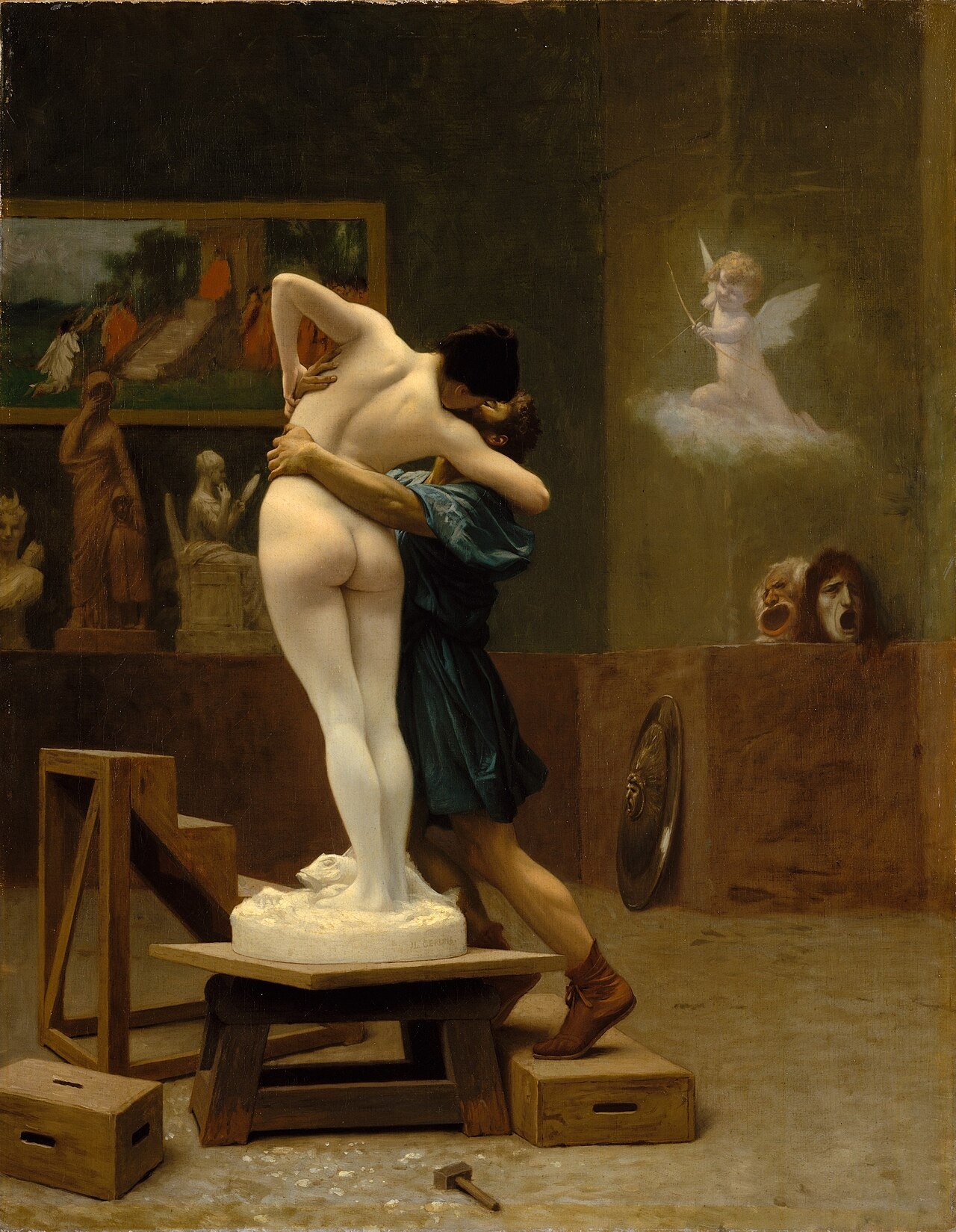
The phenomenon whereby other people’s expectations of a target person affect the target person’s behaviour, in a self-fulfilling prophecy. Being expected to do well is part of doing well — the expectation changes how the person is treated, and the treatment changes the result it was predicting.
19. Decoy Effect

This bias is widely used in marketing: consumers tend to have a specific change in preference between two options when also presented with a third option that is asymmetrically dominated. An option is asymmetrically dominated when it is inferior in all respects to one option but inferior in some respects and superior in others compared with the other — the third choice exists to steer the decision between the first two.
20. Selection Bias

The bias introduced by the selection of individuals, groups or data for analysis in such a way that proper randomization is not achieved, thereby failing to ensure that the sample obtained is representative of the population intended to be studied. The flaw is in who made the sample, and no amount of careful analysis afterwards can repair it.
21. Anchoring Bias

The tendency to rely too heavily on one trait or piece of information when making decisions, usually the first piece of information acquired on that subject. This is why first impressions are so important: the picture painted first gets anchored and becomes hard to change. It is also exploited in negotiations, where a seemingly unreasonable high price becomes the starting point and the buyer adjusts from it inadequately.
22. Confirmation Bias
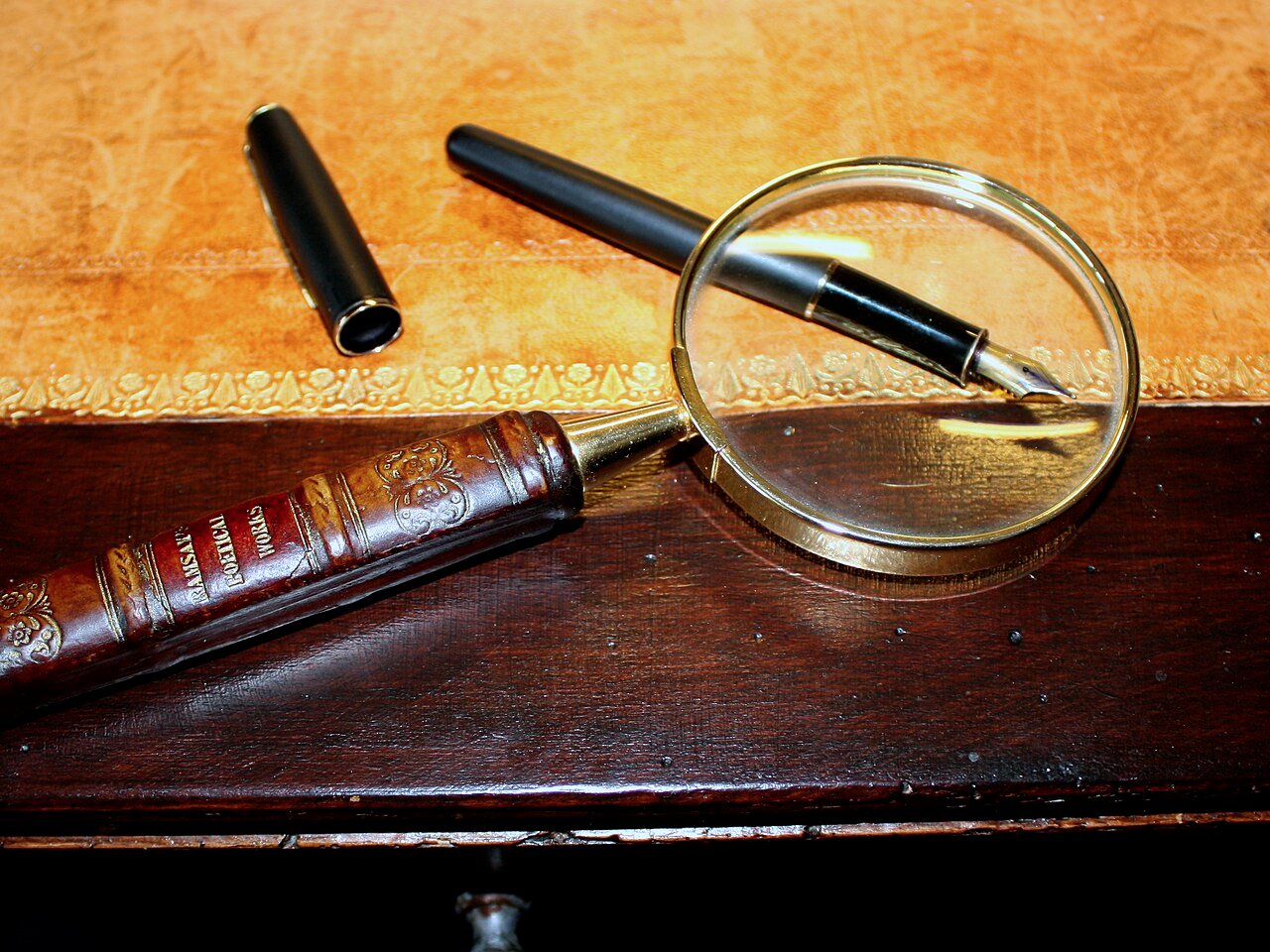
The tendency to search for, interpret and focus on, and remember information in a way that confirms one’s preconceptions. Evidence is not weighed, it is sorted: what fits is noticed and kept, what does not fit is explained away, missed or forgotten shortly after it arrives.
23. Overconfidence Effect
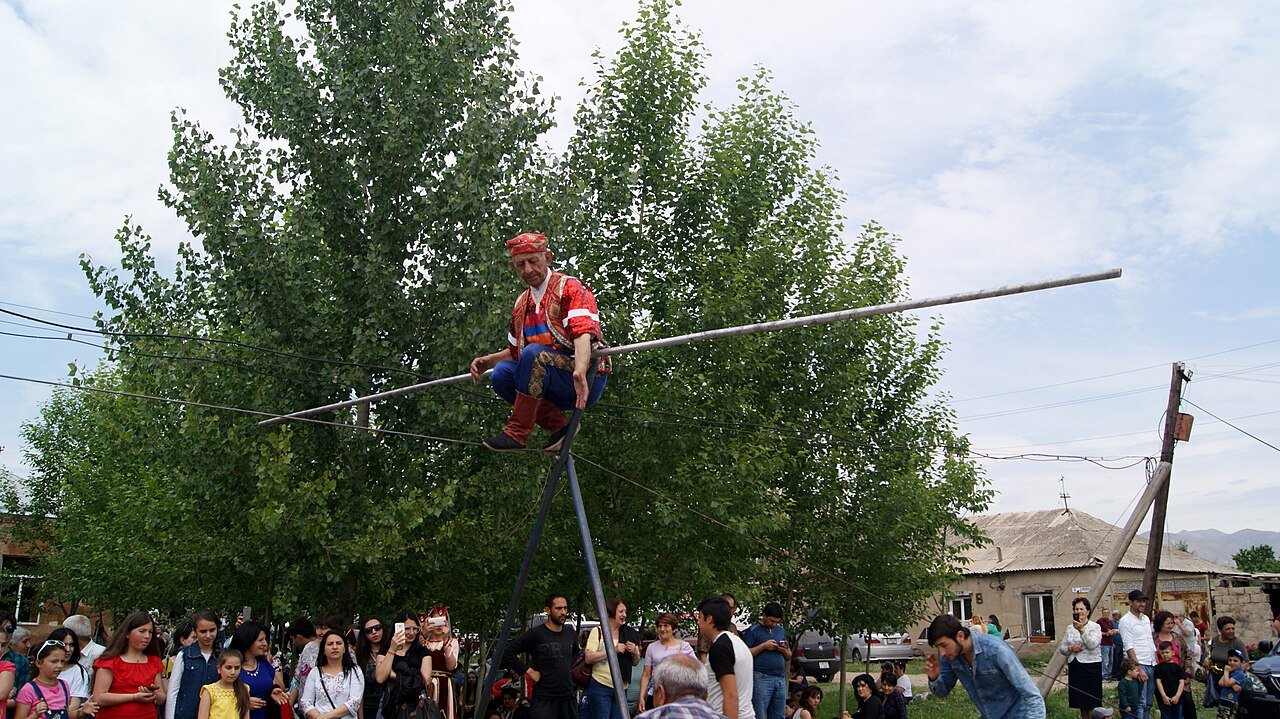
The tendency to have excessive confidence in one’s own answers to questions. For certain types of questions, answers that people rate as 99 per cent certain turn out to be wrong 40 per cent of the time. Certainty rises faster than accuracy, and being proved wrong rarely lowers the confidence by the amount it should.
24. Egocentric Bias
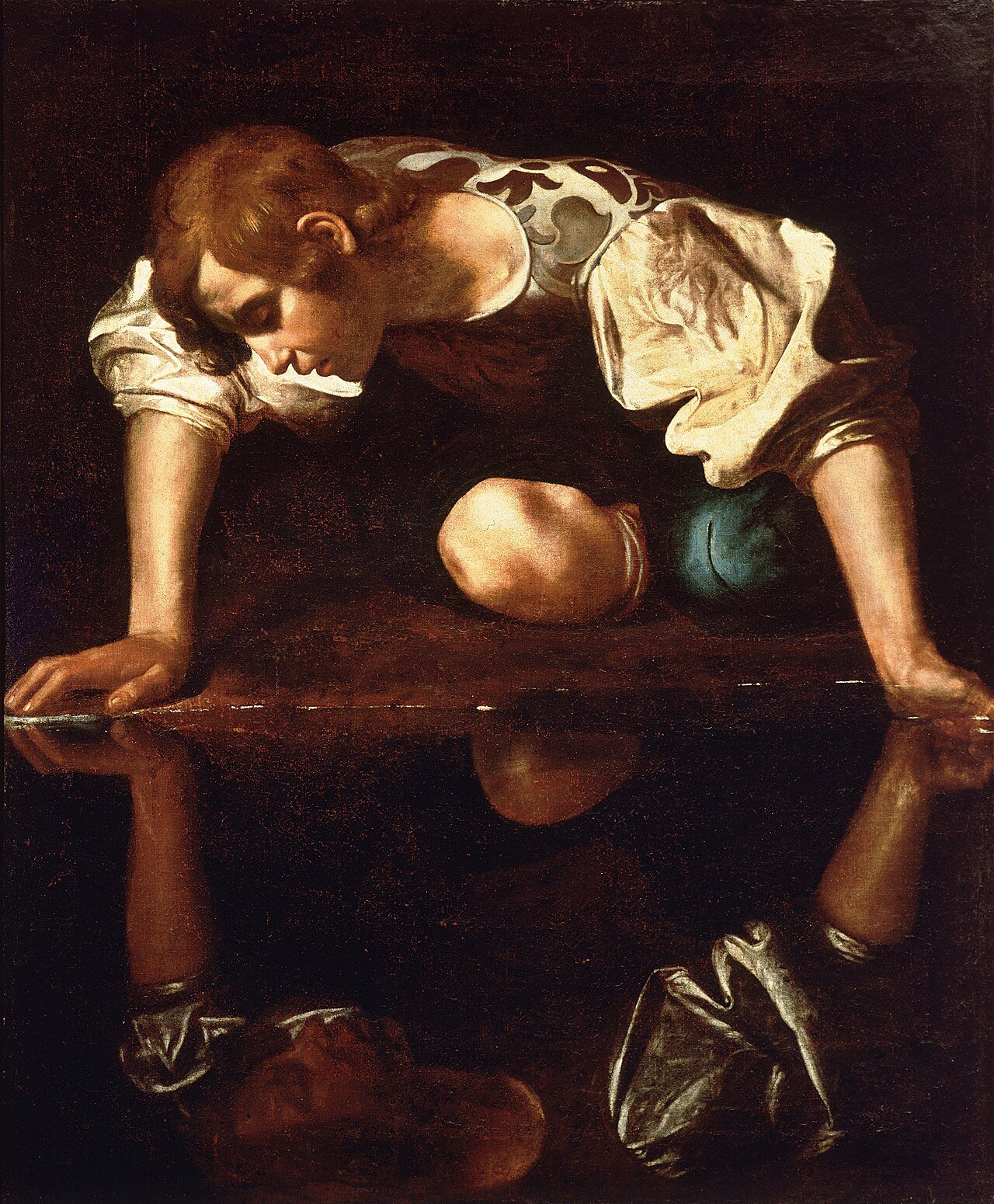
The tendency to rely too heavily on one’s own perspective, or to have a higher opinion of oneself than reality supports. Examples include the false consensus effect — overestimating the degree to which others agree with us — and false uniqueness bias, the tendency to see our projects and ourselves as more singular than they actually are.
25. Information Bias

A cognitive bias to seek information when it does not affect action. More data feels like progress, so the gathering continues past the point where any answer could change the decision — research becomes its own justification and the question of what it was for goes unanswered.
26. Hindsight Bias
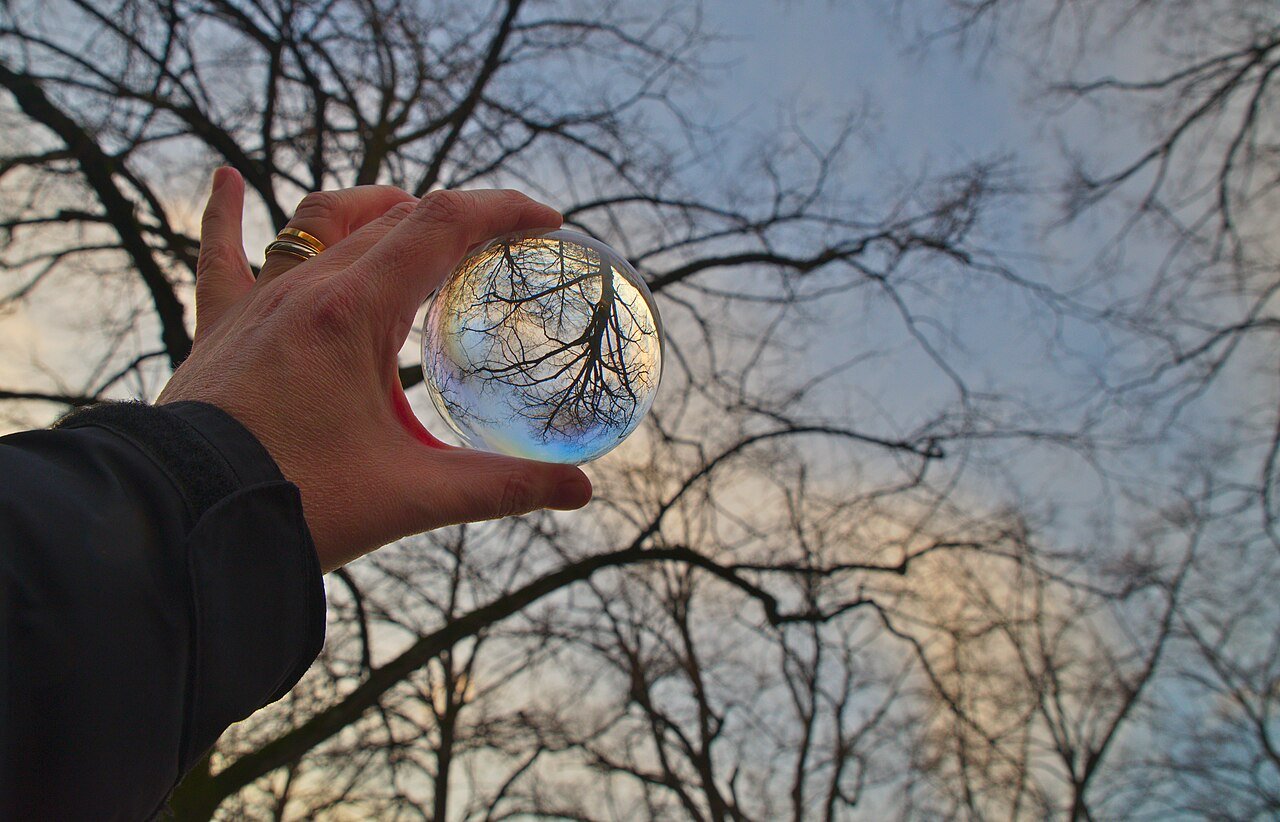
Sometimes called the I knew it all along effect: the common tendency for people to perceive past events as having been more predictable than they actually were. The outcome edits the memory of the prediction, and once the answer is known, the route to it looks obvious in a way it never was while the answer was still open.
27. Projection Bias

The tendency to overestimate how much one’s future selves will share one’s current preferences, thoughts and values, thus leading to suboptimal choices. Future you gets treated as present you — plans, promises and purchases are made for a person who may no longer hold the opinions they were made under.
28. Apophenia
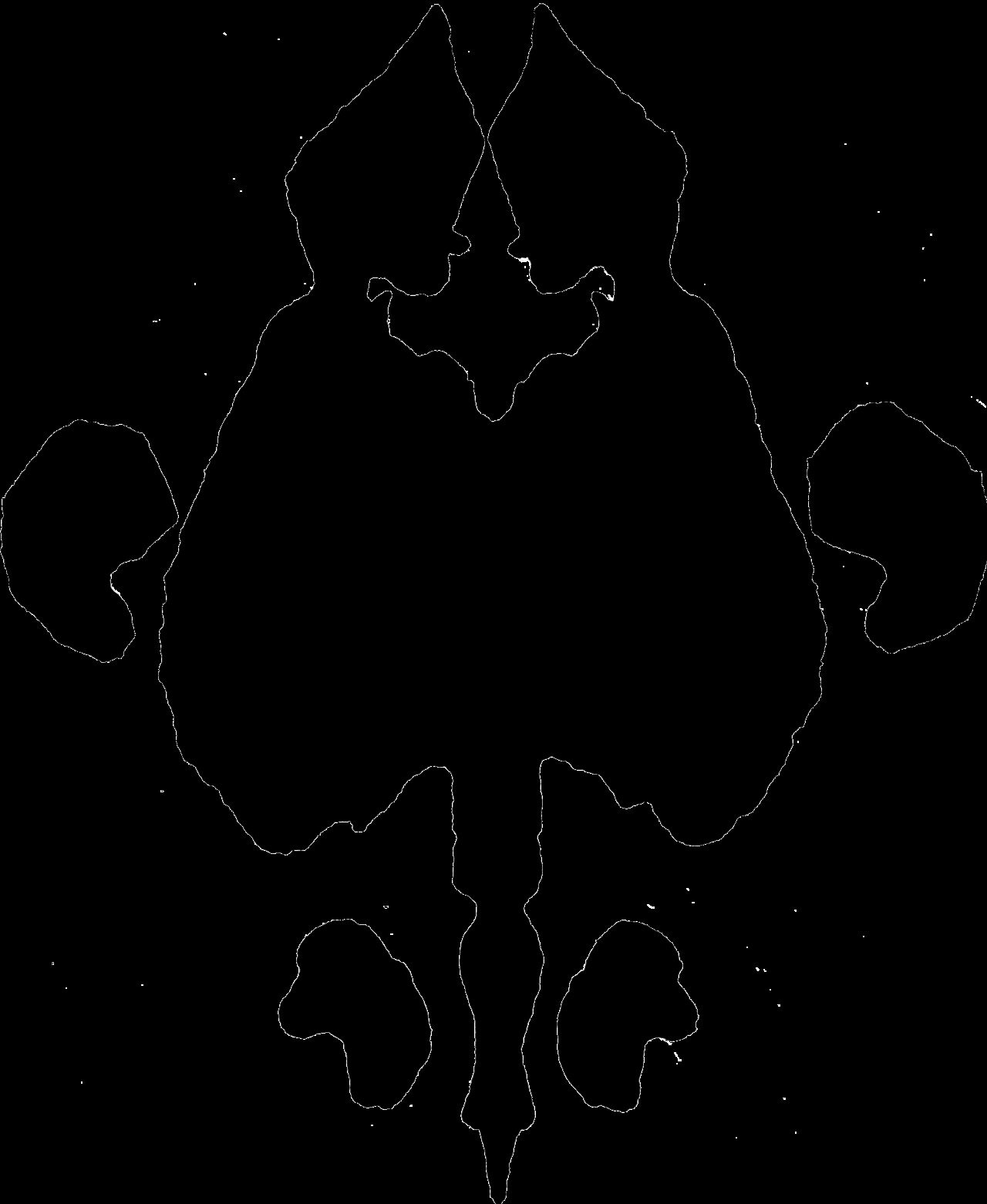
The tendency to perceive meaningful connections between unrelated things. This is one of the ways a stereotype leads people to expect certain groups and traits to fit together and then to overestimate the frequency with which those correlations actually occur. Another type is pareidolia, seeing images of animals in the clouds. The pattern is supplied by the observer, not found in the material.
29. Serial Position Effect

The tendency of a person to recall the first and last items in a list better than the middle ones. The middle is where recall thins out: openings and endings get attention and rehearsal, while everything between them is left to fend for itself.
30. Recency Bias

The recency bias gives greater importance to the most recent event — an interviewer who can vividly remember only the last person they spoke with, because that was the most recent conversation they had. It is related to the serial position effect. The last thing heard is the thing still ringing.
31. Authority Bias

The tendency to attribute greater accuracy to the opinion of an authority figure, no matter what the content of that opinion is. The source stands in for the argument: accuracy is credited to the rank rather than to the reasoning, so the same sentence carries different weight depending on the letterhead behind it.
32. Unit Bias

The standard suggested amount of consumption, such as a food serving size, is perceived to be appropriate, and a person would consume it all even if it was too much for that particular person. The portion defines the goal: the end of the unit becomes the signal to stop rather than the needs of the person working through it.
33. Availability Cascade

A self-reinforcing process in which a collective belief gains more and more plausibility through its increasing repetition in public discourse. It can be summarised in the phrase: repeat something long enough and it will become true. It is related to the availability heuristic. Repetition is mistaken for evidence — each retelling makes a claim easier to recall, and easier to recall makes it feel more likely.
34. Bandwagon Effect
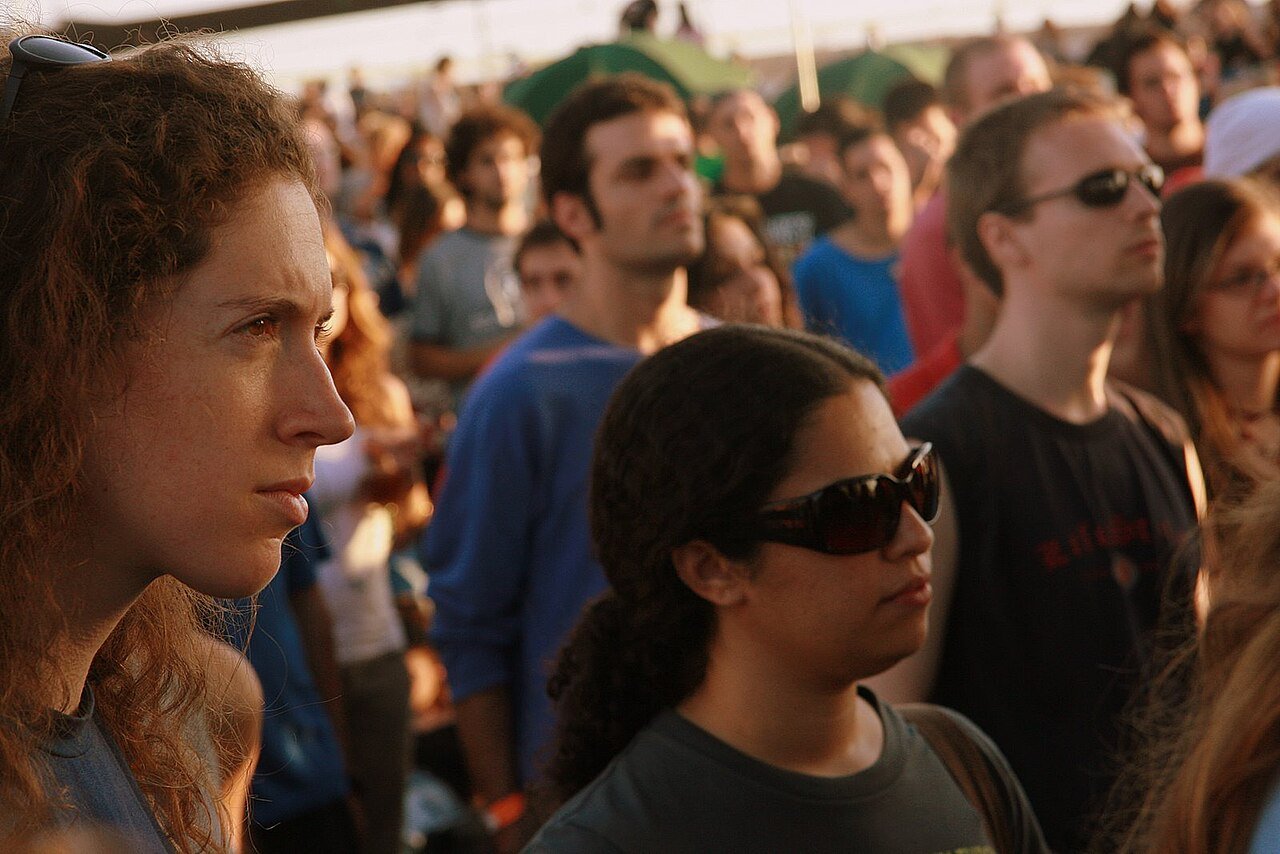
The tendency to do things because many other people do the same. This effect can happen for two reasons: conformism, when someone wants to fit in with others, and lack of information, when a person thinks the opinion of many people is probably more accurate than their own. Agreement is read as evidence, and the crowd substitutes for the case.
35. Illusory Truth Effect

People are more likely to identify as true statements they have previously heard, even if they cannot consciously remember having heard them. Fluency is taken for truth: a claim that arrives easily because it is familiar feels more accurate than the same claim arriving for the first time, whatever it is made of.
36. Next-in-Line Effect
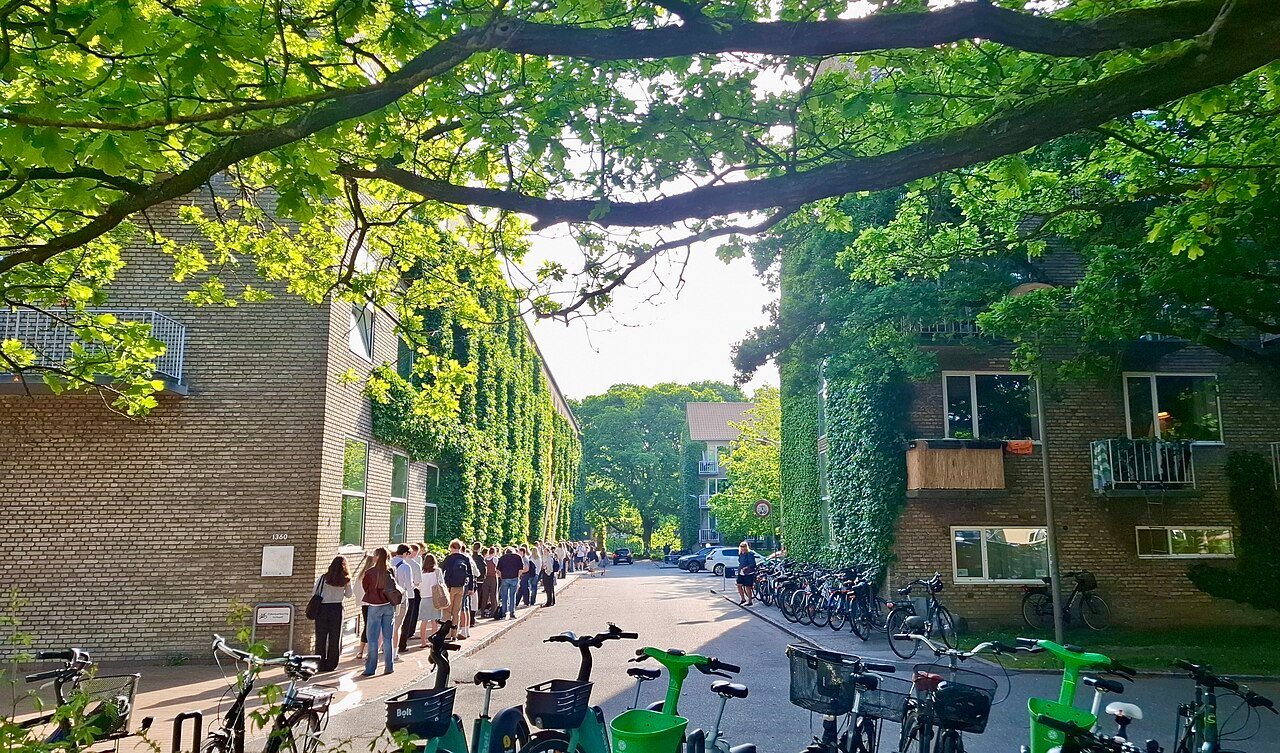
When taking turns speaking in a group using a predetermined order, such as going clockwise around a room, people tend to have diminished recall for the words of the person who spoke immediately before them. Waiting to speak costs you the listening — attention is already on the next turn while the current sentence is still being said.
37. Ingroup Bias
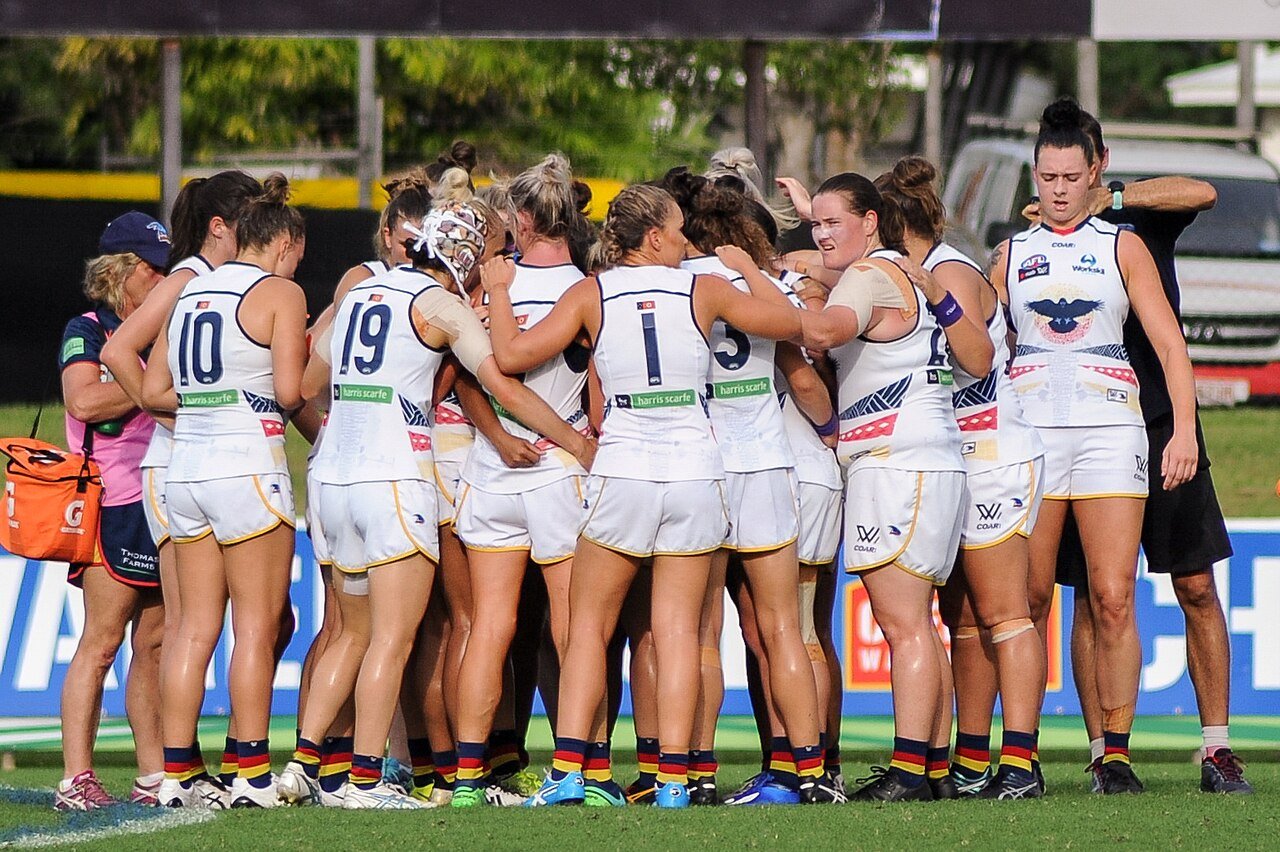
The tendency for people to give preferential treatment to others they perceive as members of their own groups. It usually happens because we encounter and interact with people in our group much more frequently than with strangers, which makes our group seem unique while people outside it seem boring and conformist — and the mere exposure effect plays a role in this bias too.
38. Spotlight Effect

The sensation that everybody is focused on us, which comes from overestimating the extent to which other people notice our appearance or behaviour. The audience is imagined far larger than it is — everyone else is busy running the same experiment about themselves, and hardly anyone is watching ours.
39. Choice-Supportive Bias

The tendency to remember our choices as better than they actually were, because we tend to over-attribute positive features to options we chose and negative features to options not chosen. Choosing something edits its file, and the option we passed over gets edited in the opposite direction at the same moment.
40. Ostrich Effect
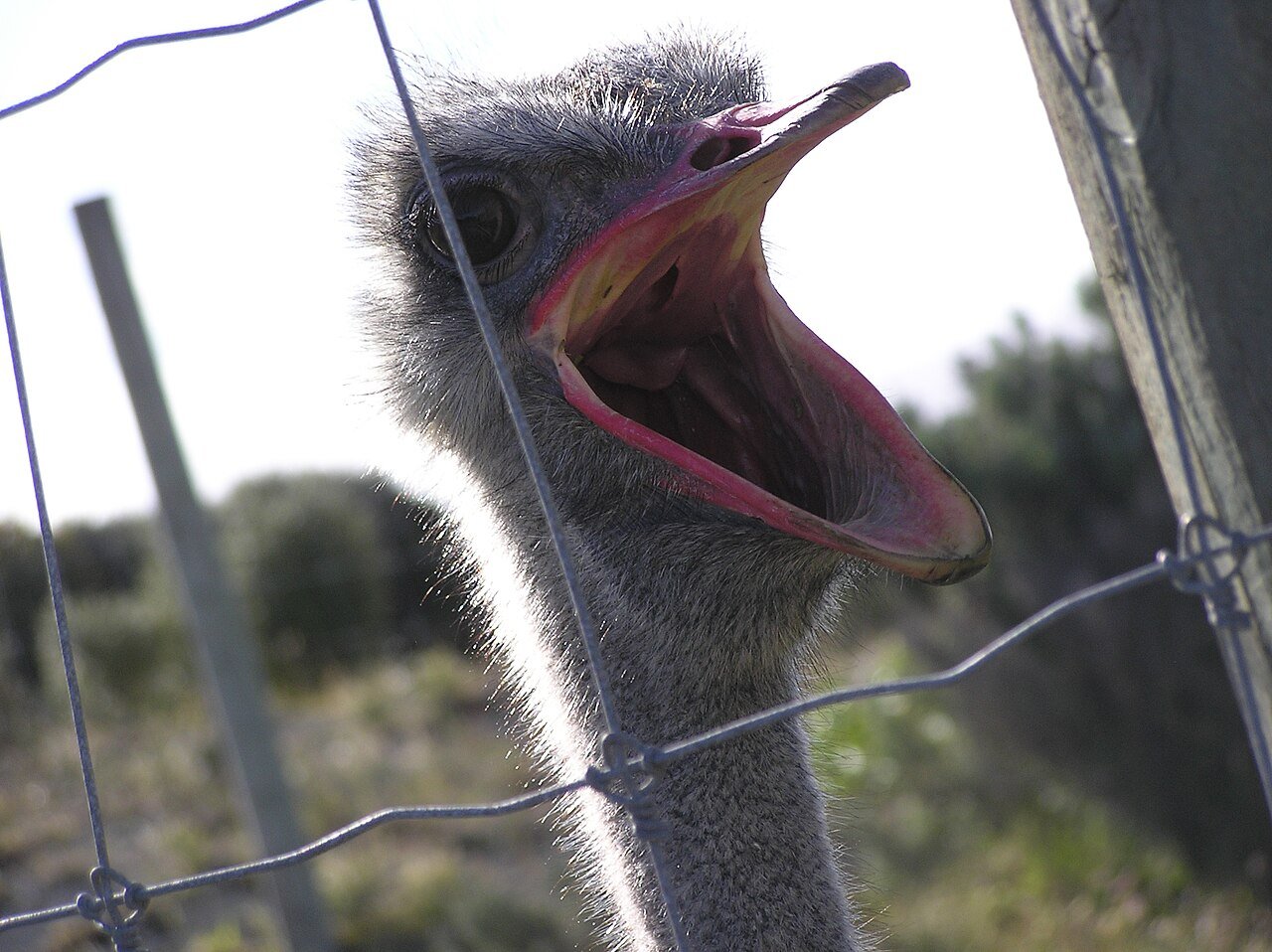
People tend to bury their head in the sand and avoid potentially negative but useful information, just to avoid psychological discomfort. The bad news is treated as the problem instead of as information, and not looking feels like relief right up until the moment the thing being avoided stops being avoidable.
41. Selective Perception Bias
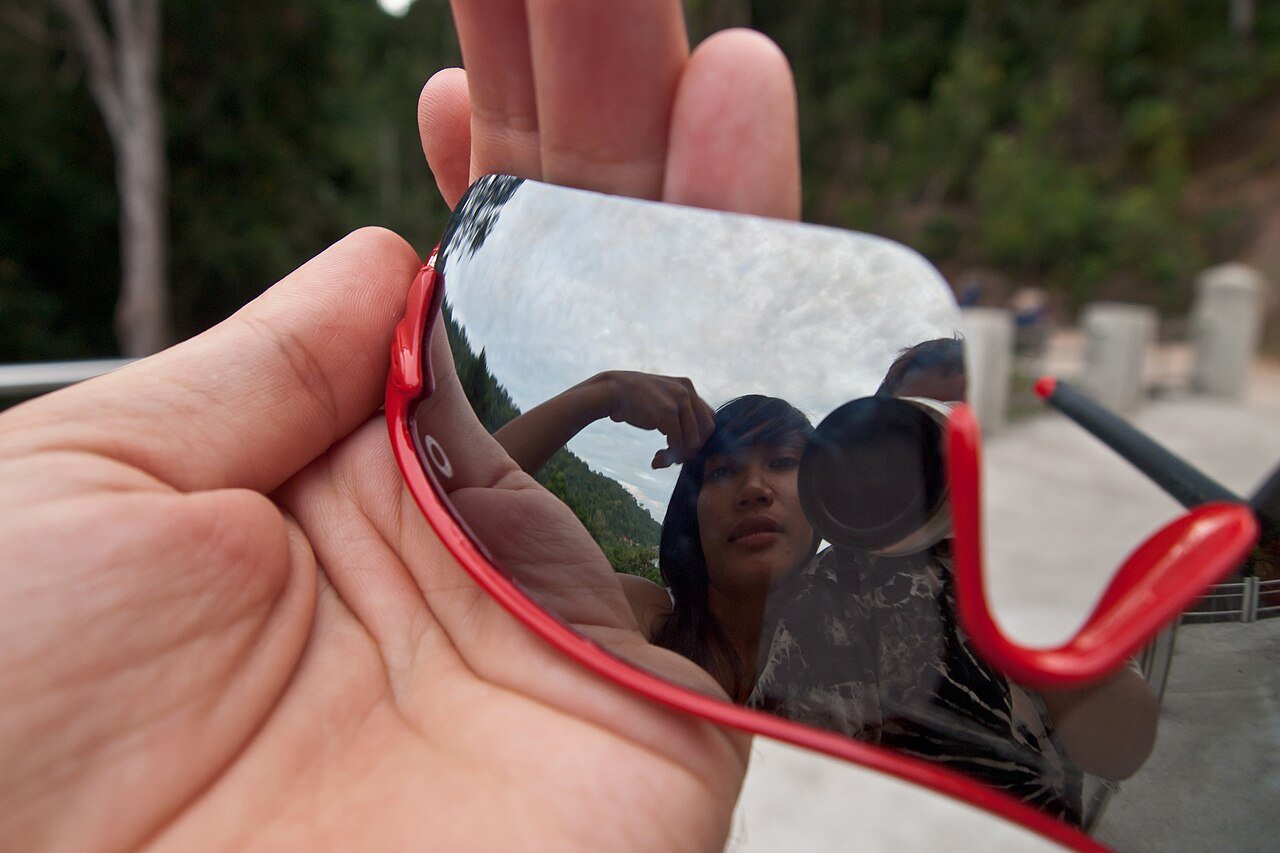
The tendency not to notice, and to more quickly forget, stimuli that cause emotional discomfort and contradict our prior beliefs. Discomfort acts as a filter: what agrees with us gets through and stays, what challenges us is missed on the way in or dropped shortly after.
42. Peak-End Rule

People seem to perceive not the sum of an experience but the average of how it was at its peak and how it ended. Memory keeps two points — the most intense moment and the last one — and the long middle of an experience, however good or bad, barely counts in the verdict.
What Comes Next?
The list is not forty-two separate defects to be repaired one by one. Read in order it is one repeated complaint: the mind answers an easier question than the one it was asked — how likely, how good, how much, what does everyone else do — and returns the answer with full confidence.
Knowing the names does not disable them, because the bias blind spot is itself on the list. What the video models instead is slower: say out loud what you are looking at, ask which question you actually answered, and check whether the answer came from the evidence or from the way the evidence was framed. The next decision is where the whole list gets tested, usually one you already feel certain about.
Image Credits
- Kaleidoscope (192276807) by Benjamín Calatrava — CC BY 3.0
- Rear-view mirror by Dcoetzee — Public domain
- Dice and Spanish-language character sheet during an RPG session by Jorge Leal — CC BY 2.0
- Interview room empty chair by Blsamue — CC BY-SA 4.0
- Big wave breaking in Santa Cruz by Brocken Inaglory — CC BY-SA 3.0
- Helping Hand Volunteer 02 by Helpinghandsvolunteer — CC BY-SA 4.0
- James Gillray – The Reflection, Grotesque Fat man Looking in a Hand Mirror – B1977.14.6036 – Yale Center for British Art by James Gillray — CC0
- Copped Hall interior empty picture frame, Epping, Essex, England 01 by Acabashi — CC BY 4.0
- Chinese Theater Production with Actors Props Stage and Audience Pre-1912 Location Probably Shandong Province by Johan Aldred Rinell (attributed) — Public domain
- The wall of a room covered with framed pictures and stuffed Wellcome V0040721 by Unknown artist — CC BY 4.0
- Men in athletic attire arriving at the tape at the finishing line of a race. The first two competitors have skull and crossbone insignia on their shirts, the symbol used by 90 C.T.S., based at Camp (8512999059) by Deseronto Archives — No restrictions
- Poster wall for Sherlock Holmes (2009 film) in Manchester-3912760405 by essers — CC BY 2.0
- Concrete stairs on a steep hiking trail in Shivapuri Nagarjun National Park by Krishna k. sahh — CC0
- “Photograph made from B-17 Flying Fortress of the 8th AAF Bomber Command on 31 Dec. when they attacked the vital CAM bal – NARA – 535712 by Unknown author — Public domain
- Selfridges, Birmingham – orange lights at night – Park Street – billboard – Honda (6452751625) (2) by Elliott Brown from Birmingham, United Kingdom — CC BY 2.0
- Bookshelves in Faculty of Arts Library, Chulalongkorn University by Geonuch — CC BY-SA 4.0
- Mountaineers on summit of Mount Adams by Mattsjc — CC BY 4.0
- Gentile da Fabriano – Coronation of the Virgin by Gentile da Fabriano — Public domain
- Jean-Léon Gérôme, Pygmalion and Galatea, ca. 1890 by Jean-Léon Gérôme — Public domain
- Duck Hunting Traditions (50569335113) by USFWS Mountain-Prairie — Public domain
- Playground sand sieve by SupapleX — CC BY-SA 4.0
- Ship Anchor NMGL by Mbrickn — CC BY 4.0
- Magnifying glass on antique table by Stéphane Magnenat — CC BY-SA 4.0
- Tightrope walker in Hnaberd (1) by Armineaghayan — CC BY-SA 4.0
- Narcissus-Caravaggio (1594-96) by Caravaggio — Public domain
- Archive shelves (41054237191) by Luke McKernan — CC BY-SA 2.0
- Tree through a crystal ball by Balise42 — CC BY-SA 4.0
- Hourglasses by Aaaatu — CC BY-SA 4.0
- Rorschach Inkblot Test (PSF) by Pearson Scott Foresman — Public domain
- Adult alphabet blocks. (31907021871) by Billie Grace Ward from New York, USA — CC BY 2.0
- Boston Korea newspapers at H Mart Burlington by Chang at Boston Korea — CC BY 4.0
- 3D Judges Gavel by Chris Potter — CC BY 2.0
- NCI Visuals Food Meal Dinner by Unknown photographer/artist — Public domain
- Phu Sang Waterfall 01 by Khunkay — CC BY-SA 3.0
- Crowd at Noam Rotem concert by Asaf antman — CC BY 2.0
- 2010 newspaper press Bulawayo Zimbabwe 6423798769 by David Brewer from Brookmans Park, England — CC BY-SA 2.0
- Exam time queue university library Aarhus 02 by Ciara Ní Riain — CC BY-SA 4.0
- Adelaide AFLW huddle by Flickerd — CC BY-SA 4.0
- Smoke and light beams (Unsplash) by Daniel Robert danielrobertdinu — CC0
- Damaged signpost at Huxton Fork – geograph.org.uk – 5028095 by David Smith — CC BY-SA 2.0
- Ostrich head 04 by Tony Wills — CC BY-SA 3.0
- Koh Kut, Thailand, Reflections on sunglasses by Vyacheslav Argenberg — CC BY 4.0
- Karst peaks with sea of clouds at sunrise, South view from the top of Mount Nam Xay, Vang Vieng, Laos by Basile Morin — CC BY-SA 4.0