
The Craziest Ways History’s Deadliest Warriors Died
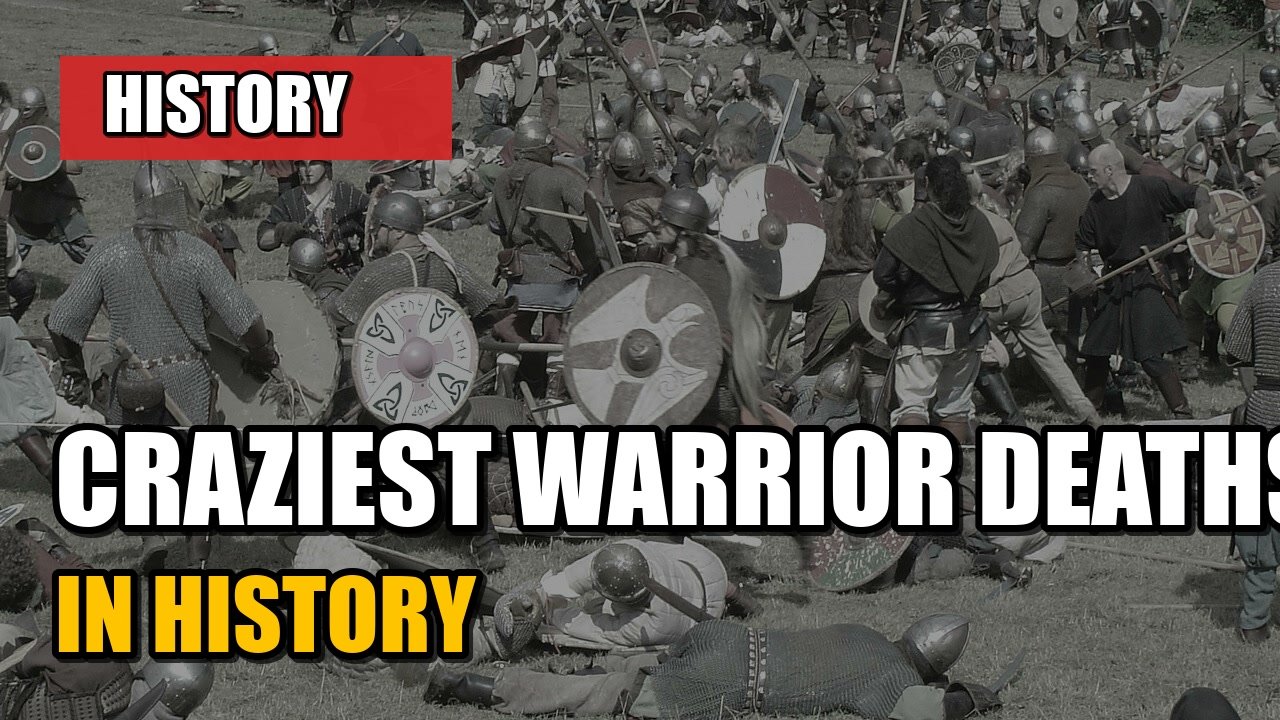
A victorious Viking killed by the dead man’s bucktooth, a Roman emperor used as a human footstool, and a war hero taken out by a foggy commuter flight. Twelve of history’s deadliest warriors — and the strangest ends any of them came to.
The Paint Explainer walks through them in the video’s order, from the Scottish Highlands to a Chinese camp gate: how each fighter lived, and exactly how it all went wrong.
1. Sigurd the Mighty

Sigurd the Mighty, one of the fiercest Vikings, earned his reputation by conquering large parts of northern Scotland. But what cemented him in history is the insane way he died. One of his biggest rivals was Mail Brigte, nicknamed “the Bucktoothed” for his noticeably protruding teeth. To settle their conflict, the two agreed to a fair fight, each bringing exactly 40 men.
Sigurd secretly brought 80 instead. He easily defeated Mail and his men, and to celebrate he cut off Mail’s head and tied it to his saddle as a trophy. Here’s where things take an unbelievable turn: as he rode, the dead man’s protruding tooth scraped against Sigurd’s leg, cutting his skin. That small cut became infected, and with no modern medicine to treat it, the infection spread through his body and eventually killed him. His rival basically killed him after he was already dead.
2. Dianwei
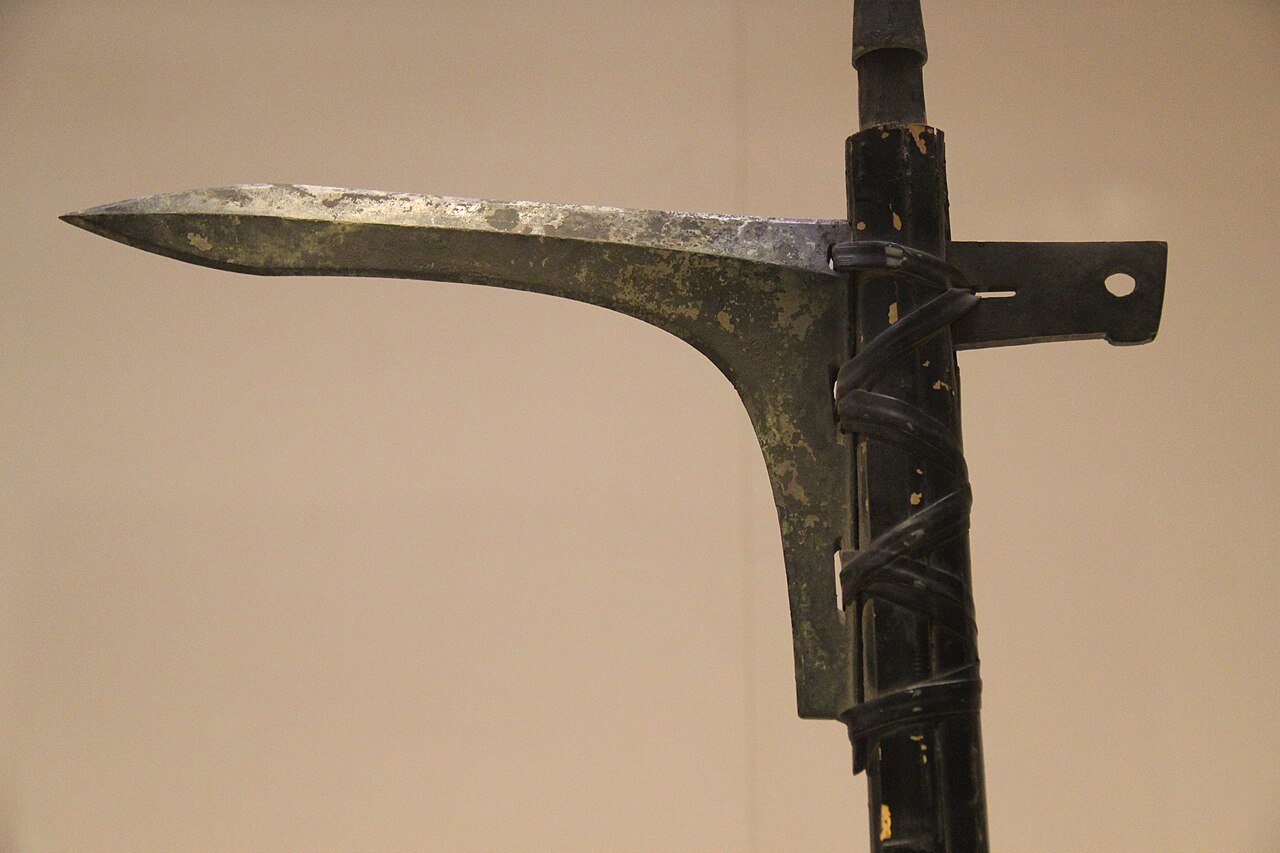
Dianwei, one of the strongest bodyguards in ancient Chinese history, served under the warlord Cao Cao and was famous for two huge iron halberds — said to be so heavy that most soldiers could barely lift one. He swung both at once like they weighed nothing, and was so powerful that they compared him to Erlang, a legendary figure from Chinese folklore known for superhuman strength.
Everything changed during a sudden night attack when a rival general launched a surprise raid — a general who had previously surrendered without fighting. An army of thousands was now against Dianwei and his squad of roughly 10 bodyguards. Instead of running, he grabbed his halberds and fought at the camp gate: he broke enemy spears, killed multiple attackers, and when his halberds finally snapped he kept going despite dozens of spear and arrow wounds — fighting until Cao Cao could escape out the back of the camp. As he succumbed to blood loss he reportedly glared furiously at the enemy and cursed them aloud, and even after dying he looked so terrifying that the enemy refused to approach his corpse, assuming he was still alive.
3. Emperor Valerian

Valerian was the Roman Emperor who ruled during one of the most chaotic periods of the empire, when Rome was being attacked from almost every direction. Much of his time went to defending the eastern borders against the Sassanid Persian Empire led by Shapur I. In a show of courage, instead of sending generals, Valerian personally marched east with a massive army — but his campaign turned against him as disease and supply problems weakened the camp.
Rather than retreating while he still could, believing he could negotiate peace, Valerian agreed to meet Shapur in person. The meeting was a trap: he was captured on the spot, the first Roman emperor in history taken prisoner by an enemy. According to apocryphal accounts, he spent the rest of his life in extreme humiliation — some claim Shapur used him as a human footstool, forcing him to kneel so the Persian king could step on his back to mount his horse. And after Valerian died in captivity, the stories get darker still: those accounts claim Shapur had his skin removed, dyed red, and preserved as a trophy in a Persian temple.
4. General John Sedgwick
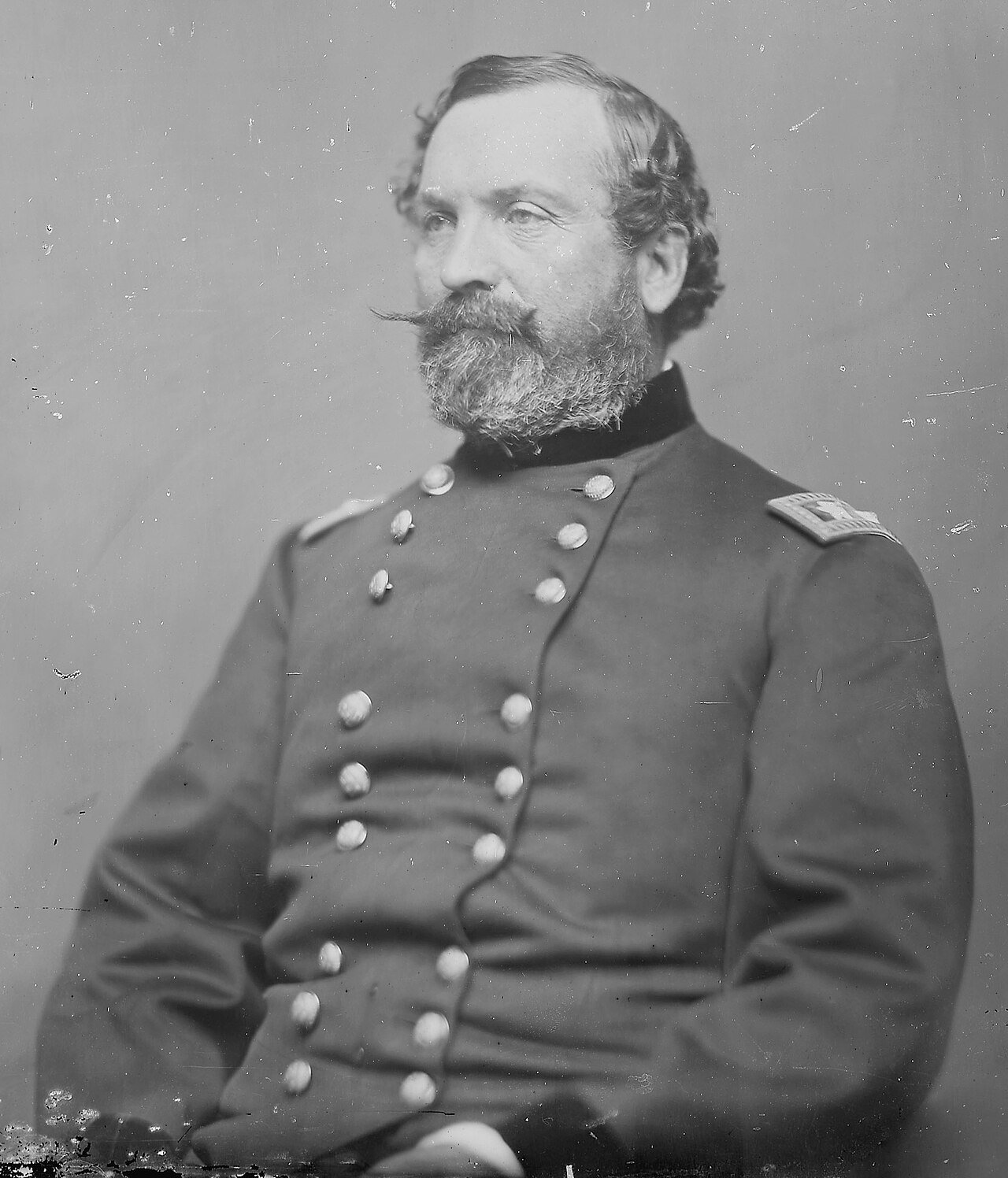
Known as Uncle John, Sedgwick was one of the most respected high-ranking officers in the Union Army during the American Civil War, commanding thousands through some of the bloodiest battles of the war. He fought at Antietam — the bloodiest single-day battle in American history, with over 23,000 casualties — where he was wounded multiple times but kept leading his men anyway.
The most famous part of his life, though, is its end. During the Battle of Spotsylvania Courthouse, Sedgwick was inspecting his artillery position when Confederate sharpshooters began firing from a distance. Many of his soldiers ducked and flinched every time a shot rang out. To calm them down, Sedgwick said the enemy couldn’t hit an elephant at that distance. Almost immediately after saying it, a bullet from one of those same sharpshooters struck him just below the eye, killing him basically instantly. His last words became one of the most famous quotes in American military history.
5. Oleg of Novgorod

Oleg of Novgorod, known for uniting scattered Slavs in Ukraine and Russia into one state, pulled off one of the boldest military moves of his time: he led a massive campaign against the Byzantine Empire, sailing hundreds of ships toward Constantinople and scaring the empire into a peace deal that gave his merchants tax privileges and payments. According to an apocryphal old account, he even had his soldiers put wheels on their ships so they could roll across land.
Then his story takes a strange turn. The same old account says a pagan priest once warned him that he would die because of his own horse. So Oleg sent the horse away, thinking he had escaped his fate. Years later, when he learned the horse had died of old age, he laughed it off and went to see its remains — and as he stood over the horse’s skull, a venomous snake hiding inside it bit him, and he died shortly after from the poison.
6. Qin Shi Huang
Qin Shi Huang was the first emperor to ever unite China, conquering six rival kingdoms one by one with massive, well-organized armies. Once he had conquered everyone, he created one uniform system for writing and currency while expanding earlier defensive walls into what would eventually become the Great Wall of China. But as his reign continued, he became obsessed with one enemy he couldn’t defeat: death itself.
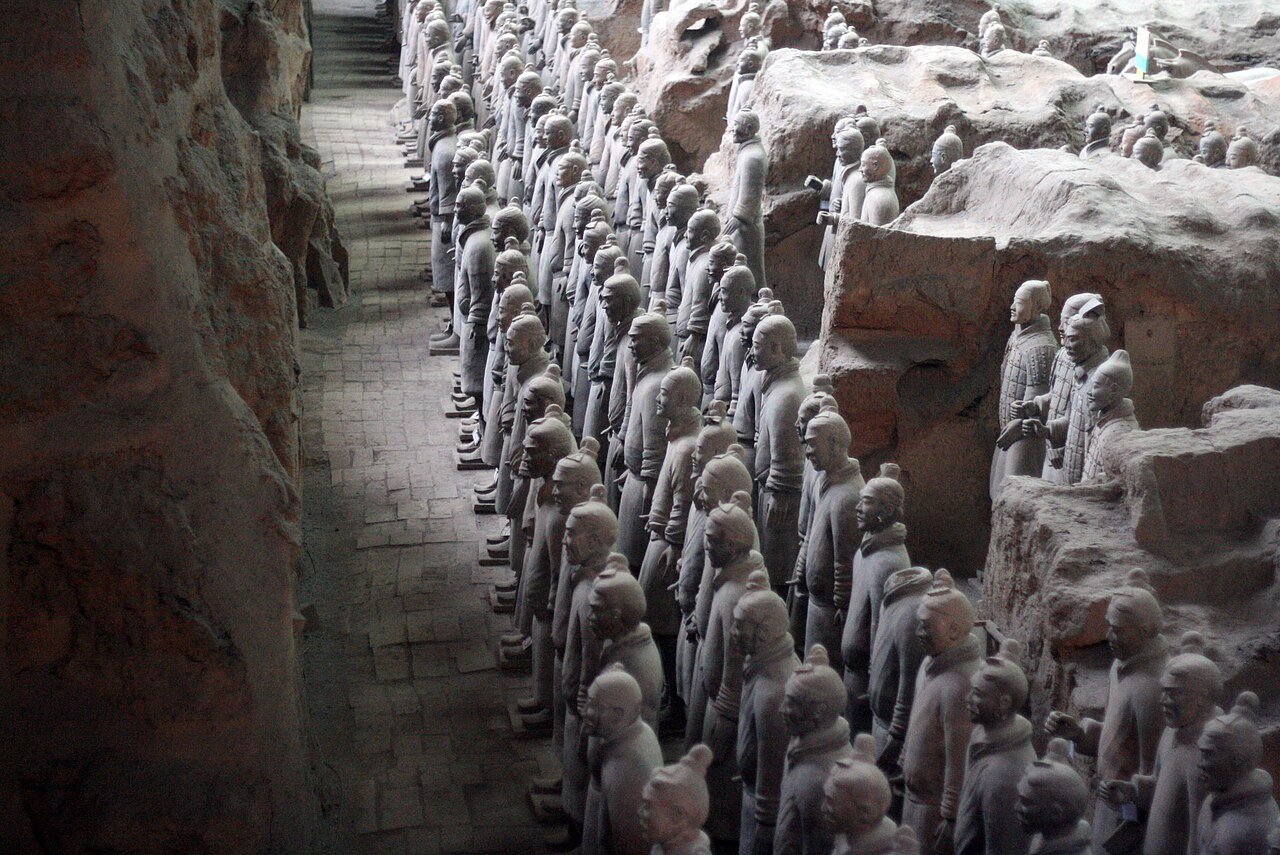
His goal was immortality — and that’s exactly what led to his downfall. He began regularly consuming pills made with mercury, a toxic metal alchemists mistakenly believed could extend life. Instead of making him immortal, the pills slowly poisoned his body, and he died at 49, a relatively young age for a ruler of his era. The same pills he took to lengthen his life shortened it. After his death, his passing was kept secret for weeks to avoid a rebellion that might split China again, while his advisors transported his body back to the capital — reportedly surrounding the corpse with rotten fish to hide the smell. He was eventually buried in a massive underground tomb guarded by the now-famous terracotta army.
7. Attila the Hun

Known to the Romans as the Scourge of God for the destruction he brought wherever he went, Attila united many different tribes into one of the largest and most feared armies of his time. He used it to repeatedly invade the Eastern Roman Empire, demanding huge amounts of gold just to keep his forces from attacking — and the Romans were so afraid they usually paid whatever he asked instead of risking a fight.
He later turned west, invading northern Italy and sacking its major cities before withdrawing to his stronghold — sending a warning that his withdrawal was no peace treaty unless the emperor handed over his sister (his would-be bride) along with half the Western Roman Empire as a wedding gift. Western Europe was terrified. That panic ended abruptly: after decades of brutal warfare, Attila suddenly died in arguably one of the most embarrassing ways in history. After celebrating his marriage to a new bride, he went to bed after heavy drinking and was found dead the next morning. Historians believe he likely suffered a severe nosebleed lying down and, being extremely drunk, choked on his own blood in his sleep. The man who terrified two empires and reshaped the map of Europe died from a simple nosebleed. Legend says his guards buried him, then killed the workers who built the grave to keep its location secret — to this day, no one has found his resting place.
8. Eleazar Maccabeus

Eleazar was one of the five Maccabee brothers who led a Jewish rebellion against the powerful Seleucid Empire, and he became known as one of the most fearless fighters in it — on multiple occasions surprisingly beating much larger, better-equipped armies.
Then, during the Battle of Beth Zachariah, the Seleucids brought armored war elephants onto the field. Most soldiers had never seen an elephant and were afraid. Eleazar looked closely and noticed one elephant more decorated than the others; believing it must carry the enemy king himself, he saw a chance to end the war in one bold move. He pushed through the chaos, got underneath the massive animal, and stabbed it from below. The plan worked — the elephant died immediately. But as the massive animal collapsed, it fell directly on top of him, crushing him to death instantly. To make it even more tragic: the king wasn’t even riding that elephant.
9. Mithridates VI of Pontus
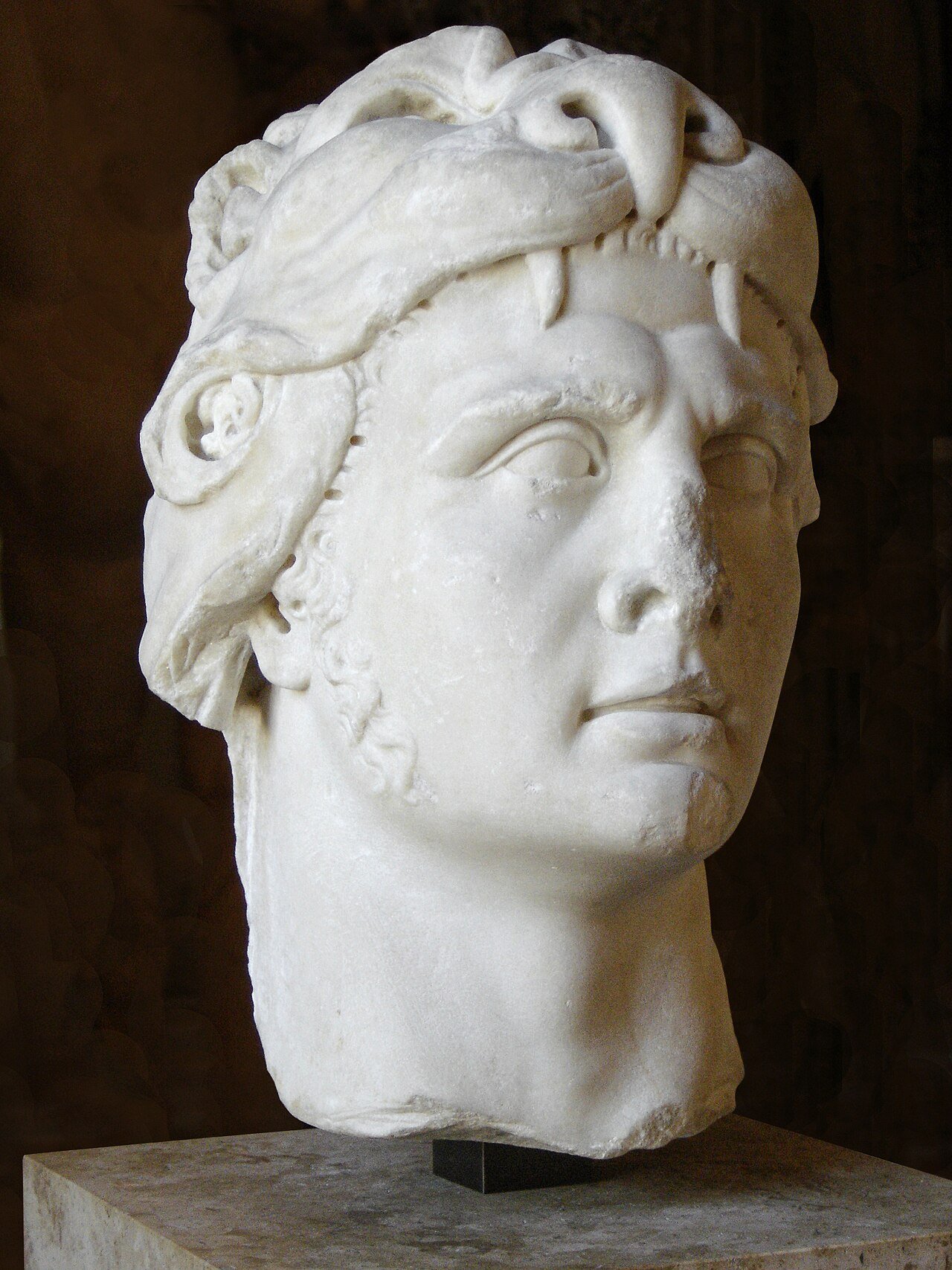
Mithridates VI was one of the most dangerous enemies the Roman Republic ever faced: a king in what is now northern Turkey who expanded aggressively and launched a series of wars against Rome. In one of his boldest moves, he orchestrated a mass killing in which tens of thousands of Roman citizens living in Asia Minor were murdered in a single coordinated attack. He also became famous for a supposed habit of taking small doses of various poisons every day for years, building up a tolerance so no enemy could ever assassinate him with poison.
His downfall came from a betrayal much closer to home: after major defeats by a Roman general, he retreated to rebuild his power, only for his own son to turn against him, leaving the aging king cornered. He would rather die than be captured and paraded through Rome. So he attempted to poison himself — but his body had become so resistant to poison from years of building immunity that the poison didn’t work. He had basically taken away his ability to have a quick, painless death, forcing him to ask his own bodyguard to kill him with a sword instead.
10. Frederick I Barbarossa

Frederick I, a Holy Roman Emperor, ruled at a time when his territories were always on the edge of falling apart — and still managed to hold his empire together for decades. Then, at the height of his power and almost 70 years old, Frederick decided to join the Third Crusade to reclaim Jerusalem, gathering one of the largest armies Europe had ever sent on a crusade. Many, because of his old age, expected him to die in heroic battle.
His story took an unexpected turn. After leading his army through a brutal mountain march, he went to bathe and cool off in the Saleph River in modern-day Turkey. But the water was incredibly cold — and the temperature shock likely caused a sudden cardiac arrest, ending his life. One of history’s most powerful medieval emperors got killed by a simple river.
11. Blackbeard
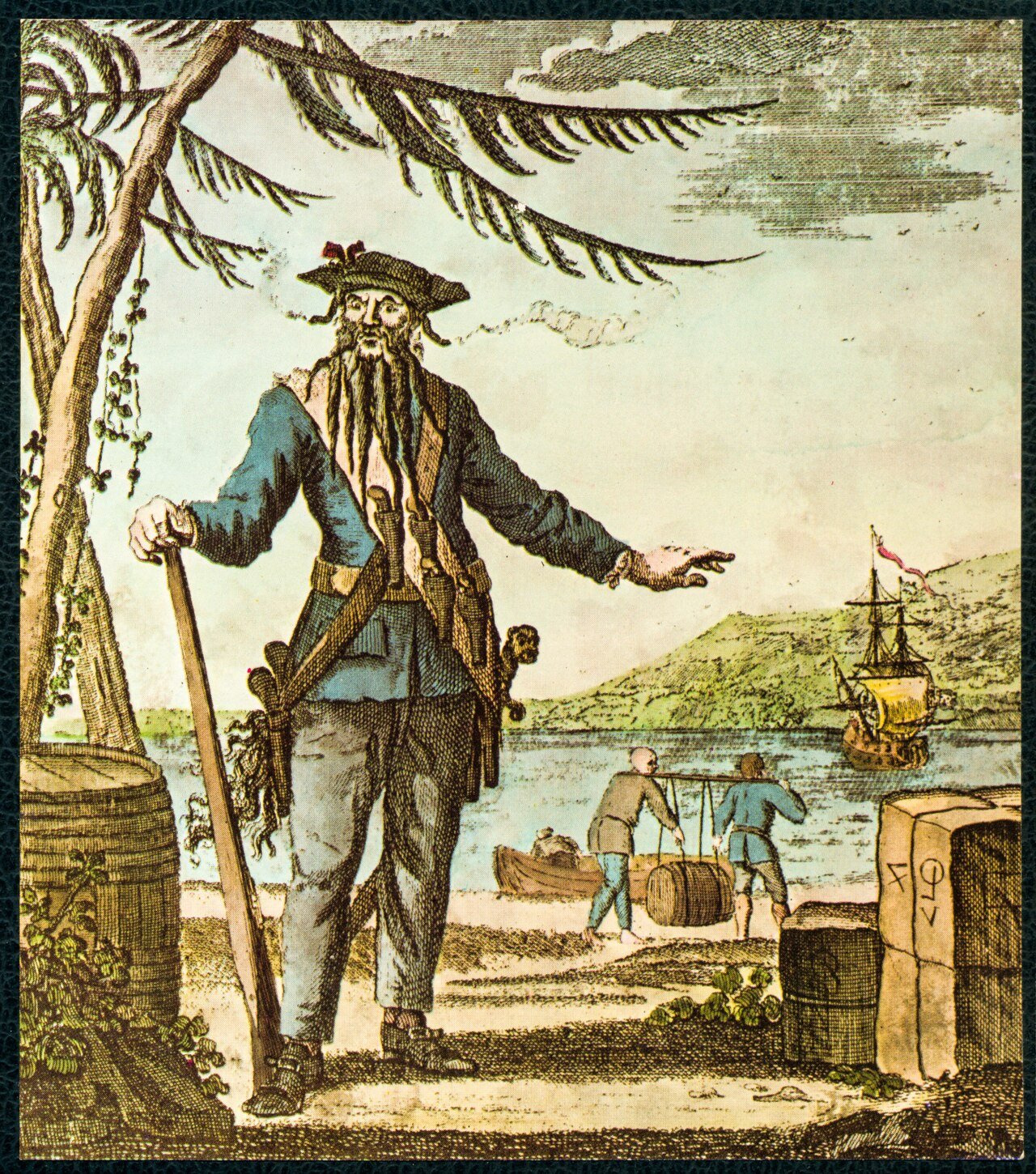
You likely know him as one of the most feared pirates, but you might not know the incredible way he died. He was known for tying lit fuses into his thick beard so smoke curled around his face during fights, making him look like a demon, and for commanding the Queen Anne’s Revenge, which he loaded with dozens of cannons. He rarely needed to actually fight — his appearance and reputation alone made most ships surrender.
His downfall came fast. The governor of a nearby colony, tired of Blackbeard’s raids hurting trade, sent a young lieutenant named Robert Maynard with two ships to hunt him down. They cornered him, and Blackbeard — expecting an easy win like always — boarded Maynard’s ship personally to finish the fight up close, only to find it was a trap: most of Maynard’s crew had been hiding below deck and swarmed him the moment he stepped aboard. Even after being shot and stabbed more than 20 times, he reportedly kept fighting until he collapsed from blood loss. Afterward, Maynard cut off his head and hung it from the front of his ship as proof the pirate was really dead.
12. Audie Murphy
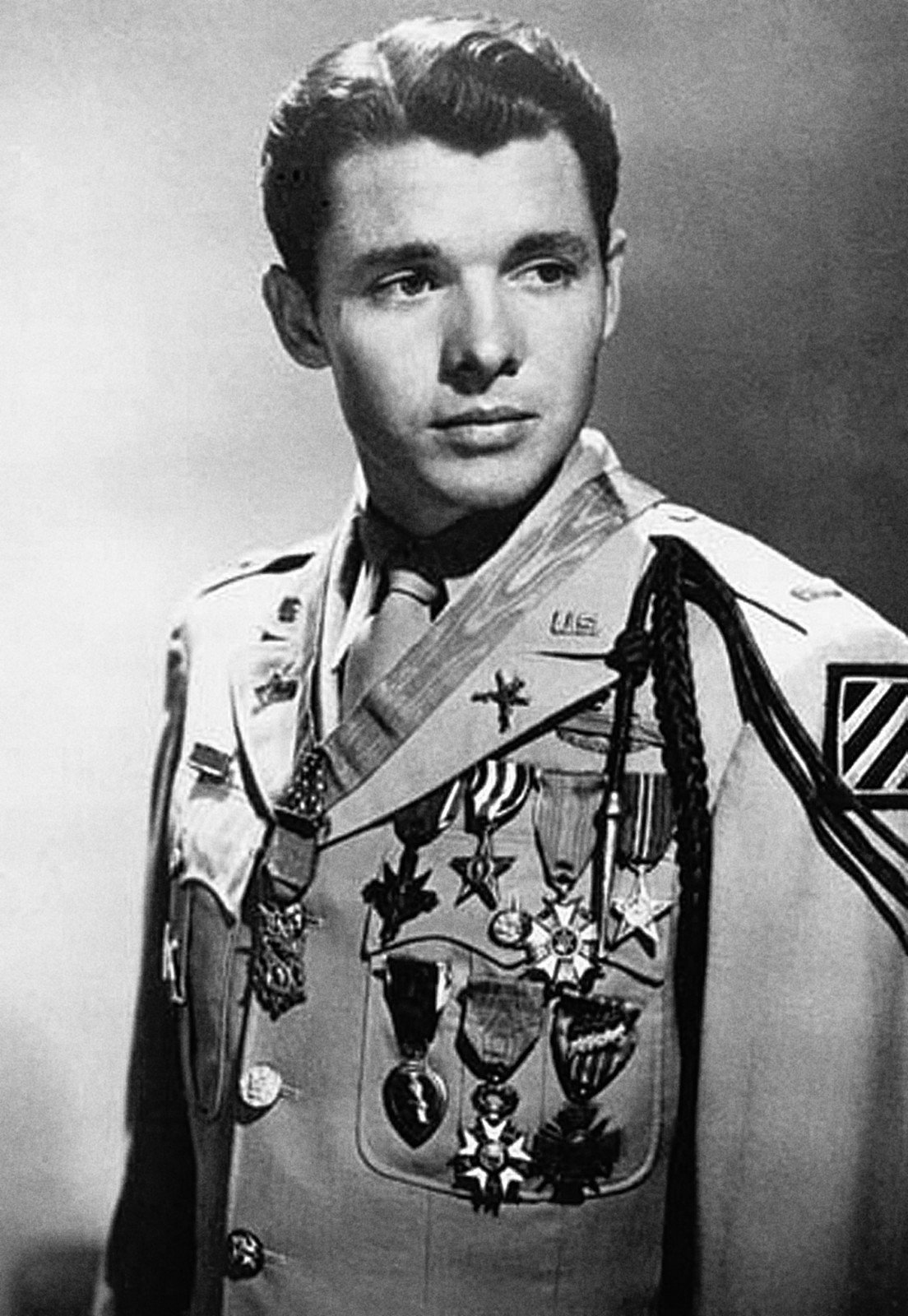
Audie Murphy, once rejected by multiple branches of the military for being too short and too skinny, became one of the most decorated American combat soldiers of World War II. His most famous moment came in France when his unit was attacked by a much larger German force including tanks. After most of his men retreated, Murphy stayed behind alone, climbed onto a burning tank destroyer that could have exploded at any moment, and used its mounted machine gun to hold off waves of German soldiers and tanks by himself for almost an hour — killing or wounding dozens even while wounded himself. When the gun ran out of ammo, he walked away from the burning vehicle and immediately organized a counterattack.
After returning home, he transitioned into a successful Hollywood acting career — but after surviving one of the most insane solo stands of the entire war, his death came in an unexpected way. In May 1971, he boarded a small private plane for a business trip; the plane flew into thick fog, crashing into a mountainside in Virginia and killing everyone on board instantly. Murphy was buried with full military honors at Arlington National Cemetery, and his grave became one of the most visited spots there — second only to President Kennedy’s.
What Comes Next?
Line the twelve endings up and the surprise isn’t how they died — it’s how little any battlefield could do to them. Almost none of these deaths happen in battle. A tooth, a nosebleed, a cold river, a snapped immunity, a foggy flight: the men who survived armies kept dying at the edges of the story, where nothing was armed and nothing was fair.
The list also divides cleanly by who recorded it. Sedgwick’s last words, Murphy’s crash, and Attila’s wedding night come with dates and witnesses; Valerian’s dyed skin, Oleg’s snake, and the guards who killed their own gravediggers come from apocryphal accounts written to make a point. The stranger the death, the older the footnote — and the video marks where legend takes over from logbook.
Image Credits
- Vikings fight by — CC BY-SA 3.0
- Ferdinand Leeke Ein Wikingerüberfall by Ferdinand Leeke — Public domain
- Warring States Bronze Ji (Halberd) – 1 by Gary Todd — CC0
- The triumph of Shapur I over the Roman emperors Valerian and Philip the Arab, Naqsh-e Rostam, Iran (48098710736) by Carole Raddato from Frankfurt, Germany — CC BY-SA 2.0
- Gen. John Sedgwick (cropped)- NARA – 528582 by Mathew Benjamin Brady — Public domain
- Drakkar (Larousse – detail – nave 02) A Brun by A. Brun — Public domain
- Terracotta Army – Pit 1, Xi’an, China (14148051222) by Joe Hart from Southampton, United Kingdom — CC BY 2.0
- Great King Attila murdered – 453 by Edvi Illés Ödön (1877-1946) — Public domain
- Eleazars exploit by Bernard Picart — Public domain
- Mithridates VI Louvre by Unknown artistUnknown artist — CC BY-SA 2.5
- Frederick Barbarossa in the council of the Dukes (Diet of Würzburg), 1165 by Creator:Emil Nietsch Sohn — Public domain
- Teach alias Blackbeard, colored by Unknown authorUnknown author — Public domain
- Audie Murphy by U.S. Army (http://www.detrick.army.mil/samc/index.cfm) — Public domain