
The Craziest Discoveries That Proved Historians Wrong

A pinky finger bone no bigger than a pebble, pulled from a Siberian cave floor, turned out to belong to an entire lost branch of the human family. A Viking grave full of swords and strategy boards was assumed to hold a great male commander — DNA said otherwise. A glittering dagger on a boy king’s mummified leg was made from metal that fell from the sky.
The Paint Explainer walks through 24 discoveries that forced historians to rewrite the story — and the pattern is humbling. In almost every case the evidence was sitting right there: buried under a football field-sized ring of houses, hidden inside a crusted green rock, painted floor to ceiling on a jungle temple wall. What changed was never the past. It was the questions we finally thought to ask about it.
1. Not Only Humans Reached the Stone Age

For a very long time, historians and scientists believed that only humans and our extinct relatives were smart enough to pick up rocks to create tools, thus entering the Stone Age. An incredible discovery changed that old way of thinking.
- The find: researchers digging in Brazil and Thailand uncovered buried shaped stones that looked exactly like ancient human tools — except they were not made by early humans. Capuchin and macaque monkeys had crafted them.
- The timeline: these monkeys have been living in their own Stone Age for at least 3,000 years. They choose heavy round stones as hammers and flat stones as anvils to process their food.
- The proof: the tools carry pounding marks and crushed edges that exactly match how modern monkeys bash open hard cashew nuts today, and the stones were buried right under the same trees where monkeys still gather to eat. Dust from the nuts sits on the oldest rocks.
- The lesson: the behavior is still visible in today’s monkeys, and mothers teach the skill to their babies — culture, passed down through generations, without us in the picture.
2. The Trypillia Megasites

When we learn about the first huge human cities, the focus is almost always on Mesopotamia. That entire timeline shifted when old Soviet military photos taken from airplanes revealed strange circular patterns on the ground in Ukraine and Moldova.
- The method: modern scientists followed up using tools that scan the magnetic fields of the Earth, seeing what was buried underneath the soil without digging.
- The discovery: massive settlements known as the Cucuteni-Trypillian Megasites — thousands of homes arranged in giant rings, holding up to 21,000 people at once.
- Why it matters: these settlements were thriving as early as 4,000 BC, meaning huge urban societies existed in Eastern Europe hundreds of years before the famous cities of Mesopotamia.
3. The 30-Year-Old Average

It is very common to hear that ancient people rarely lived past their 30s — that a 35-year-old was considered a frail elder at the end of life. This idea started to crumble in 2018.
- The researcher: scientist Christine Cave looked closely at skeletons from old English graveyards and created a new way to study how teeth wear down over time to figure out the true age of old bones.
- The math trick: the famous “average life expectancy was 30” statistic is a massive averaging error caused by very high baby death rates. So many infants did not survive that the overall mathematical average collapsed.
- The reality: if an ancient person made it past childhood sicknesses, they were likely to live to around 70. The ancient world was filled with healthy grandparents.
4. The Unknown Human Race

When mapping out the ancient human family tree in Europe and Asia, experts used to think only two main groups existed during the late Ice Age: modern humans and Neanderthals. That picture changed because of a tiny piece of bone no bigger than a pebble.
- The discovery: in 2010, scientists working in a Siberian cave found a small pinky finger bone and managed to pull out its DNA.
- The shock: the genetic code did not match humans and it did not match Neanderthals. It belonged to a completely unknown group of ancient relatives we now call the Denisovans.
- The legacy: a mysterious third group was wandering the ancient world — and having children with our direct ancestors. Denisovan traits still survive today in modern people living in areas like Tibet and Melanesia.
5. The “Man Hunter”
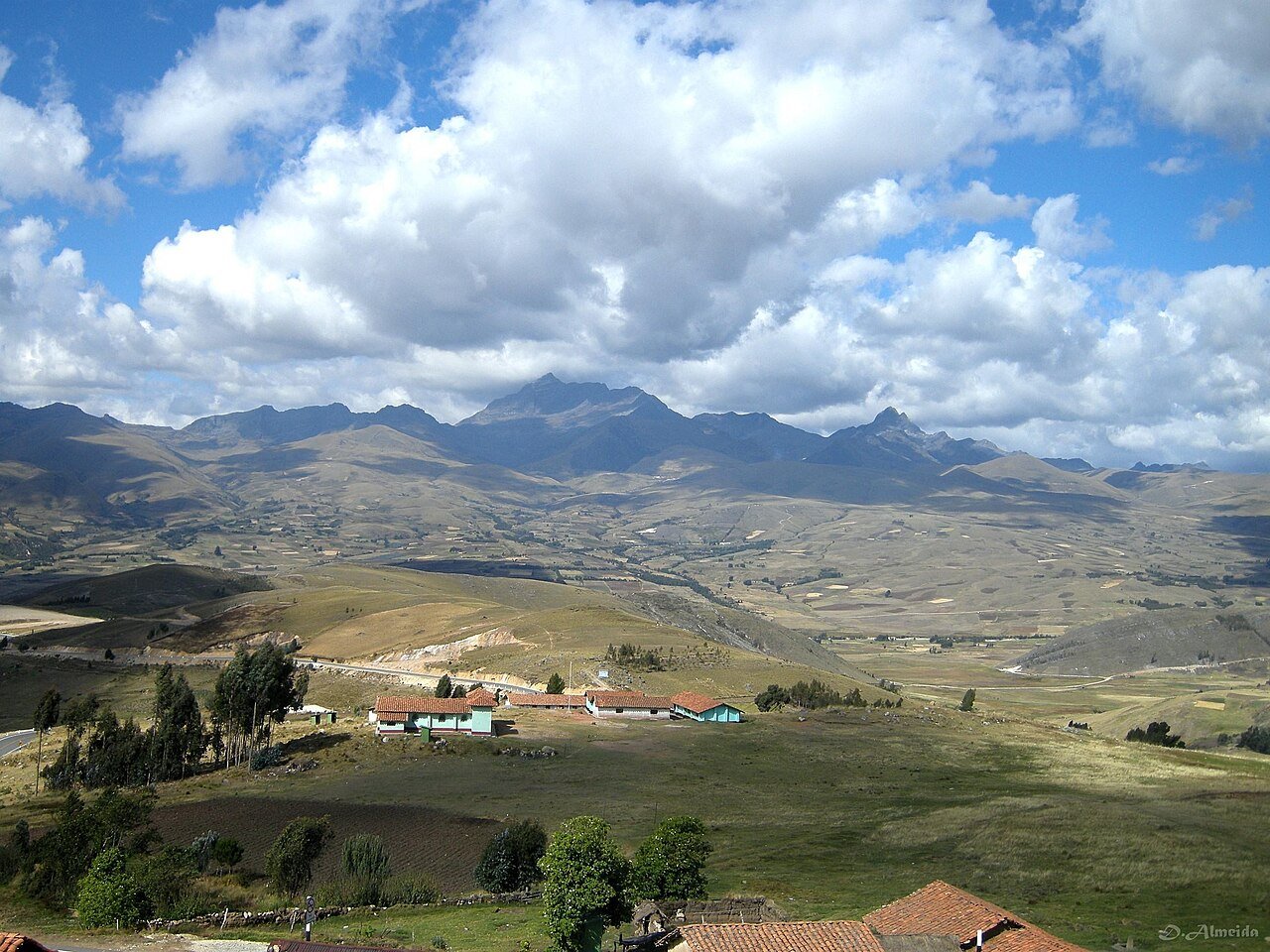
For decades, everyone thought that prehistoric men went out to hunt large animals while women stayed close to camp to gather plants. In 2020, archaeologists digging high up in the Andes Mountains of Peru found a grave from 9,000 years ago that broke the pattern.
- The grave: a skeleton buried alongside an impressive hunting kit — stone points for weapons, knives for cutting meat, and tools for scraping animal skins. Because of the weapons, experts first assumed the skeleton was male.
- The test: modern lab analysis of the bones and proteins hidden inside the teeth proved without a doubt that this elite hunter was actually a teenage girl.
- The follow-up: scientists re-examined other ancient graves across the Americas and realized that up to half of all early big game hunters were women.
6. Tutankhamun’s Space Dagger
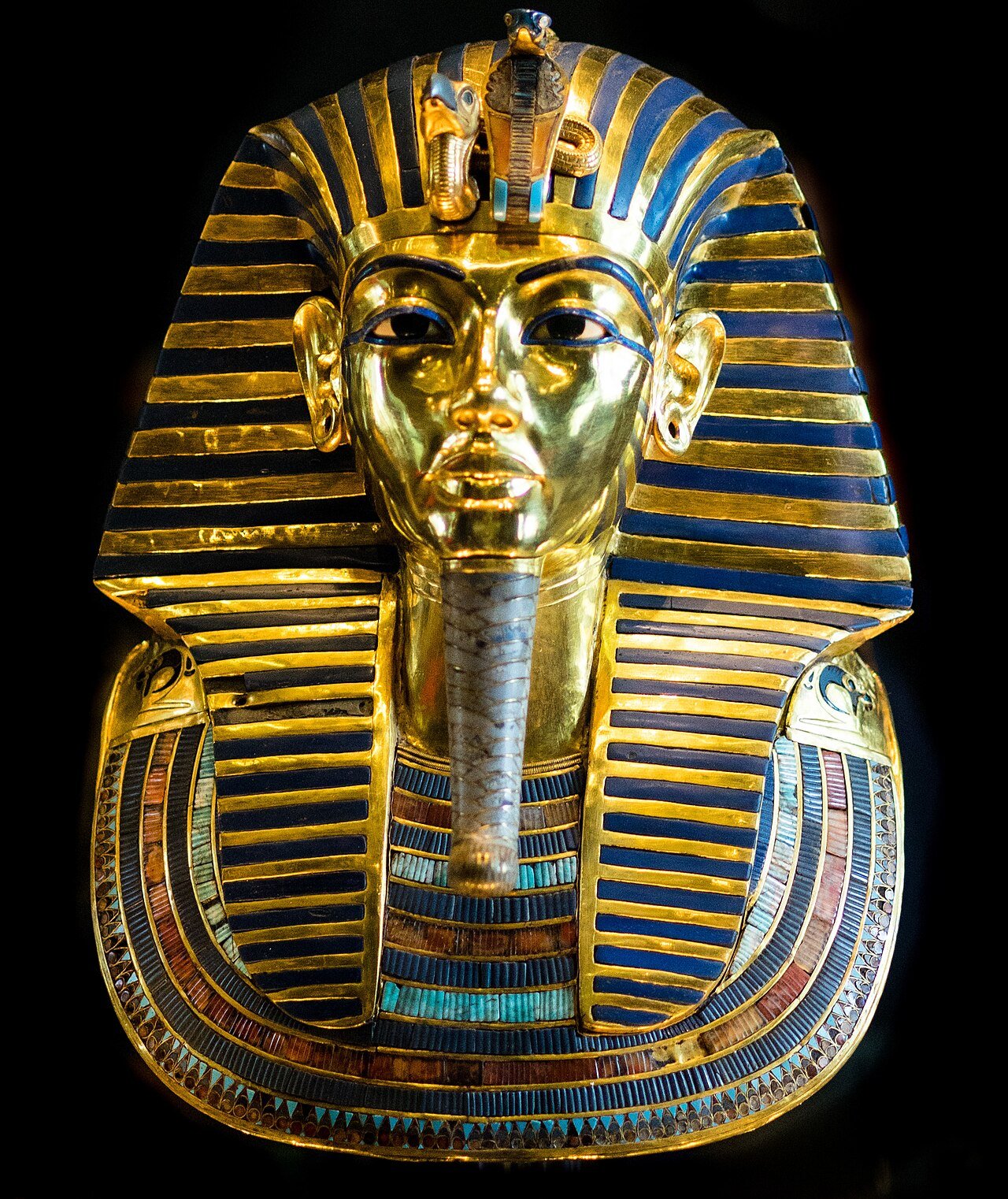
Before the Iron Age began around 1200 BC, historians thought it was impossible for ancient people to have advanced iron weapons. Because King Tut died more than 100 years before that time, experts assumed the famous Egyptian pharaoh only had tools made of softer bronze.
- The artifact: a beautifully decorated iron dagger found strapped to the young king’s mummified leg, examined by scientists in the 1920s.
- The test: in 2016, researchers used an X-ray fluorescence spectrometer — a device that shoots safe X-rays at an object to reveal its exact chemistry without breaking or scratching it.
- The result: the blade contained very specific high amounts of nickel and cobalt, a chemical recipe that perfectly matches rocks that fall from space.
- The conclusion: ancient Egyptians did not melt iron from the earth — they carefully gathered and hammered weapons out of meteorites, literally fighting with metal that fell from the sky.
7. Al-Jazari’s Robots

Many people grew up believing that robots and programmable machines were a strictly modern achievement that started in Europe during the 1700s. A 13th-century manuscript says otherwise.
- The book: the Book of Knowledge of Ingenious Mechanical Devices, written in 1206 by the inventor Al-Jazari.
- The first robot: the world’s first programmable automaton — a robotic musical band sitting on a boat. By moving pegs on a rotating drum, the owner could change the rhythm and patterns the drum-playing robots would perform.
- The engineering: incredibly complex water clocks and pumps that used pistons and crankshafts — the same parts found in modern car engines today.
- Why it matters: Al-Jazari was building sophisticated robots 500 years before similar technology appeared in the West.
8. The Pirate’s Truth

Pirates in the 1700s are almost always shown in movies as chaotic villains who used violence to control their ships — brutal captains ruling with an iron fist. This image started to change in 1984, when explorers found the wreck of the Whydah Galley, the only confirmed pirate ship from the Golden Age of Piracy ever recovered.
- The evidence: along with written documents called pirate codes, the artifacts found on the ocean floor told a completely different story. These outlaws were early pioneers of modern democracy.
- The vote: pirate crews held elections to choose their captains and could vote to replace them at any time.
- The benefits: early forms of health insurance that paid out specific amounts of gold to anyone who lost an arm or an eye, and stolen wealth shared almost equally among the crew.
- The surprise: crews welcomed freed African slaves as equal members with full voting rights. Specific rules changed from crew to crew.
9. The “Hobbit” Human Species
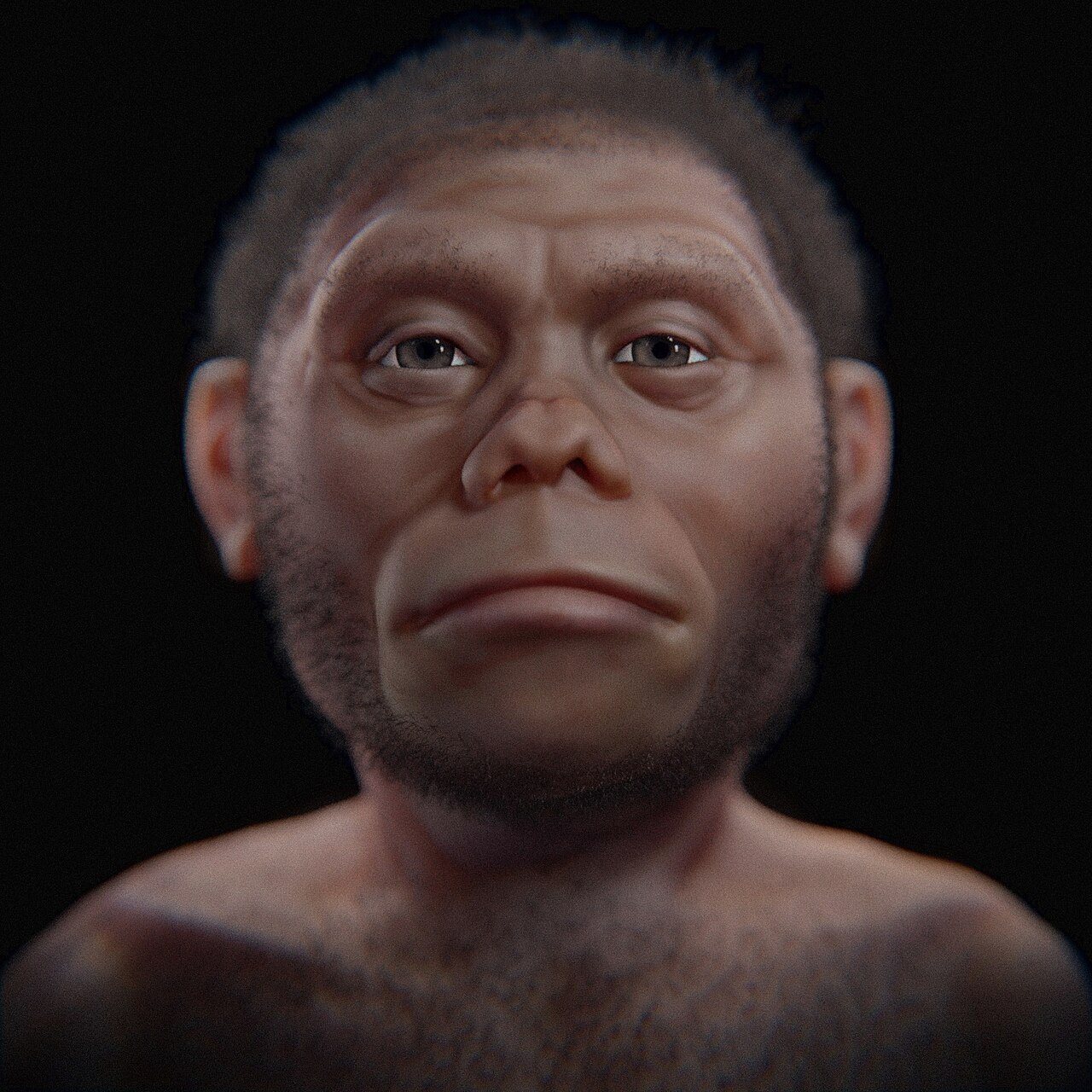
For a long time, scientists believed human evolution was a simple, straight path where our bodies and brains just kept getting bigger. That idea was completely turned upside down in 2003 on the Indonesian island of Flores.
- The find: inside a deep cave, researchers discovered the skeletons of incredibly small ancient people who stood only about 3 and 1/2 feet tall. Because of their size they were quickly nicknamed “hobbits.”
- The species: the remains belong to a distinct miniature species we now call Homo floresiensis — a human species that lived at the same time as Neanderthals and modern humans.
- The puzzle: what shocked experts the most was that these tiny humans had brains about the size of a chimpanzee’s, yet they crafted advanced stone tools.
10. Viking Sunstones
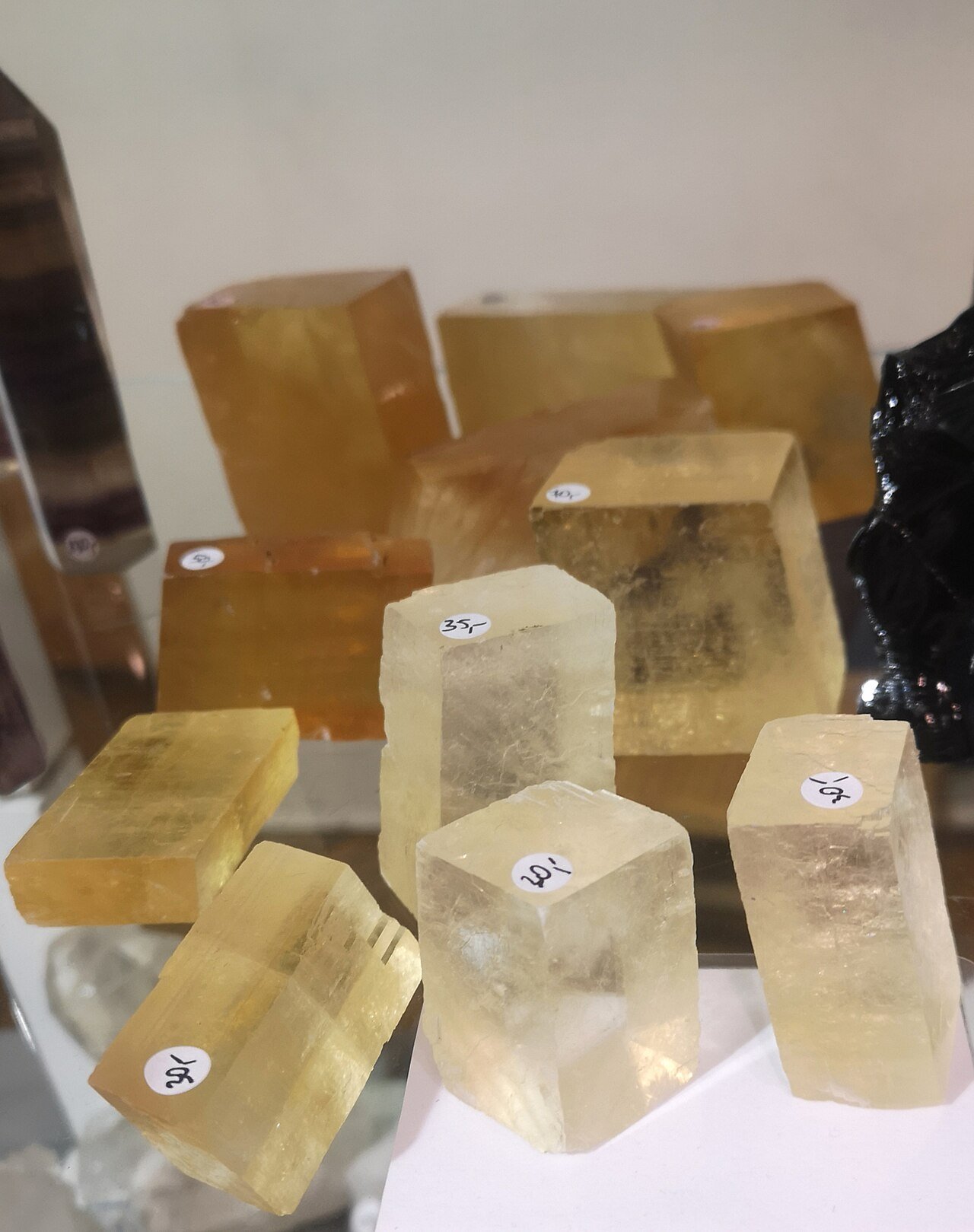
In the ancient Norse sagas, Viking sailors often talked about a magical sunstone that allowed them to find the sun even when the sky was thick with clouds or fog. For a long time, historians assumed these stones were myths.
- The artifact: in 2011, a piece of crystal called Iceland spar was found in a 16th-century shipwreck.
- The physics: the stone polarizes light — looking through the crystal splits incoming light into two separate beams. Rotate the stone until both beams look exactly the same brightness, and you can pinpoint the position of the sun even if it sits behind heavy clouds or below the horizon.
- The status: modern experiments prove the crystals work with incredible accuracy. We do not have 100% proof that the Vikings actually used them — but they described them in the sagas, and they work.
11. Roman Empire’s Ignorance
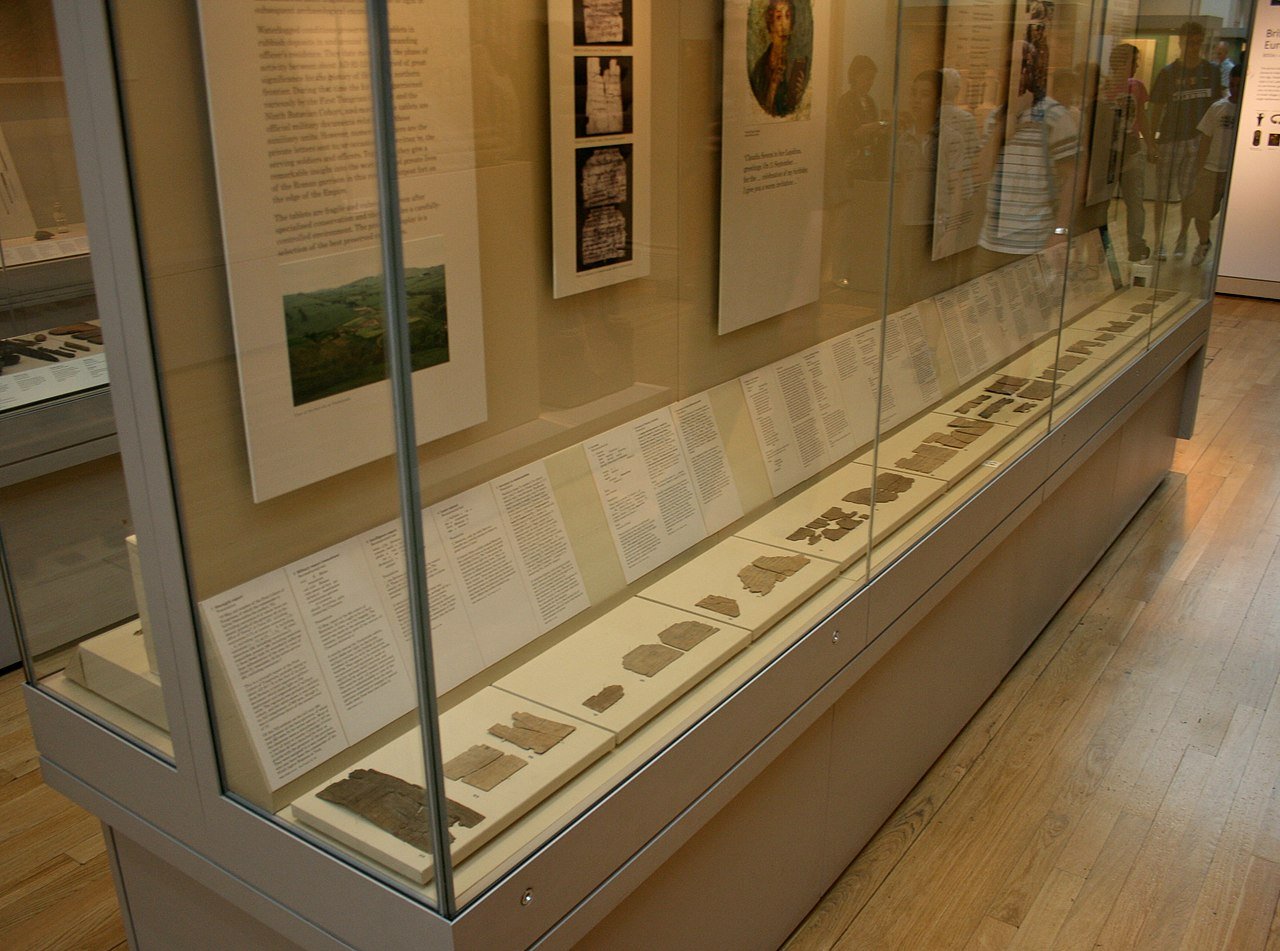
For many years, experts thought that reading and writing in the ancient Roman world were skills only important people had — records carved into heavy stone monuments or written on expensive papyrus. That idea changed during an excavation near Hadrian’s Wall in Britain.
- The find: in 1973, digging in soggy mud that kept out air and perfectly preserved buried items, archaeologists uncovered hundreds of thin postcard-size scraps of wood.
- The content: the wooden pieces were covered in ink and acted just like modern text messages — everyday chatter, supply lists, complaints about the rainy British weather, desperate requests for more beer.
- The gem: among them, a birthday party invitation written by a military commander’s wife. Ordinary people were writing all along.
12. Ancient Greece’s Computer

We often picture ancient Greece as a time long before complex machines were invented. Experts assumed complicated gear technology did not appear until European clock makers created it in the 1300s. That belief fell apart starting in 1901.
- The recovery: sponge divers exploring a sunken Roman ship off the coast of Greece found a heavily crusted lump of bronze that looked like an ordinary green rock for decades.
- Inside: modern scientists finally looked at it with X-rays and CT scans and found an incredibly advanced ancient computer — more than 30 interlocking metal gears working together.
- The device: the Antikythera mechanism, effectively the first analog computer, used to calculate the exact movements of the stars, predict eclipses, and even track the schedule of early athletic games.
- The loss: the artifact proved the ancient Greeks possessed engineering abilities that were completely lost to history for over a thousand years.
13. The Cavemen Artists

When we imagine early humans painting animals on cave walls, we almost always picture male hunters or tribal leaders telling stories about their successful hunts. A scientist named Dean Snow decided to test that image.
- The method: he studied the hand stencils ancient people left behind in different caves across France and Spain, using a clever trick — the length of the index finger compared to the ring finger. Because men and women usually have different finger ratios, he could figure out the sex of the painters.
- The result: to everyone’s surprise, the measurements proved that up to 75% of the cave artists might have been women.
14. L’Anse aux Meadows
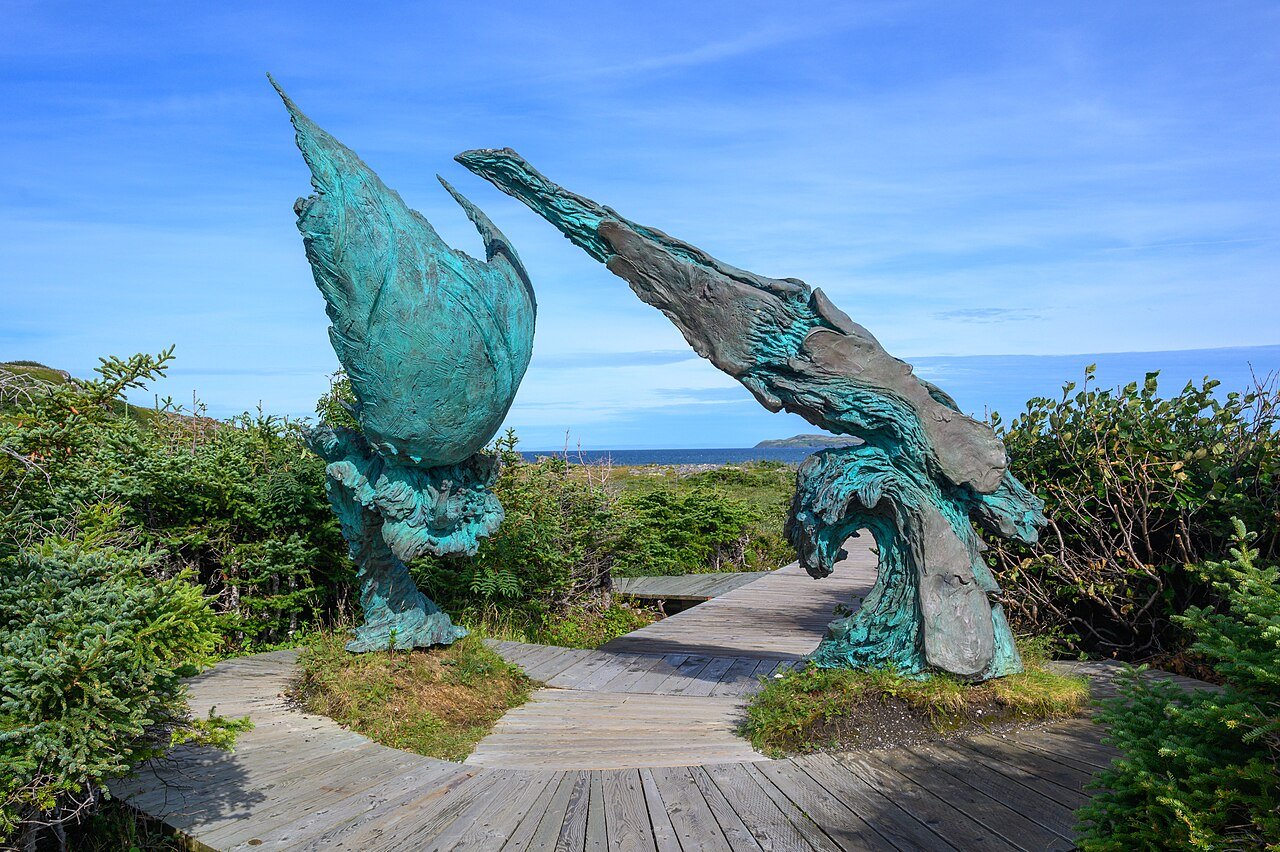
History books used to teach that Christopher Columbus was the very first European to reach the Americas in 1492. For hundreds of years, people believed no one from Europe had stepped foot on the continent before that famous voyage.
- The dig: in 1960, Norwegian explorer Helge Ingstad and his wife, archaeologist Ann Stine Ingstad, began digging at a coastal site in Newfoundland, Canada.
- The village: they uncovered the remains of a village that looked nothing like local indigenous buildings — foundations of timber-framed houses covered in sod and even tools used for making iron.
- The verdict: the ruins perfectly match the style of homes built by the Vikings, proving groups of Norse travelers, likely led by Leif Erikson, had settled in North America nearly 500 years before Columbus was born.
15. Roman Gladiators
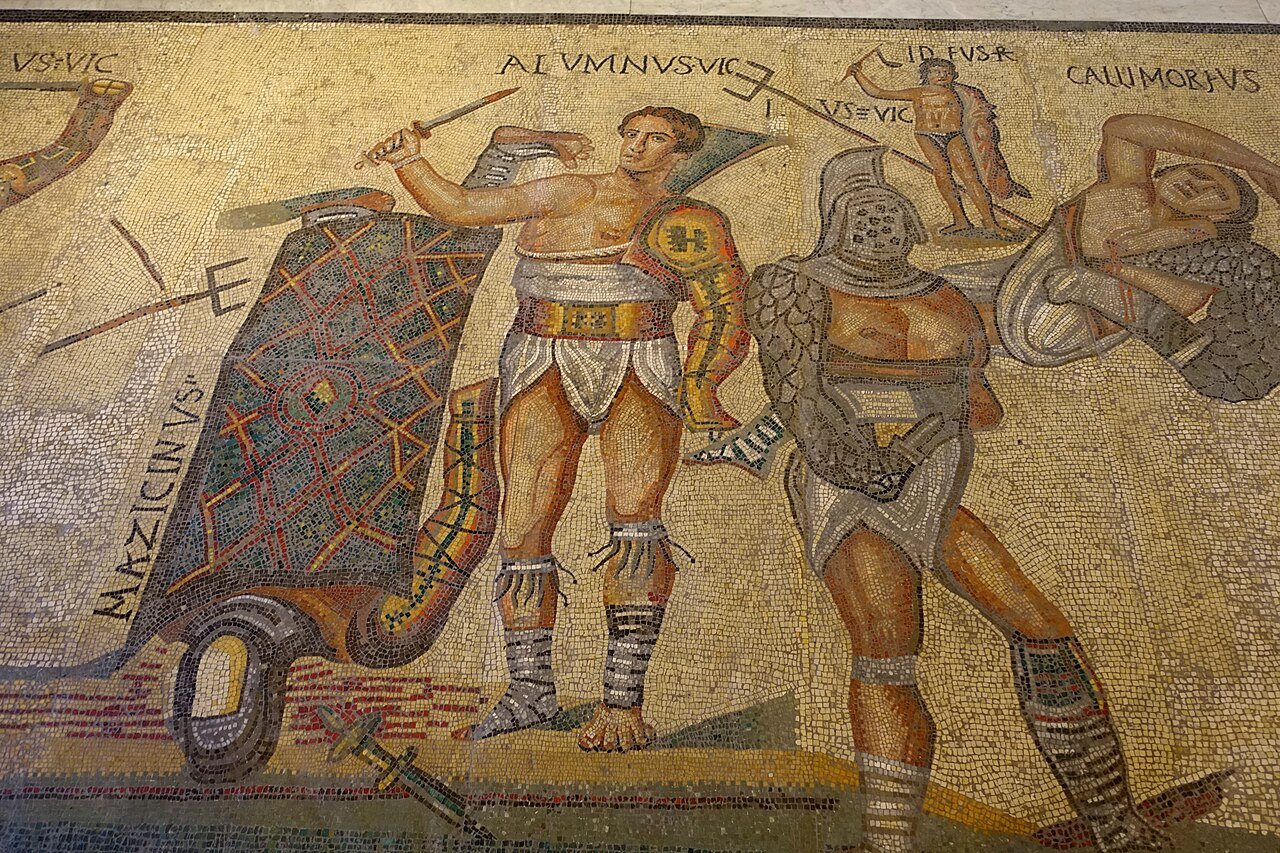
If you were to imagine a Roman gladiator’s diet, you would likely picture a carnivore. We also imagine them as disposable slaves forced into bloody battles where only one person left the arena alive. A graveyard in Ephesus changed that story.
- The excavation: in 1993, archaeologists found a large cemetery containing the bones of over 60 fighters in what is now Turkey.
- The diet: scientists studied the chemicals inside the bones and discovered gladiators were actually strict vegetarians. They ate so much barley and beans that Romans called them “barley men.”
- The armor of fat: this high carbohydrate diet gave them a thick layer of fat just under the skin, acting as a natural shield against shallow sword cuts.
- The care: the bones show signs of expert medical care that healed perfectly over time. Because training a fighter was so expensive, owners rarely wanted them to die — they were highly valued athletes who lived much longer than movies suggest.
16. Pets as Tools

Most people assume that ancient humans only kept animals for practical reasons like hunting or guarding — that life was harsh and there was no room for pets kept just for companionship. A discovery in Germany changed this.
- The grave: archaeologists found the 14,000-year-old remains of a puppy buried with incredible care next to a man and a woman, the grave sprinkled with red powder — a special sign of respect.
- The illness: when modern veterinarians studied the puppy’s bones, they found the young dog had caught a severe virus that causes terrible sickness — something that would have made it completely useless for working.
- The meaning: the puppy needed constant care and hand-feeding just to survive as long as it did. Spending that much energy nursing a sick animal proves they loved it — they did not just need it.
17. Stone Age Fashion

Many people think of Stone Age humans as messy hunters wearing nothing but dirty brown animal skins — people who did not care about appearance because they were too busy trying to survive. Tiny microscopic fibers found in the Dzudzuana Cave in the country of Georgia paint a different picture.
- The find: in 2009, archaeologists found plant fibers 30,000 years old. The fibers were made of flax — the same plant humans still use today to make soft linen fabric.
- The craft: closer inspection showed the fibers had been spun and knotted into cloth.
- The color: most surprisingly, the fibers were dyed in bright colors like pink, turquoise blue, and deep black. Early humans were not just wrapped in raw furs — they likely knew how to make tailored, colorful clothes.
18. Spartan Babies

It is a famous story that ancient Spartans threw weak babies into a deep pit to keep their warrior society strong — that city elders inspected every newborn and tossed the rejected ones into a terrifying gorge called the Kaiadas. This dramatic legend was finally put to the test in 2007.
- The dig: scientists from Greece decided to dig into the real Kaiadas chasm to see what was at the bottom, spending months pulling up hundreds of old bones for study in a modern lab.
- The finding: out of all the skeletons examined, there was not a single baby bone. Every piece belonged to grown men between the ages of 18 and 35.
- The truth: the pit was simply an execution spot for adult criminals, prisoners and traitors. The tale of tossing infants was a myth spread much later by a writer named Plutarch.
19. Birka Grave BJ581 DNA

For over 100 years, whenever archaeologists found a Viking grave filled with swords, axes and shields, they automatically assumed the person inside was a man. A grave found in the Swedish town of Birka in 1878 followed that assumption — until the DNA spoke.
- The grave: the person buried there was surrounded by powerful weapons and even a tactical board game — pieces used to plan battle moves. Historians called this person the ultimate Viking warrior, assuming a great male leader.
- The test: everything changed in 2017 when scientists decided to test the DNA. The result: this high-ranking commander was actually a woman.
- The meaning: the discovery shattered the idea that only men could be military leaders in Viking society. The legendary shield maidens of ancient stories were not make-believe — women could be elite warriors and tactical experts who led others into battle.
20. Civilization Requires War
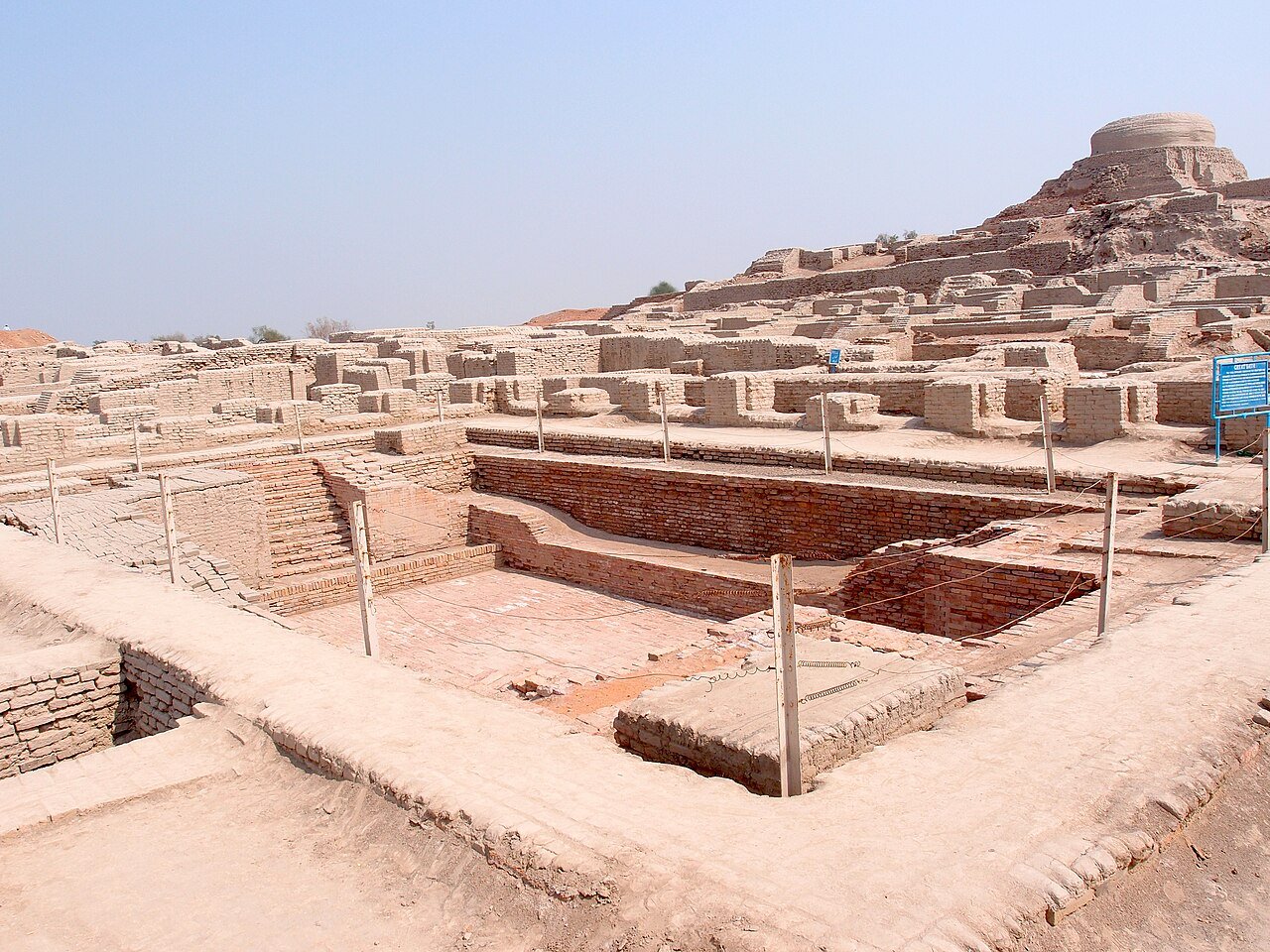
A popular idea is that as soon as humans build big cities and gather wealth, they must immediately create armies to protect themselves — that war and violence are an unavoidable price of organized society. The Indus Valley Civilization challenges that.
- The cities: researchers exploring modern-day Pakistan and India discovered massive ancient cities like Mohenjo-Daro and Harappa that were incredibly advanced — streets laid out in perfect straight lines and indoor plumbing with toilets that flushed.
- The absence: even though this was the largest and most successful civilization of its era, archaeologists have found almost no weapons meant for war after a hundred years of digging.
- No monuments: there are no monuments of kings bragging about winning battles, and no signs of a military. A huge, organized, wealthy society — without the armies we assume must come with it.
21. Dirty Vikings
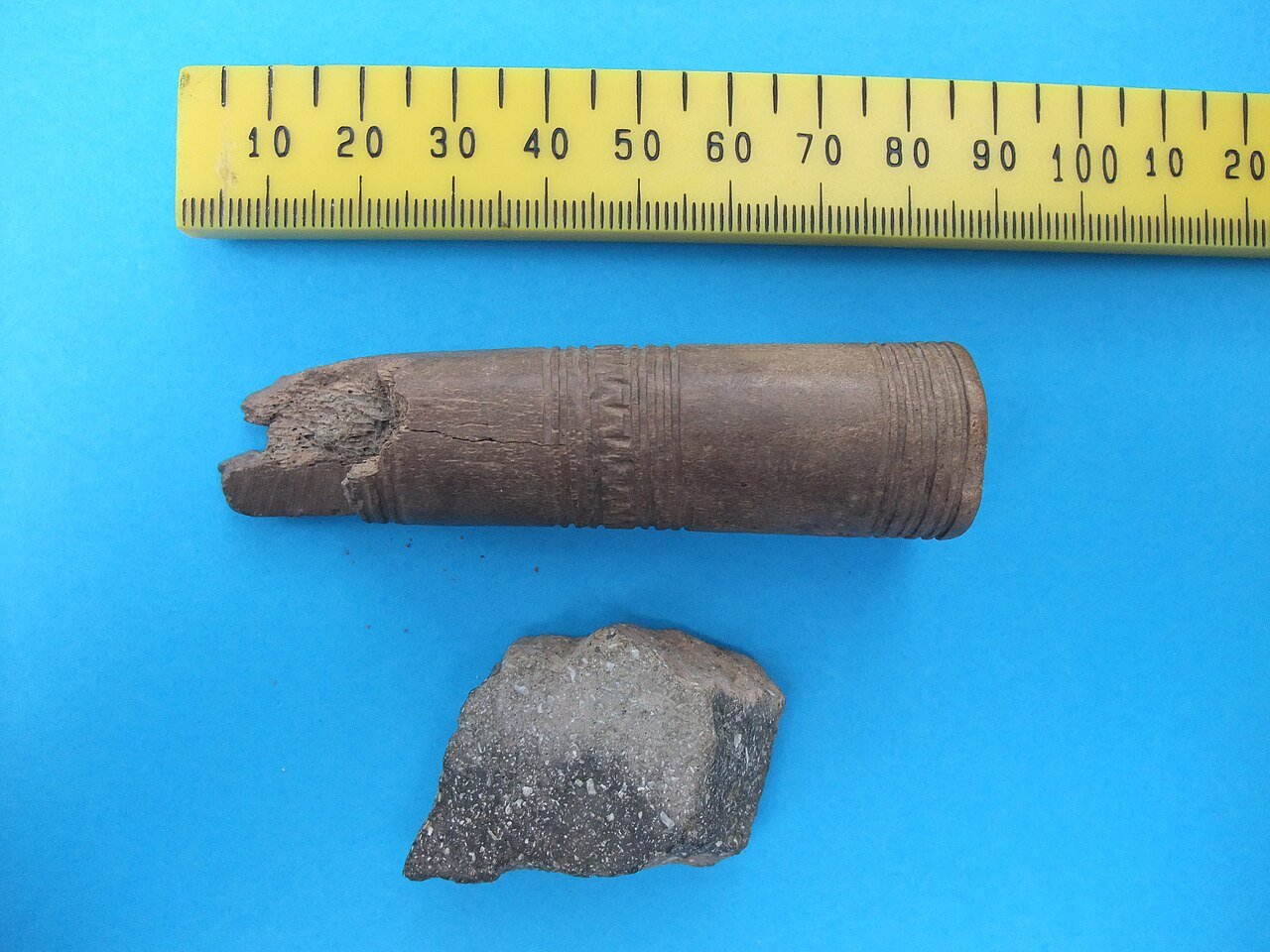
Most people imagine Vikings as messy and smelly warriors who never bothered to wash — mud-covered people with tangled hair and dirty clothes. Ancient graves and old travel journals say the opposite.
- The grave goods: when experts dig up Viking burial sites, the things they find most often are not swords or axes. They find tools for staying clean — beautifully carved combs, small tweezers and ear spoons used to remove earwax.
- The habits: historical records tell us they bathed at least once every week, much more often than other groups living in Europe at the time. They also changed clothes frequently and styled their hair with care.
- The reaction: this focus on being clean made them so popular with local women in places like England that the local men actually became jealous.
22. Neanderthals’ Cuisine

Many people think that ancient humans and Neanderthals mainly just ate meat. Recently, scientists decided to look closer at burnt food scraps — some of them up to 70,000 years old.
- The method: in 2022, researchers used electron microscopes to study the charred remains.
- The discovery: the scraps were actually one of the oldest flatbreads and pancakes ever discovered. Neanderthals were very skilled chefs.
- The recipe: they gathered wild wheat, lentils and seeds, then soaked and crushed them to get rid of bitter flavors. They even seasoned their food before baking it over a fire.
23. The Bonampak Murals

For many years, scholars believed the ancient Maya were a peaceful society specializing in astronomy and philosophy — often compared to the warlike Aztecs, but thought to be much more gentle and calm. In 1946, something changed.
- The reveal: local people in Mexico led researchers to hidden temples deep in the jungle, where bright paintings covered the walls from floor to ceiling.
- The content: instead of peaceful scenes, the paintings showed very violent images — battles, prisoners, and rituals involving blood.
- The rewrite: the Maya were actually fierce warriors often at war with each other, different cities constantly competing for power and land — just as complex and sometimes as violent as the Aztecs and other famous ancient empires.
24. Deir el-Medina & Giza Workers’ Village

Stories and movies often show thousands of slaves being forced to build the Egyptian pyramids — mistreated workers moving giant stones under a hot sun with no choice and no pay. Sites like Deir el-Medina and a special village near the pyramids at Giza tell a different story.
- The excavation: archaeologists uncovered a world of houses, bakeries and even burial sites belonging to the people who actually did the work.
- The workers: the builders were not slaves but expert workers who were very good at their jobs. They lived in organized towns with their families.
- The pay: they were rewarded for their hard work with regular supplies of food, clothing and even beer. Scientists found records of workers taking sick days and receiving medical care for their injuries.
- The power: there is even proof that they went on strike to demand better food when their pay was late.
What Comes Next?
Read back through the list and notice where the surprises actually come from. Almost none of them required a new technology or a dramatic expedition. A finger bone in a cave floor. Mud that happened to keep out air. A crusted green rock sitting in a museum for decades. The evidence had been waiting patiently while the story stayed wrong.
The other pattern is how often the correction makes the past more interesting, not less. Pirates turn out to be early democrats. Gladiators turn out to be barley-fed athletes with union-style medical care. The Maya turn out to have painted their wars in colors so bright they still glow. The pyramids turn out to have been built by paid crews who struck when the beer ran out. History did not get smaller when it was rewritten — it got stranger, and far more human.
Image Credits
- Priniatikos Pyrgos 01 by Olaf Tausch — CC BY 3.0
- Capuchin Costa Rica by David M. Jensen (Storkk) — CC BY-SA 3.0
- Mega settlement Maidanetske Cucuteni – Trypillian culture 3700 BC by Kenny Arne Lang Antonsen — CC BY-SA 4.0
- Nigde museum Kosk Hoyuk skull 0878 by Dosseman — CC BY-SA 4.0
- Denisova cave 01 by Yuriy59 — CC BY-SA 3.0
- Andes mountains (Huamachuco) by David Baggins (David Almeida) — CC BY-SA 2.0
- King Tut Burial Mask by Mark Fischer — CC BY-SA 2.0
- “The Elephant Clock”, Folio from a Book of the Knowledge of Ingenious Mechanical Devices by al-Jazari MET DP234075 by al-Jazari — CC0
- Whydah-model by jjsala — CC BY 2.0
- Homo floresiensis – facial approximation – color 2 by Cicero Moraes — CC BY-SA 4.0
- 020220313 104404 Iceland spar by Silar — CC BY-SA 4.0
- Vindolanda tablets 2 by Photograph by Mike Peel (www.mikepeel.net). — CC BY-SA 4.0
- Mechanism of Antikythera, 150-100 BC, NAMA, 191431 by Zde — CC BY-SA 4.0
- Prehistoric Hand Outline Cosquer Cave by SiefkinDR — CC BY-SA 3.0
- 2022-08-28 06 Meeting of Two Worlds – Boykov – Brixel – L’Anse aux Meadows, NFL CAN by Gordon Leggett — CC BY 4.0
- Gladiators, fragment, Roman, 300-400 AD, marble and limestone mosaic – Galleria Borghese – Rome, Italy – DSC04925 by Daderot — Public domain
- Keeshond Siberian Husky crossbreed puppy by Richard Bartz, Munich aka Makro Freak — CC BY-SA 2.5
- Vlasvezels (1) by No machine-readable author provided. Kreta assumed (based on copyright claims). — Public domain
- Ancient Sparta ruins (1) by Peulle — CC BY-SA 4.0
- Birka Svarta jorden 1991a by Holger.Ellgaard — CC BY-SA 3.0
- Mohenjo-daro by Saqib Qayyum — CC BY-SA 3.0
- Viking antler comb handle and pottery sherd (FindID 403149) by Northamptonshire County Council, Julie Cassidy, 2010-08-17 14:34:10 — CC BY-SA 2.0
- Homo neanderthalensis, The Natural History Museum Vienna, 20210730 1225 1278 by Jakub Hałun — CC BY-SA 4.0
- Bonampak Murals July 2009 03 by Joaquin Bravo Contreras — CC BY-SA 2.0
- Deir el-Medina, Luxor, Egipto, 2022-04-03, DD 18 by Diego Delso — CC BY-SA 4.0