Ancient Greek Myths That Turned Out to Be True
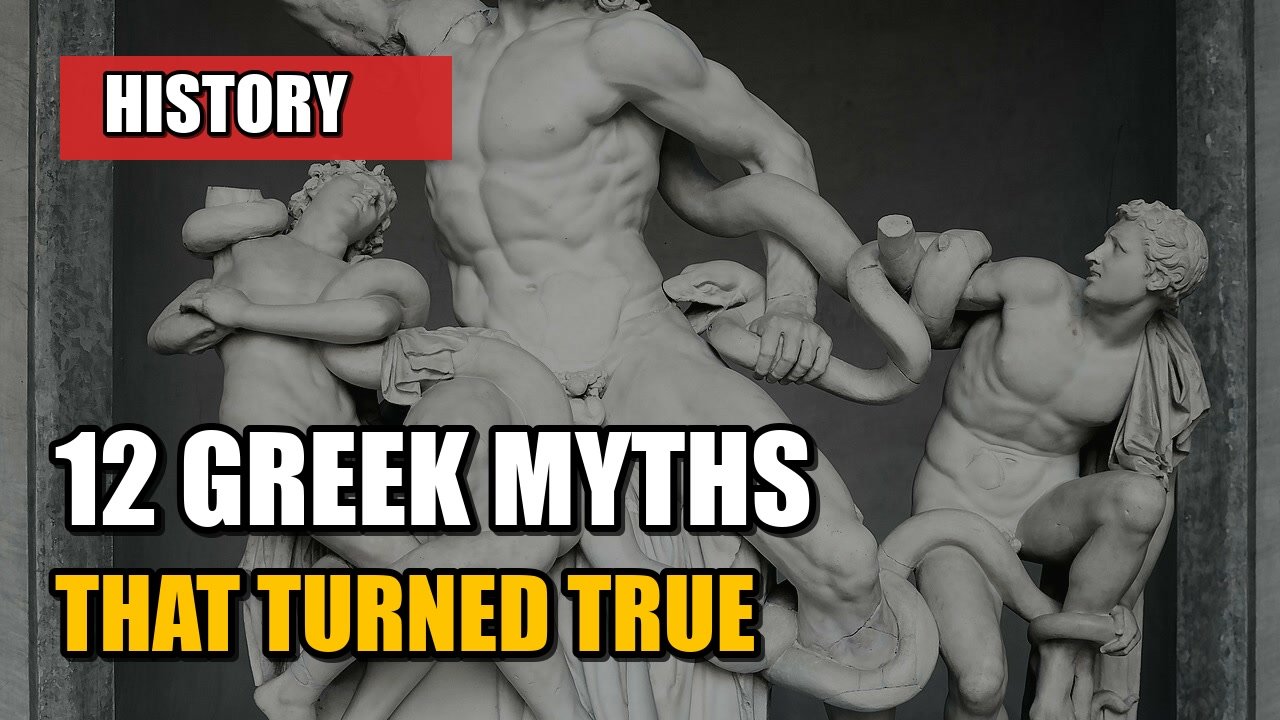
A bull-leaping fresco inside a palace of a thousand rooms, gold trapped in sheepskins exactly where the Golden Fleece was set, and flames that still flicker out of the ground where the Chimera was said to live. Twelve Greek myths, each one dismissed as pure story — until somebody checked.
The Paint Explainer walks through them in the video’s order, from the Labyrinth of Crete to the burning rocks of Turkey: the real place, object, or fossil sitting at the center of every legend.
1. The Minotaur
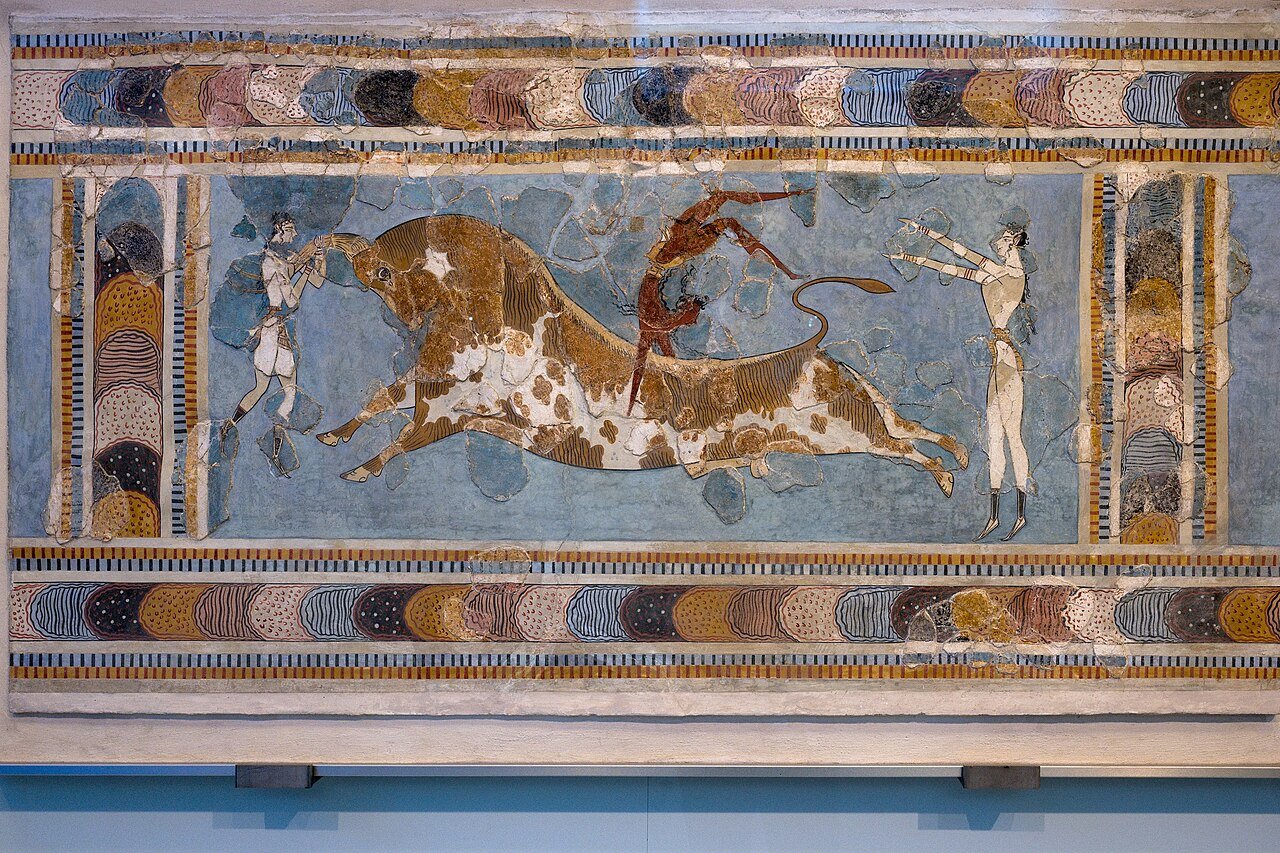
The monster with the body of a man and the head of a bull, locked inside a giant maze on the island of Crete, was one of the most famous myths in history — for centuries, until archaeologists actually started digging on Crete in the early 1900s. Underneath the ground they uncovered the ruins of a massive palace, and it was pretty weird: over a thousand rooms, twisting hallways, and staircases that led nowhere. In other words, it looked almost exactly like a labyrinth.
That alone would be crazy enough, but it gets stranger. Inside the palace, archaeologists found wall paintings showing young men and women leaping over the horns of a charging bull — a dangerous sport that seems to have actually been practiced by real people at the time. It lines up with the old story of Athens sending 14 young people to Crete every few years as a sacrifice to the Minotaur. Historians now believe the myth may reflect real practices such as forced tribute or ritual games involving bulls.
2. The Golden Fleece
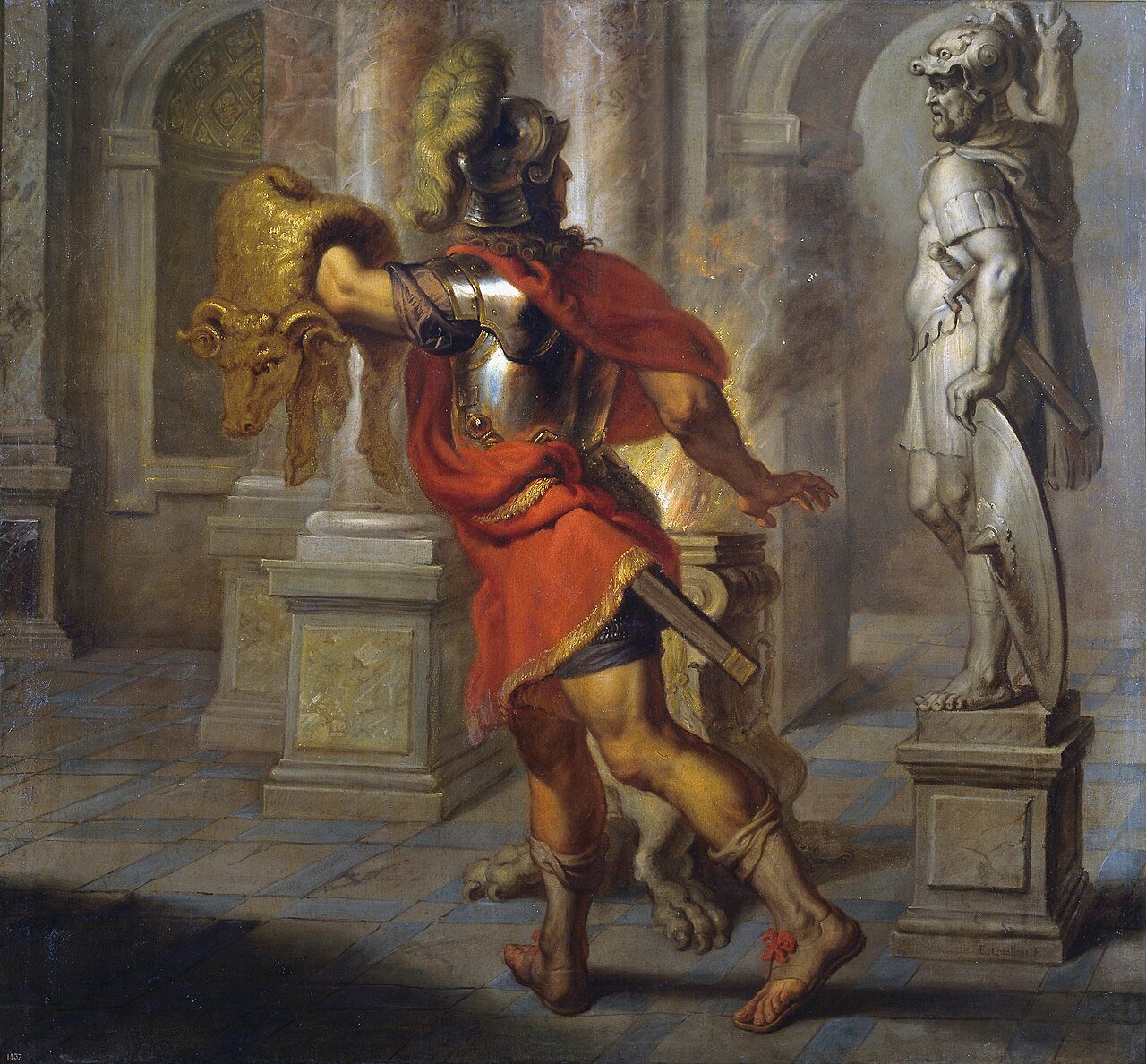
In the Greek myth of the Golden Fleece, a hero named Jason sails across dangerous seas searching for a ram’s fleece — except this fleece isn’t ordinary wool, but solid glowing gold, so valuable that kingdoms would go to war over it. Most people assumed it was just a myth: after all, rams can’t grow gold.
But when historians looked closer at where the myth was set — a region near the Black Sea, now part of modern Georgia — they found something that changed the whole picture. In that exact area, mountain rivers flow down from high-altitude regions containing natural gold deposits. For thousands of years, and in some remote villages even recently, locals used a peculiar technique: they would lay sheepskins, fleece still attached, down inside the river, so tiny flakes and grains of gold washed down from the mountains would get trapped in the wool’s texture. After some time they’d pull it out, dry it in the sun, and shake or comb out the gold. A traveler passing through and seeing a sheepskin covered in gold would likely think the wool itself had turned to gold — which is probably how the story spread.
3. The Oracle of Delphi’s Vapors
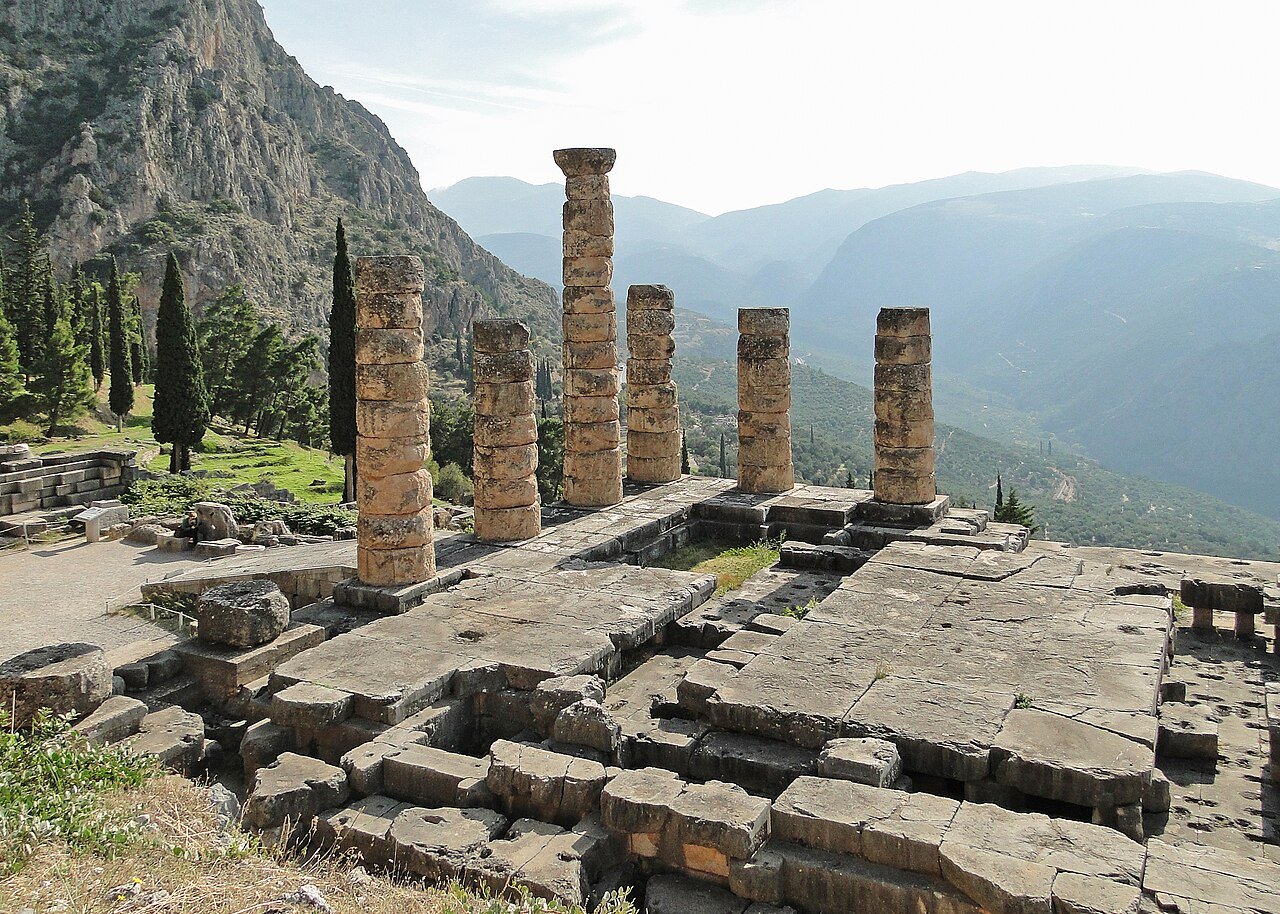
People from all over the ancient world traveled to one of the most mysterious parts of Greece: a temple built into the side of a mountain, where the Oracle of Delphi resided. The priestess would sit inside a small chamber deep in the temple and, according to old writings, breathe in some kind of vapor or gas rising from a crack in the ground — then fall into a trance and tell prophecies. For a long time, historians thought this was just a myth.
Then, starting in the late 1990s, a team of geologists and archaeologists decided to study the ground beneath the temple ruins. The temple was built directly over a crack in the Earth’s crust, where two huge blocks of rock meet, and such cracks can release gases like ethylene from the rock below — in small doses known to cause light-headedness, trance-like states, and a floating, dreamy feeling. Water samples from a nearby spring connected to the temple showed traces of these gases as well. Be it ethylene or hypoxia, the priestess may not have been faking a connection to the gods: she might have genuinely been affected by those vapors.
4. Atlantis and the Minoan Eruption
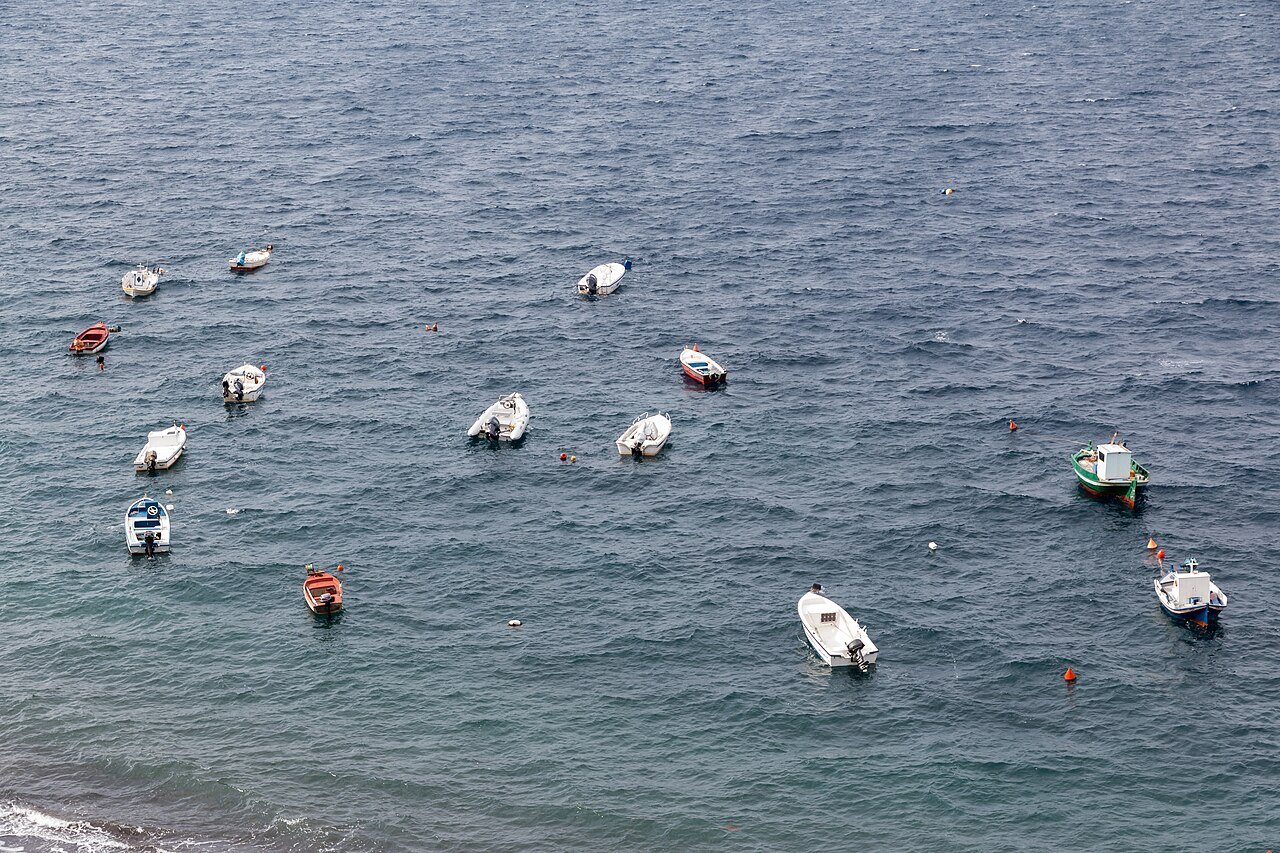
Atlantis was one of the most famous lost places in history — a powerful, rich island civilization that, according to Plato, sank into the ocean in a single day. For centuries people searched oceans and coastlines without luck, and many assumed Plato made the whole thing up as a moral lesson.
Then archaeologists and geologists started paying closer attention to something that happened long before Plato ever wrote: an enormous volcanic eruption on the island of Thera, now known as Santorini. It was one of the most powerful volcanic explosions in human history — so massive it blew apart a huge portion of the island, collapsing the center into the sea and leaving a giant crater now filled with water. At the time, the island was home to a thriving, advanced society called the Minoans, known for detailed art, multi-story buildings, and organized trade across the Mediterranean. Many historians now believe Plato may have heard old stories about this real eruption and reshaped them into the tale of Atlantis.
5. Troy and the War
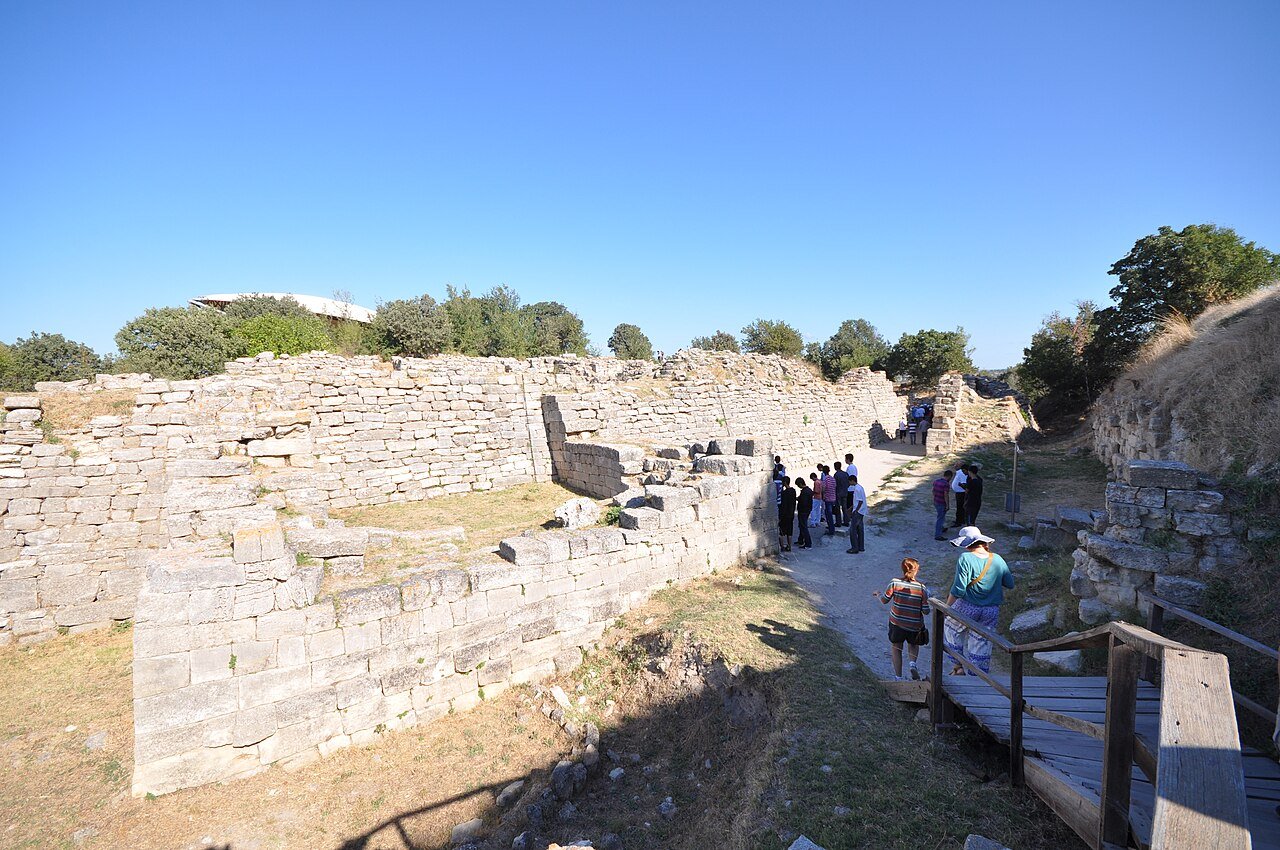
For a long time, the Trojan War was treated as one of the greatest stories ever told — but still just a story, and for centuries many historians assumed Troy itself never existed. Then, in the 1870s, an amateur archaeologist and a diplomat became convinced Troy was real, based on clues hidden inside the old poems describing its location, and began digging in northwestern Turkey.
Beneath the ground were the remains of an actual ancient city, with thick defensive walls and clear signs of destruction by fire — matching descriptions from the old stories closely enough that most historians now agree it was Troy. Even more interesting: the city wasn’t destroyed just once. People kept rebuilding on the same spot for thousands of years, and the ruins show multiple cities stacked on top of each other. One particular layer, believed to date to around the time the war was said to happen, shows serious battle damage, collapsed walls, and signs consistent with a violent siege.
6. The Monster of Troy
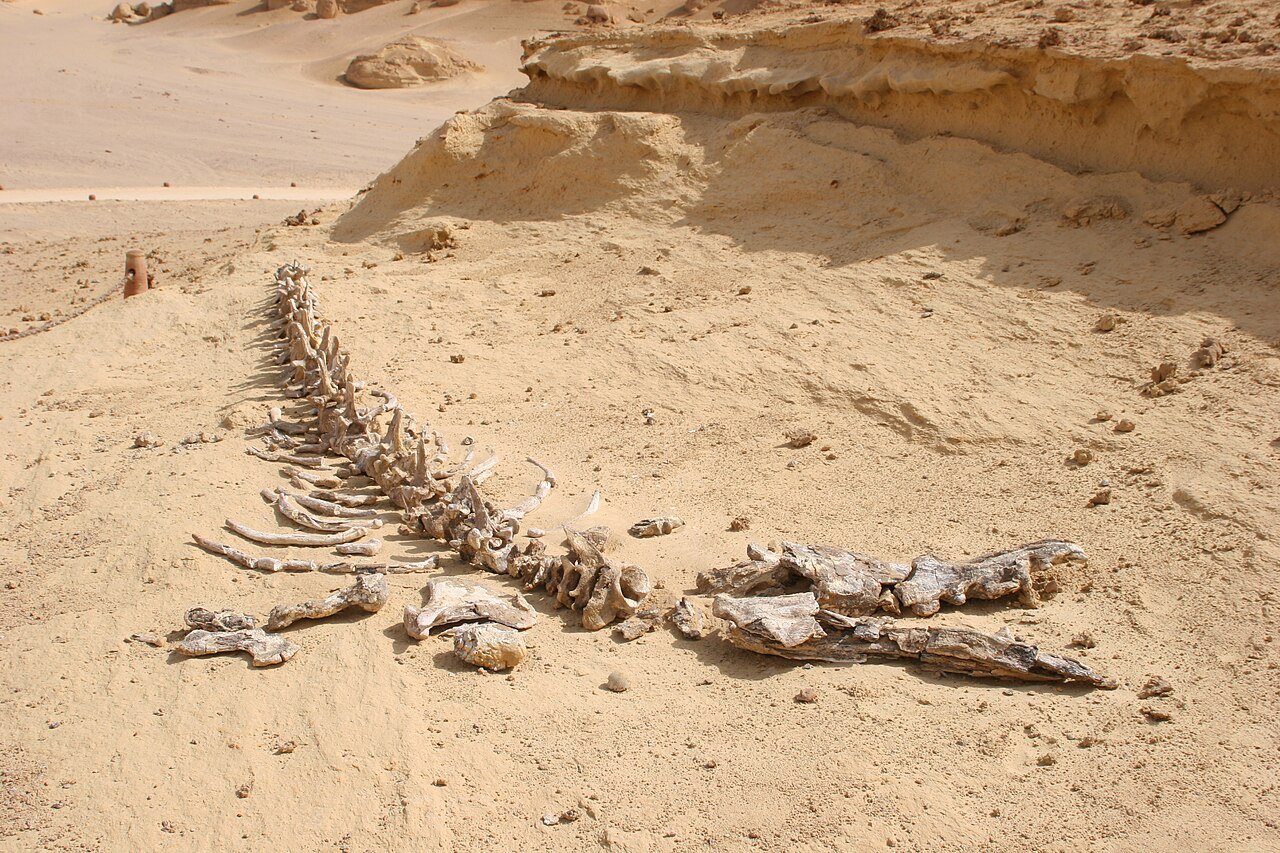
The Monster of Troy was one of the scariest sea creatures in Greek mythology: a giant beast sent by Poseidon to attack the coastline, stopped only by offering a young woman chained to the rocks as a sacrifice — until the hero Heracles arrived and killed it. It sounds like a typical myth, but in the region around ancient Troy, researchers found something that might explain where the story came from.
The area sits near coastal cliffs and rock formations where erosion has exposed large fossilized bones from ancient sea creatures, some belonging to extinct whales and other giant marine animals that lived millions of years ago. These bones can be enormous, with strange shapes that look nothing like anything locals would have recognized — so they likely believed a real monster had once lived, or still lived, in the waters nearby. That is likely where the myth originated.
7. The Pygmies and the Cranes
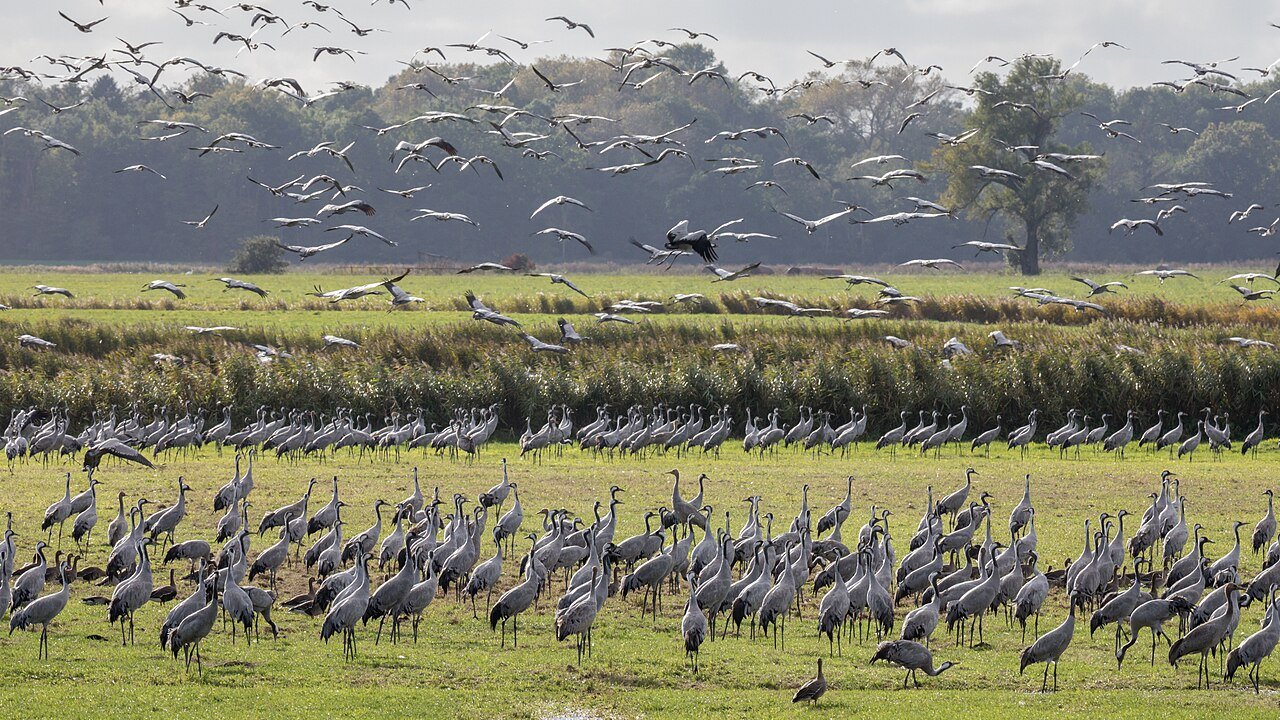
In the Iliad, Homer briefly mentions a bizarre war: every winter, migrating cranes fly south to the edge of the world to wage a bloody battle against the Pygmaioi, a mythical race of tiny humans. Ancient Greek pottery frequently depicts tiny warriors armed with clubs and shields fighting off giant birds. It sounds completely absurd — but the myth is actually based on real geography and anthropology.
European cranes do indeed migrate south every winter, and their flight path takes them deep into central Africa. Through ancient trade routes with Egypt, the Greeks had heard distant, second-hand reports of the indigenous hunter-gatherer tribes living in those regions — peoples of remarkably short stature, often referred to as Pygmy peoples — who likely did hunt the large migrating birds when they arrived in their territory. The Greeks simply took something real and turned it into an epic mythological war.
8. River Acheron
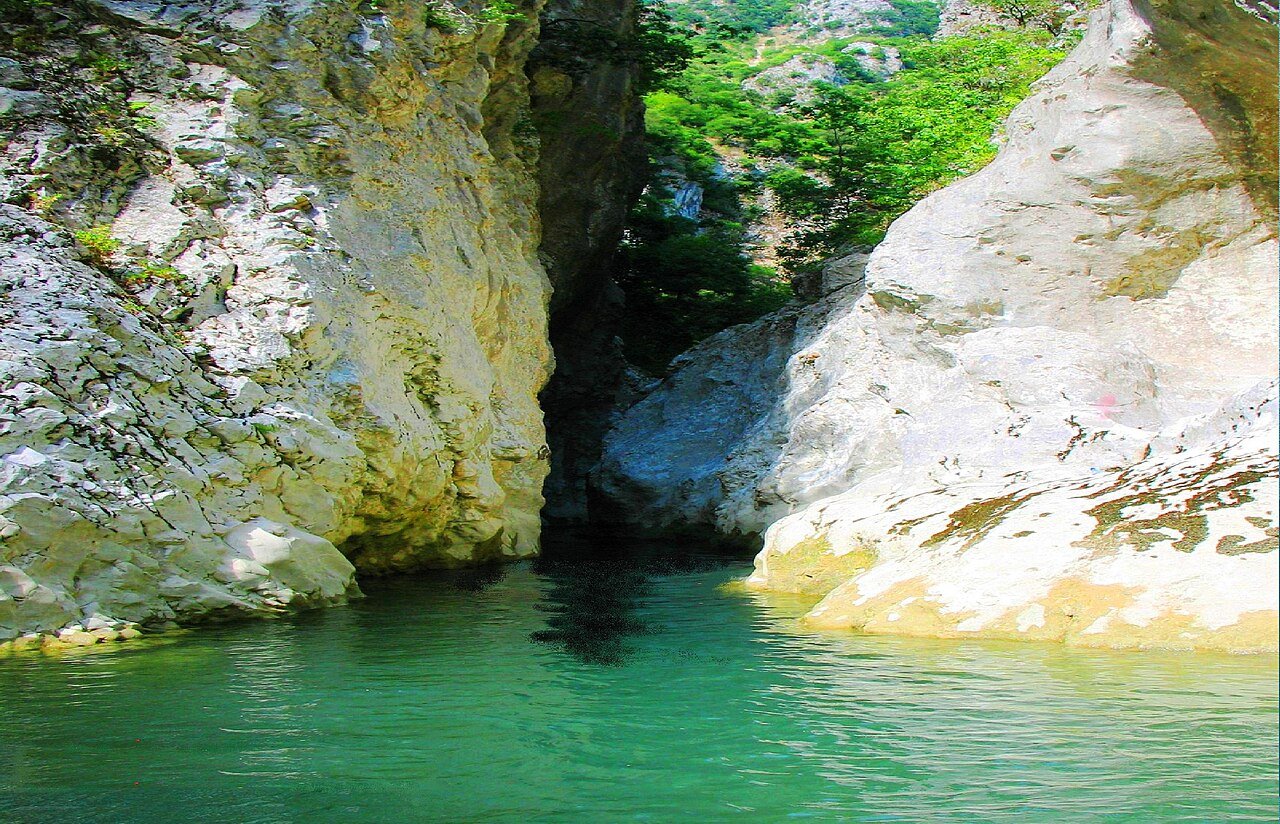
According to myth, souls had to cross a river called Acheron to reach the afterlife, usually guided by a ferryman named Charon, and the water was described as dark, slow-moving, and gloomy. At first that sounds like pure symbolism — except there is an actual river in Greece named Acheron, and once you see it, the connection becomes clear.
It runs through a narrow gorge with steep rocky walls on both sides that block out much of the sunlight, making the area feel dark. The water often looks black or deep green, and in some sections the river disappears underground completely, flowing through hidden cave systems before reappearing. If you were an ancient Greek, it would be easy to conclude that it leads to the underworld.
9. The Cyclopes
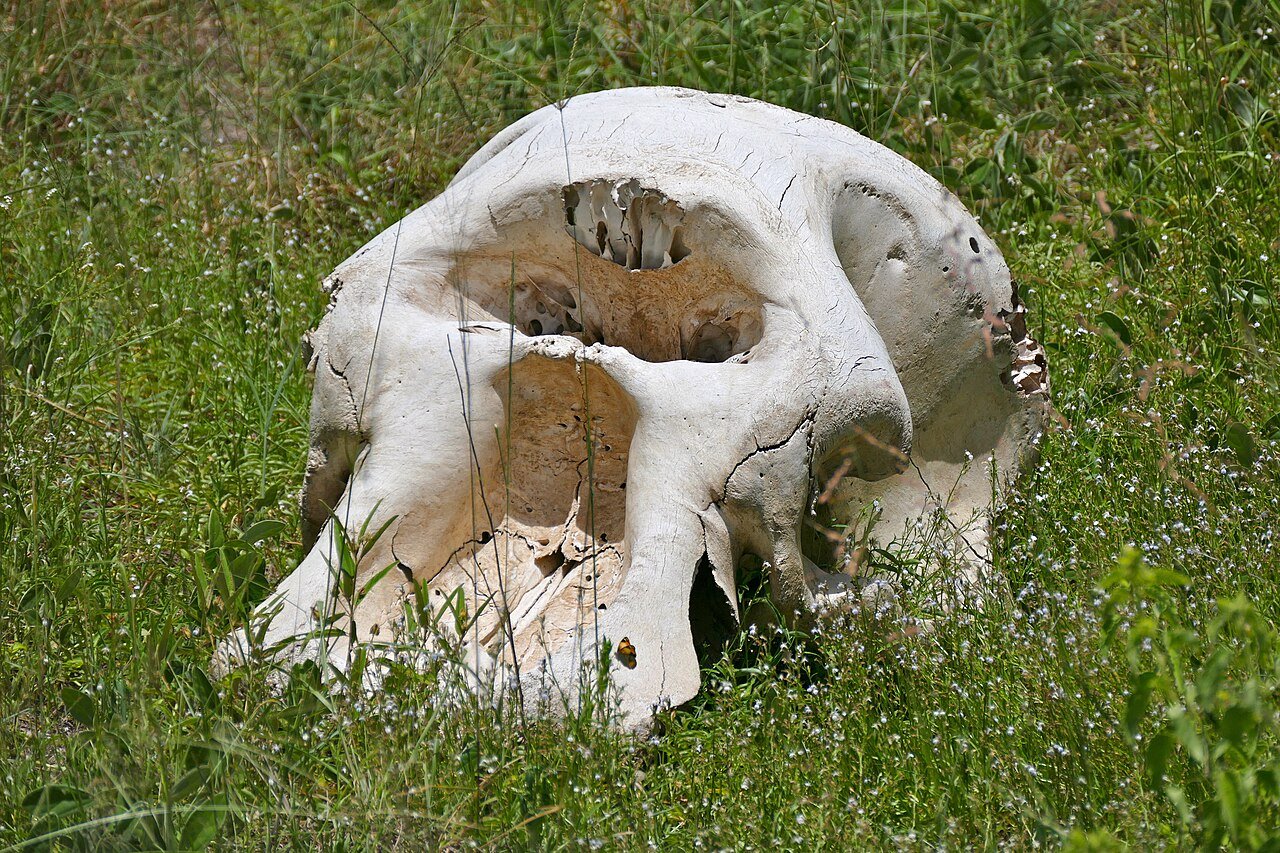
The Cyclops — giant creatures with a single eye — were seen as one of the wildest parts of Greek mythology. But when researchers looked at where the myths came from, they found something surprising: on islands like Crete and Sicily, exactly where many Cyclops stories are set, ancient people would sometimes come across giant skulls with a single hole in the eye area, buried in caves or exposed in cliffs.
The skulls were real, but they weren’t from any monster — they came from a now-extinct animal called the dwarf elephant. An elephant skull has a large hole in the center of the face because it holds the trunk, and to someone who has never seen an elephant, that central hole looks exactly like one giant eye socket. The Cyclops may not have started as pure fantasy.
10. Charybdis
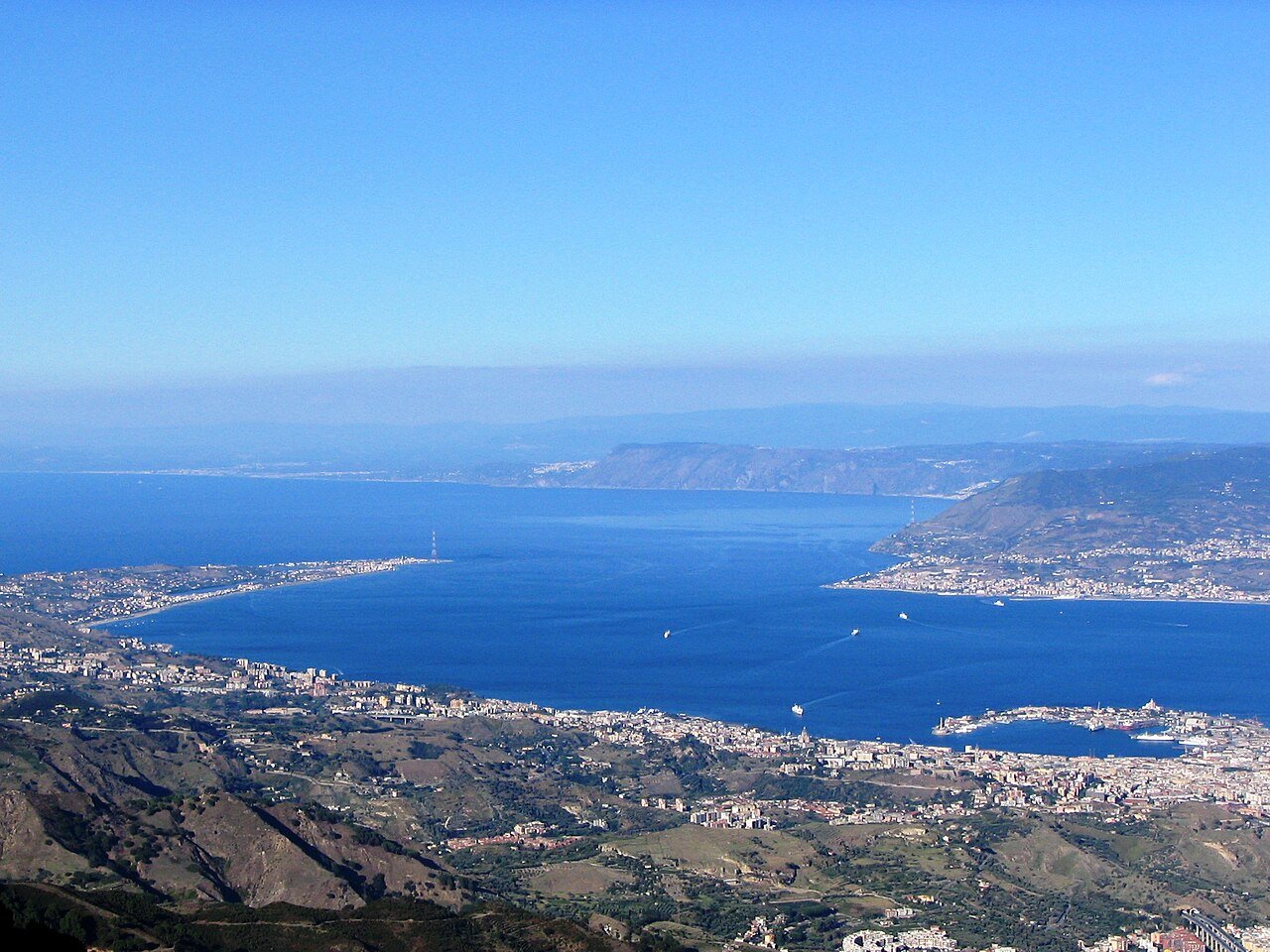
For a long time, Charybdis — a monster in the sea that could swallow entire ships — was one of the most terrifying creatures in Greek mythology. According to the story, she would suck in a massive amount of seawater three times a day, creating a giant whirlpool. When people looked closer at where the story was set, they found something interesting: the location lines up closely with the Strait of Messina, the narrow channel between Sicily and mainland Italy.
That strait really does have strong, unpredictable currents — because it is so narrow and connects two different bodies of water, there are whirlpools and sudden shifts in current. Even today, sailors describe how the local currents can suddenly drag small boats off course or spin them without warning. To ancient sailors, it would have seemed like something was breathing the sea in and out — which likely turned into the tale of Charybdis over time.
11. The Amazons
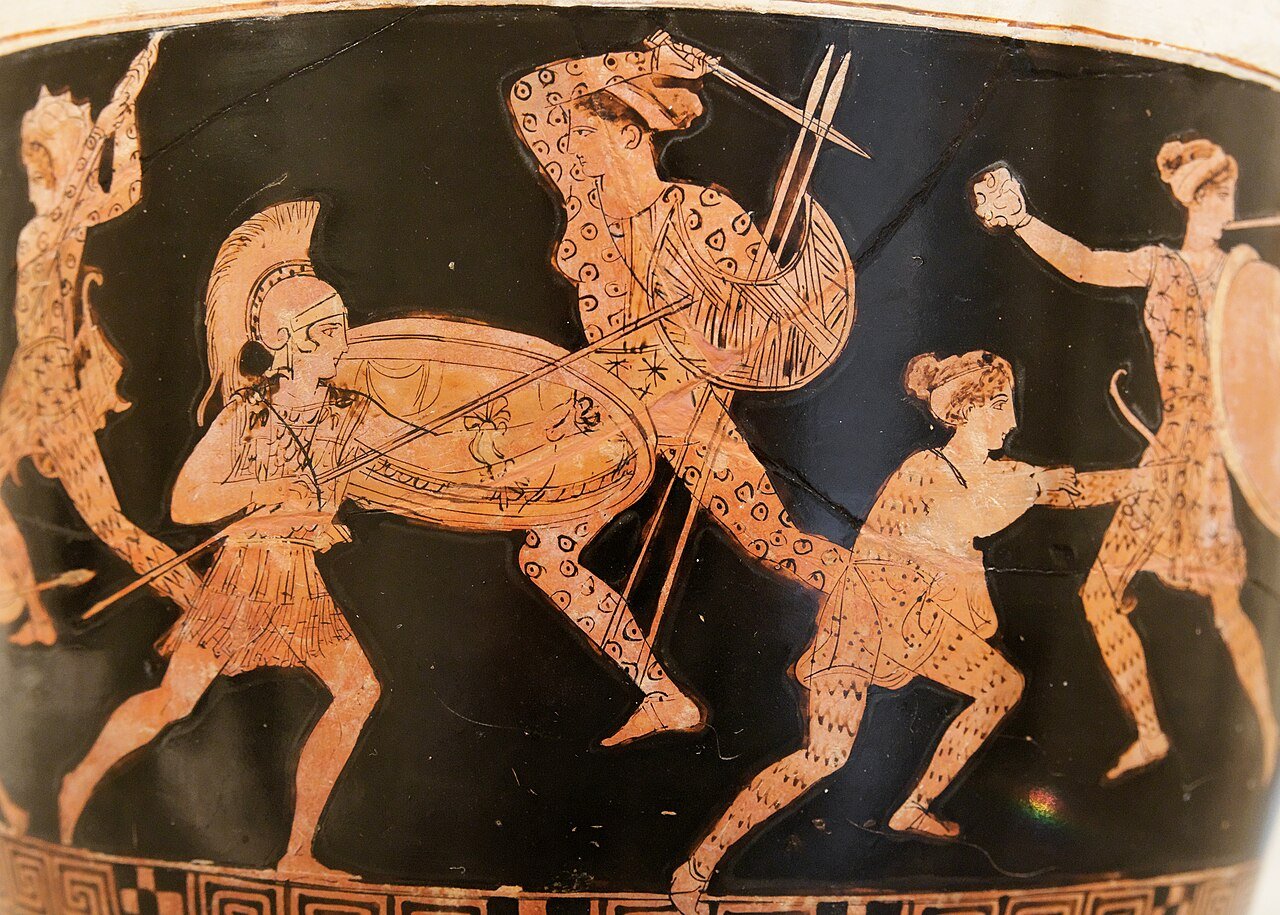
In Greek mythology, the Amazons were a legendary tribe made up entirely of women warriors, skilled in horseback riding and archery, said to fight just as well as — if not better than — any male soldier of the time. For centuries this was dismissed as pure myth, largely because women in ancient Greece were strictly barred from military and public life.
Then archaeologists started digging up ancient burial sites near the Black Sea and into parts of Central Asia — areas historically linked to nomadic tribes like the Scythians. Buried alongside weapons like bows, arrows, and swords were skeletons that, once studied closely, turned out to belong to women. This wasn’t one isolated grave: many burial sites across the region contained female skeletons with clear signs of horseback riding — changes in bone structure around the hips and legs — along with healed injuries matching wounds you’d expect from combat. When Greek travelers and soldiers encountered these communities, armed women fighting confidently on horseback would have seemed shocking, and over time these real encounters could easily have been transformed into the Amazons myth.
12. The Fire-Breathing Chimera
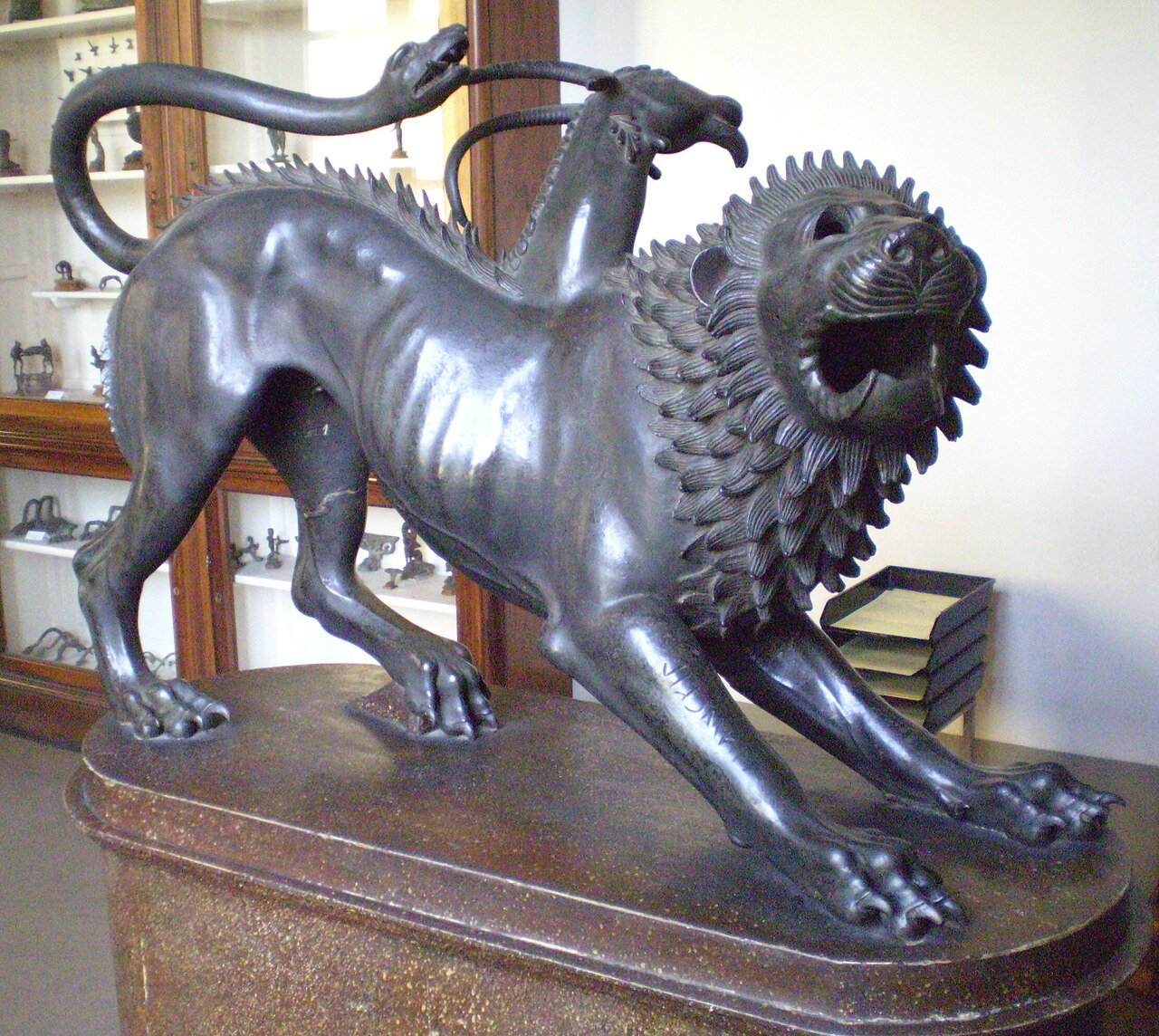
According to Greek mythology, the Chimera was a fire-breathing monster with the body of a lion, a goat’s head growing from its back, and a venomous snake for a tail. The myth is tied to a very specific location — a rocky region in what is now Turkey — and that detail turned out to matter a lot.
In that exact area there is a place called Yanartaş, and if you visit today you can still see small flames flickering out of cracks in the ground without any obvious fuel source like wood or oil. For a long time, people thought a fire-breathing monster lived underground and these flames were proof of it. Once scientists studied the area, they found the real explanation: the rocks release natural gas, mainly methane, that seeps up from underground — when it reaches the surface and touches oxygen, it ignites, creating small flames. That mysterious flame, combined with strange animal bones or sightings, is easy to see turning into the myth of the Chimera.
What Comes Next?
Read as a set, the twelve stories stop looking like coincidences. Every myth in the list is anchored to a real coordinate: a palace that behaves like a labyrinth, a river that runs underground toward the dark, a strait that spins boats without warning, skulls with one hole, and hills that burn. The pattern isn’t that the Greeks invented freely — it’s that they started from something a traveler could actually see, then pushed it one step past the edge of what they could explain.
That is also why the corrections are so exact. Nobody has to debunk the Minotaur; the excavation simply shows what the storytellers were looking at when they described it. The myths don’t fall apart when the evidence appears — they settle into place, one fossil, fresco, and flame at a time.
Image Credits
- Laocoon and His Sons by Hagesandros, Athenedoros, and Polydoros — CC BY-SA 4.0
- Bull leaping fresco, Knossos, 1600-1450 BC, AMH, 258361 by Zde — CC BY-SA 4.0
- Erasmus Quellinus (II)- Jason with the Golden Fleece, 1630 by Erasmus Quellinus II — Public domain
- Temple of Apollo in Delphi – columns 01 by Bernard Gagnon — CC BY-SA 4.0
- Santorin (GR), Akrotiri, Caldera — 2017 — 3000 by Dietmar Rabich — CC BY-SA 4.0
- Legendary walls of Troy (8708672267) by Jorge Láscar from Australia — CC BY 2.0
- Dorudon atrox fossil at Wadi El-Hitan, Egypt, March 2008 by Clr202 (Christoph Rohner) at de.wikipedia — CC BY-SA 3.0
- Flock of cranes feeding on harvested fields in Northern Germany (I) by Andreas Weith — CC BY-SA 4.0
- Acheron River Canyon (1994) by Harry Gouvas — CC BY-SA 3.0
- Elephant Skull (17264194205) by Bernard DUPONT from FRANCE — CC BY-SA 2.0
- Strait of Messina from Dinnammare by Edd48 — CC BY-SA 3.0
- Amazonomachy Met 31.11.13 by Marie-Lan Nguyen — CC BY 2.5
- Chimera di Arezzo by Lucarelli — Public domain