
Every Greek God Explained
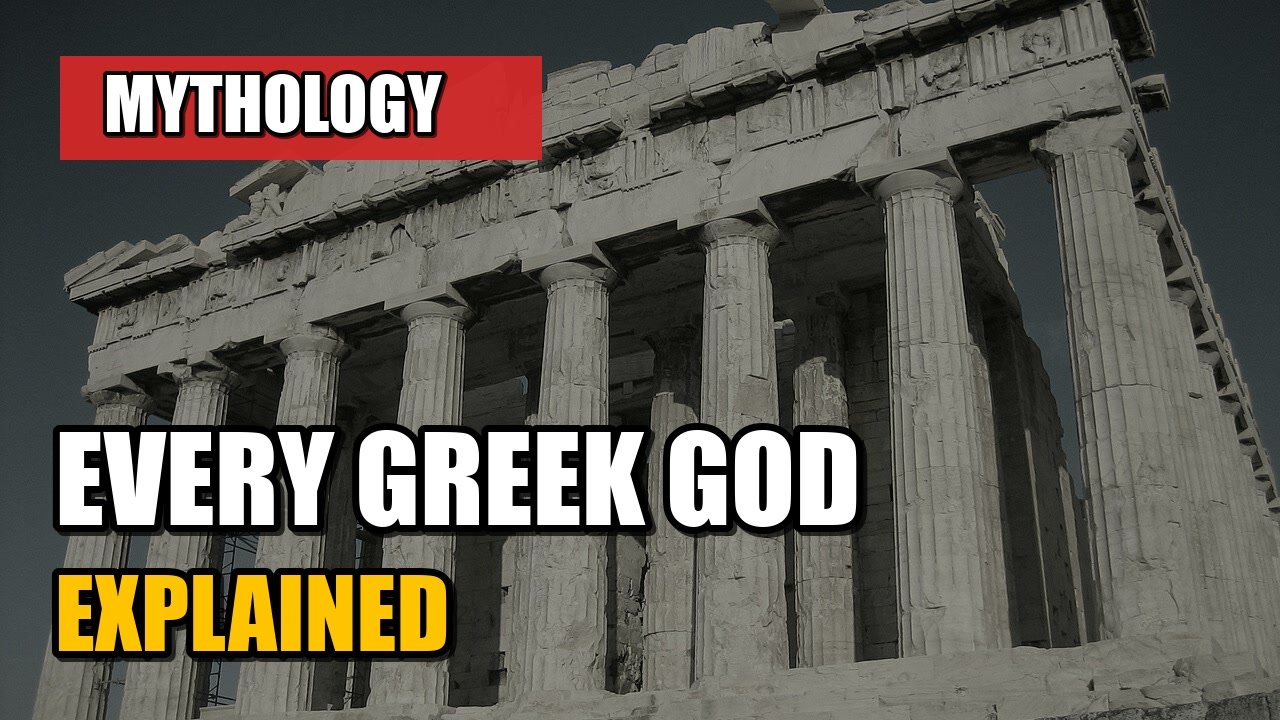
It begins with a god castrating his father with a stone sickle, and ends with a goddess of the hearth who barely has myths at all. In between: thunderbolts forged in a volcano, a minotaur born from a broken promise, and a love affair caught in an unbreakable net. The Greek gods are a very large, very dysfunctional family, and their stories still stand like the Parthenon — ruined in places, but not going anywhere.
The Paint Explainer walks through all twelve Olympians plus Cronus, Hades and Hestia — fifteen chapters, one god each: what they ruled, what they did, and the stories that made them famous.
1. Cronus
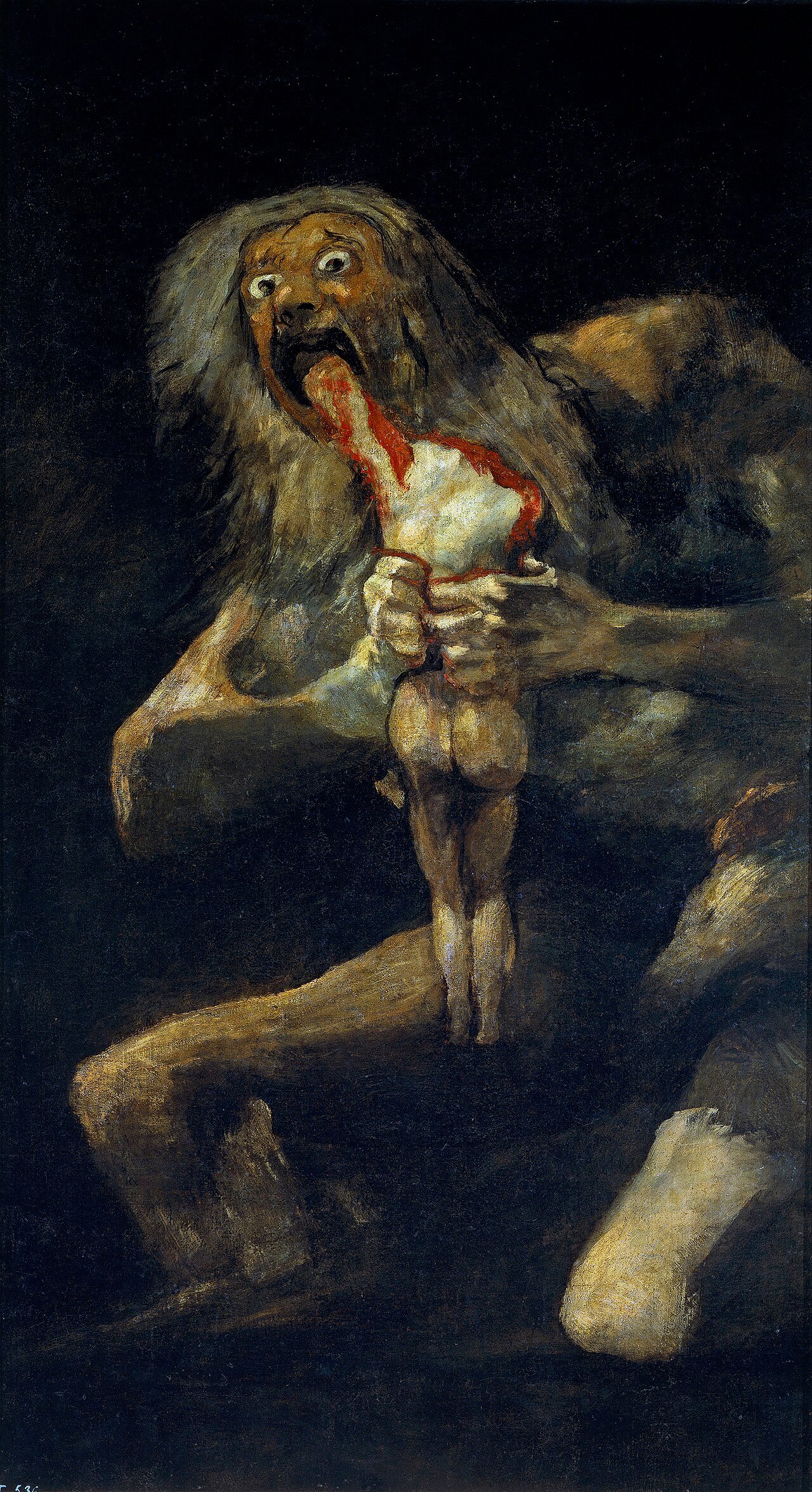
The first deities were Gaia, Mother Earth, and Uranus, Father Sky, and their children were the twelve Titans, the three hundred-handed Hecatonchires, and the one-eyed Cyclops. Uranus hated the last two and hid them in Tartarus, a deep abyss used as a dungeon for the wicked, which enraged their mother. Gaia forged a great stone sickle and called for volunteers: only the youngest Titan, Cronus, stepped up. Cronus ambushed his own father and castrated him, throwing the sickle and the rest into the ocean, where legend says they became Corfu, the Greek island shaped like the sickle. Cronus and his sister Rhea took the throne, and their Golden Age needed no laws, rules or work — until a prophecy that a son would overthrow him just as he had overthrown Uranus.
2. Zeus

Zeus, sky and thunder and king of the gods, was raised in secret while his father ate his siblings. Grown up, he used a potion given by Gaia to force Cronus to disgorge everything he had swallowed, in reverse order: first the stone, then his two brothers and three sisters — Poseidon, Hades, Hera, Hestia and Demeter. He then freed the hundred-handed giants and the Cyclops, who forged his thunderbolts, Poseidon’s trident and Hades’s Helm of Darkness. The vast Titanomachy followed, Olympus against Mount Ossa, and the victors took the name Olympians while the losing Titans were confined to Tartarus. Zeus married his sister Hera and fathered Ares and Hephaestus with her, while his affairs produced Athena, Hermes, Dionysus, Apollo and Artemis.
3. Hera
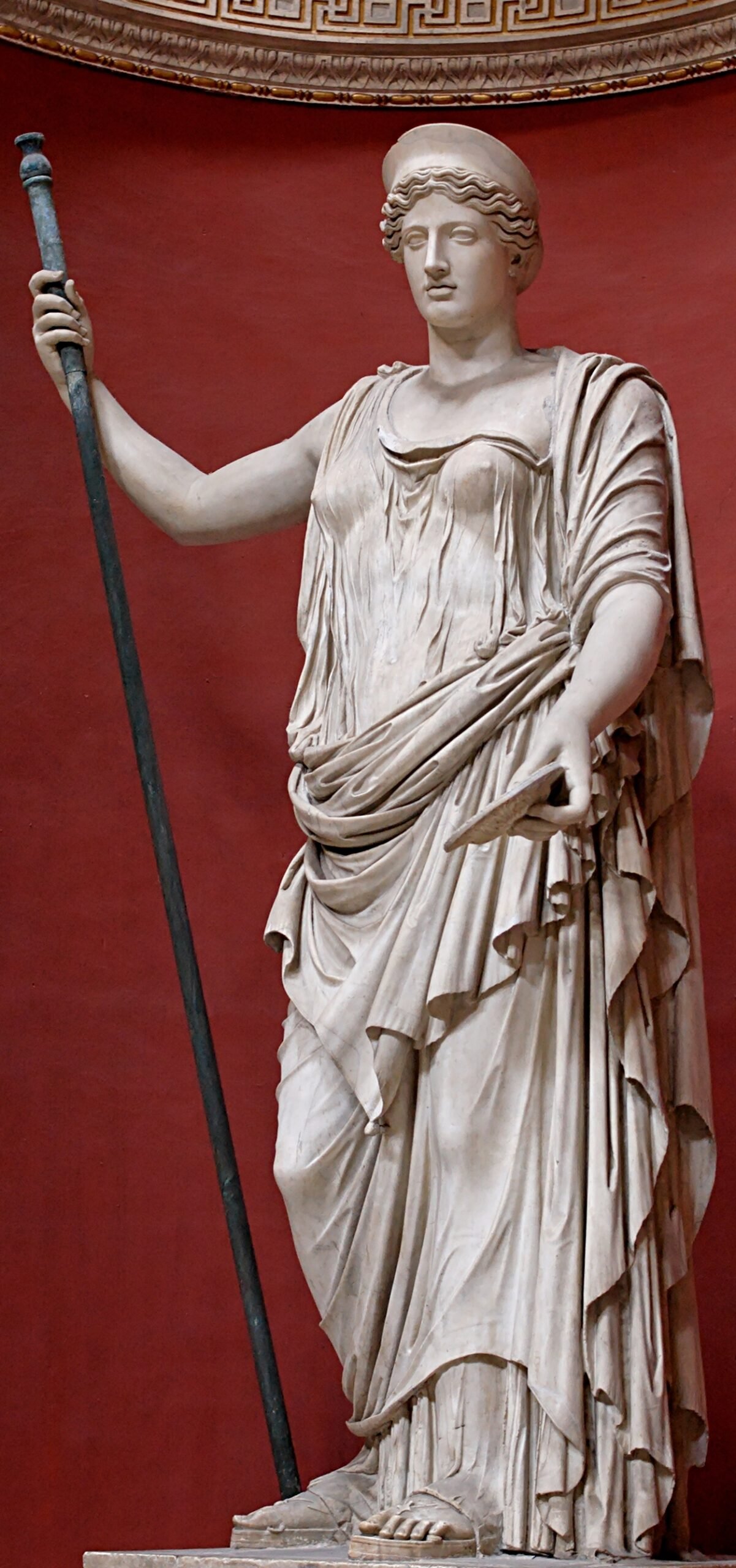
Hera is the goddess of marriage, women and family, the wife and sister of Zeus and queen of the gods — and one of the most jealous and vengeful in the pantheon, punishing the women who lay with her husband and the children that came from it. When she learned Leto was pregnant with Apollo and Artemis she tried to stop the birth outright, convincing the nature spirits to refuse her a place to land. Only Poseidon’s pity saved them, guiding Leto to the floating island of Delos. Her rage reached Zeus’s other illegitimate children too: she sent serpents to the infant Hercules, who crushed them in his cradle, then drove him mad so that he killed his wife and children — the crime that sent him on his twelve labors.
4. Poseidon
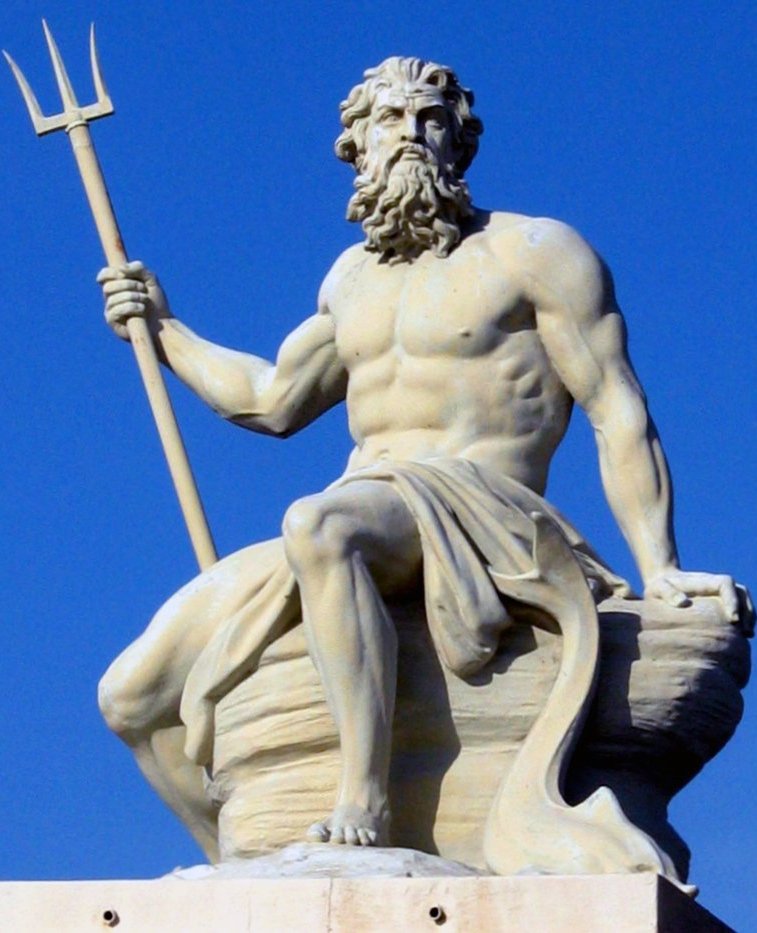
Poseidon is the god of the sea and presides over storms, earthquakes and horses — a horrifying and avenging god, honored even in cities where he wasn’t the patron deity. When Minos asked for his help securing the throne of Crete, Poseidon gave him a splendid white bull with the understanding it would be sacrificed back to him. Minos was so impressed by the animal that he kept it and sacrificed an ordinary bull instead. Enraged, Poseidon made Minos’s wife fall in love with the bull, and their coupling produced the Minotaur — a half-bull, half-human creature that fed on human flesh.
5. Athena

Athena is the goddess of wisdom, warfare and handicraft, born from Zeus’s forehead without a mother — so shocking that his wife, furious he had produced a child on his own, conceived and bore Hephaestus by herself. Athena once competed with Poseidon for patronage of Athens: he raised a saltwater spring with his trident, she offered the first domesticated olive tree, bringing wood, oil and food. King Cecrops chose the olive, and Athena became the city’s patron. Poseidon’s son tried to cut the tree down and missed, the axe falling on himself. She also transformed Medusa into the serpent-haired monster whose gaze turned mortals to stone, after Poseidon defiled her temple.
6. Hephaestus
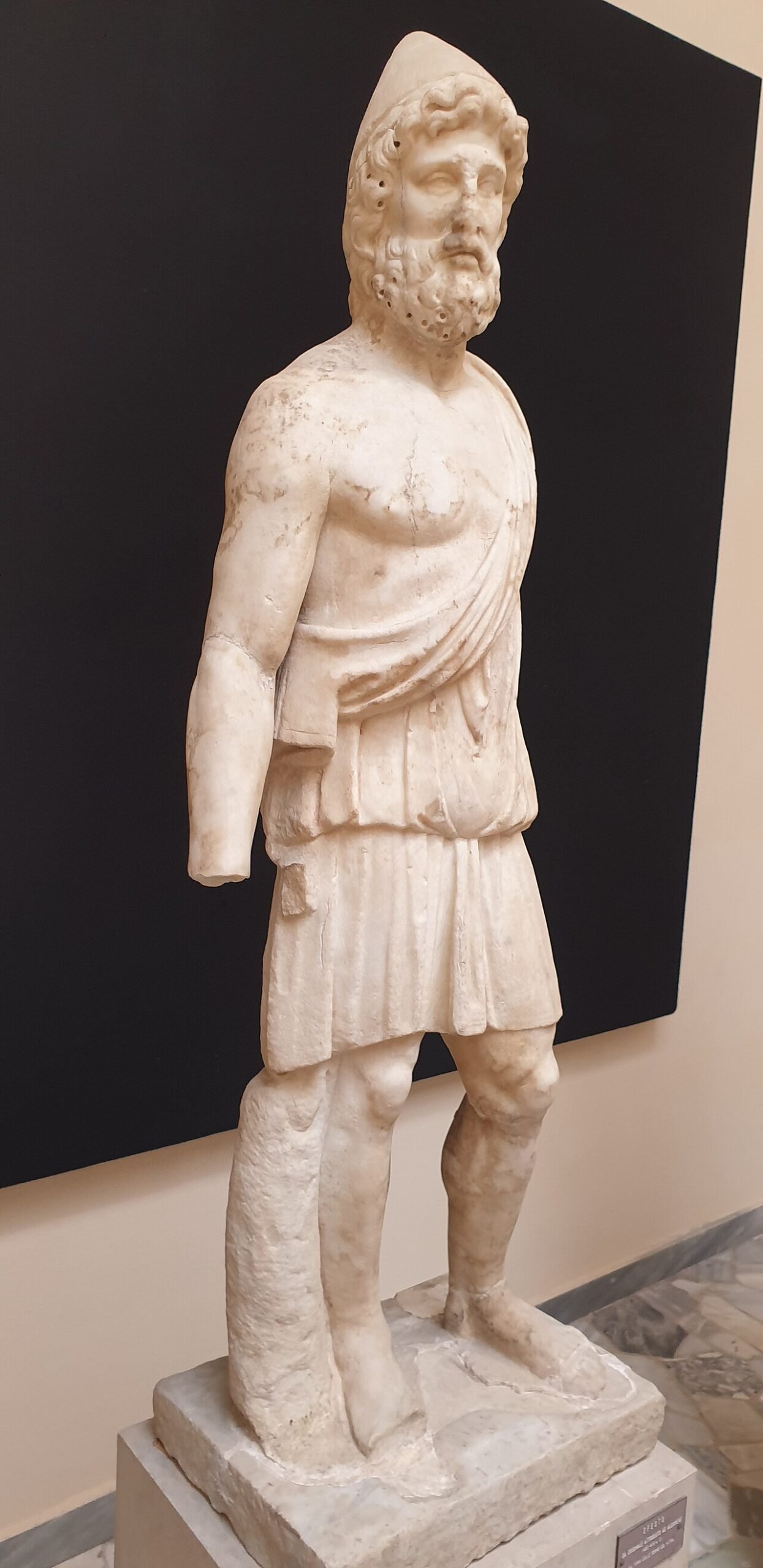
Hephaestus is the god of artisans, blacksmiths, carpenters, fire, sculpture and volcanoes. His mother Hera cast him off Mount Olympus because of his lameness, and he landed in the ocean. He made the weapons of the gods and of heroes like Achilles and Hercules, and he created Pandora and her famous box, which she opened, releasing curses upon mankind. His revenge was a magical golden throne that trapped Hera the moment she sat on it: when the gods begged him to return and release her, he refused, saying he had no mother. His price for freeing her was marriage to Aphrodite, and his mother fulfilled the request.
7. Aphrodite
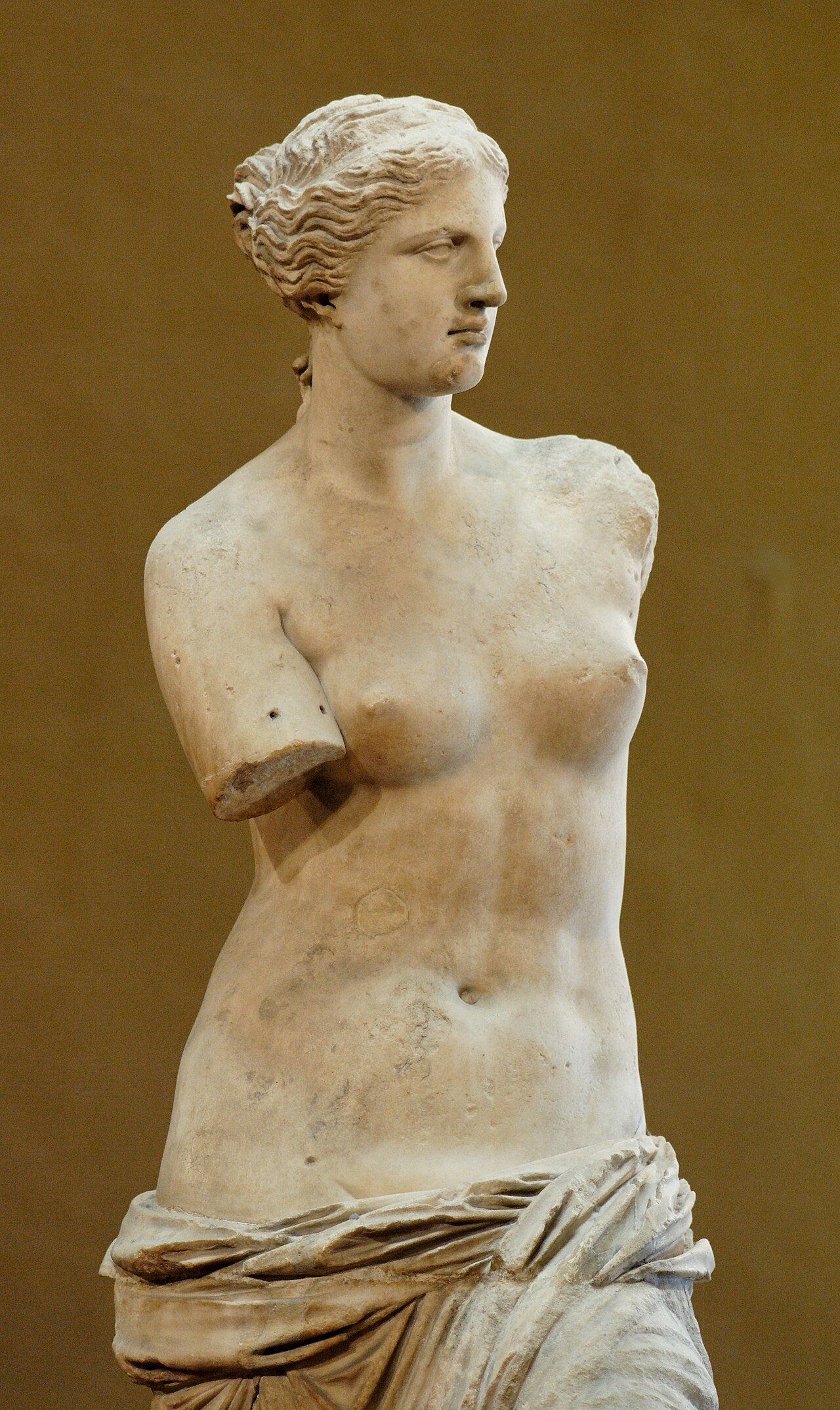
Aphrodite is the goddess of love, lust, beauty, pleasure and passion, born from Uranus’s genitals when they fell into the ocean after Cronus cut them away. She generously rewarded those who honored her and punished those who disrespected her, often brutally. Though married to Hephaestus she had an affair with Ares, the god of war, and Hephaestus caught them with a trap: an unbreakable chain-link net that ensnared the pair in bed and dragged them to Mount Olympus to be shamed before the gods. The gods laughed at them, and only Poseidon’s intervention got the couple released.
8. Ares
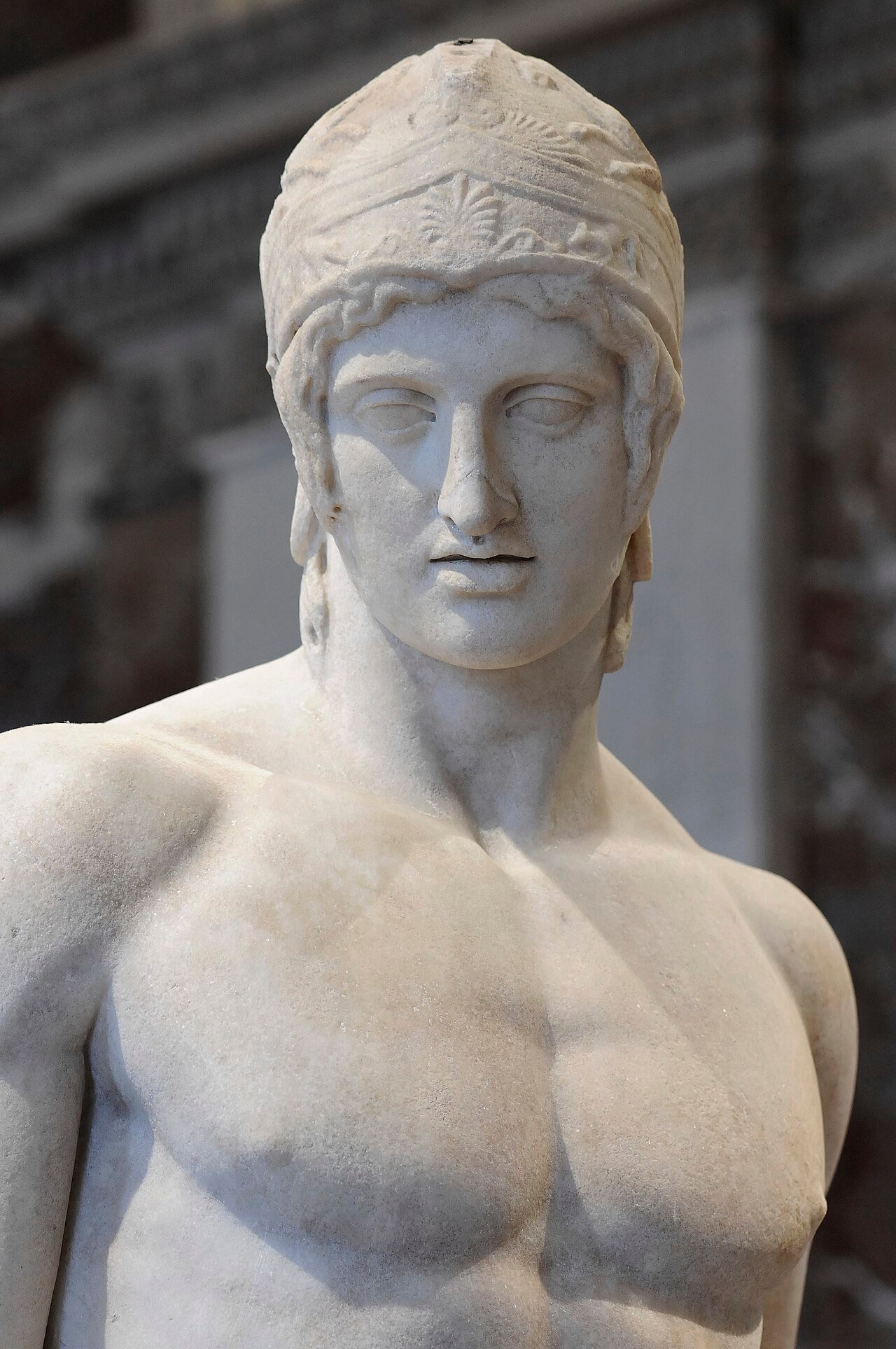
Ares is the god of war and courage, embodying the physical valor needed to win — but also sheer brutality and bloodlust, in contrast to his sister Athena, whose martial gifts are strategy and generalship. Ares plays a relatively limited role in Greek mythology himself, but his numerous love affairs and abundant offspring are constantly alluded to, most memorably the affair with Aphrodite that got the pair caught in Hephaestus’s net and displayed for the whole of Olympus to see.
9. Apollo
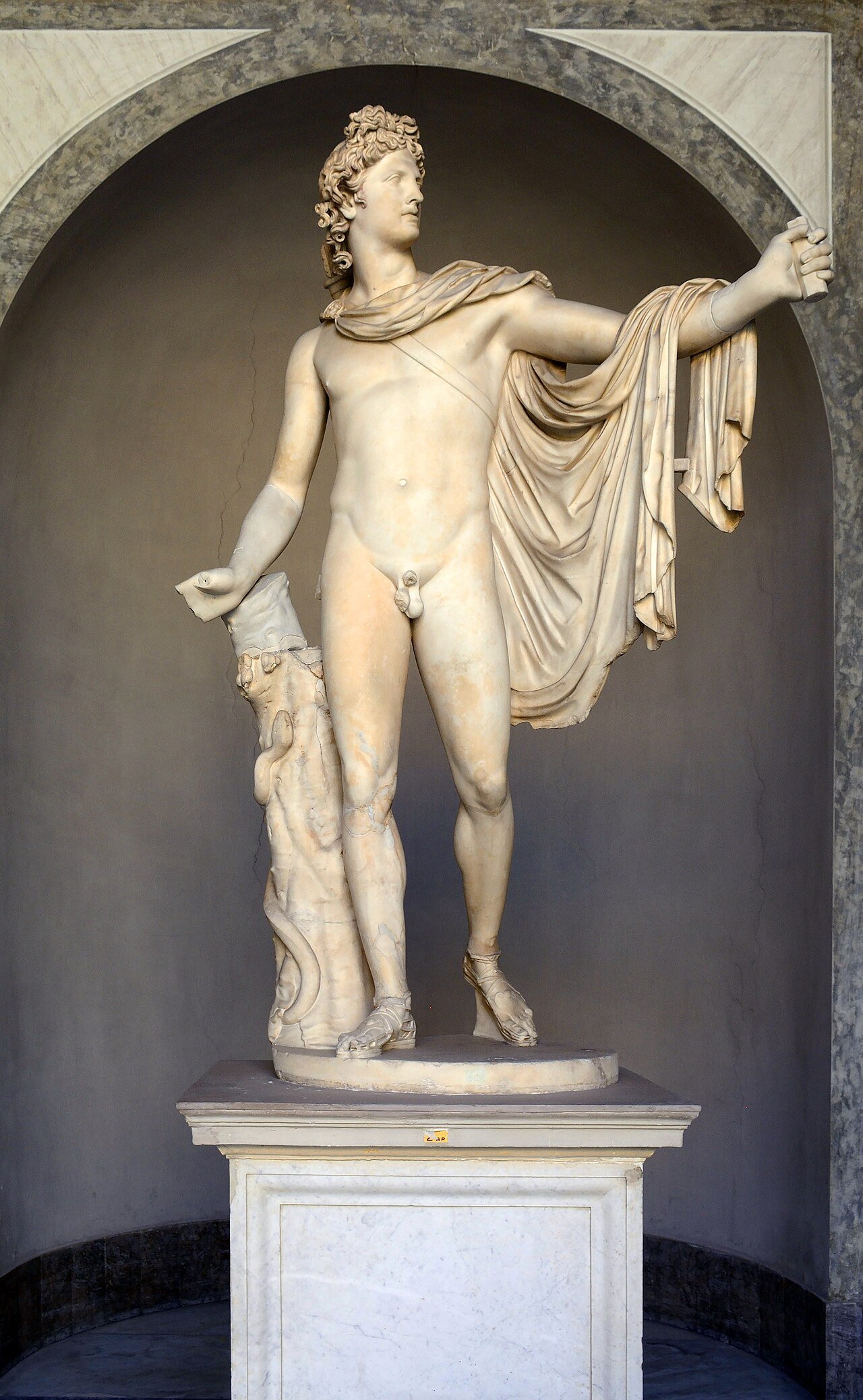
Apollo is the god of archery, music and dance, truth and prophecy, healing and disease, the sun and light, and poetry. Born from Zeus and Leto, he was the illegitimate child Hera tried and failed to keep from being born. Considered the most beautiful of the gods, he is patron of Delos and prophetic deity of the famous Delphic Oracle, whose answers were consulted on every kind of matter. Apollo both cured and killed: he delivered people from epidemics yet could also bring deadly plagues with his arrows, an important pastoral god and protector of herdsmen and shepherds who wards off evil.
10. Artemis
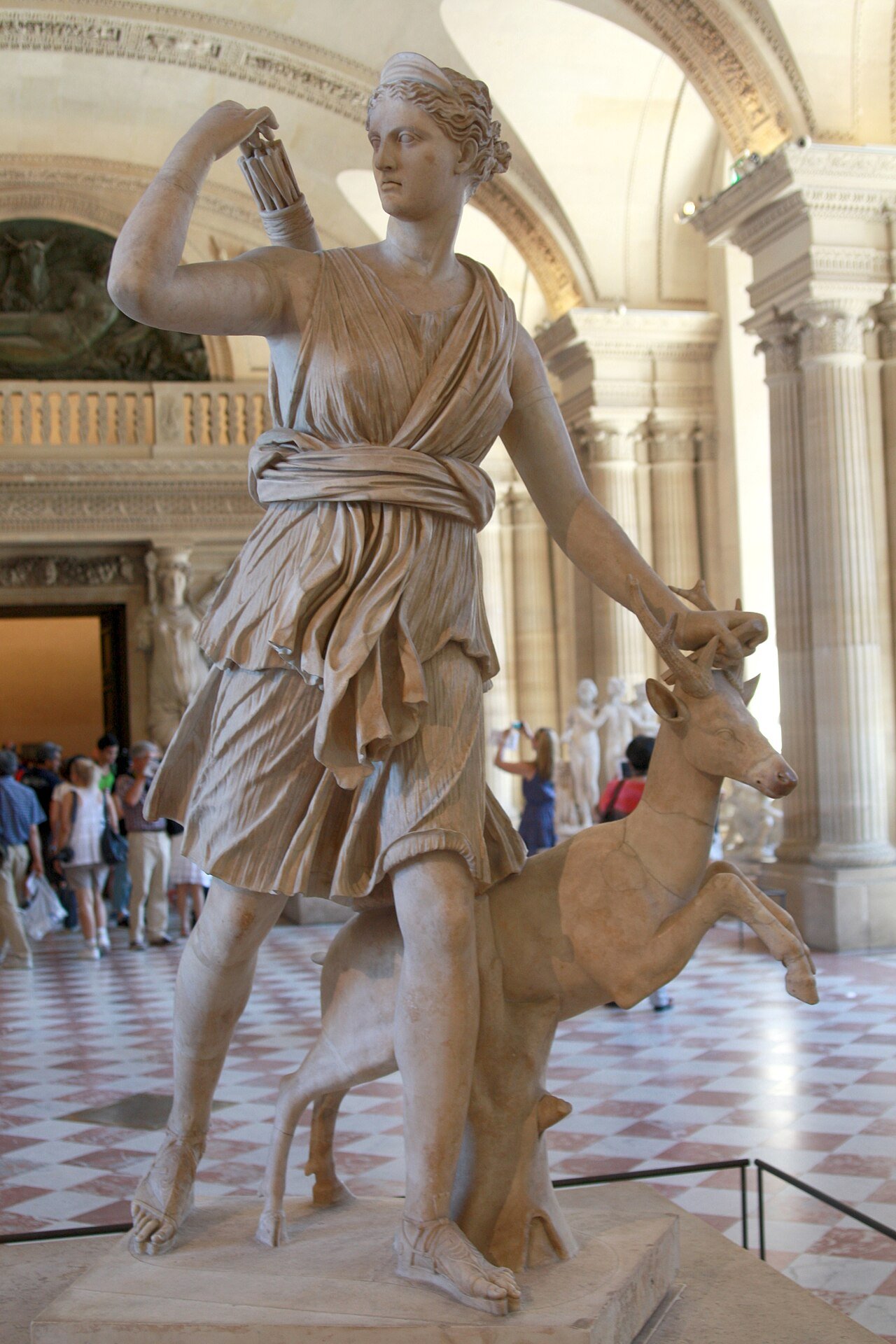
Artemis is the goddess of the hunt, the wilderness, wild animals, nature, vegetation, childbirth and the care of children, and one of the three major virgin goddesses alongside Athena and Hestia. She guarded that vow jealously: when a young hunter saw her bathing naked, the angry goddess transformed him into a deer, and he was devoured by his own hunting dogs, who no longer recognized their master. Artemis was one of the most widely venerated of all the ancient Greek deities.
11. Dionysus

Dionysus is the god of wine, parties and theater, yet another illegitimate child of Zeus. Many festivals were celebrated to worship him, with mass drinking at their center and, in the wildest of them, the orgies the ancients kept in his name. He is the god of the vine: strange, joyful, and dangerous in equal measure, arriving at Olympus with a celebration already in progress.
12. Hermes
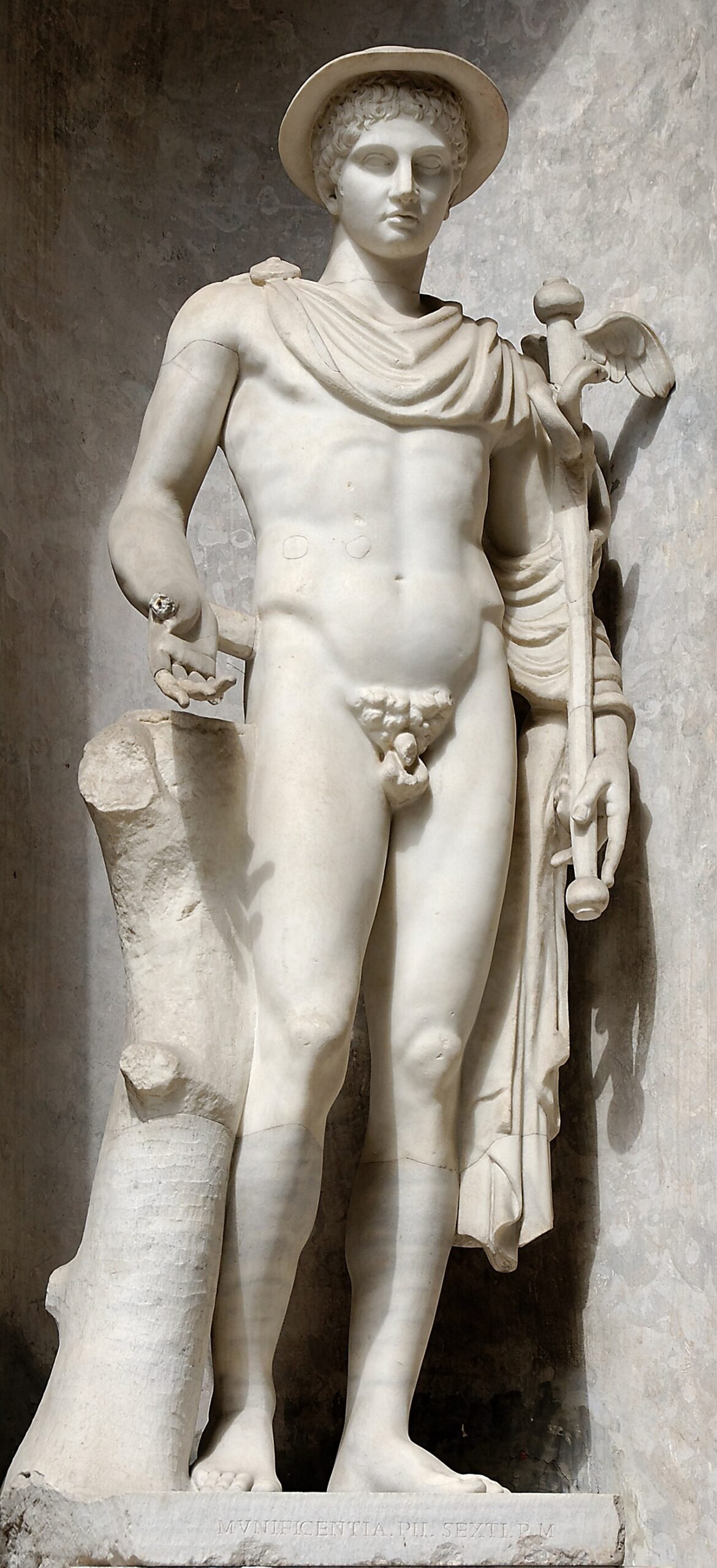
Hermes is the messenger god and the patron of thieves, travelers and merchants, able to move quickly and freely between the worlds of the mortal and the divine in his winged sandals. He conducts souls into the afterlife, another illegitimate child of Zeus, and is regarded as the divine trickster, pulling pranks and stealing from the other deities. He carries a golden staff as a mark of his authority, usually wears a winged helmet, and rescued the infant Dionysus more than once when danger closed in.
13. Demeter
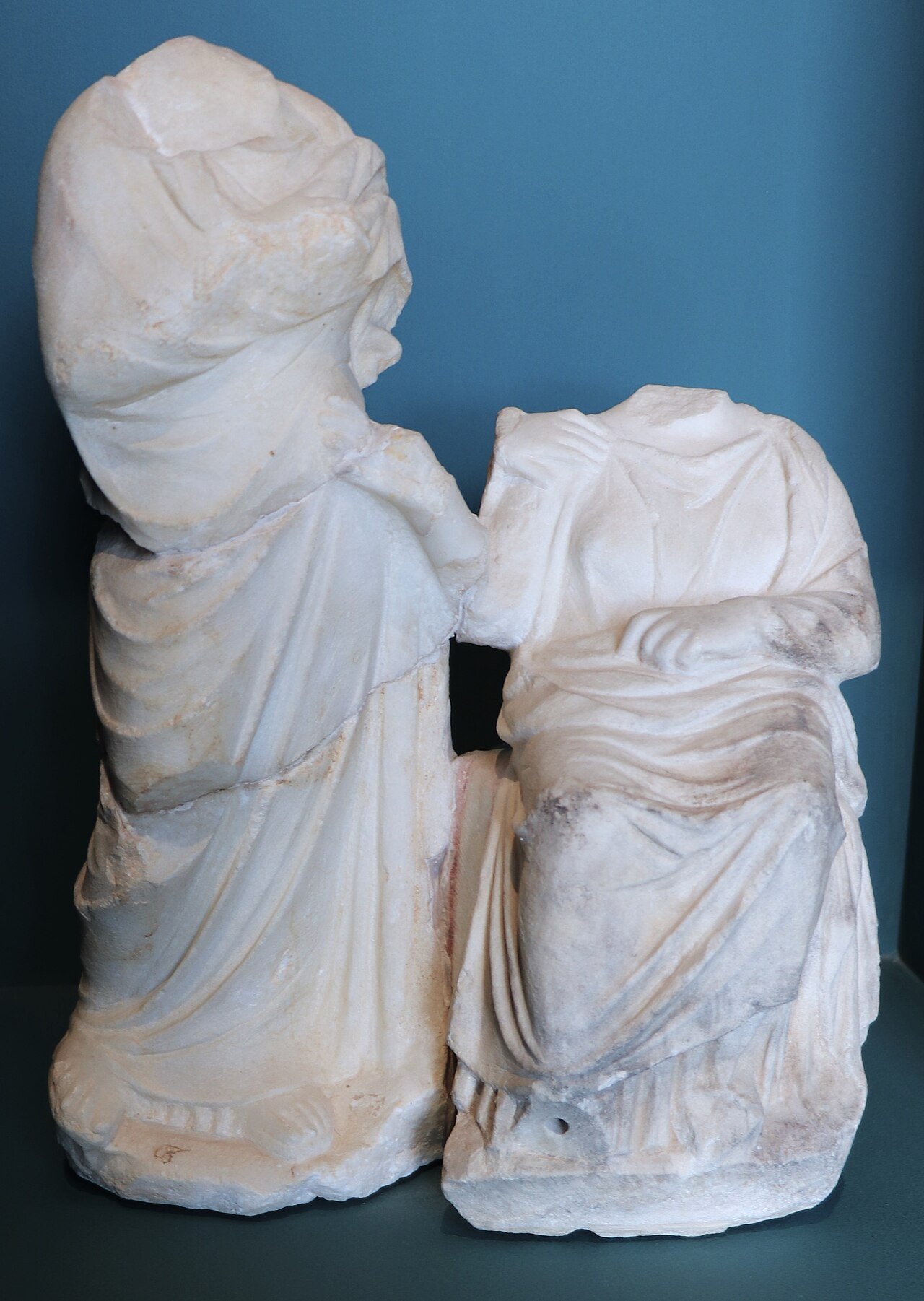
Demeter is the goddess of the harvest and agriculture, presiding over crops; through her brother Zeus she became the mother of Persephone. Hades loved the girl and rose from the ground to drag her down to the underworld. Demeter searched everywhere for her missing daughter until she was told what had happened, and in her grief she neglected her duties, plunging the earth into a deadly famine where nothing grew and mortals began to die. Zeus ordered Hades to return her — but because she had eaten food of the underworld she could not stay forever, and divided the year between her mother and her husband. That is how the seasons are explained: nothing grows while she is below.
14. Hades

Hades is the god of the dead and king of the underworld, where the spirits of the dead reside. He was portrayed as passive, never negatively, his role to maintain balance; he strictly forbade his subjects to leave and became enraged when anyone tried. He rarely went above ground and didn’t care what happened there. The only way in was passage with the ferryman Charon, who carried souls across the Styx for payment — which is why Greeks buried their dead with coins, often placed on the eyes. Past the river stood Cerberus, the three-headed dog guarding the gates, and then three judges sent each soul to Elysium for heroes, the Asphodel Meadows for the ordinary, or Tartarus, where the Titans and the criminals of the gods are tortured forever.
15. Hestia

Hestia is the goddess of the hearth — the place in a home where a fire was traditionally kept for heating and cooking — and of homes in general. She is one of the three virgin goddesses alongside Athena and Artemis, and of them all she has the most limited mythology: no famous feuds, no twelve labors, no net full of lovers. Her chapter closes the pantheon the way her fire closes every sacrifice, quietly at the center of things.
What Comes Next?
The fifteen stories sort into a few kinds. Family violence: Cronus devouring his children, Hera hounding Zeus’s. Broken vows: Minos keeping the bull, Poseidon desecrating the temple that made Medusa a monster. Traps and jealousy: Hephaestus’s golden throne and his chain-link net. And abductions that reshape the world: Hades taking Persephone, and the seasons turning after her.
What holds the pantheon together is that these gods behave like one very large, very dysfunctional family — thunderbolts, forged weapons, love triangles, plagues and wine festivals — with a hearth goddess quietly at the center of it all. The sources are public and the stories are fixed: from Cronus’s sickle to Hestia’s fire, all fifteen of them, ready to be read again.
Image Credits
- Parthenon from west by User:Mountain — Public domain
- Francisco de Goya, Saturno devorando a su hijo (1819-1823) by Francisco Goya — Public domain
- Zeus Otricoli Pio-Clementino Inv257 by Unknown artistUnknown artist — Public domain
- Hera Barberini Pio-Clementino Inv254 by Ancient Roman statue of Hera, formerly in the Barberini Collection. This is a replica of a 5th century BC Greek original from the school of Phidias. Exhibited in the “Sala Rotonda” (Round Hall) in the Museo Pio-Clementino (Vatican Museums). — Public domain
- Poseidon sculpture Copenhagen 2005 by — CC BY-SA 3.0
- Athena type Velletri by Marie-Lan Nguyen — Public domain
- Statue of Vulcan-Hephaestus by MumblerJamie — CC BY-SA 2.0
- Venus de Milo Louvre Ma399 n4 by Unknown artistUnknown artist — Public domain
- Ares Borghese Louvre Ma 866 n02 by Marie-Lan Nguyen — CC BY 2.5
- Apollo del Belvedere by Livioandronico2013 — CC BY-SA 4.0
- Diana of Versailles, Louvre 1 August 2013 by Fernando — CC BY-SA 2.0
- Statue Dionysus AMH by Jebulon — CC0
- Hermes Ingenui Pio-Clementino Inv544 by — Public domain
- Statue of Demeter & Kore at Eleusis by Furius — CC0
- Hierapolis Museum Hades statue 4304 by Dosseman — CC BY-SA 4.0
- Hestia Giustiniani (Louvre) by Tangopaso — Public domain