
Every Level of Civilization Explained
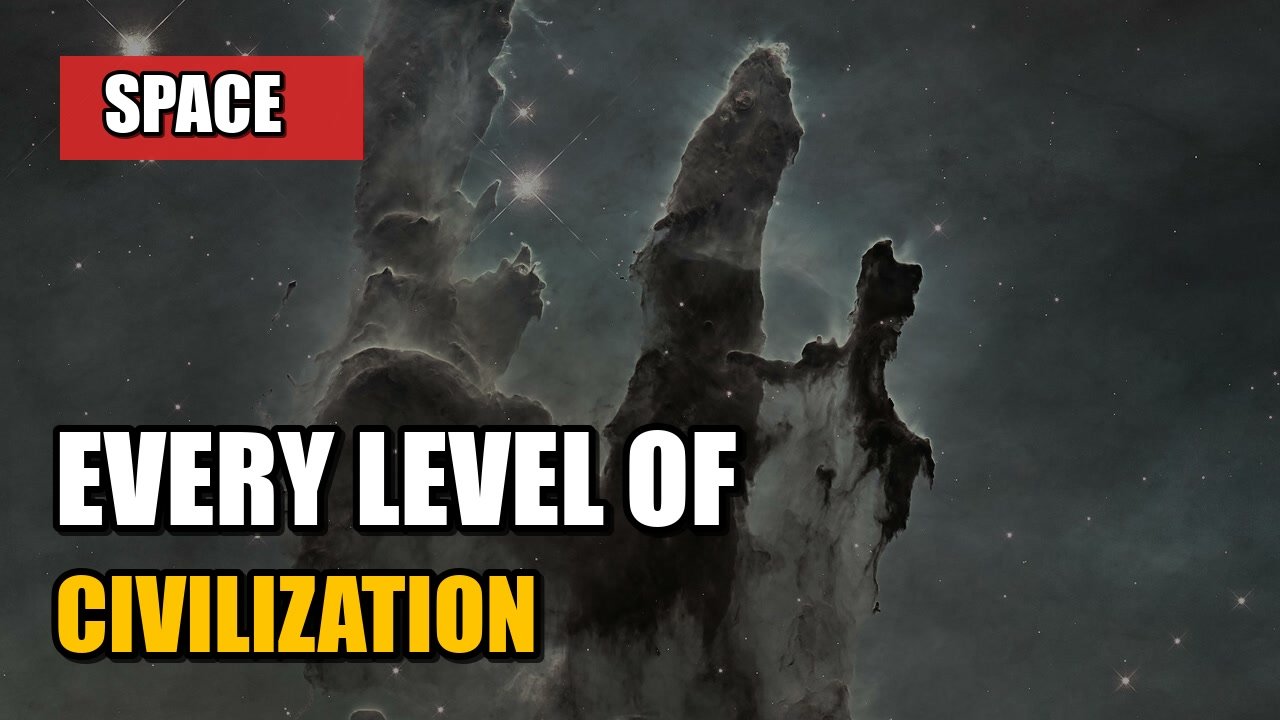
A Type I civilization runs its whole planet. A Type II swarms its star. By Type VII, the words civilization and existence stop being different things. Seven rungs up the Kardashev scale, each one a jump in energy so large the level below can barely imagine it.
The Paint Explainer climbs the Kardashev scale one type at a time: what each level can do, the megastructures behind it, and why the leap to Type II might be the great filter standing between us and the stars.
1. Type I
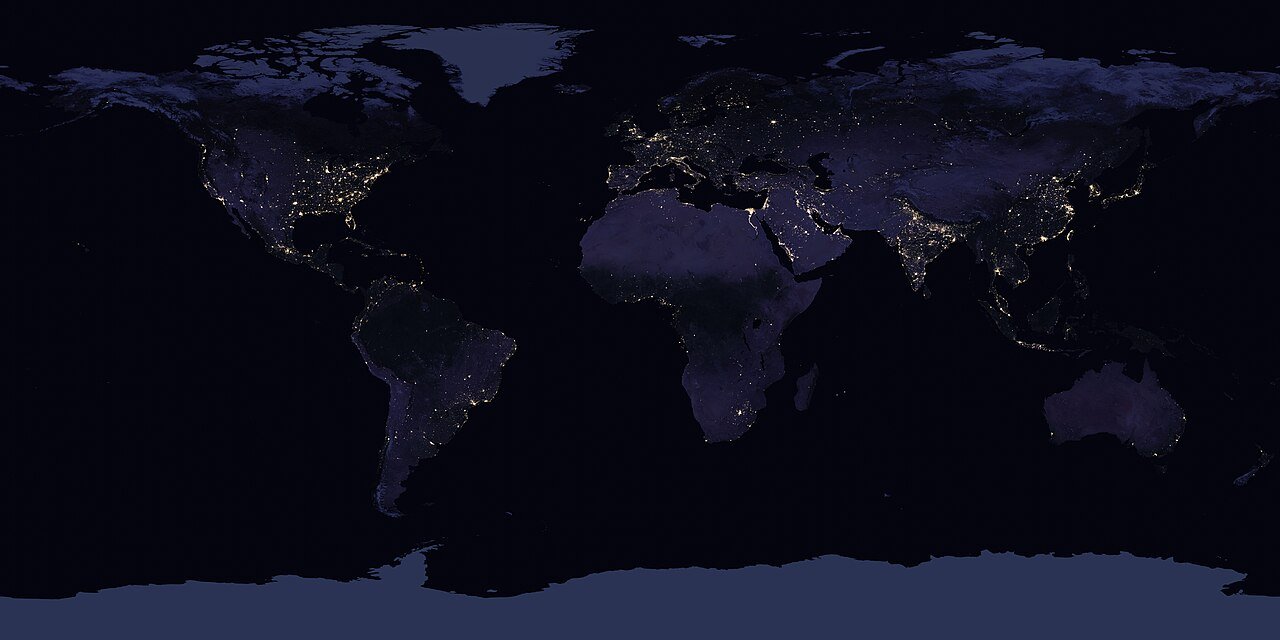
A Type I civilization on the Kardashev scale has achieved complete control over the energy resources of its home planet: it can harness all available energy from the sun, wind, geothermal and nuclear power to meet its needs, and might also have the technology to manage the planet’s weather, preventing natural disasters like hurricanes or controlling rainfall to eliminate droughts. Currently humanity is not yet a Type I civilization, but we are steadily moving in that direction. Planetary scientist Phil Metzger predicts that nuclear and renewable energy alone will not be enough as coal and oil run out, and suggests humanity needs to start a 100-year project to develop spacecraft and mining operations in space, on asteroids or the Moon, while nuclear fusion offers a nearly limitless source of clean energy. Achieving it would require global cooperation — a foundation the internet has already laid. The transition also carries real risks: worsening climate change, depleted resources, geopolitical tensions over who controls the energy, and easier access to weapons of mass destruction.
2. Type II
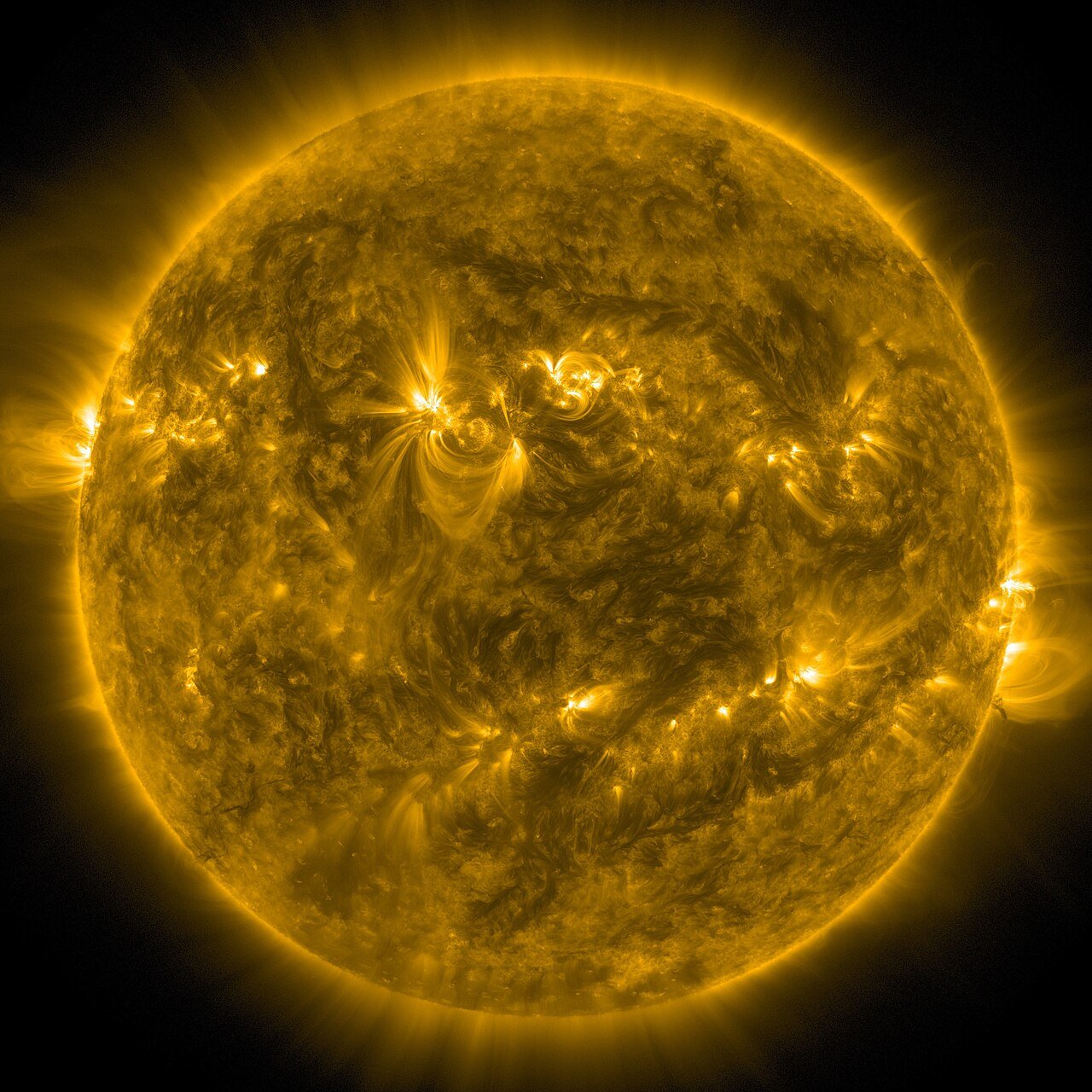
A Type II, or solar, civilization can harness the total energy output of its star, such as our sun, instead of relying only on the energy that reaches its planet. One of the most famous concepts here is the Dyson Sphere, proposed by physicist Freeman Dyson in 1960: a megastructure built around a star to capture most or all of its energy. While a solid shell is the science fiction version, the practical approach would likely be a Dyson swarm — a collection of solar-collecting satellites orbiting the star. With that energy the civilization could power massive industrial projects, support extremely large populations, and treat interplanetary travel as routinely as air travel, living in O’Neill cylinders, rotating habitats that could house millions in Earth-like environments, while stellar engineering, asteroid mining and artificial stars keep the whole system running.
3. Type III
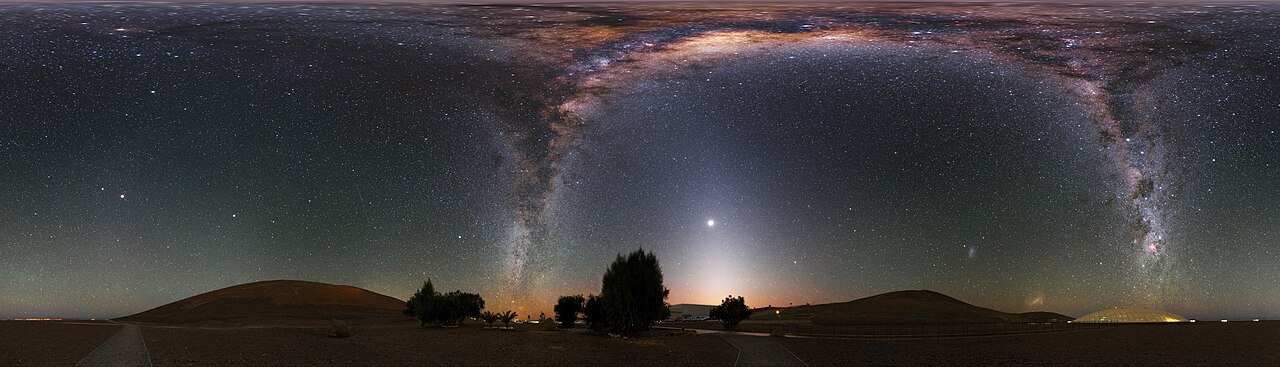
A Type III, or galactic, civilization can harness and control the energy output of an entire galaxy: billions of stars, potentially even black holes and other cosmic phenomena. The key concept is galactic-scale engineering — megastructures around multiple stars or whole star systems, and stellar engines capable of moving stars. Such a civilization could build wormholes for faster-than-light travel or planet-sized computers simulating entire universes. It could tap rotating black holes through the Penrose process, sending objects into the ergosphere so part of their energy can be captured, or use Hawking radiation as a power source. The Matrioshka brain, nested layers of Dyson spheres around a star, would turn it into a supercomputer, while AI manages star systems and post-biological minds spread across the galaxy.
4. Type IV
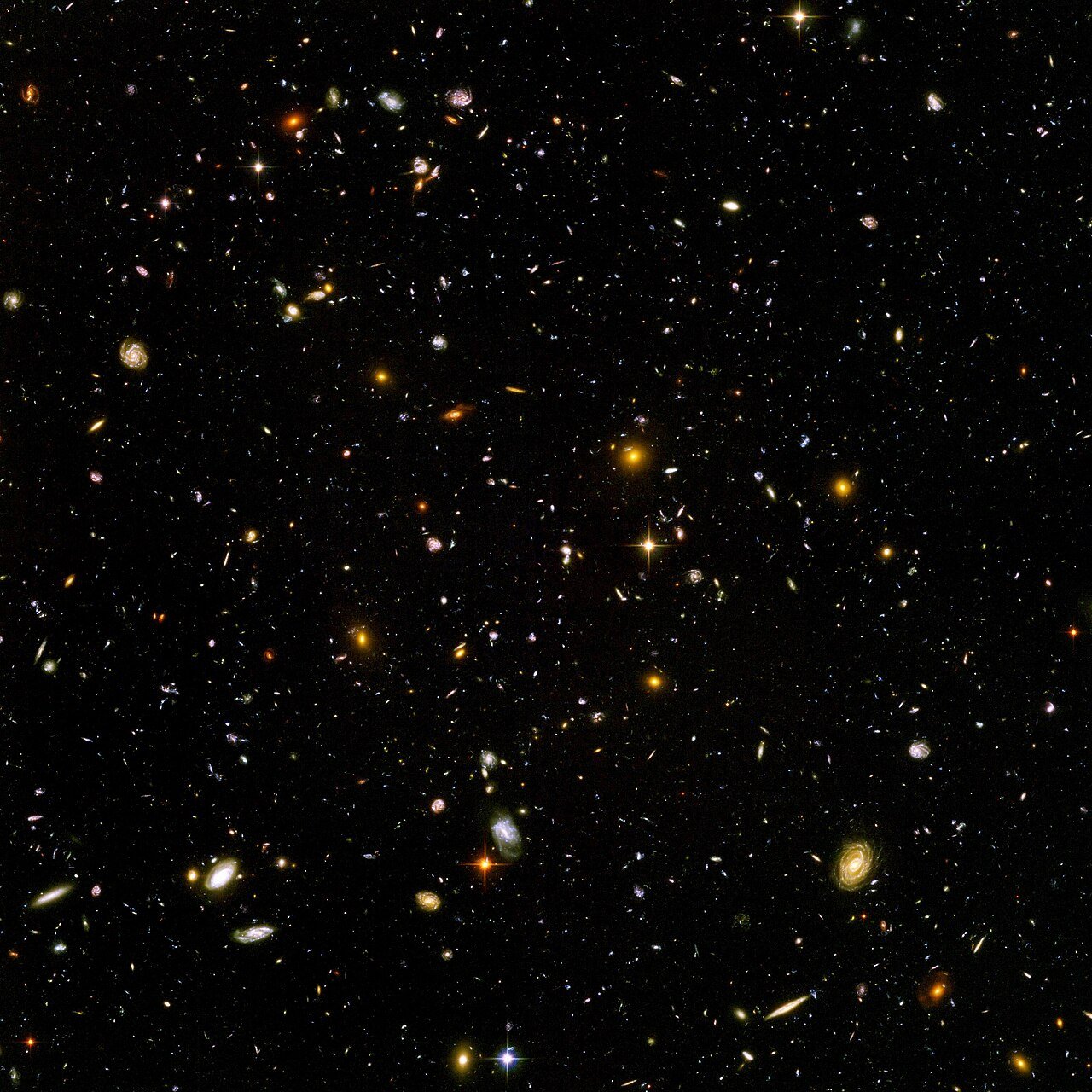
A Type IV, or universal, civilization harnesses and controls energy at the scale of the entire universe, tapping not just galaxies but the fundamental forces themselves, including dark matter and dark energy, and manipulating black holes, supernovae and even the fabric of spacetime. Universal-scale engineering could create or destroy galaxies and design artificial universes, while self-replicating Von Neumann probes spread through the cosmos harvesting resources. With quantum control over the fields that underpin reality, it could alter physical laws, open stable wormholes or access other dimensions, and draw on exotic energy from black hole evaporation or the cosmic microwave background. Its messages would travel as gravitational waves or neutrinos instead of radio, and with enough energy it could even fight entropy itself, maintaining structures indefinitely — perhaps achieving immortality as pure information spread across the stars.
5. Type V
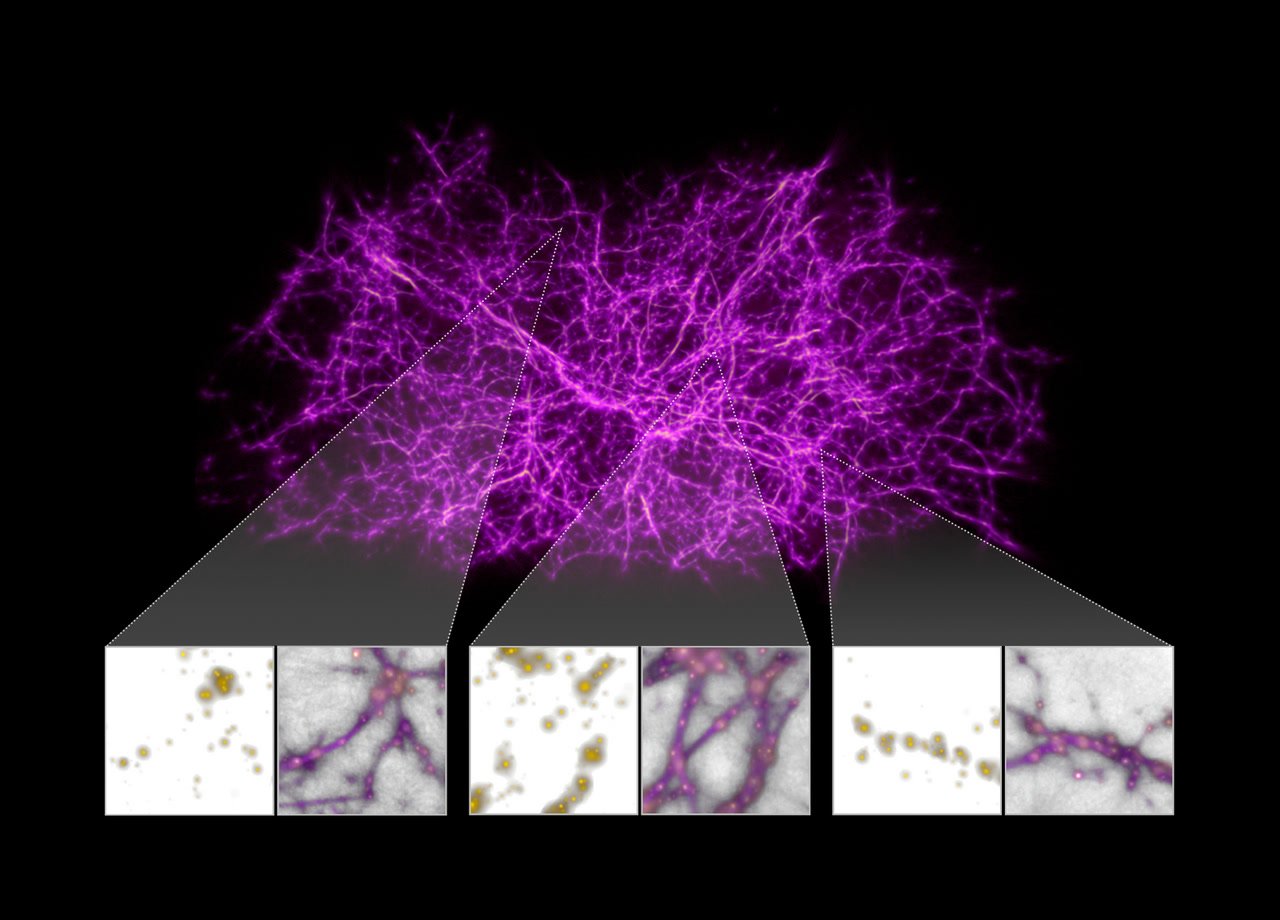
A Type V, or multiversal, civilization harnesses energy on a scale beyond the entire universe, potentially influencing multiple universes or dimensions and manipulating not just physical laws but the fundamental structure of reality. White holes, which expel matter and energy instead of swallowing it, could feed their realm and help create new galaxies; connected to black holes through wormholes, they could serve as gateways between regions of the universe — or between universes. The civilization could practice multiverse engineering, creating, manipulating or traveling between universes with different physical laws, even constructing bubble universes with their own rules; reshape spacetime with cosmic algorithms; travel hyperdimensionally beyond our three spatial dimensions; and draw on transcendent energy from cosmic strings or the remnants of the Big Bang, potentially influencing constants like the speed of light itself.
6. Type VI
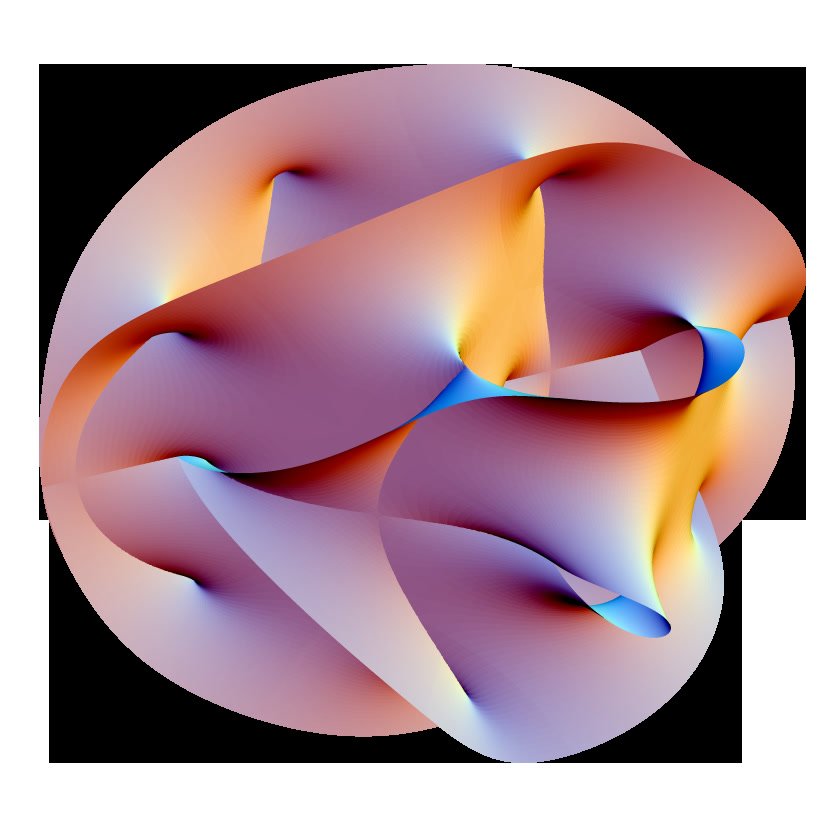
A Type VI, or multi-dimensional, civilization controls and manipulates entire multiverses, far beyond the scope of a single universe. Through multiversal synthesis it could create and fuse multiple universes into complex new realities with brand-new physical laws and constants; through cosmic harmonization it could align those laws across universes into a synchronized cosmic network. It could even resurrect universes that have ceased to exist, harnessing residual energies from collapsed or extinct ones to guide the rebirth of dead cosmic systems into new forms. On top of that, temporal manipulation across the multiverse — time loops, synchronized events, new dimensions of time — and trans-universal communication using quantum entanglement would let it send information across different universes at once.
7. Type VII
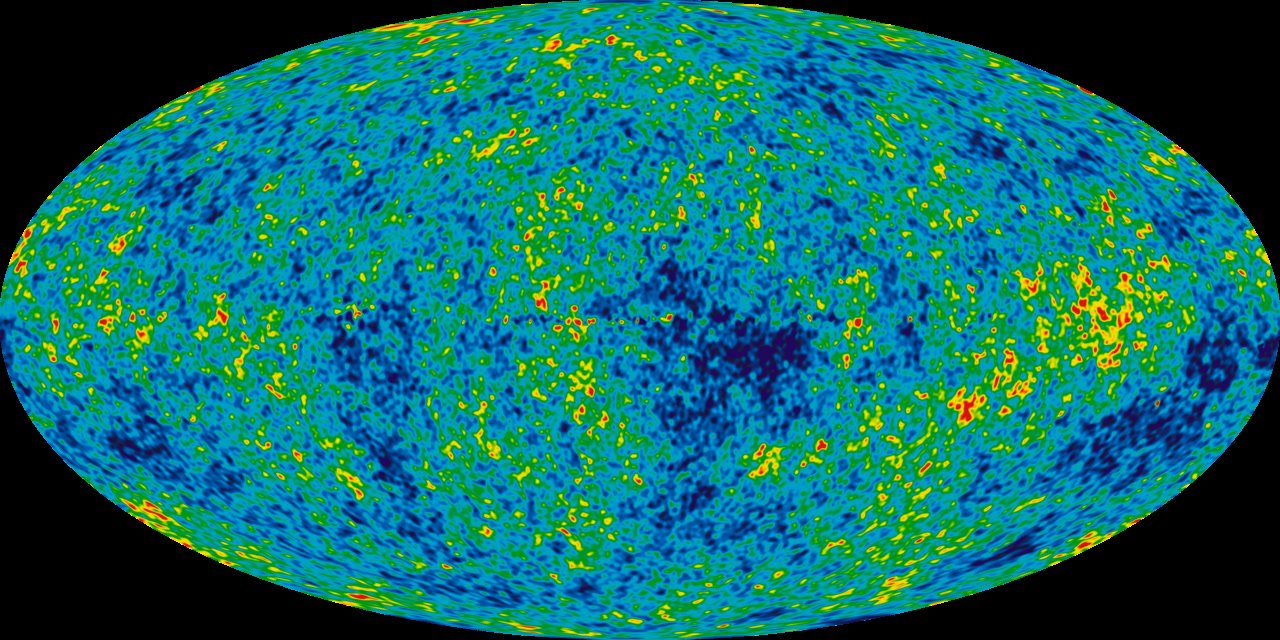
A Type VII civilization on the Kardashev scale is where the distinction between civilization and existence itself becomes indistinguishable. Its control extends beyond all possible universes and multiverses, encompassing the very nature of reality. The transition from Type VI to Type VII is considered impossible or nonsensical, because Type VII does not manipulate reality — it becomes the foundation reality is built on. It is defined by its nature rather than its technology, transcending every conventional notion of physical or metaphysical capability and existing beyond the concept of civilization as we understand it. Discussing progress beyond Type VII becomes meaningless, because such a civilization would be synonymous with the totality of existence.
What Comes Next?
The scale is a ladder of ownership: your planet (I), your star (II), your galaxy (III), your universe (IV), your multiverse (V), every dimension (VI) — until ownership itself stops meaning anything (VII).
For us the only rung in reach is Type I, and its hurdles are concrete: fusion that actually works, space mining on a century-long project, and cooperation between nations. That is also where the great filter talk begins, because every civilization that ever existed would have had to cross the same first rung — and we cannot see anyone on the other side.
Image Credits
- Pillars of creation 2014 HST WFC3-UVIS full-res denoised by NASA, ESA, and the Hubble Heritage Team (STScI/AURA) — Public domain
- BlackMarble20161km by NASA Earth Observatory images by Joshua Stevens, using Suomi NPP VIIRS data from Miguel Román, NASA’s Goddard Space Flight Center — Public domain
- Full disk of the Sun (eso1703e-comparisona) by NASA/SDO, ALMA (ESO/NAOJ/NRAO) — CC BY 4.0
- Milky Way at the Residencia (uhd 9180 panorama eq) by Y. Beletsky (LCO)/ESO — CC BY 4.0
- Hubble ultra deep field by NASA and the European Space Agency. — Public domain
- Cosmic Web and Slime Mold (2020-11-4635) by , , and J. Burchett and O. Elek (UC Santa Cruz) — Public domain
- Calabi-Yau by Lunch — CC BY-SA 2.5
- WMAP 2012 by NASA / WMAP Science Team — Public domain