
Every Natural Disaster Explained

An earthquake can start a tsunami, start a landslide, and start a flood — the disasters chain into each other. Thirteen natural hazards, from 9.5-magnitude ground-shaking to a wall of ocean water crossing the sea at jet speed, each with its own physics and its own worst case on record.
The Paint Explainer walks through thirteen natural disasters: what sets them off, how they are measured, and the deadliest example of each.
1. Earthquakes
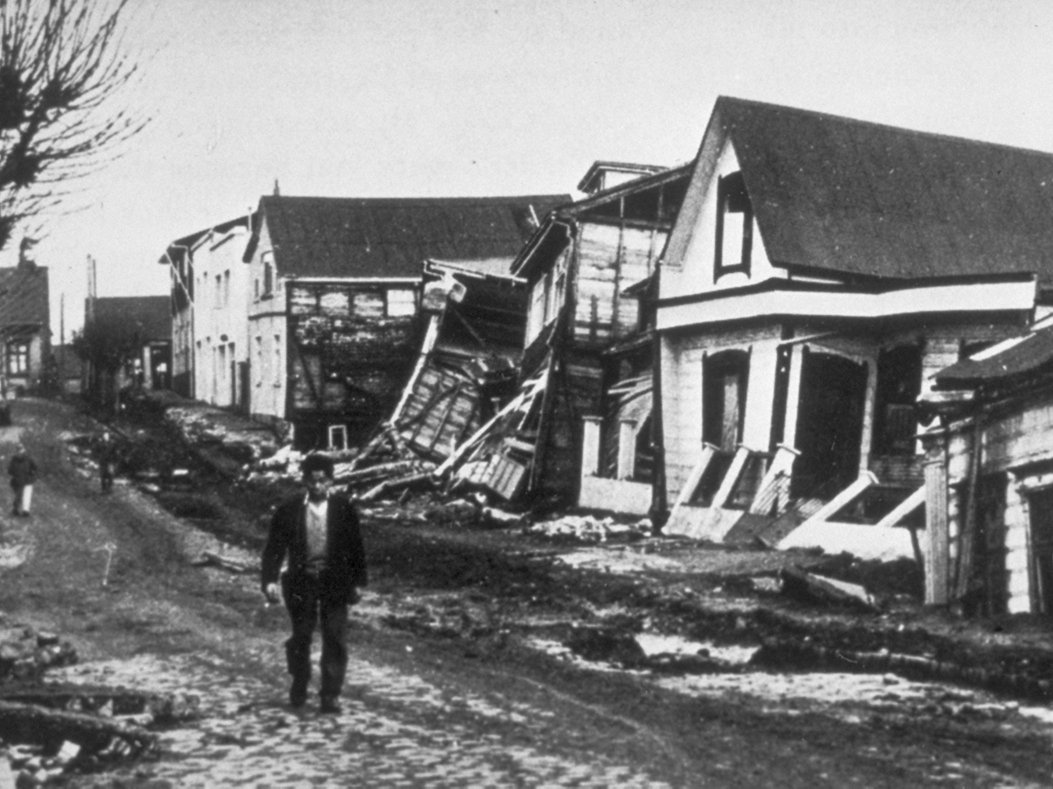
Earthquakes are mainly caused by the movement of tectonic plates — grinding against each other or pulling apart — which is why they cluster at plate edges. About 90% of the world’s earthquakes, including the biggest ones, happen in the Ring of Fire, a tectonic belt that includes Japan, New Zealand and Indonesia. Intensity is measured on seismic magnitude scales: the strongest ever recorded was the Great Chilean earthquake of 1960 at magnitude 9.5, while the deadliest was the 1556 Shaanxi earthquake, which killed more than 830,000 people. An earthquake is the disaster most likely to trigger others — tsunamis, landslides, volcanic eruptions and floods.
2. Volcanic Eruptions
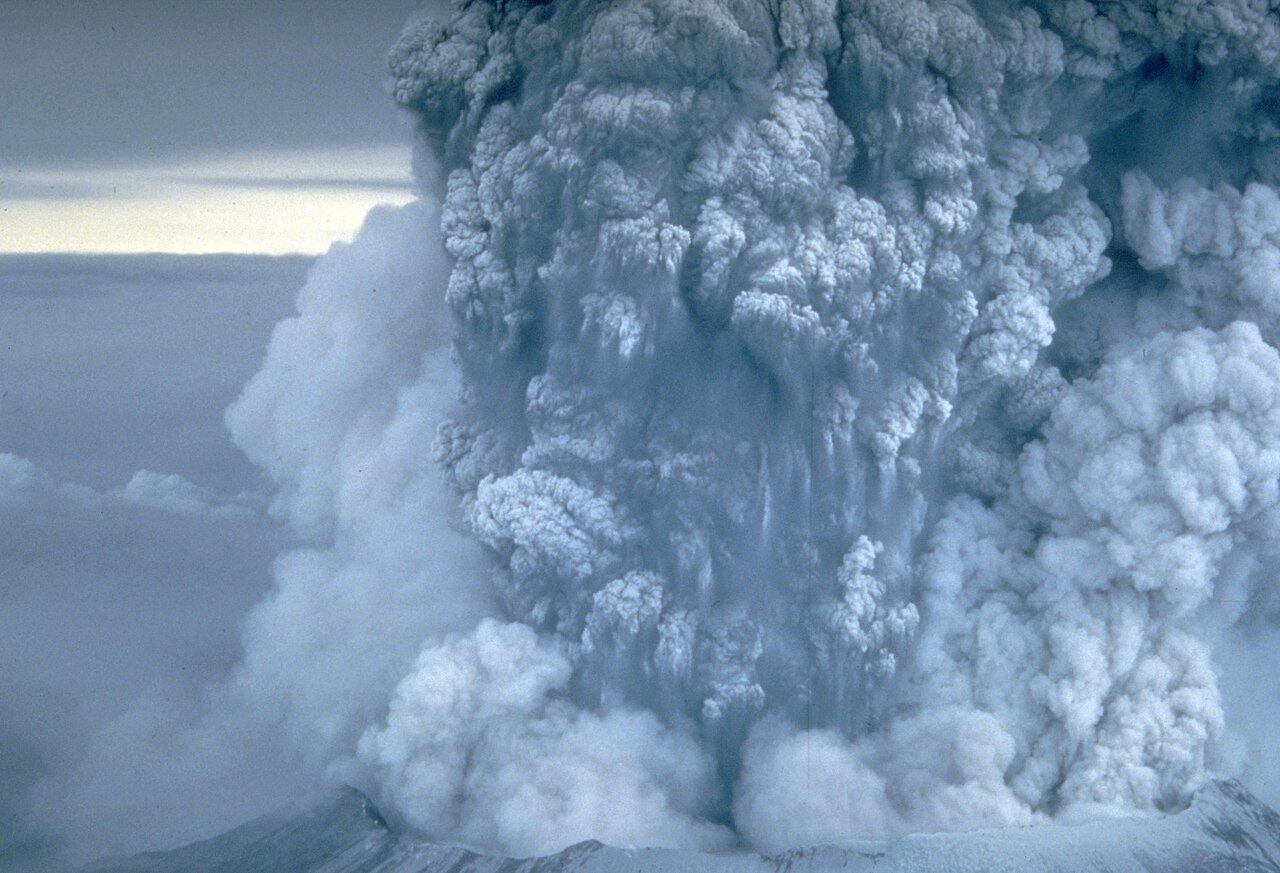
A volcano is a rupture in Earth’s crust that lets lava, volcanic ash and gases escape from a magma chamber below the surface. Most sit on tectonic plate edges, and because most plate boundaries are underwater, most volcanoes are under water too — the Ring of Fire alone holds around two-thirds of the world total. A large eruption would cool the planet, as ash and sulfuric acid droplets obscure the Sun and cause a volcanic winter. The most feared type is the supervolcano: the Yellowstone Caldera is the most famous active one, and only four are known from the last million years. The deadliest eruption was Mount Tambora in 1815, with a death toll between 71,000 and 250,000, followed by the Year Without a Summer in 1816, when livestock died and crops failed.
3. Hail
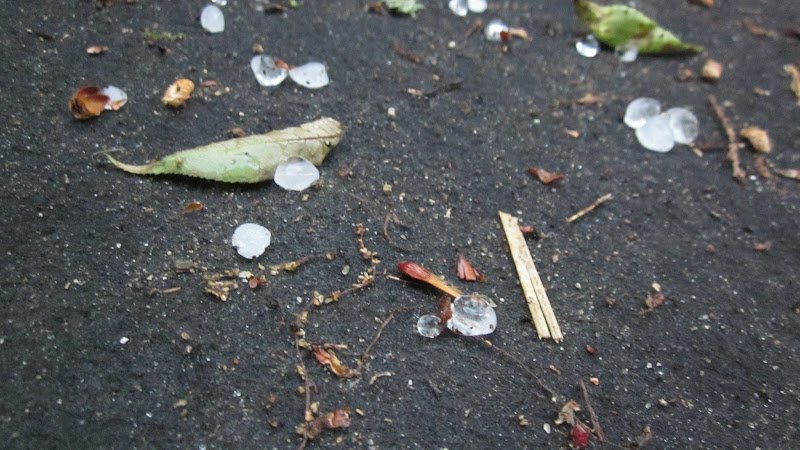
Hail happens when strong winds in a storm lift raindrops high into the freezing air, where they freeze into ice balls. As they are blown around, more ice layers build up on them until they are too heavy and fall as hailstones. They are not the same as ice pellets or graupel: ice pellets fall in cold weather, while hail growth is greatly inhibited at low surface temperatures. Hail is most common during thunderstorms, especially in places like Hail Alley in the US, and when you cut a hailstone in half the layers show how many times it was lifted and dropped inside the storm cloud. The worst hail disasters struck Germany and Australia, at around $2 billion in damages.
4. Landslide

Landslides are powerful and often sudden movements of large amounts of rock, soil and debris down a slope. They can happen anywhere, though they are likelier on steep slopes, in loose soil, or where there has been a lot of rain. Big landslides that hit water can generate tsunamis or even megatsunamis, and the deadliest one in history followed an earthquake in China that initiated 675 major landslides, killing 200,000 people.
5. Hurricane
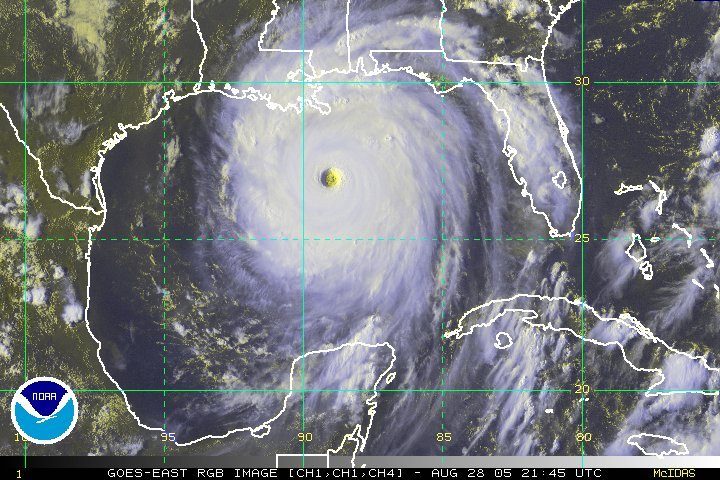
A hurricane is a rapidly rotating storm system turning around a low-pressure center, bringing stormy weather across a large area. They are not tornadoes, though both are cyclones: to count as hurricanes they must reach maximum sustained winds of 75 mph or more. They form over warm ocean waters, usually where sea surface temperatures are at least 80°F. One of the deadliest in US history was Hurricane Katrina, which struck the Gulf Coast and New Orleans in 2005, causing over 1,800 deaths and $125 billion in damage.
6. Cold Wave
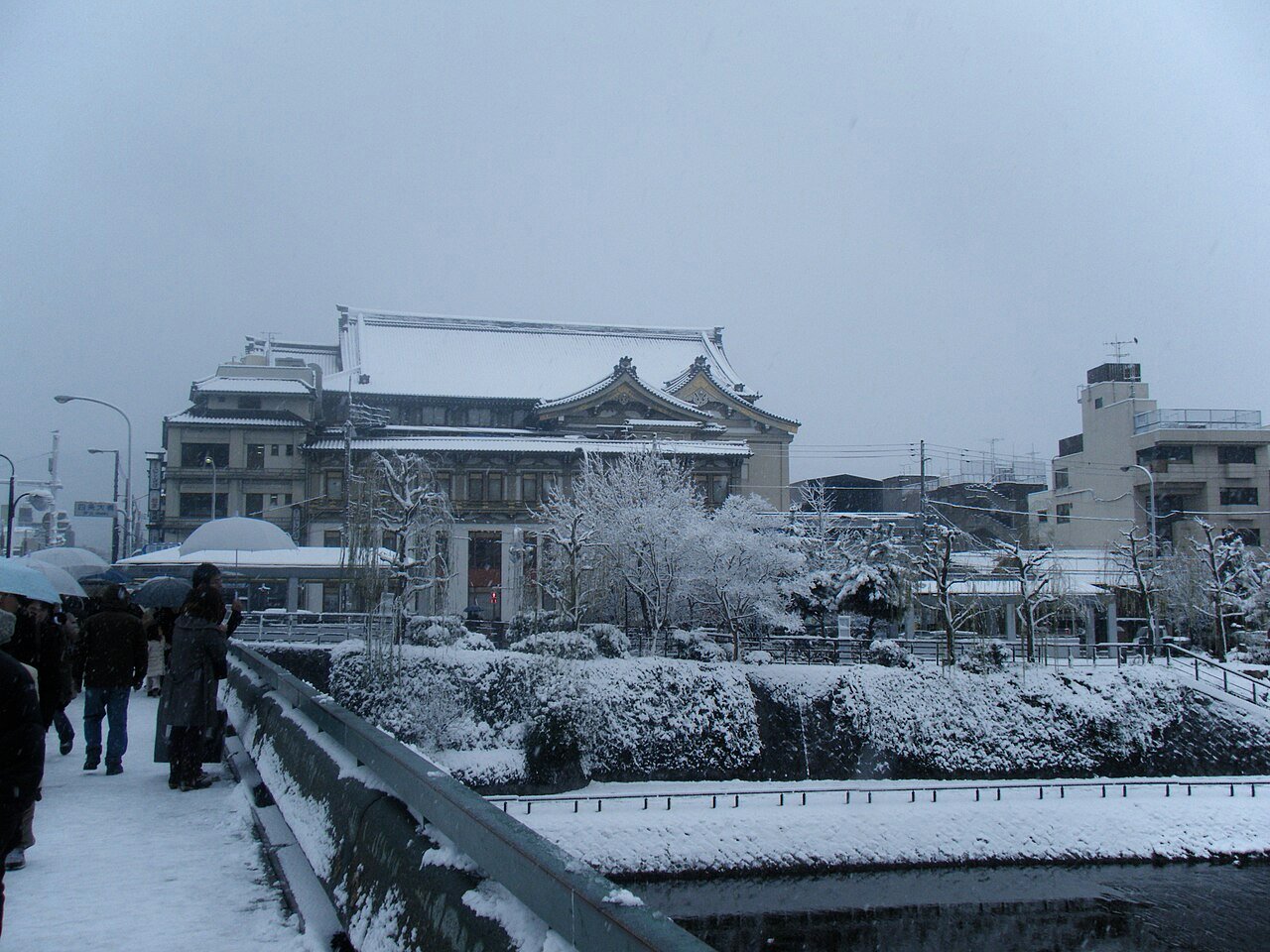
A cold wave is a rapid fall in temperature within a 24-hour period that requires increased protection for agriculture, industry, commerce and people. It endangers people through frostbite and hypothermia, and livestock and crops too: with heavy, persistent snow, grazing animals may be unable to reach food and die of hypothermia or starvation. Poorly insulated water pipelines and mains freeze just as demand for fuel and energy rises, and electrical generation can fail because the water needed for hydroelectricity is frozen. Counterintuitively, fires become an even greater hazard in extreme cold: broken mains make water supplies unreliable, and the denser, colder air a fire draws in contains more oxygen, making the flames more intense. Snow is one of the few things that can help.
7. Avalanche

There are two main types of avalanches: slab avalanches, made of tightly packed snow and triggered when an underlying weak layer collapses, and loose-snow avalanches, set off from loose snow. Once started, avalanches accelerate rapidly and grow as they capture more snow in what is called the snowball effect. Natural causes and human activities like skiing and snowmobiles can trigger them — but, contrary to popular belief, loud sounds cannot. The worst avalanche ever happened in 1970 in Peru, when an earthquake set off an avalanche that destroyed the city of Yungay and ten nearby villages, causing 30,000 deaths.
8. Heat Wave
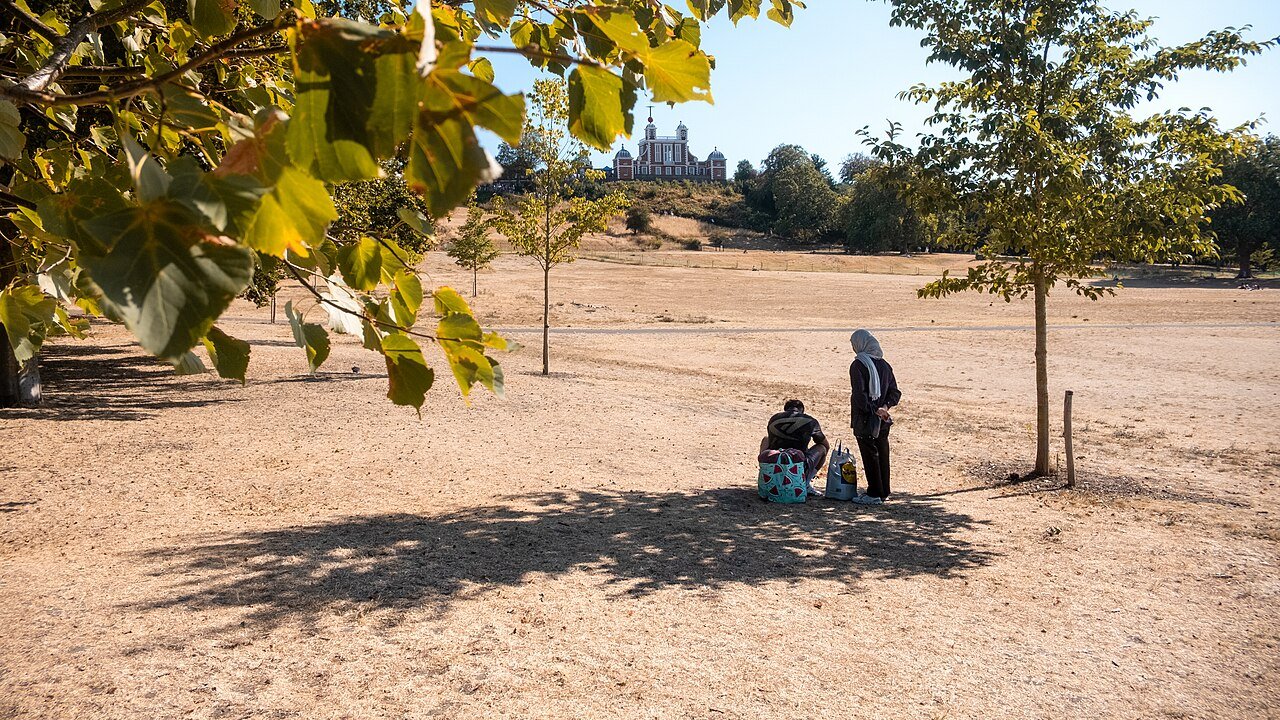
A heat wave is a prolonged period of excessively hot weather, usually lasting days or weeks and accompanied by high humidity. They form when a high-pressure area in the atmosphere stays over an area for a long time, trapping heat near Earth’s surface. The impacts hit the economy and agriculture through crop failures, people can die from hyperthermia, the risk of wildfires rises in drought areas, and widespread electricity outages can follow as air conditioning use climbs. One of the deadliest in recent history was the 2003 European heat wave, which caused an estimated 70,000 deaths.
9. Tornado
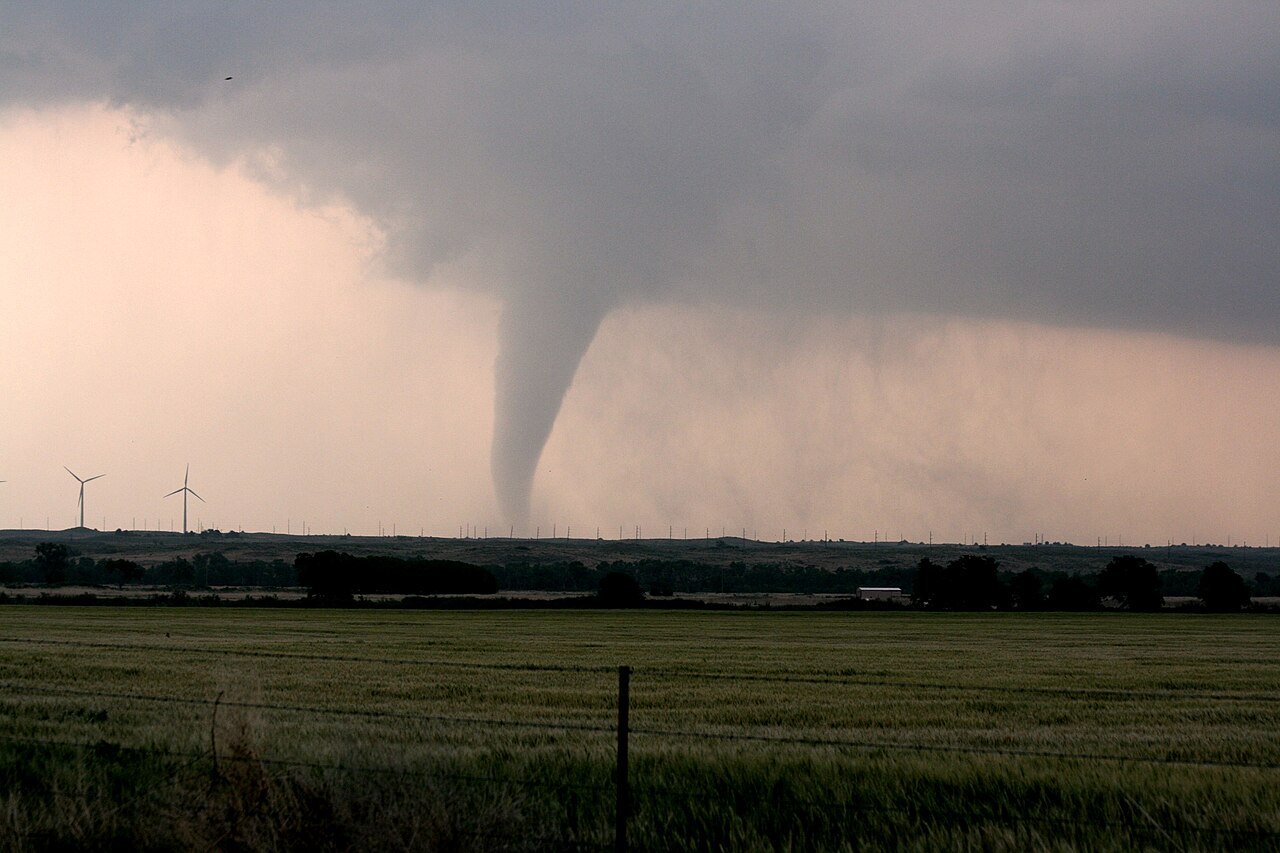
There are different kinds of tornadoes, such as the multiple-vortex tornado, whose vortexes rotate about their own axes while revolving around a common center. Most tornadoes have winds under 110 mph, are about 250 ft across and travel a few miles before dissipating; the most extreme exceed 300 mph, span more than two miles and stay on the ground for over 62 miles. The best-known rating system is the Enhanced Fujita scale, where an EF0 only damages trees while an EF5 rips buildings off their foundations and can deform large skyscrapers. Tornadoes often develop from supercells, beginning when increasing rainfall drags down a rear flank downdraft that accelerates toward the ground. The country with the most tornadoes is the United States, averaging 1,200 a year, especially in Tornado Alley; the deadliest was the 1925 Tri-State Tornado through Missouri, Illinois and Indiana, killing at least 751 people over 219 miles.
10. Flooding
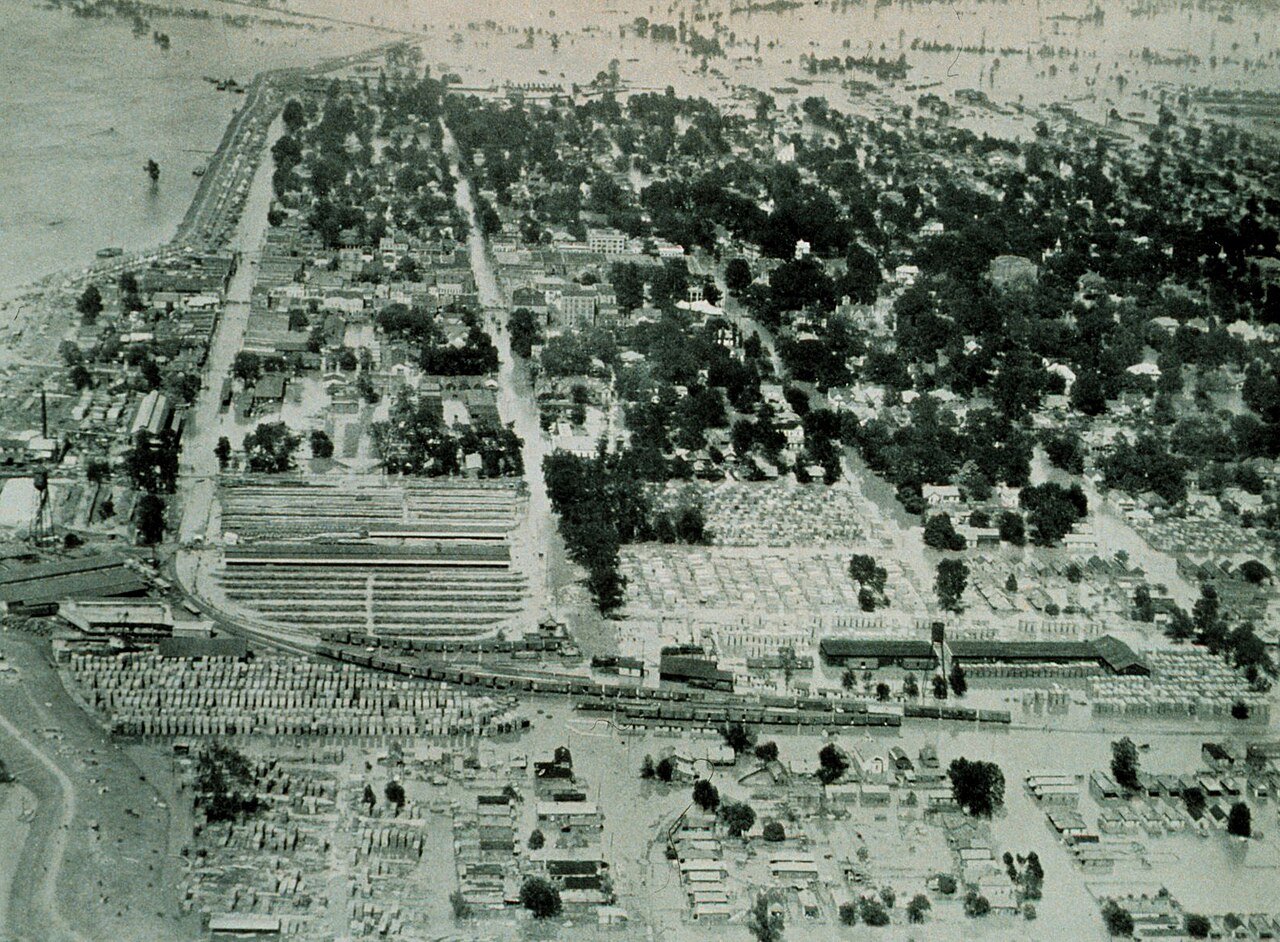
Human changes — deforestation, the removal of wetlands, changes in the waterway course, flood controls — can end up causing more flood if they are not planned properly, and climate change plays a huge role as sea levels rise and coastal cities like Venice disappear. Rivers drew civilizations with fertile land and easy travel and commerce, but the other side of the coin is flood danger, plus the spread of waterborne diseases such as cholera, hepatitis A and hepatitis E, both from direct contact and from contaminated drinking water. Respiratory diseases also rise as chronically wet houses grow indoor mold. The worst floods were the 1931 China floods, causing between 2 and 4 million deaths, mostly through long-term effects like lack of food, with a cholera epidemic the next year killing around another 32,000.
11. Wildfire
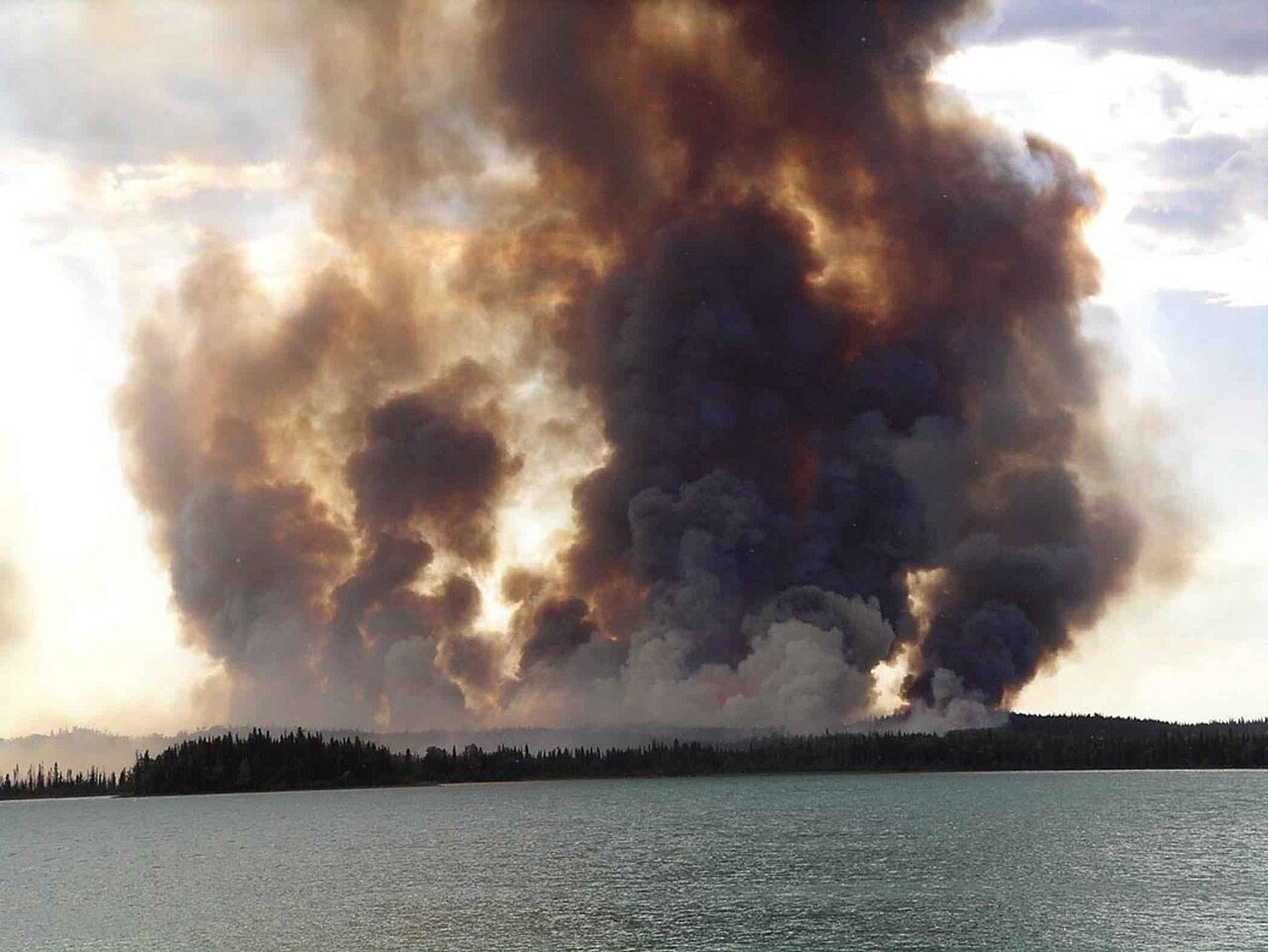
Some natural forest ecosystems actually depend on wildfires, which clean out dead trees and bushes and allow new growth; prescribed burns help keep the situation under control. Wildfires usually start in regions with climatic cycles of wet periods that create fuel followed by drought and heat, which is why they are most common in California, Siberia, British Columbia and Australia. There are four spreading types: ground fires fed by underground roots and buried organic matter, crawling fires fed by low vegetation like leaf and timber litter and grass, ladder fires consuming material between the low vegetation and the tree canopies, and crown fires burning the canopy itself. Wildfires can form pyrocumulus clouds over their heat sources, which might even help extinguish the fire that formed them. The deadliest was the Peshtigo fire of 1871, which burned 1.2 million acres and killed between 1,500 and 2,500 people.
12. Tsunami

While normal waves are caused by wind or tides, a tsunami is generated by the displacement of water from a large event like an earthquake, landslide or volcanic eruption. In the deep ocean they have a wavelength of up to 120 miles and can travel well over 500 mph, about as fast as a commercial jet. In shallow water they slow down and their height increases, and a strange effect called a drawback can pull the ocean back from the shore and expose the seafloor — dangerous for people who stay to watch or collect fish. Japan’s ancient tsunami stones were placed to mark the highest points tsunamis have reached, warning future generations not to build below them. The 2004 Indian Ocean tsunami was among the deadliest disasters in human history, with at least 230,000 people killed or missing in 14 countries.
13. Drought
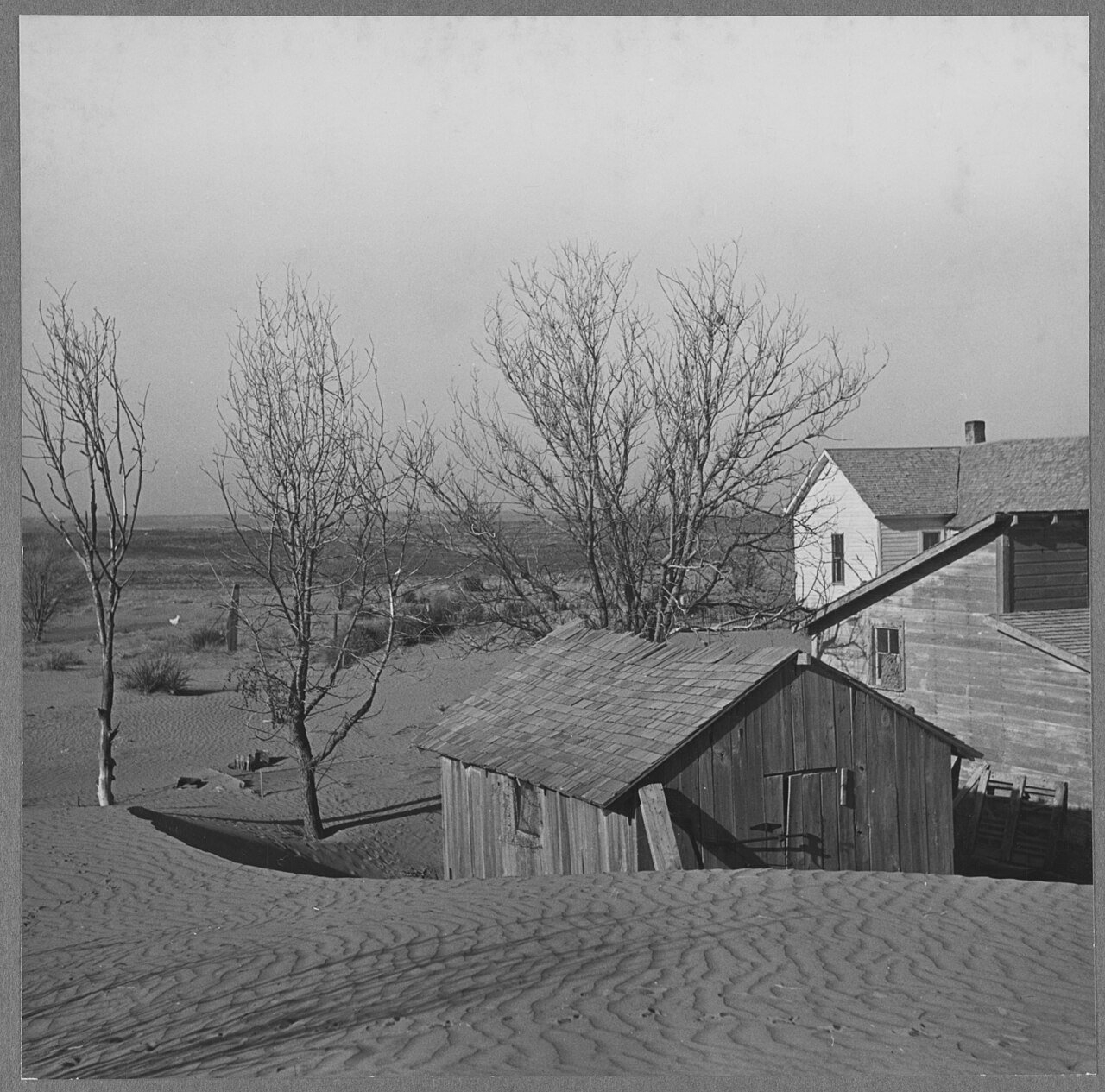
A drought is a period of drier than normal conditions that can last for days, months or years. They are likelier in the tropics because of annual dry seasons, and when they happen they raise the likelihood of wildfires, while heat waves can significantly worsen them. The problems range from a lack of water supplies for drinking and irrigation to mass migrations caused by famines. One of the most severe in US history was the Dust Bowl of 1930, which affected the Great Plains, caused massive dust storms and displaced thousands of families.
What Comes Next?
The thirteen sort into families: geophysical (earthquakes, volcanic eruptions, landslides, avalanches, tsunamis), atmospheric (hail, hurricanes, cold waves, heat waves, tornadoes), and water-and-fire (flooding, wildfire, drought).
They also chain: an earthquake can throw up a tsunami, shake loose a landslide, and cut into a volcano’s flank, which is why the first section warns that earthquakes are the disaster most likely to trigger the others. The physics changes with each chapter, but the pattern — energy building up slowly and releasing all at once — repeats all the way down the list.
Image Credits
- Aerial-SanAndreas-CarrizoPlain by John Wiley User:Jw4nvc – Santa Barbara, California — CC BY 3.0
- Valdivia after earthquake, 1960 (cropped) by Pierre St. Amand — Public domain
- MSH80 eruption mount st helens plume 05-18-80 by Donald A. Swanson — Public domain
- Hail on the Ground by Gunthercx — CC BY-SA 3.0
- File:Frank Alberta 1903 A15276 by Unknown authorUnknown author — Public domain
- File:Katrina 2005-08-28 2145Z by — Public domain
- Snow-covered town of Kyoto – panoramio by Xingpichi — CC BY-SA 3.0
- Avalanche on Everest by Chagai at English Wikipedia — Public domain
- Finding refuge from the scorching summer sun (55497189804) by Alisdare Hickson — CC BY-SA 4.0
- Tornado over the Kansas plains (Nssl0232 – Flickr – NOAA Photo Library) by Sean Waugh NOAA/NSSL. — Public domain
- 1927 Mississippi Flood Greenville Mississippi by Archival Photography by Steve Nicklas, NOS, NGS — Public domain
- Flames of fire in forest by Murphy Karen, U.S. Fish and Wildlife Service — Public domain
- Aceh 2004 tsunami standing mosque USGS by USGS — Public domain
- Dust Bowl winds pile up against barn in Kansas by Arthur Rothstein — Public domain