
Every Psychological Effect Explained
You avoid the option with missing information, you prefer the letters in your own name, you walk slower after a big reward shrinks, and you feel uneasy at the face that is almost human. Sixty-nine psychological effects, each one a rule the mind applies without asking.
The Paint Explainer works through the list in order, from the ambiguity effect that opens the video to the Streisand effect that closes it: one definition, one demonstration, one at a time.
1. Ambiguity Effect

The tendency to avoid options that we consider to be ambiguous or missing information. A gap in the description reads as a reason to decline — when one choice arrives incomplete and another arrives complete, the complete one is taken.
2. Assembly Bonus Effect
An outcome produced as a group that is superior to what could have been achieved by every individual effort of the members alone. The gain is caused by the way the members fit together — the surplus belongs to the arrangement rather than to any single person in it.
3. Social Facilitation

People do better on tasks when they are with other people than when they are doing the task alone. Presence changes the performance — the same work arrives differently once there is someone else in the room.
4. Barnum Effect
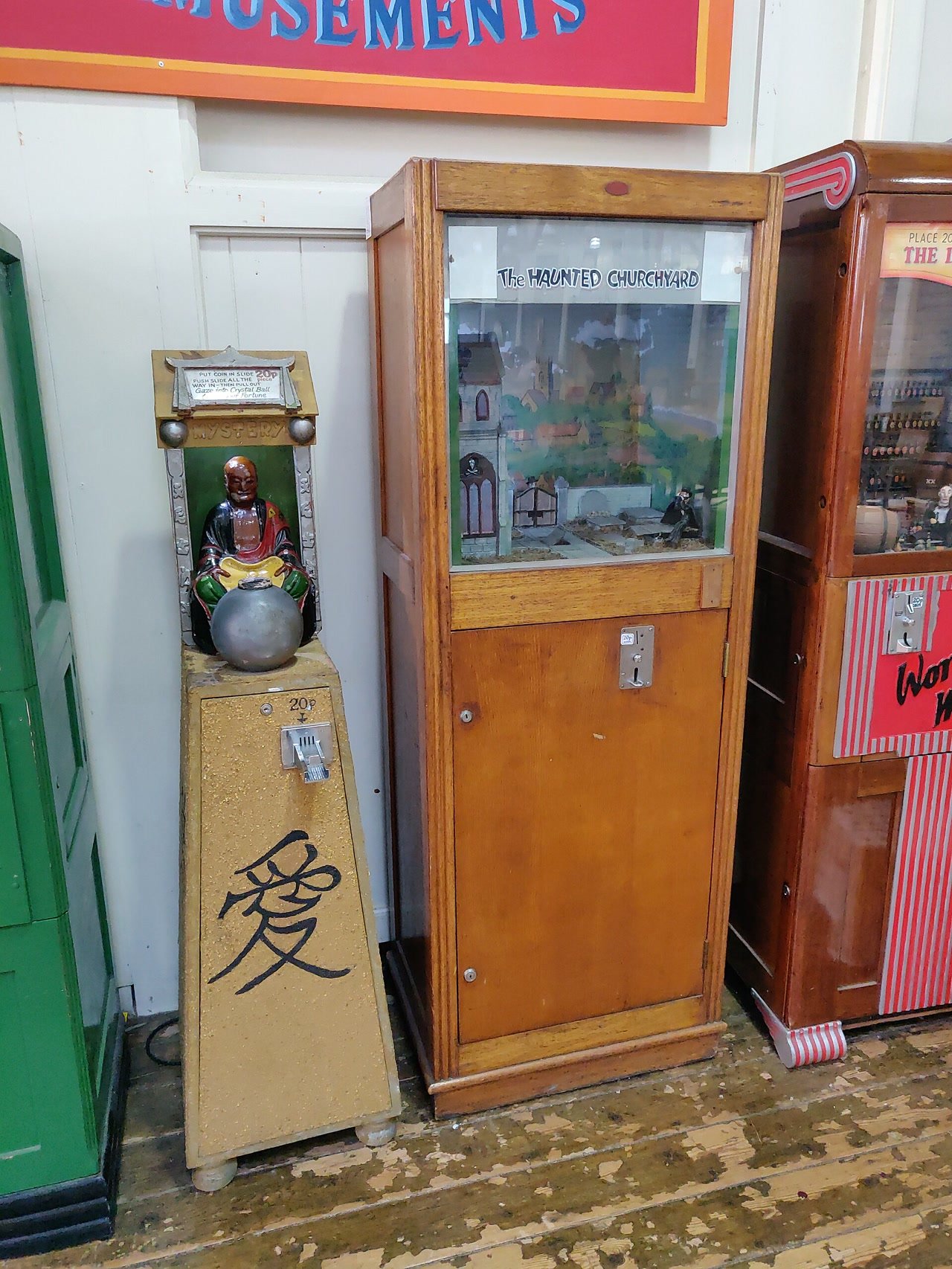
A common psychological phenomenon in which individuals give high accuracy ratings to descriptions of their personalities that are supposedly tailored specifically to them, but are in fact vague and general enough to apply to a wide range of people. Vagueness is read as precision, and it could be part of the reason people accept paranormal beliefs such as astrology and fortune-telling.
5. Birthday Number Effect

The subconscious tendency of people to prefer the numbers on the date of their birthday over other numbers. It is said that the effect is most prominent for numbers over 12 — the range most people never touch when they pick a number in their head.
6. Name Letter Effect

Similar to the birthday number effect, it is the tendency of people to prefer the letters in their name over other letters. The same preference, pointed at the alphabet instead of the calendar.
7. Boomerang Effect

The unintended consequences of an attempt to persuade, resulting in the adoption of an opposing position instead. The more aggressively something is presented, the more likely it is that people will want to do the opposite — the argument travels out and comes back reversed.
8. Bouba-Kiki Effect

A mental association between certain speech sounds and certain visual shapes. Narrowly, it is the tendency for people presented with the nonsense words bouba and kiki to associate bouba with a rounded shape and kiki with a spiky shape — the sound arrives with an outline already attached.
9. Diffusion of Responsibility
The decreased responsibility for action that each member of a group feels when they are part of a group. The responsibility spreads as the group grows — nobody holds all of it, so each person holds a smaller share.
10. Bystander Effect

Individuals are less likely to offer help to a victim in the presence of other people, for many reasons such as diffusion of responsibility and ambiguity about who should start to offer help and who is more qualified for it. The crowd does not divide the rescue, it postpones it.
11. Cheerleader Effect
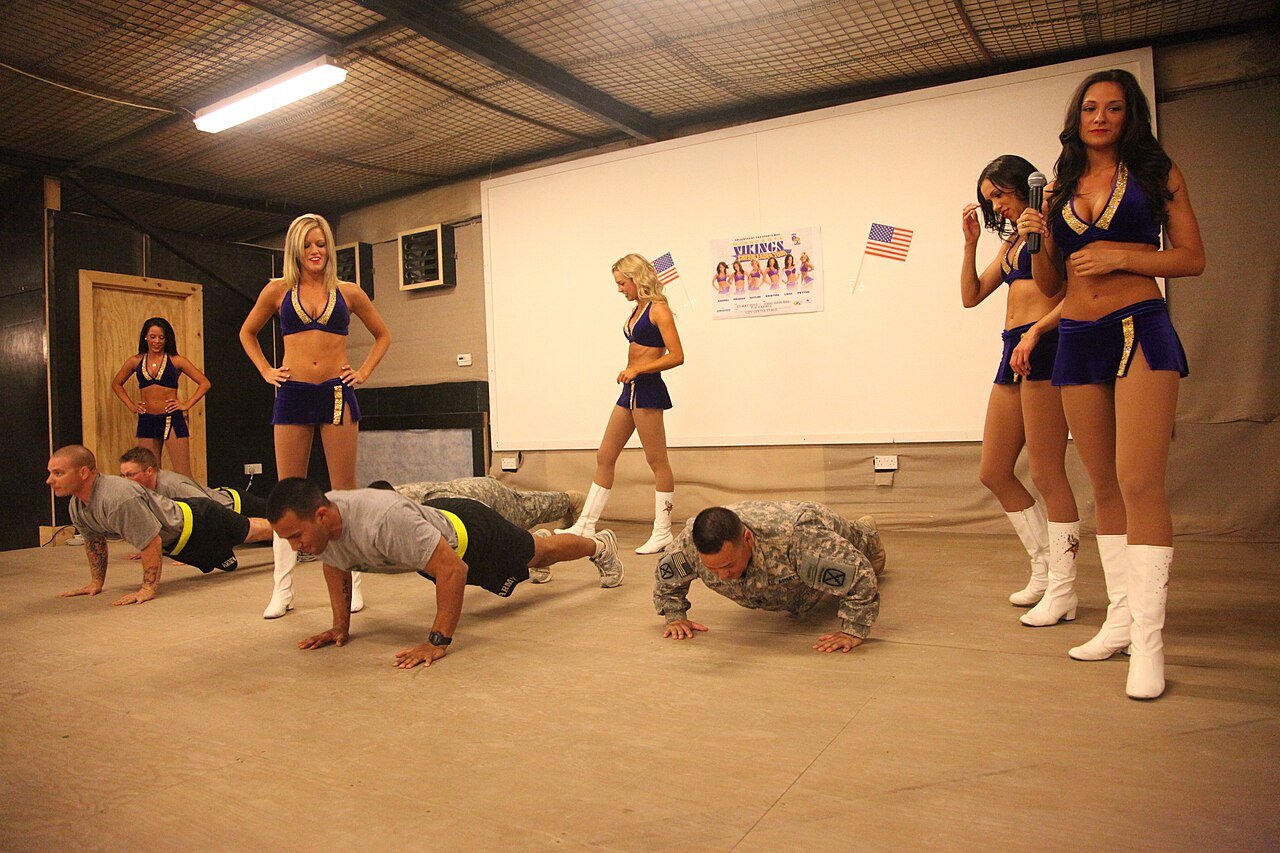
Also known as the group attractiveness effect, it is a bias that causes people to perceive individuals as a little bit more attractive in a group than when seen alone. The rating is taken in the group — the same face is scored differently depending on who is standing beside it.
12. Cocktail Party Effect

The phenomenon wherein the brain focuses a person’s attention on a particular stimulus, usually auditory, while excluding a range of other stimuli from conscious awareness. One channel stays open and the rest of the room is dropped.
13. Contrast Effect
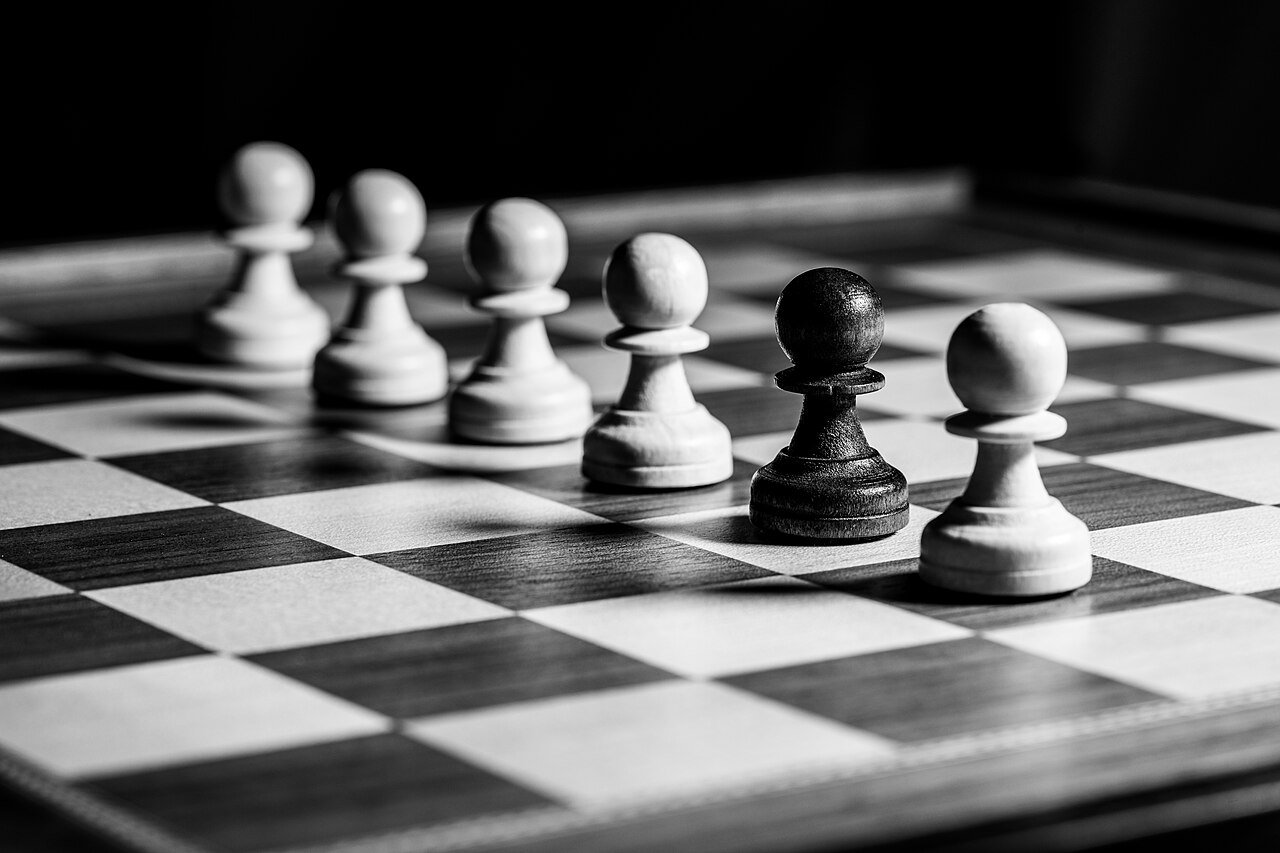
The enhancement or diminishment, relative to normal, of perception or cognition when presented with an immediately previous simultaneous exposure to a stimulus of lesser or greater value. Nothing is judged alone — the same thing reads brighter or duller depending on what stood next to it.
14. Crespi Effect
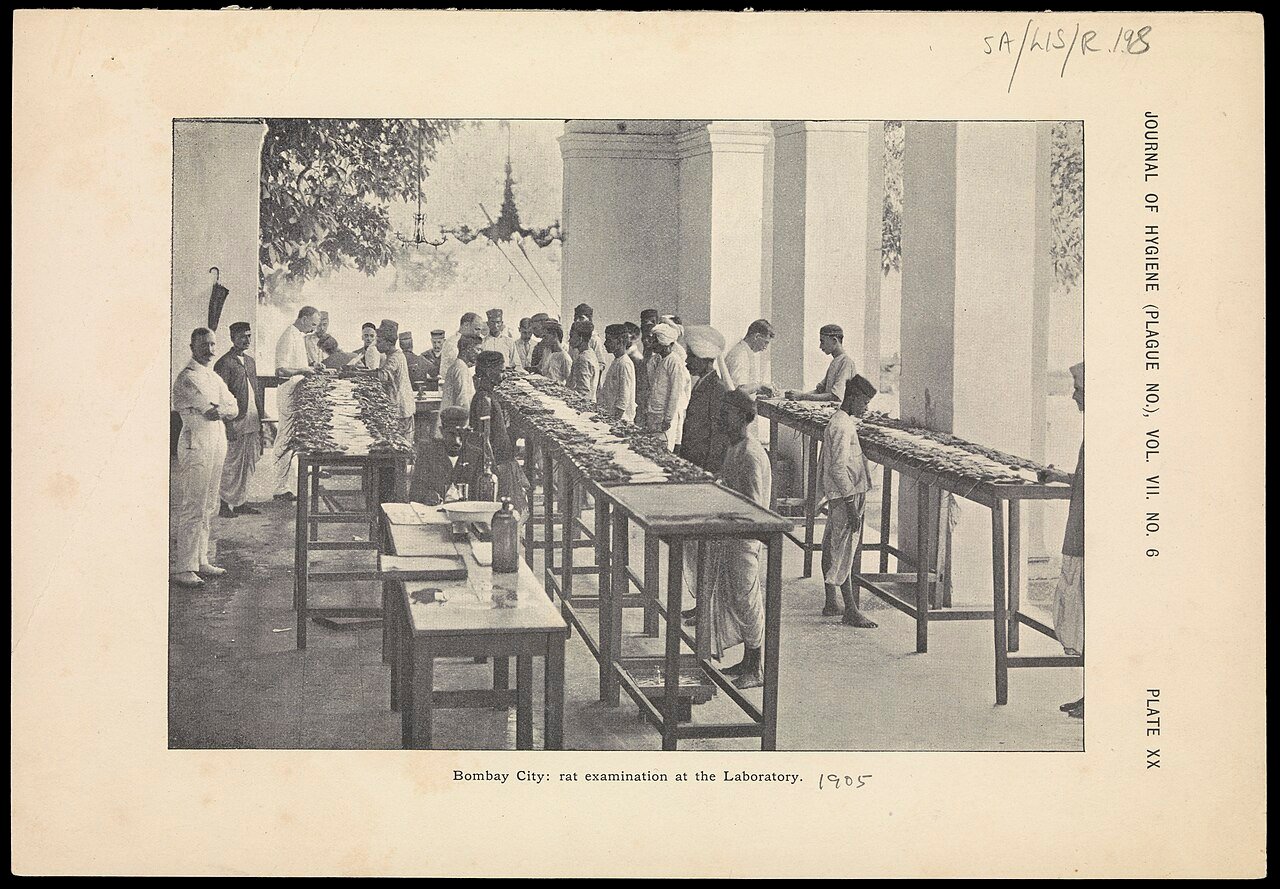
Imagine a rat in a maze that has to find food. If a rat is given a big reward first and a small reward afterwards, it will run slower than a rat that has been given a small reward from the start — the drop after the peak costs more than the peak gained.
15. Curse of Knowledge
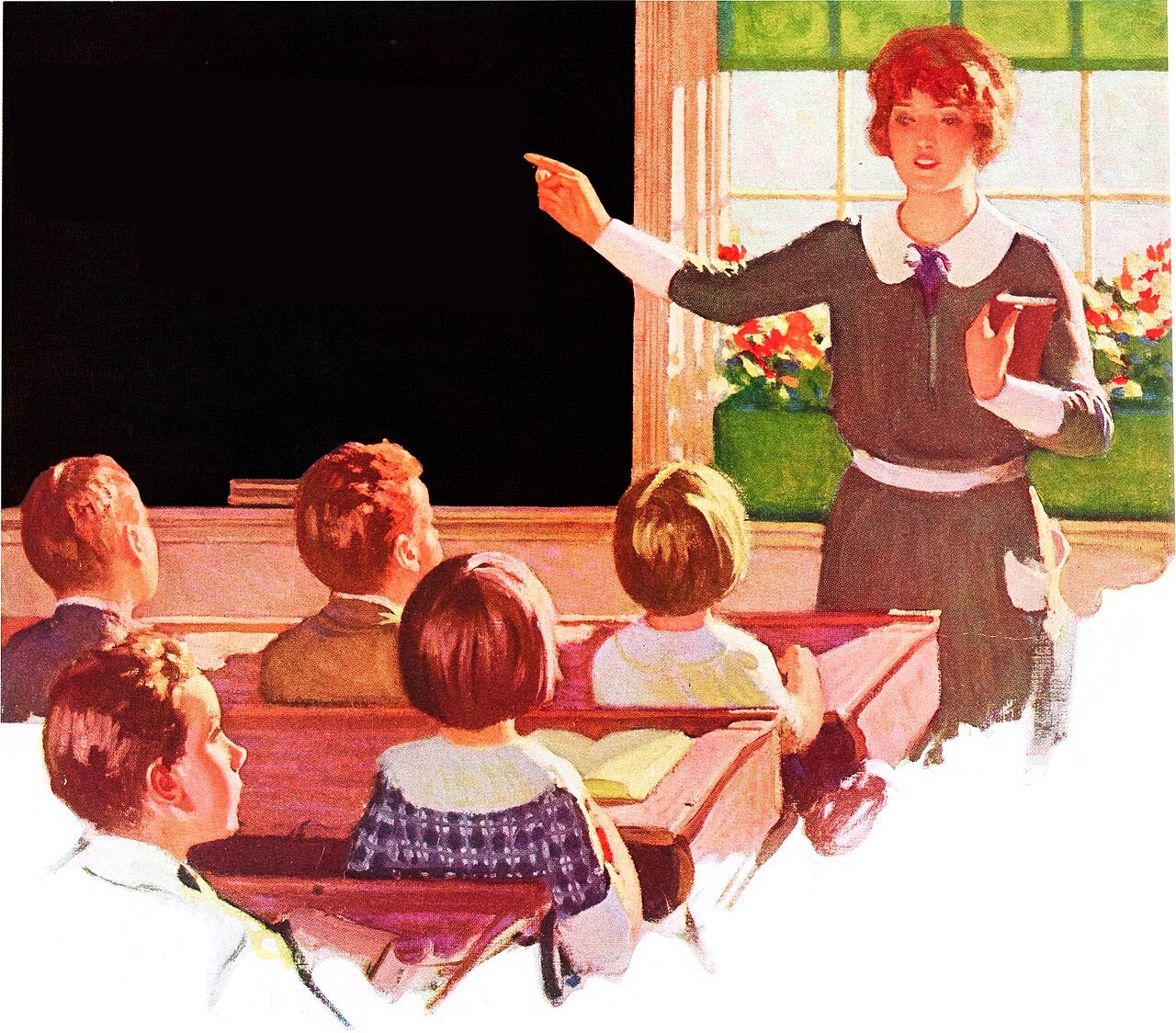
A bias that happens when someone who is knowledgeable about something unknowingly thinks that others also have the same knowledge or point of view as them, causing misunderstandings. Knowing it makes it hard to remember not knowing it — the explanation starts at the step that was already taken.
16. Diderot Effect

A phenomenon that occurs when acquiring a new possession leads to a spiral of consumption that results in the acquisition of even more possessions in a chain reaction. One purchase recruits the ones after it — the new thing arrives and everything around it stops matching.
17. Einstellung

Your old habits can blind you to new, better and simpler solutions. The familiar method blocks the shorter one — the practice that made you fast is the same practice that stops you looking.
18. Endowment Effect
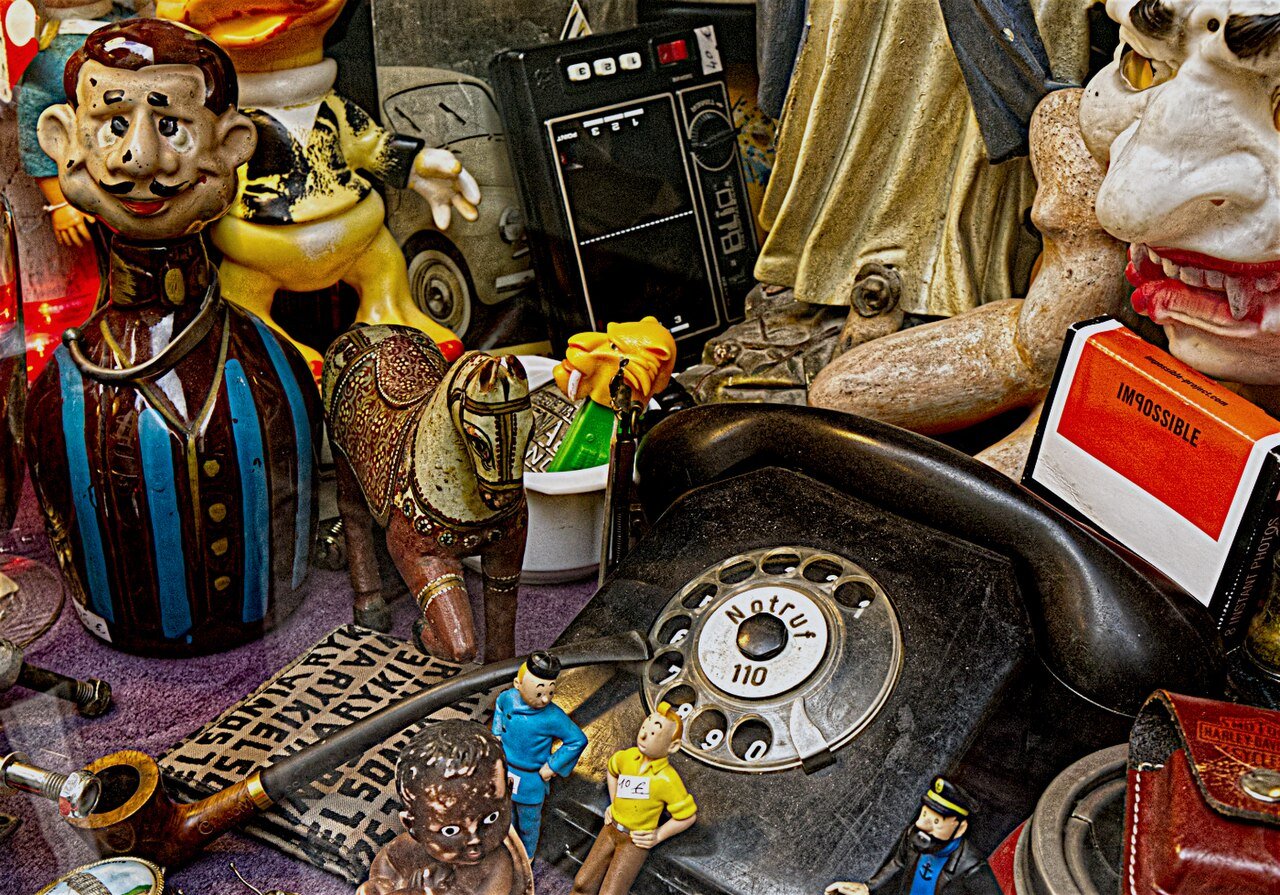
People tend to value items that they own more highly than they would if they did not belong to them. Ownership is added to the price — the object is worth more the moment it is yours.
19. Cryptomnesia
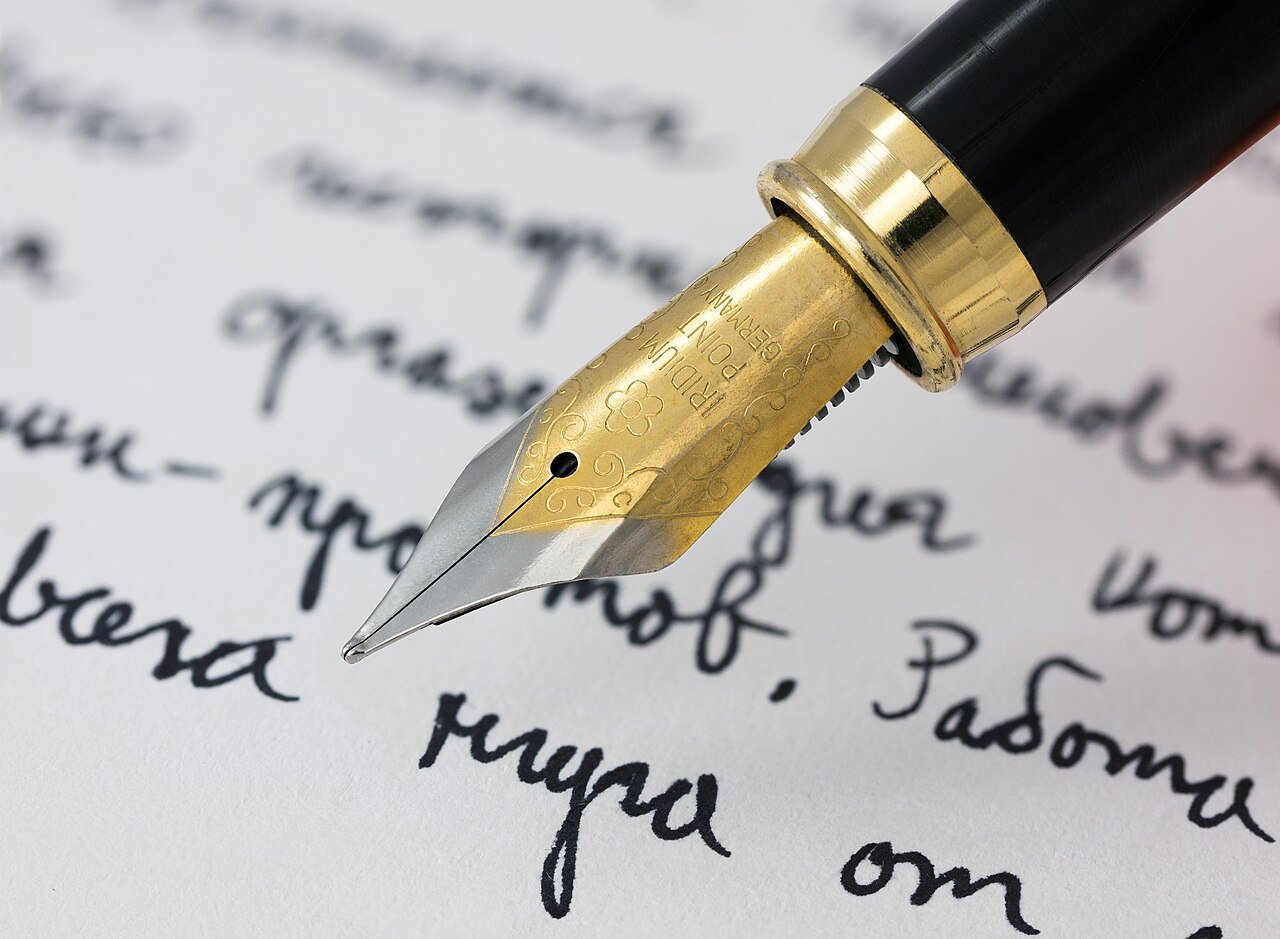
It occurs when a forgotten memory returns without being recognised as such by the subject, who believes it is something new and original. It can cause unintentional plagiarism — the source is genuinely forgotten, so the memory is honestly taken for an idea.
20. DRM Paradigm
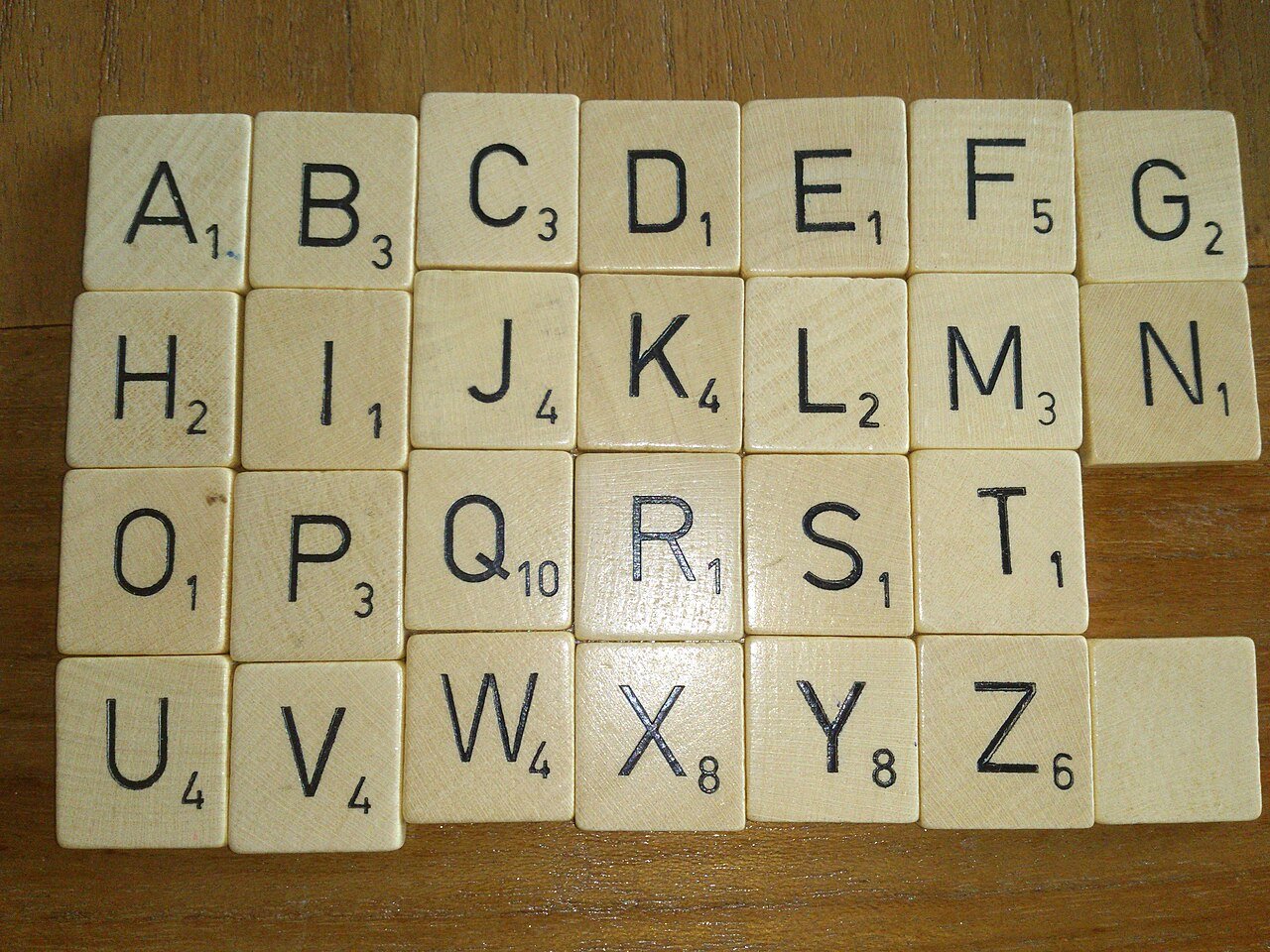
The DRM paradigm happens when a list of related words is presented to someone and, when they are asked to recall them, they falsely remember other related words that were not there — the theme supplies its own extra member.
21. Florence Nightingale Effect
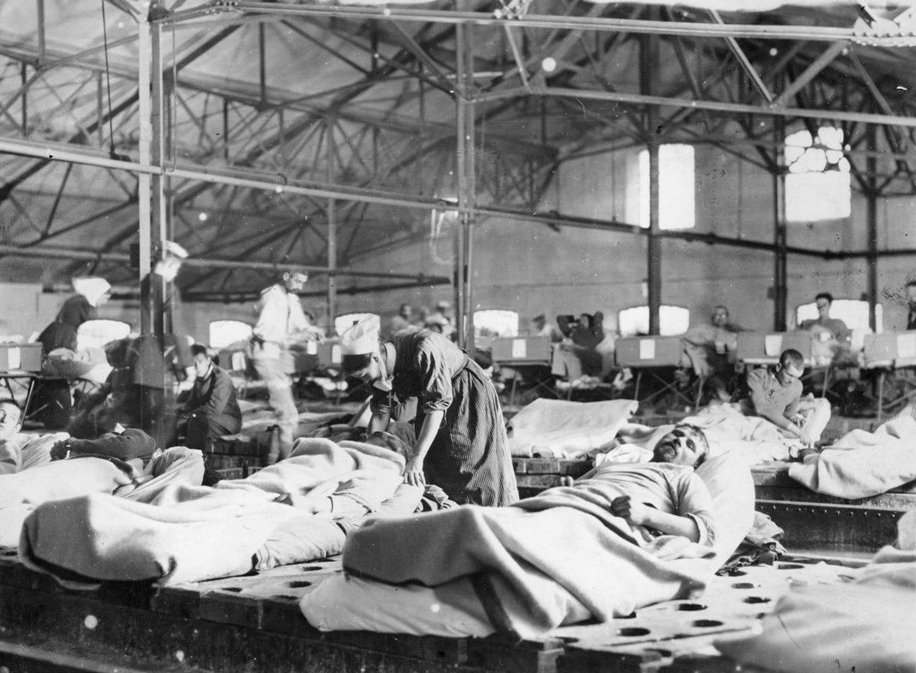
A trope where a caregiver falls in love with their patient, even if very little communication or contact takes place outside of basic care. The attachment runs on the care alone — nothing else has to be exchanged for it.
22. Flynn Effect

The consistent upward drift in IQ test scores across generations, which has been documented to be approximately three points per decade. Three points every ten years, sustained across generations — there are many hypotheses about why, and the most accepted one says it is a consequence of several interrelated factors.
23. Generation Effect
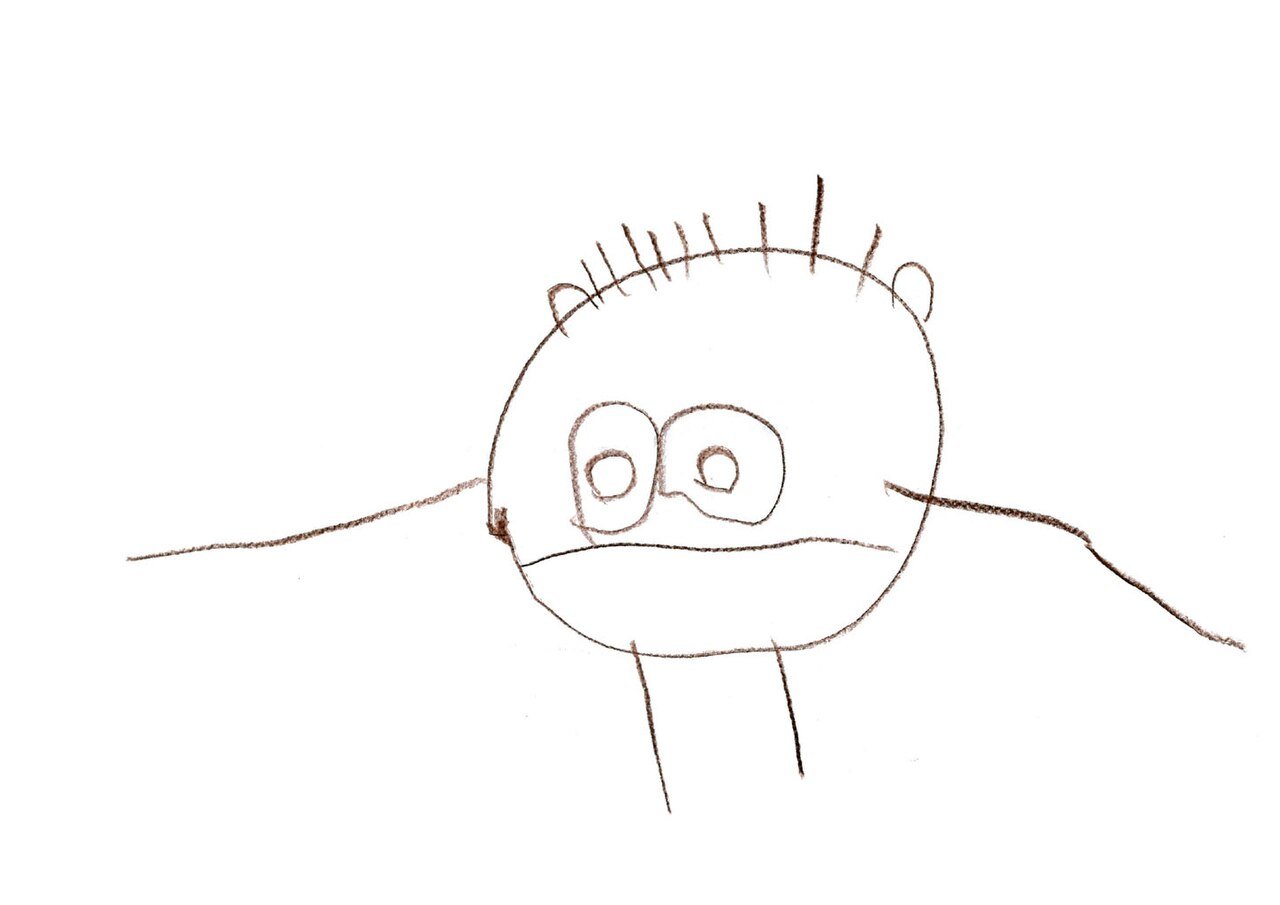
A phenomenon where information is better remembered if it is generated from one’s own mind rather than simply read. The answer you produce yourself sticks — making the word does more for memory than receiving it.
24. Self-Fulfilling Prophecy
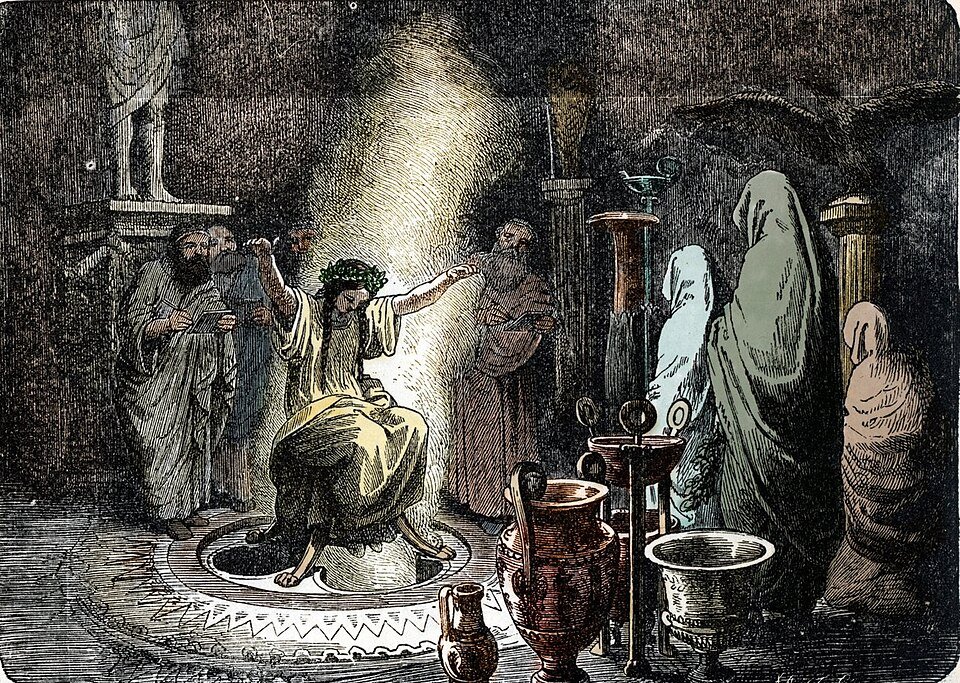
A prediction that comes true at least in part as a result of a person’s belief that said prediction would come true. The belief does part of the work — it changes what the believer does next, and the new behaviour delivers the forecast.
25. Golem Effect

A phenomenon in which lower expectations placed upon individuals, either by supervisors or by the individuals themselves, lead to poorer performance. It is a form of self-fulfilling prophecy pointing downward — low expectations travel as treatment, and the treatment arrives as the result.
26. Digital Amnesia

The tendency to forget information that can be found readily online. Retrieval is outsourced — whatever can be looked up stops being stored.
27. Hawthorne Effect

It happens when people consciously or unconsciously behave differently because they know they are being observed. Being watched becomes a variable — the act of measuring changes what is measured.
28. Hedonic Treadmill

Also known as hedonic adaptation, it is the tendency of humans to quickly return to a relatively stable level of happiness despite major positive or negative events or life changes. The baseline resets — good fortune and disaster both wear off, and they wear off to roughly where you started.
29. Hostile Media Effect

The tendency for individuals with a strong pre-existing attitude on an issue to perceive media coverage as biased against their side. Both sides read the same coverage as the other side’s — the bias is placed in the reader.
30. Hot-Cold Empathy Gap

A bias in which people underestimate the influence of mental states on their own attitudes, preferences and behaviours. The calm self cannot model the shaken one — decisions are made for a person who is not currently in the room.
31. Hypersonic Effect
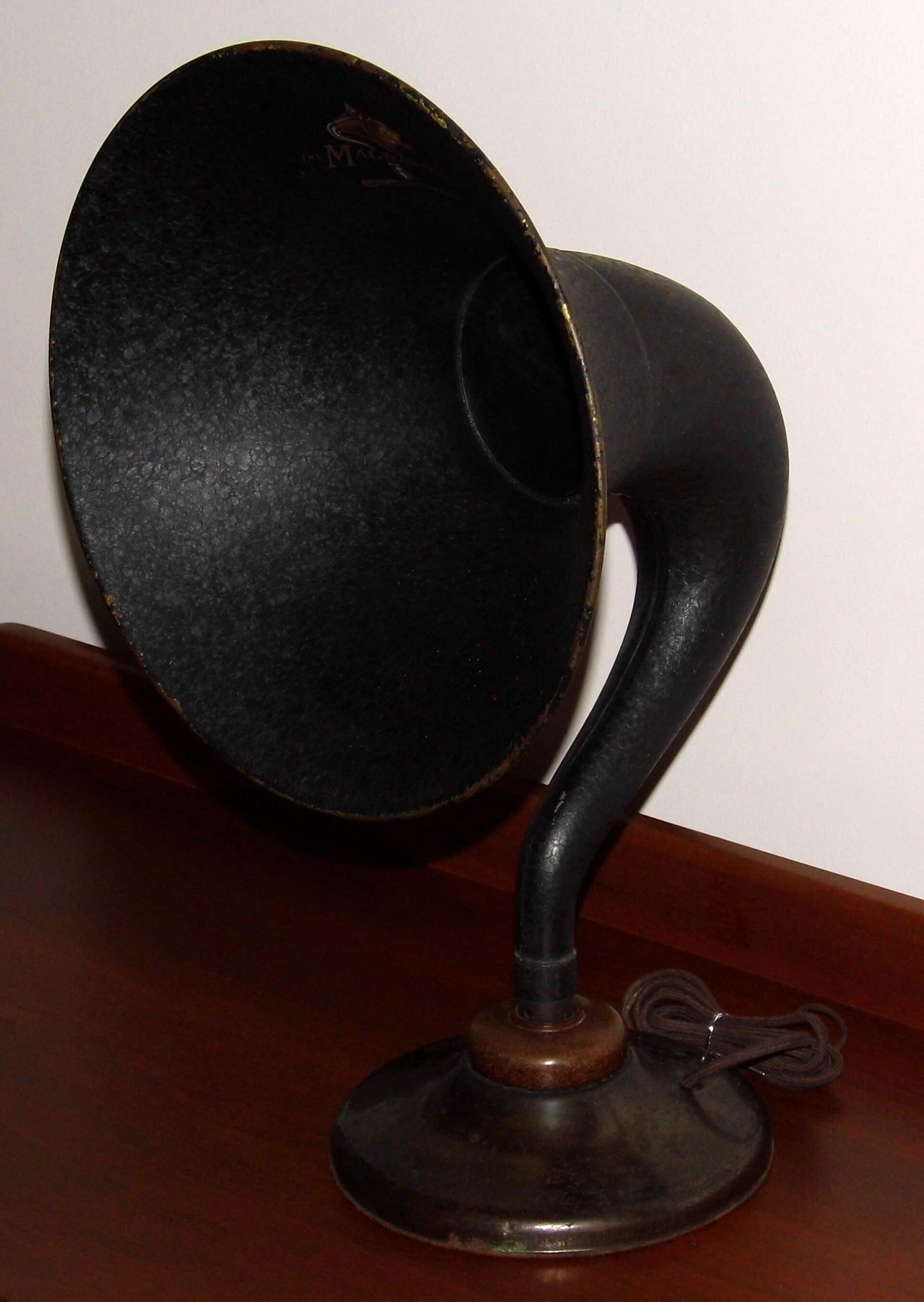
The controversial claim that although humans cannot consciously hear ultrasounds, the presence or absence of those frequencies has a measurable effect on their physiological and psychological reactions. Controversial because it is claimed rather than heard — for it to hold, the effect would have to operate below awareness.
32. Impostor Syndrome

The phenomenon in which people doubt their skills, talents or accomplishments and have a persistent internalised fear of being exposed as frauds, despite external evidence of their competence. Those experiencing it do not believe they deserve their success or luck — the evidence counts for everyone except its owner.
33. Irrelevant Speech Effect
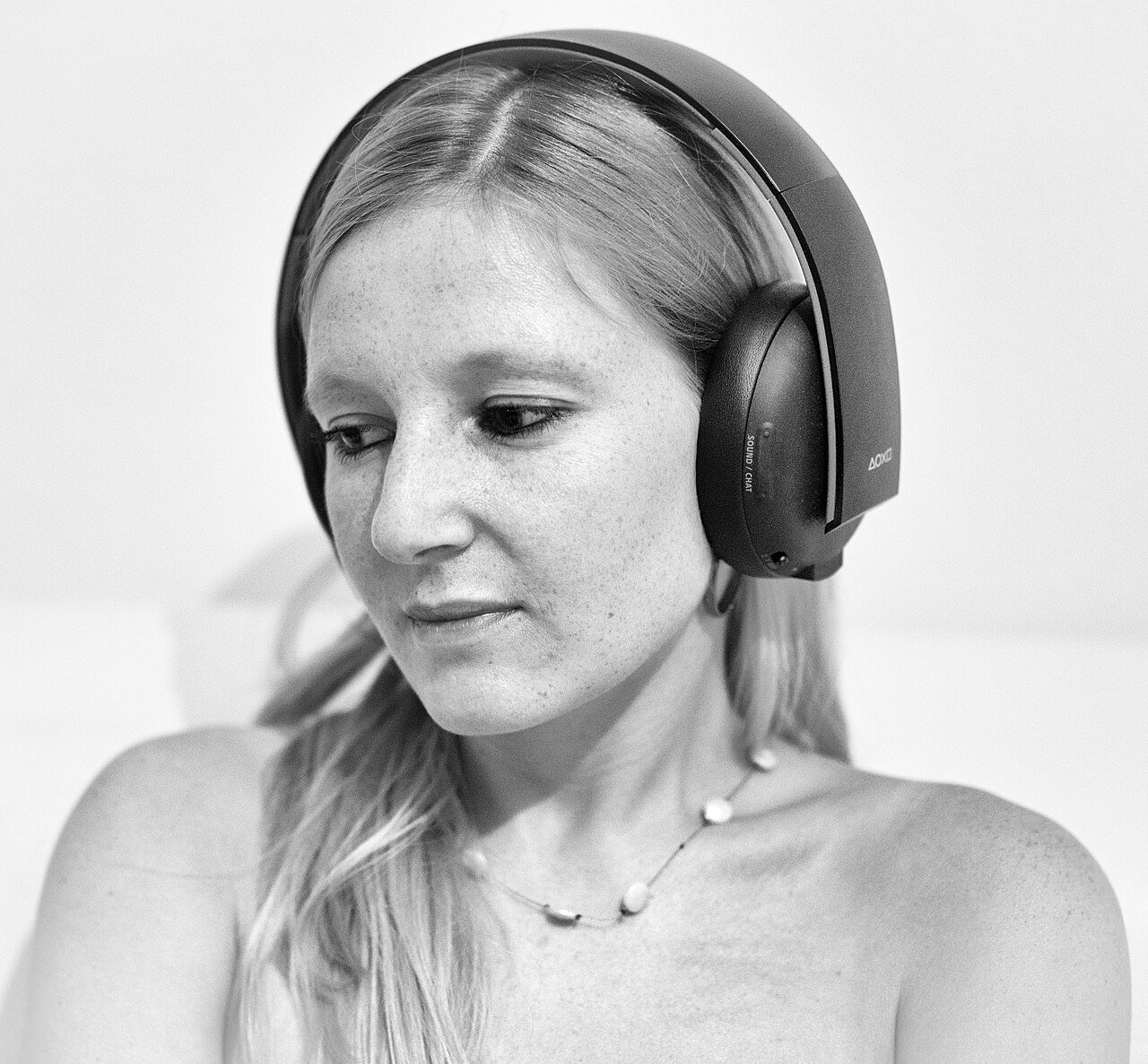
It has been found that when someone needs to read and recall a list and there are other irrelevant sounds, especially speech sounds, the performance gets worse. This occurs even if the list items are presented visually and even if the background speech is in a non-existent language — it does not have to be understood to interfere.
34. Kewpie Doll Effect

A term that helps to explain how a child’s physical features, such as a lengthened forehead and rounded face, motivate the infant’s caregiver to take care of them. The proportions do the asking.
35. Kuleshov Effect

The phenomenon by which viewers derive more meaning from the interaction of two sequential shots than from a single shot in isolation. Meaning is made in the cut — the same face reads differently depending on what is placed after it.
36. Lady Macbeth Effect

A phenomenon in which people who have done something morally wrong feel the need to wash their hands or bodies in order to symbolically clean their conscience. The body is used as the ledger — a physical rinse is made to stand in for a moral one.
37. Less-Is-Better Effect

A type of preference reversal that occurs when the smaller alternative of a proposition is preferred when evaluated separately but not when evaluated together. Judge them apart and the lesser one wins; place them side by side and the preference reverses.
38. Levels of Processing Effect

Deeper levels of analysis and understanding of a thing produce more elaborate, longer-lasting and stronger memory traces than shallow levels of them. Depth is what makes it stick — a word that was thought about outlives a word that was only seen.
39. Matthew Effect
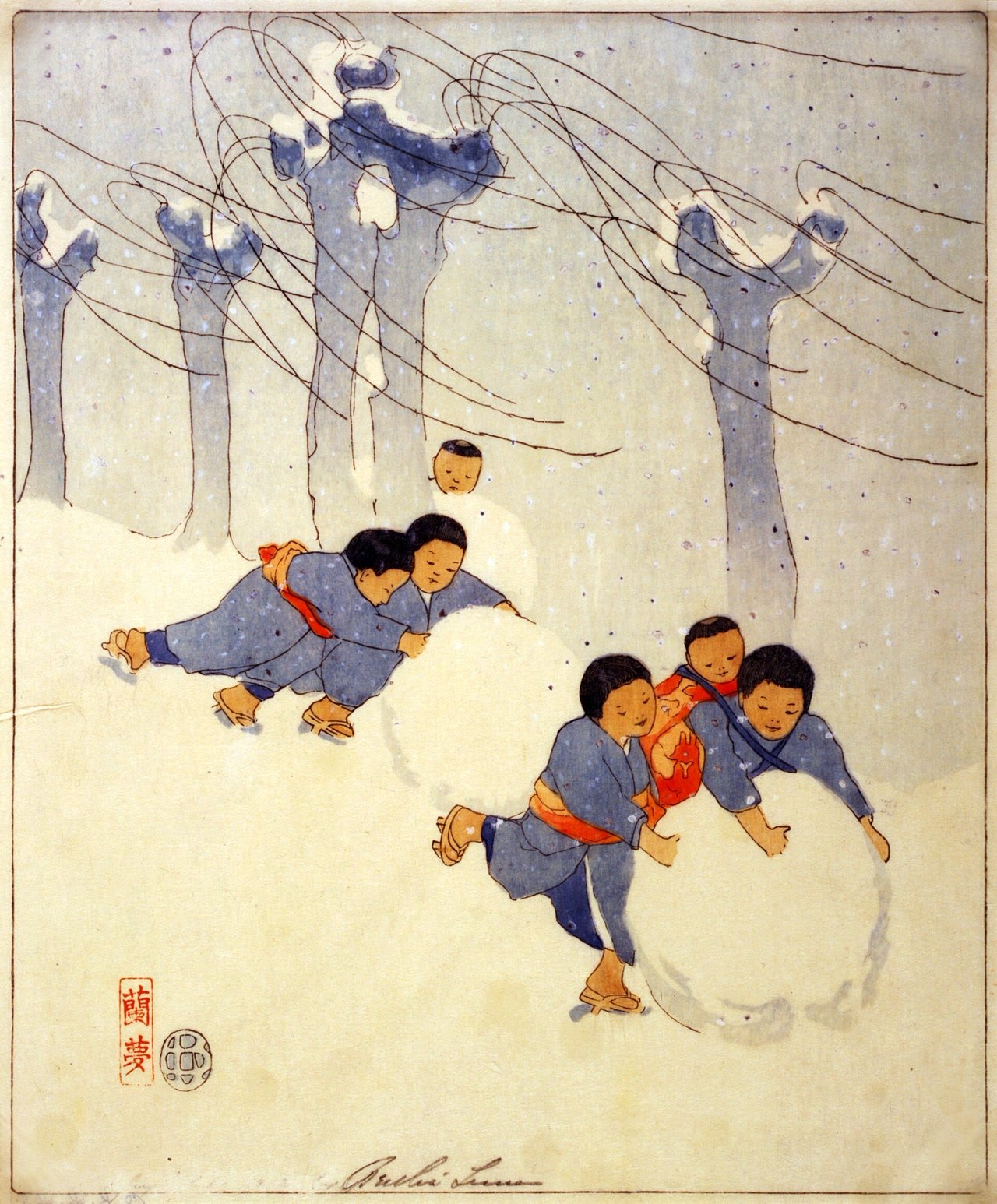
Take how new readers acquire the skills to read: early success usually leads to later successes as the learner grows, while children who fall behind might experience even more failures. Children who fall behind read less, which increases the gap between them and their peers — a snowball effect with reading at the centre of it.
40. Microwave Auditory Effect
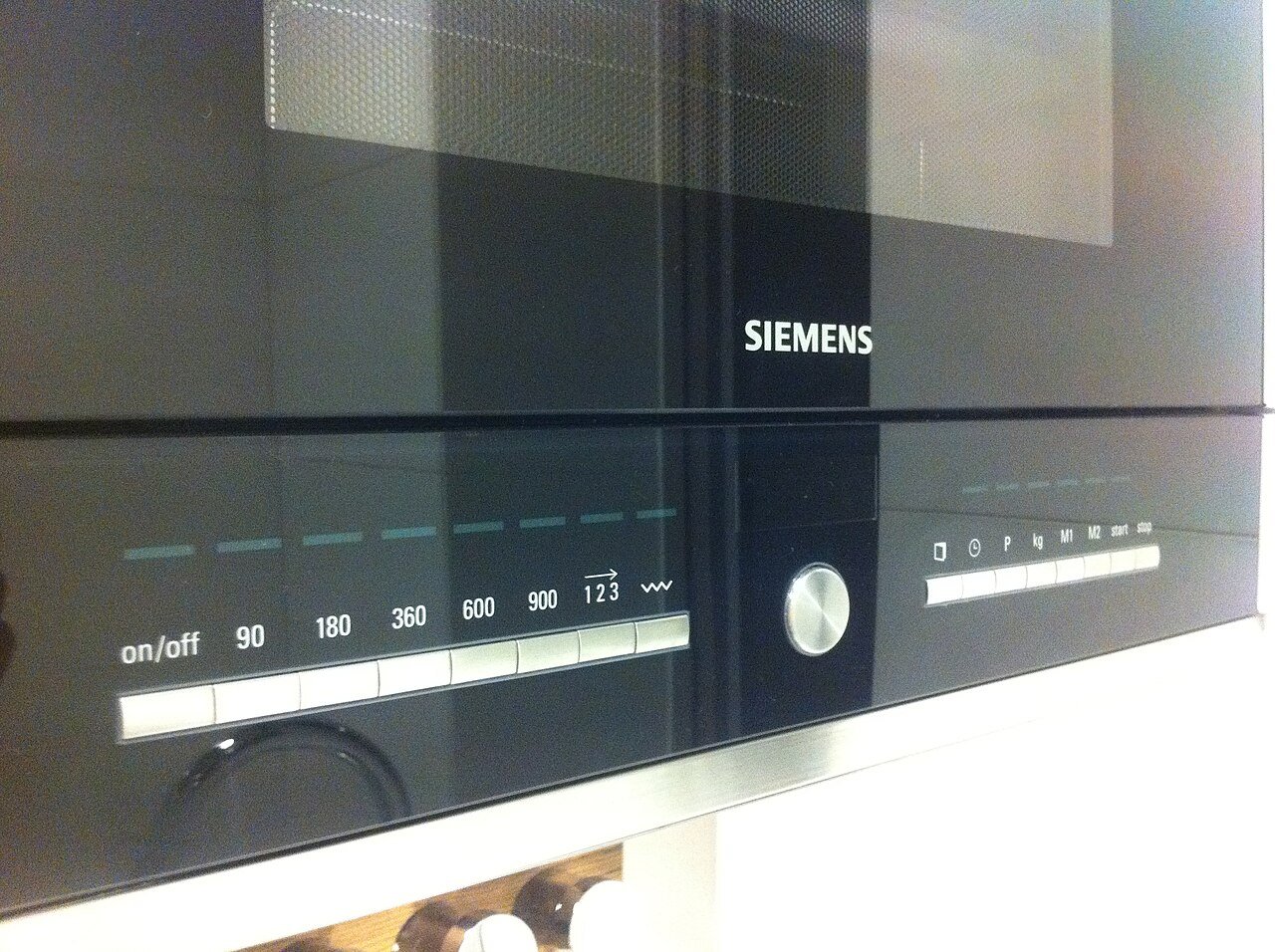
It consists of the human perception of audible clicks, buzzing, hissing or knocking induced by pulsed or modulated radio frequencies. A radio pulse arrives as a sound — perceived without any sound having been played.
41. Misinformation Effect
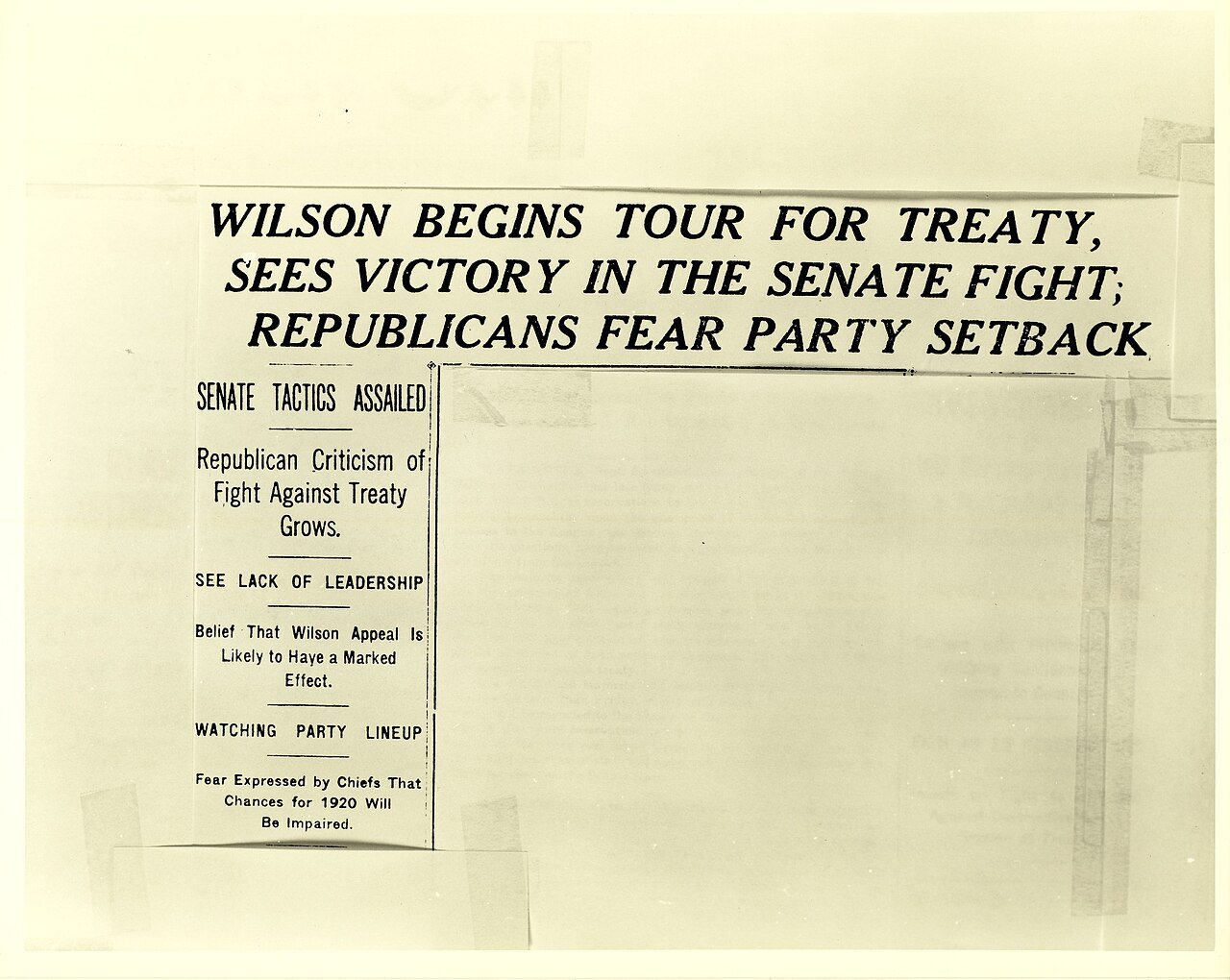
The misinformation effect occurs when a person’s memory becomes less accurate because of post-event information. Memory keeps taking edits — what arrived afterwards is written back into what happened first.
42. Naive Realism

The human tendency to believe that we see the world around us objectively, and that people who disagree with us must be uninformed, irrational or biased. Only your own view feels like it has no lens — everyone else is assumed to be looking through something.
43. Negativity Effect

A bias that, even when of equal intensity, makes things of a more negative nature have a greater effect on one’s psychological state and processes than neutral or positive things. Equal weight, unequal pull.
44. Observer Expectancy Effect
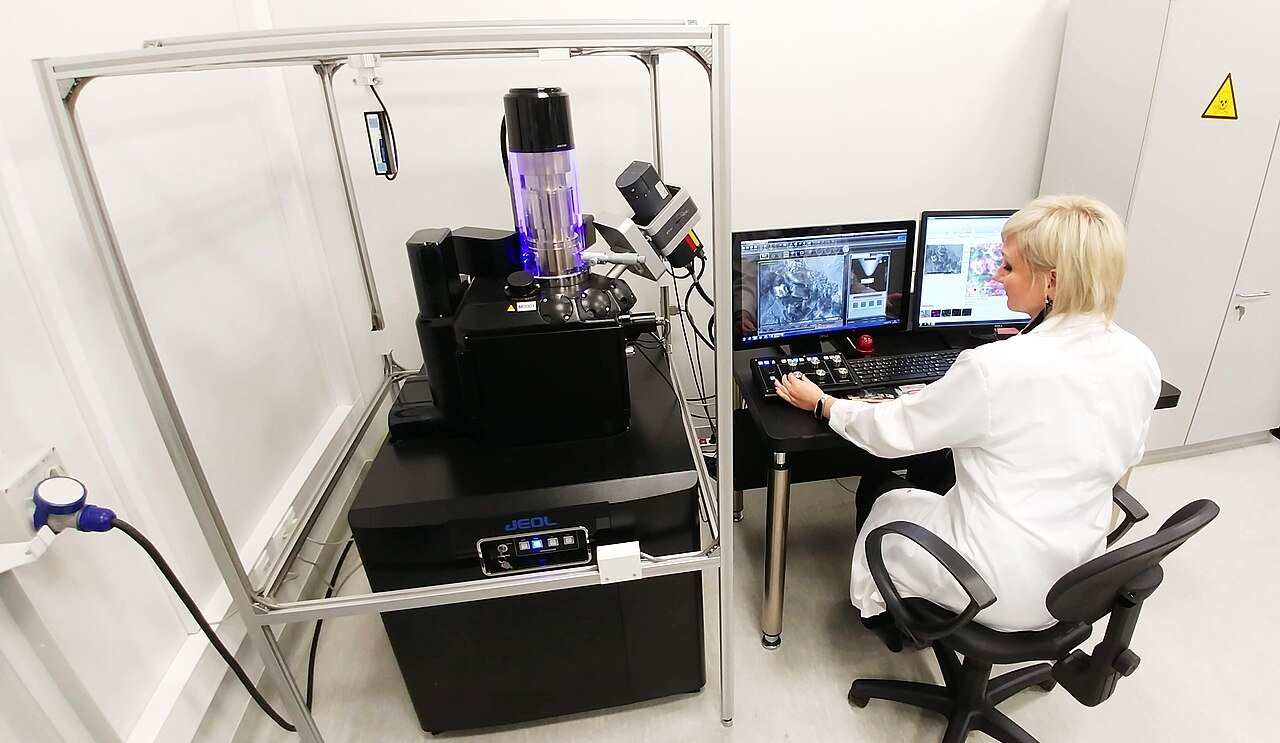
A form of reactivity in which a researcher’s beliefs cause them to subconsciously influence the participants or the results of an experiment to fit in with their beliefs. The hypothesis arrives inside the data.
45. Outgroup Homogeneity Effect

The perception that outgroup members are more similar to one another than in-group members. Your side has people in it; the other side is a type — individuality is kept for the group you belong to.
46. Overjustification Effect
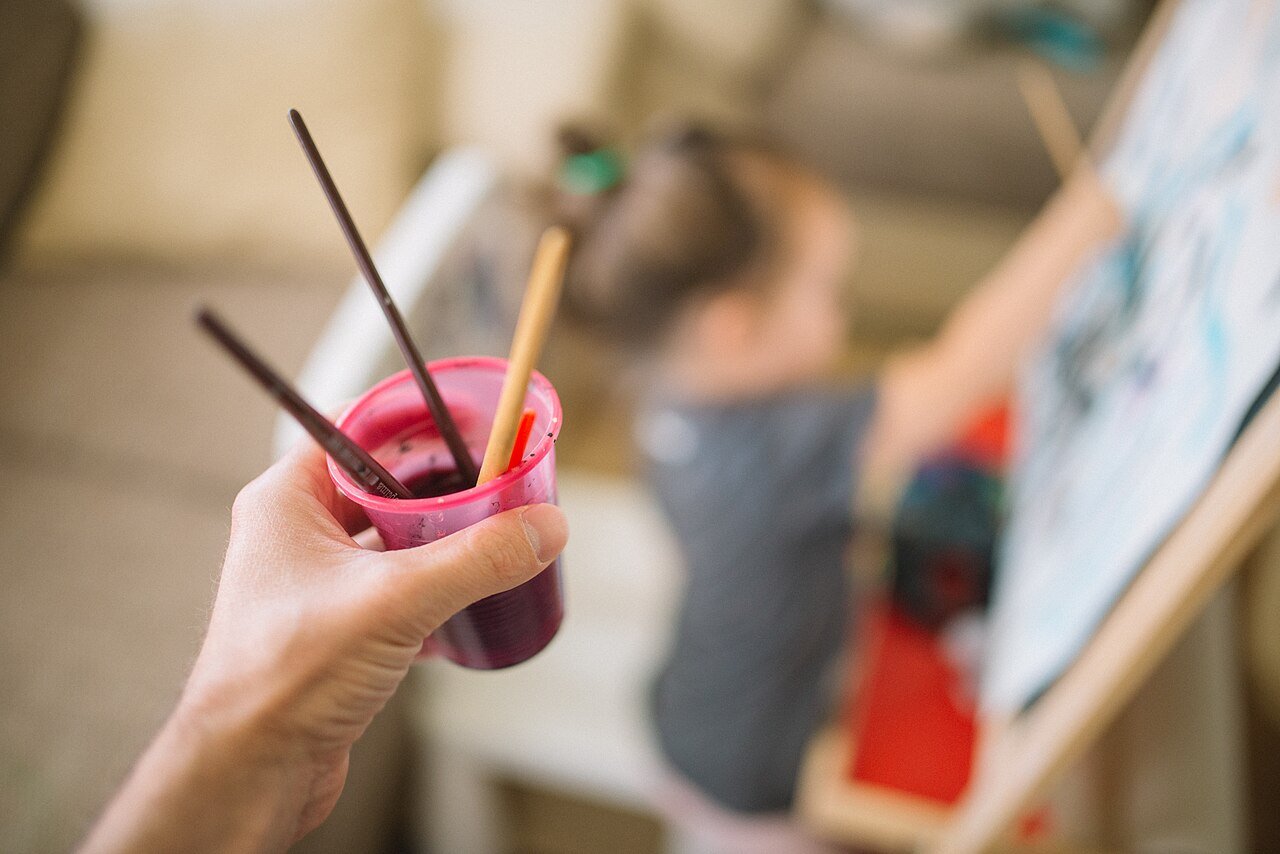
It occurs when an expected external incentive such as money or prizes decreases a person’s intrinsic motivation to perform a task, because the activity shifts from the pre-existing intrinsic motivation to the extrinsic one. Once rewards are no longer offered, interest in the activity is lost and prior intrinsic motivation does not return.
47. Pluralistic Ignorance
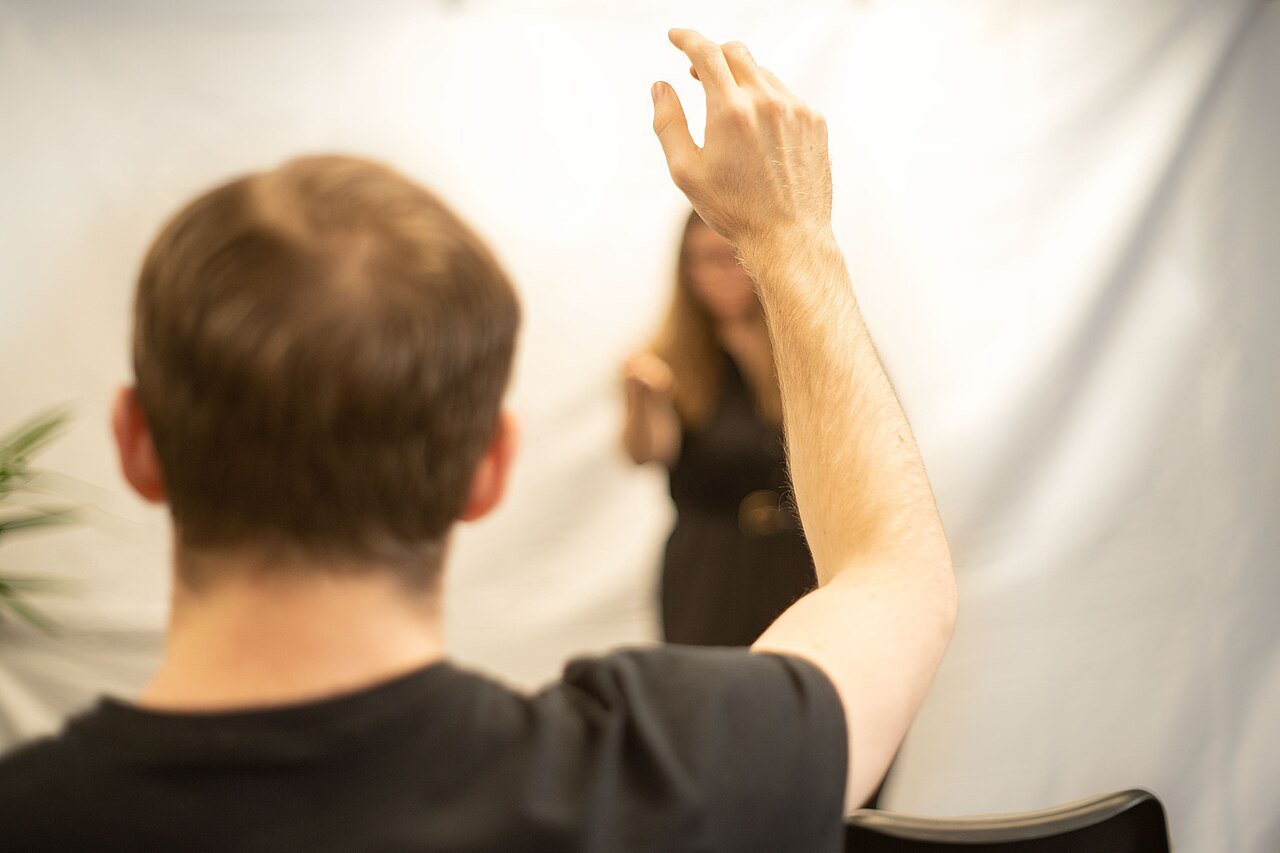
A phenomenon in which people mistakenly believe that others predominantly hold an opinion different from their own. Most people in a group may go along with a view they do not hold because they think incorrectly that most of the others hold it.
48. Pratfall Effect
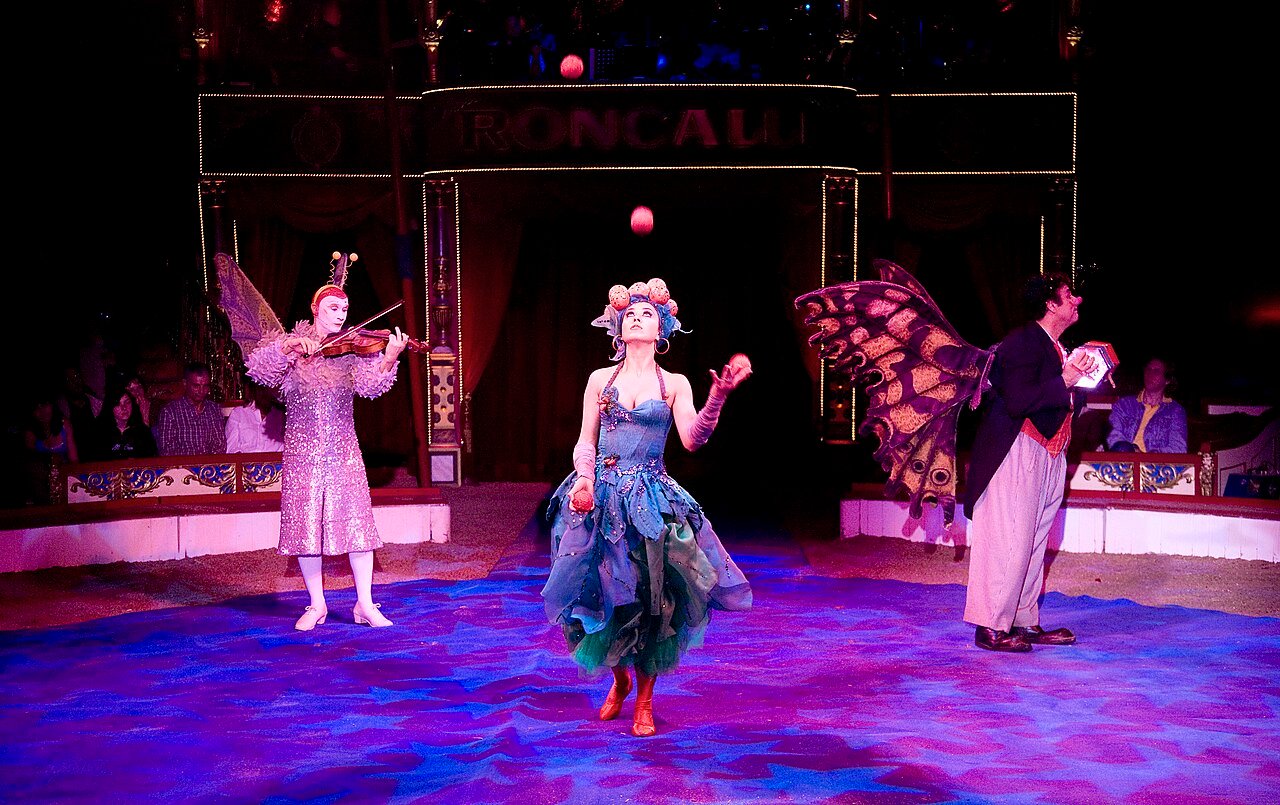
Highly competent individuals tend to become more likable after committing mistakes, making them seem more human, while average-seeming individuals tend to become less likable even if they commit the same mistake. The same stumble is read two ways depending on the standing it falls from.
49. Certainty Effect

When presented with two options, one with a certain result and one with an uncertain result, people tend to choose the certain one and become risk-averse; when presented with two uncertain results, they tend to be more risk-taking. We give more weight to outcomes that are certain than to outcomes that are just possibilities.
50. Pygmalion Effect

High expectations lead to improved performance in a given area and vice versa, creating a self-fulfilling prophecy. The expectation sets the level — and the level is then met.
51. Rhyme as Reason Effect

A cognitive bias where a saying or aphorism is judged as more accurate or truthful when it is rewritten to rhyme. The meter is mistaken for evidence — the same claim is credited more highly once it scans.
52. Ringelmann Effect
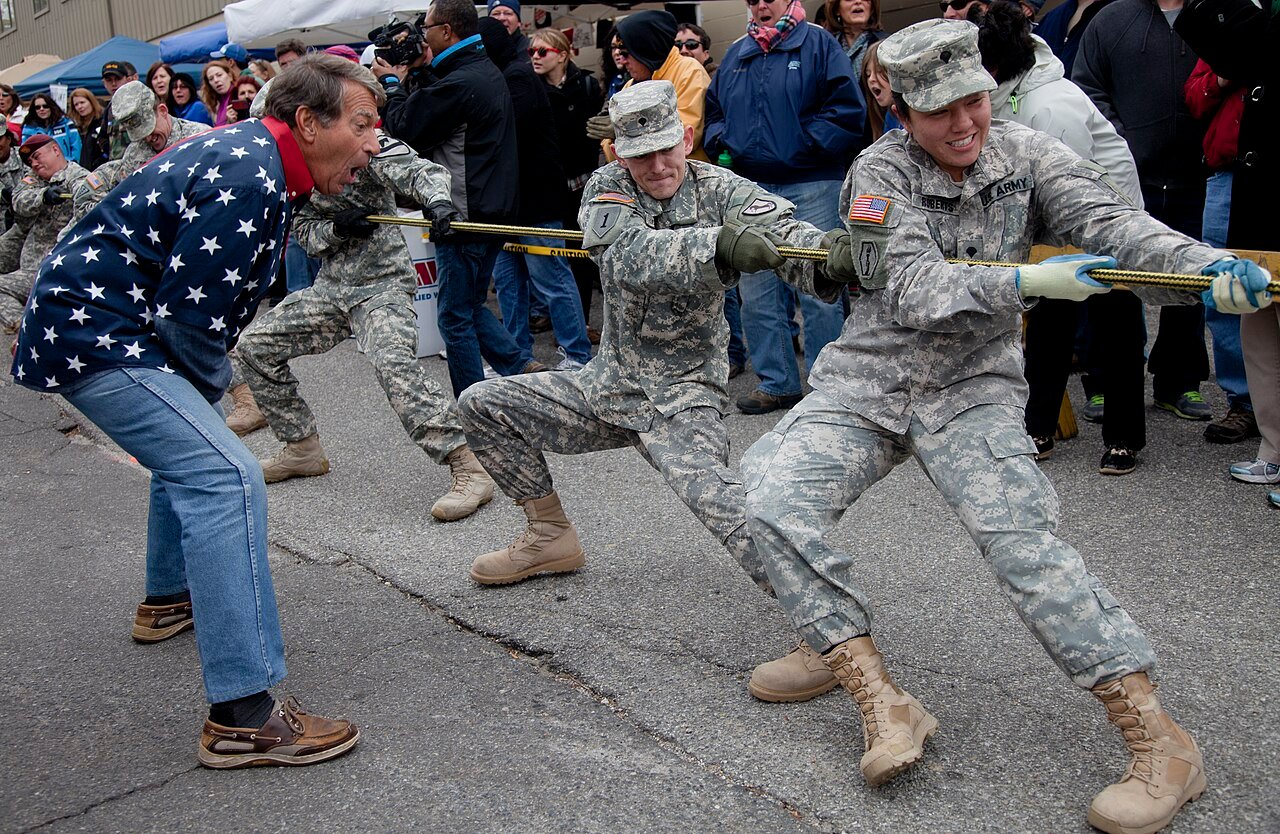
The tendency for individual members of a group to become increasingly less productive as the size of their group increases. People feel that their own effort is not critical and tend to rely on their co-members to furnish the desired effort, through the diffusion of responsibility effect and a failure to coordinate individual efforts in a productive way.
53. Self-Reference Effect
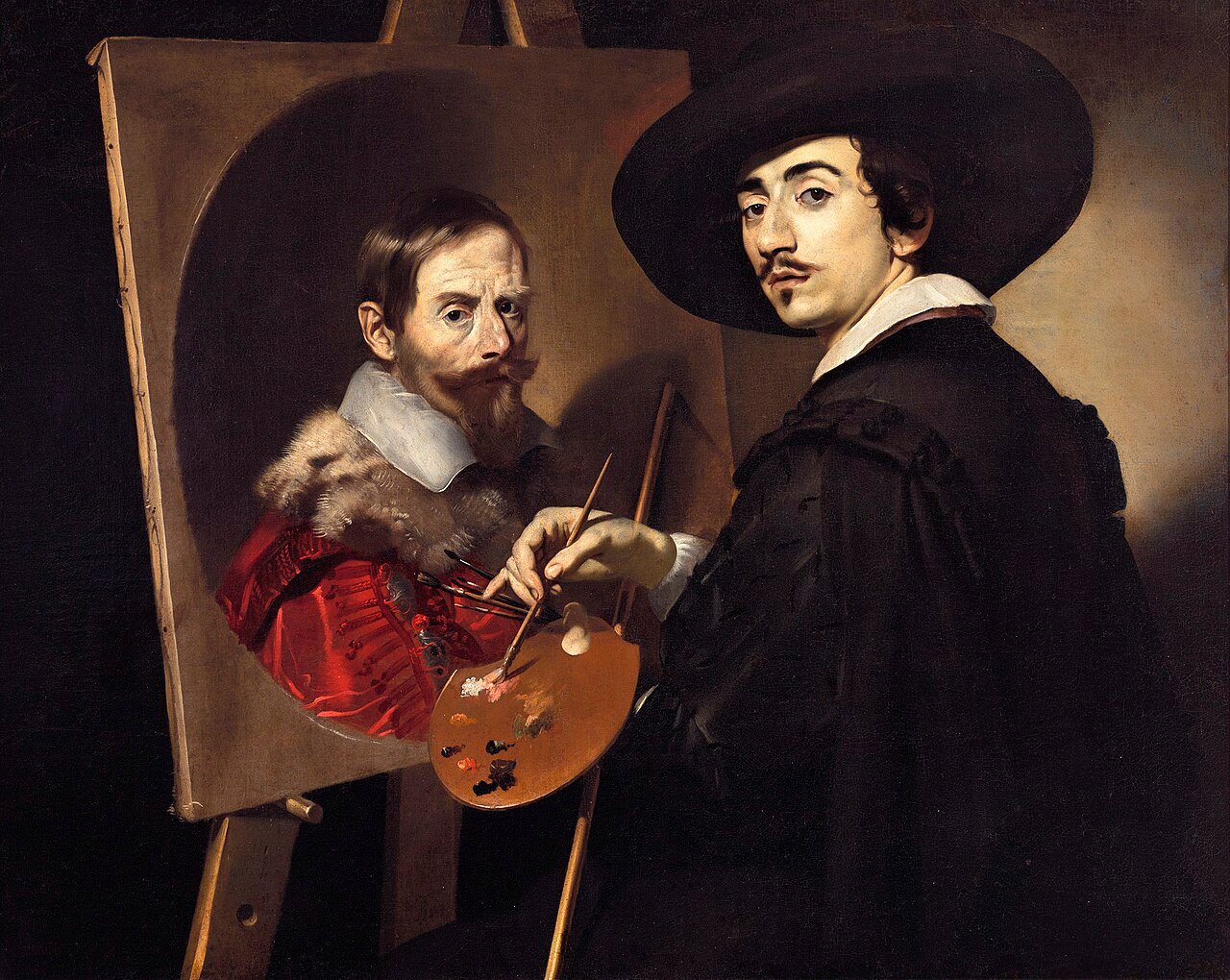
People tend to have better memory for self-relevant information than for other relevant information. Anything that mentions you is filed deeper.
54. Stroop Effect

The delay in reaction time between congruent and incongruent stimuli. Read the colour rather than the word — and the word still wins for a moment.
55. Sleeper Effect
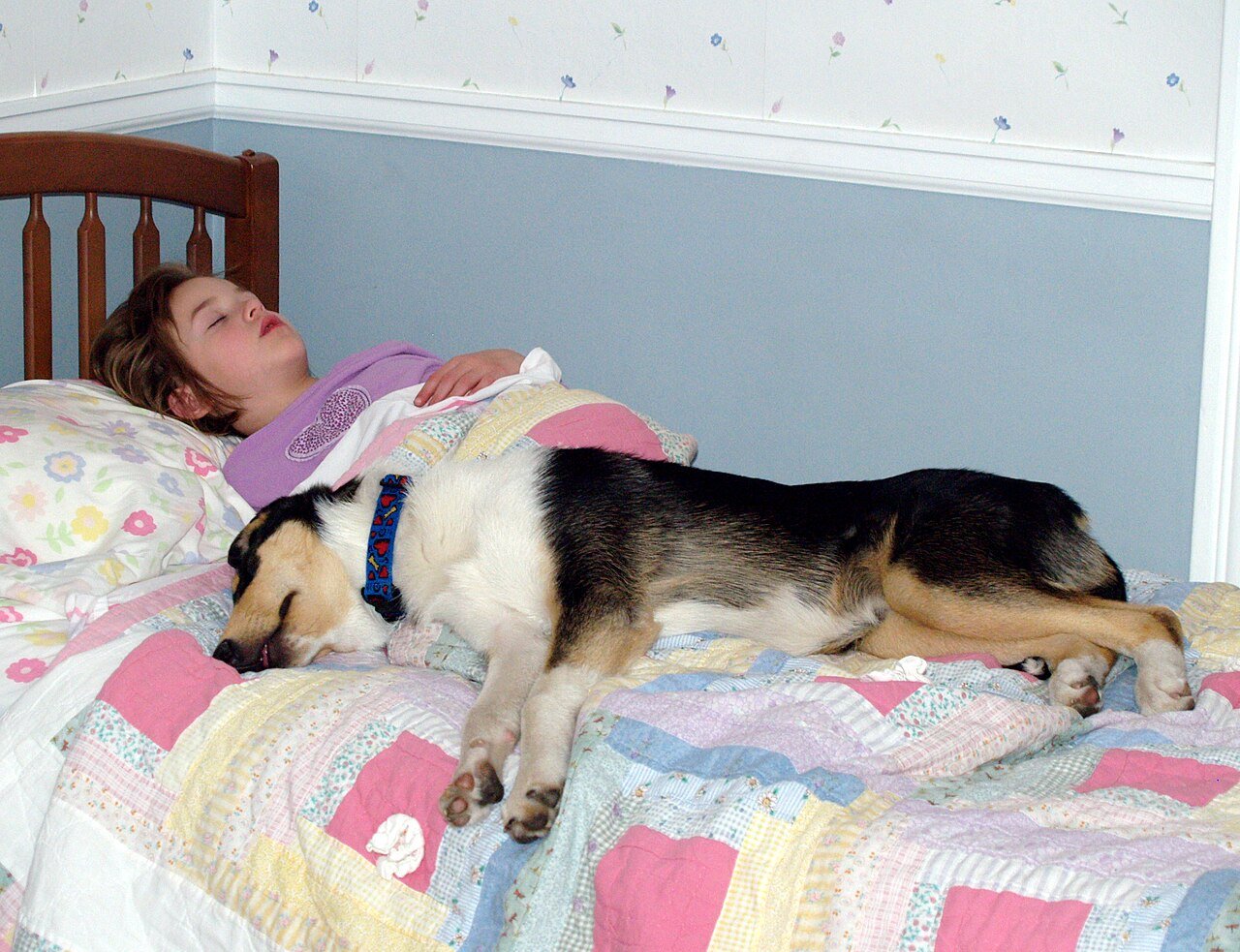
The sleeper effect is when a persuasive message from a less credible source becomes more persuasive over time as it becomes detached from the source’s lack of credibility. The discount fades while the argument stays — the message outlives its label.
56. Spacing Effect

It demonstrates that learning is more effective when study sessions are spaced out. The gap does part of the work — the same material spread across several sittings survives longer than the same material gathered into one.
57. Subadditivity Effect
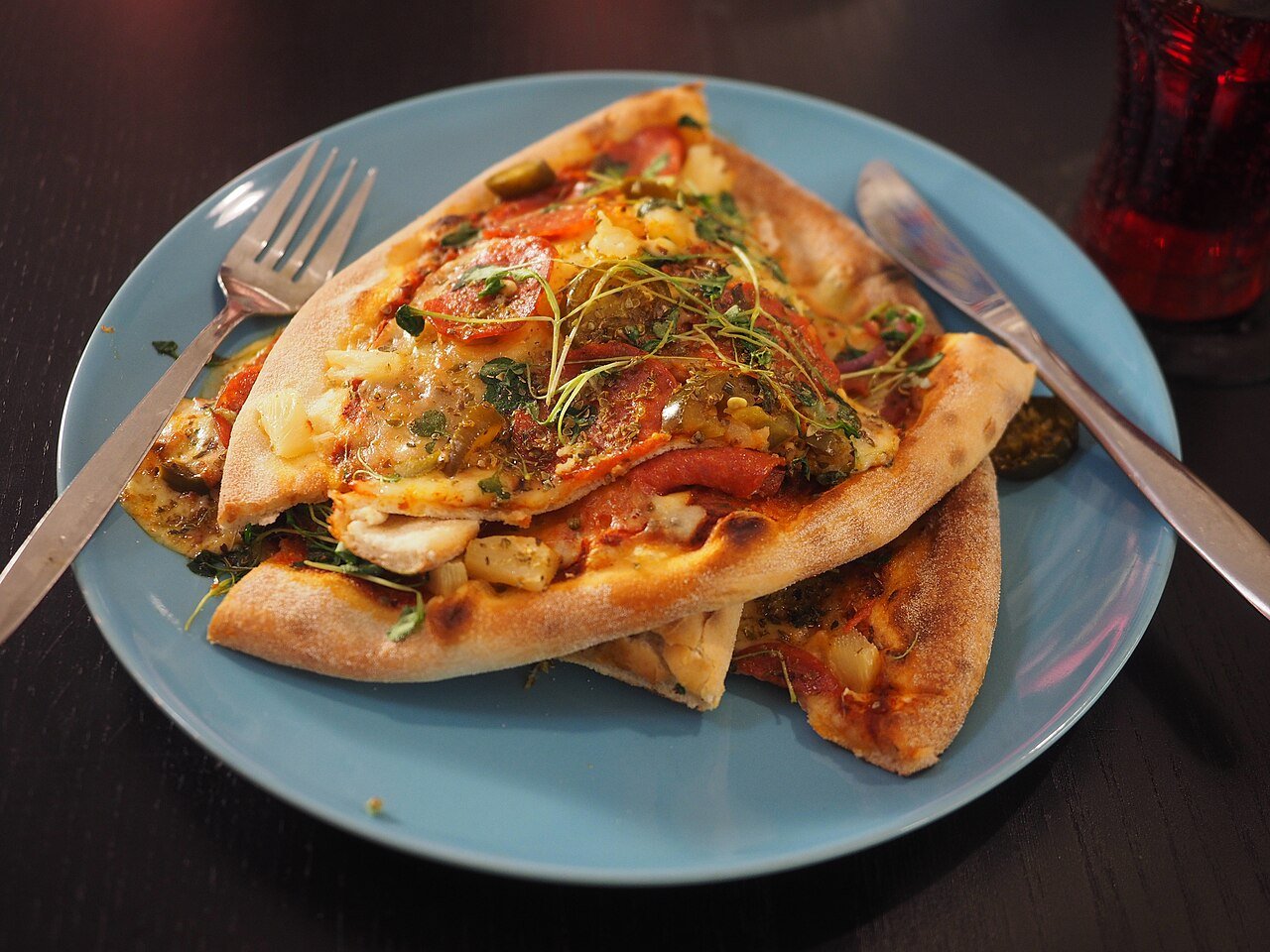
The tendency to judge the probability of the whole to be less than the probability of the parts. The pieces add up to more than the sum — each cause looks likely on its own while all of them together look unlikely.
58. Tamagotchi Effect

The development of emotional attachment to machines, robots or software. It is more prominent in applications that simulate or reflect some aspects of human behaviour or characteristics — the more of an answer it gives back, the more it gets kept.
59. Telescoping Effect

It refers to the tendency of people to perceive recent events as more remote than they are and distant events as more recent than they are. Time is compressed from both ends — the far is pulled close and the close is pushed away.
60. Tetris Effect

It occurs when people devote so much time and attention to an activity that it begins to pattern their thoughts, mental images and dreams. The activity keeps running after the screen is off.
61. Ventriloquism Effect
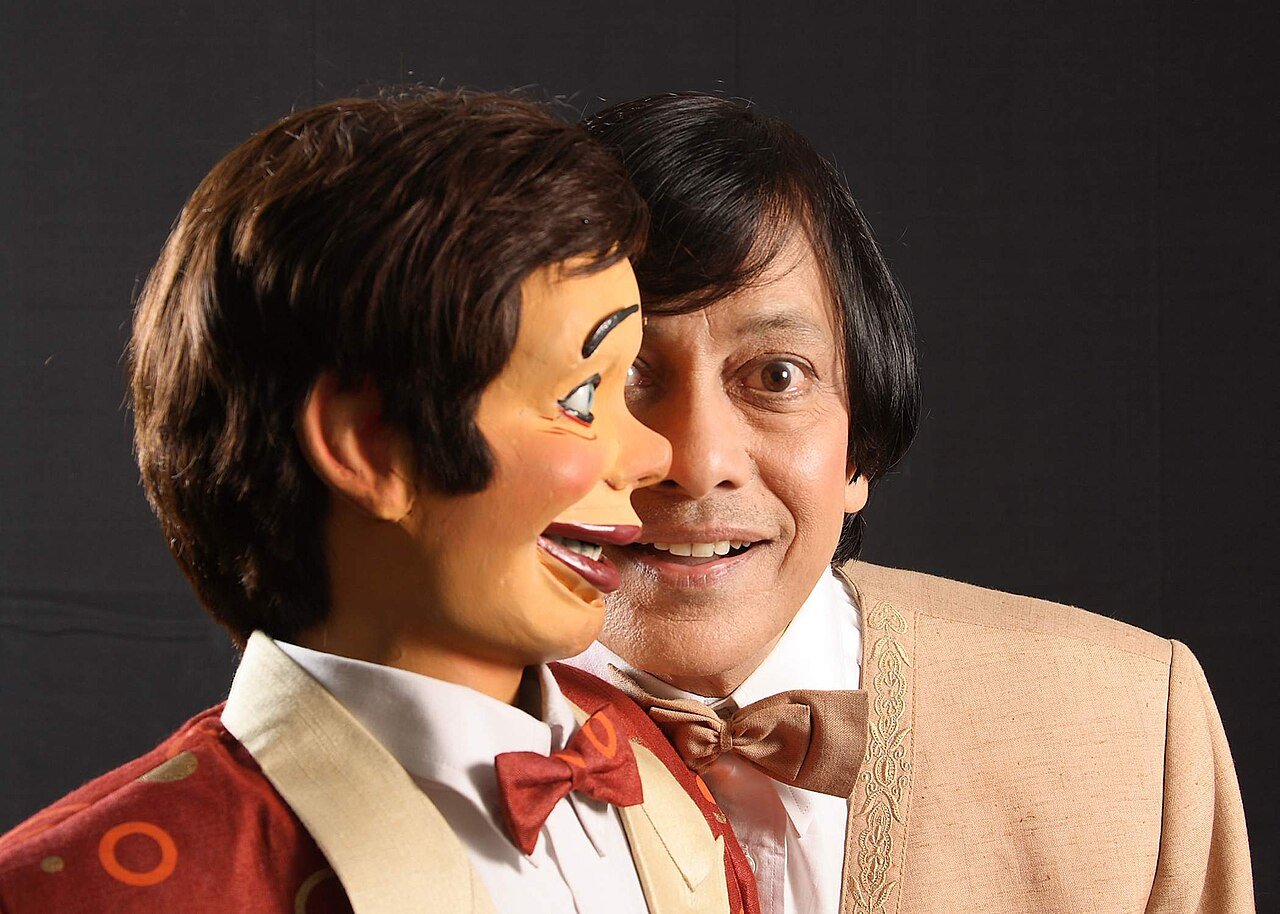
It is why speech sounds seem to be coming from a direction other than their true direction, due to the influence of visual stimuli from an apparent speaker. The eyes overrule the ears — you watch the moving mouth and hear the voice arrive there.
62. Isolation Effect
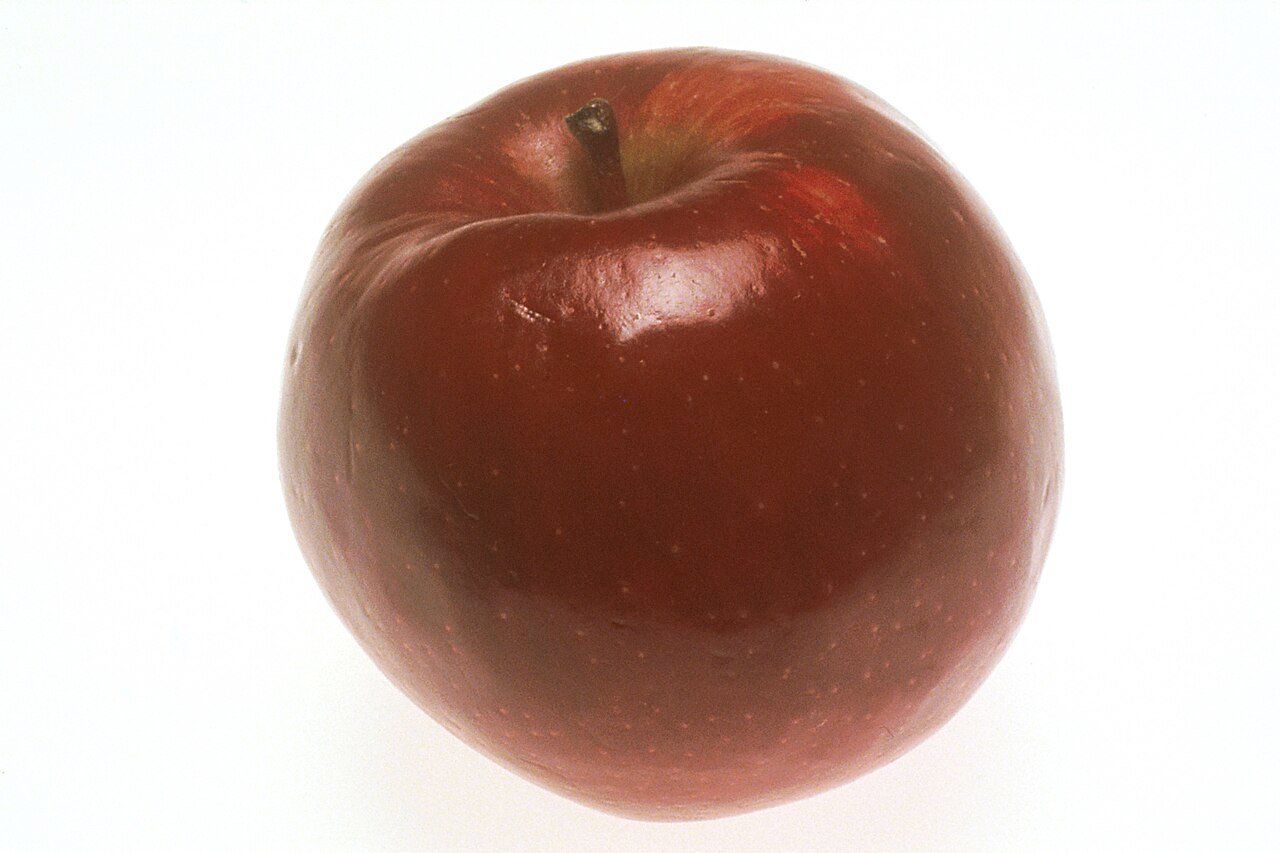
It predicts that when multiple homogeneous stimuli are presented, the stimulus that differs from the rest is more likely to be remembered. Difference is what gets remembered — among identical options, the odd one out is the one that stays.
63. Well-Traveled Road Effect

Frequently traveled routes are assessed as taking a shorter time than unfamiliar routes. Familiarity is scored as time already saved — the same journey feels shorter the more often it has been made.
64. Word Frequency Effect
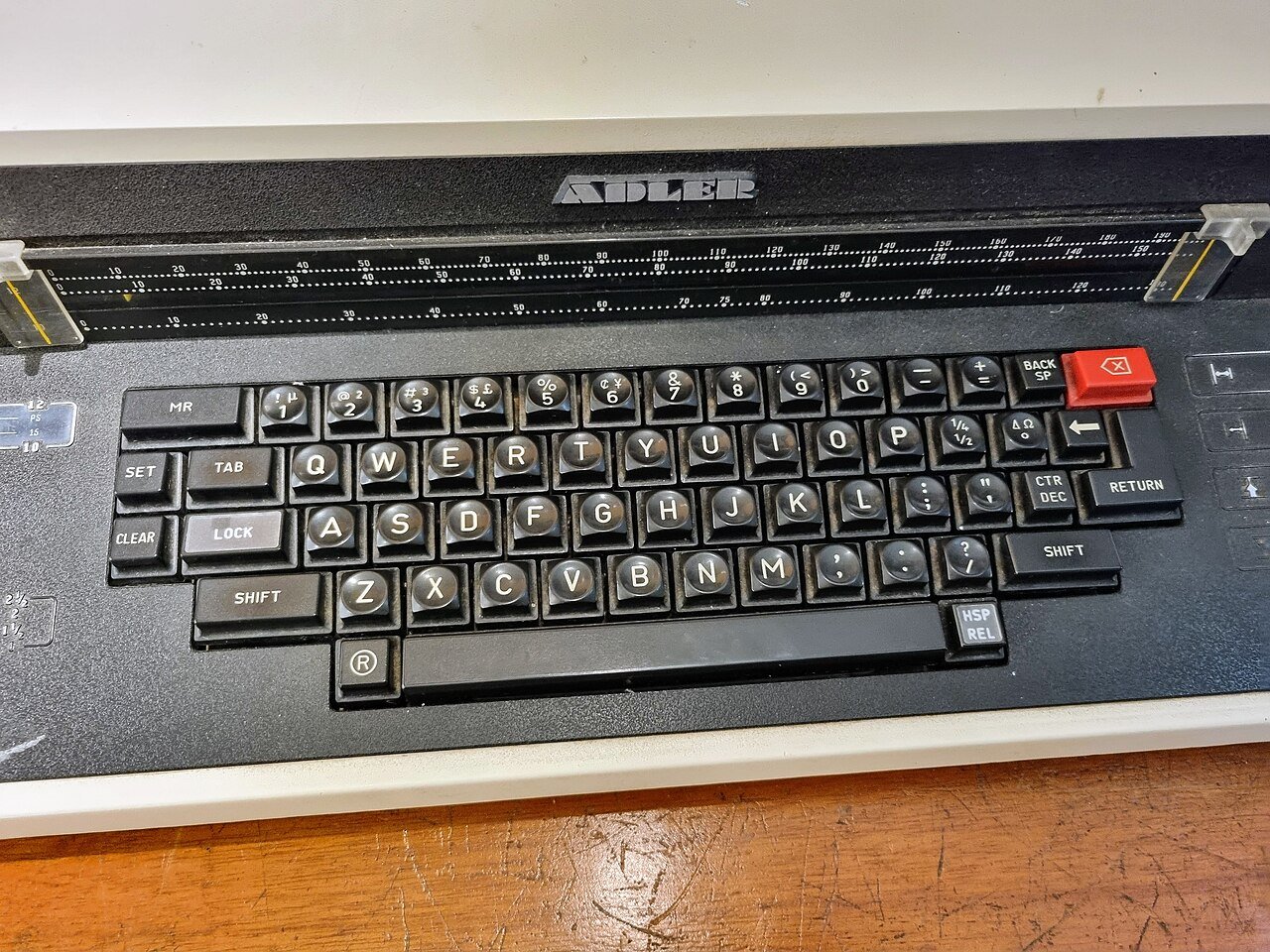
Recognition times are faster for words seen more frequently than for words seen less frequently. The common word is answered first — frequency buys speed in recognition.
65. Worse-Than-Average Effect

It is the human tendency to underestimate one’s achievements and capabilities in relation to others. The comparison runs downward — people score themselves below the group they are actually part of.
66. Zeigarnik Effect

It occurs when an activity that has been interrupted may be more readily remembered. The unfinished item stays open — interruption leaves the task running in memory.
67. Uncanny Valley

A phenomenon where humanoid objects that closely resemble humans but are not quite realistic trigger feelings of discomfort or unease in observers. Near misses are worse than clear misses — the closer the copy gets, the more the small errors begin to register.
68. Mass Hysteria

A situation where a group of people experience similar physical or emotional symptoms without a clear medical cause. It often spreads rapidly within a community due to shared anxiety, fear or stress rather than a contagious agent — the trigger sits in the room rather than in the body.
69. Streisand Effect

An unintended consequence of attempts to hide, remove or censor information, where the effort instead backfires by increasing awareness of that. The suppression functions as the advertisement — trying to remove it is what makes more people look.
What Comes Next?
Sixty-nine separate effects is not a catalogue of sixty-nine separate faults. Read in order they are one repeated manoeuvre: the mind answers a cheaper question than the one it was asked — what is near, what is mine, what is already certain, what is everyone else doing — and returns that answer without flagging the swap.
Naming them does not turn them off, since the curse of knowledge is itself on the list and applies to reading it. What the video models instead is slower: catch the rule while it is running, ask which cheaper question it answered, and check whether the conclusion came from the evidence or from the shortcut. The next judgment you make without noticing is where the list starts again.
Image Credits
- Hamburger-stadtpark-labyrinth by Roland.h.bueb — CC BY-SA 4.0
- Question mark road sign, Australia by Colin Kinner — CC BY 2.0
- North Shore Trip – Fall 2012 – Split Rock Clockworks (8061060091) by Pete Markham from Loretto, USA — CC BY-SA 2.0
- Audience seating at the Citizens Theatre by Microchip08 — CC0
- File:Crystal Ball Mystery, The Haunted Churchyard by Tim Sheerman-Chase — CC BY 4.0
- Italy – birthday cake with candles 3 by Francesca Cesa Bianchi, Milano — CC BY-SA 3.0 it
- Blocks, alphabet (51359801586) by Auckland Museum — CC BY 2.0
- Wooden boomerang asv2021-05 by A.Savin — FAL
- Mollusc shells on marine beach (Algiers Beach, Sanibel Island, Florida, USA) 1 by James St. John — CC BY 2.0
- Photograph of young people grouped in circles holding hands on a performance stage, Clarkesville, Habersham County, Georgia, 1950 – DPLA – 1cc9686412b2c9d1f34e7315e82214ea-006 by Unknown photographer — Public domain
- Crowd watching the parade by Arthur Z. Gardiner — Public domain
- Minnesota Vikings Cheerleaders Performance DVIDS286181 by Spc. Jesse Gross — Public domain
- DURING A BARBECUE PARTY AT A LAKE SHORE HOUSE, SEVERAL GUESTS TOOK OFF FOR AN EVENING EXCURSION ON A CABIN CRUISER… – NARA – 551279 by Bill Kuykendall — Public domain
- Schachfiguren, Bauern — 2022 — 0022 (bw) by Dietmar Rabich — CC BY-SA 4.0
- Rat examination at the laboratory Wellcome L0069609 by Wellcome Collection — CC BY 4.0
- Teacher at blackboard (1924) by Anonymous — Public domain
- File:Tattarisuon Antiikki 2025 (202536;+G186738) by Merja Wesander — CC BY 4.0
- 19th century work bench with many tools, Auckland – 0866 by Jorge Royan — CC BY-SA 3.0
- Old Telephone in Parisian Store window (Marais) by TampaKnight — CC BY-SA 4.0
- Fountain pen writing (literacy) by Petar Milošević — CC BY-SA 4.0
- Older Scrabble Dutch edition letter overview by Dascandy — CC BY-SA 3.0
- A-nurse-checking-on-the-patients-in-a-hospital-ward-during-WWI-142342046353 by Unknown photographer — Public domain
- File:Graduation class Realexamen 1965 Danderyd by C. Erik Ridderstedt — Public domain
- Child drawing age 3 crayon on paper by Teresa — CC BY-SA 3.0
- File:Heinrich Leutemann – The Oracle at Delphi (1885) by Heinrich Leutemann — Public domain
- Clay statuette of a reclining man, MCA, 225458 by Zde — CC BY-SA 4.0
- Smartphone Use by Océanos y dados — CC0
- File:Flower in hair, Betty Gumbetter adds glamour to the assembly line 8b07364v by Ann Rosener — Public domain
- Hamster standing in exercise wheel by Rlicul — CC BY-SA 3.0
- IL CH1 News Studio JLM 24 by TaBaZzz — CC BY-SA 4.0
- Ice Ice Baby (152310599) by Jan Bambach — CC BY-SA 3.0
- File:Vintage Magnavox Horn Speaker, Made In USA, Circa 1920s (34558859652) by Joe Haupt from USA — CC BY-SA 2.0
- Comedy and tragedy (8107431738) by psyberartist — CC BY 2.0
- Beautiful girl listening to music with headphones by Lars Frantzen — CC BY-SA 4.0
- Infant in white dress in baby carriage, full length portrait – DPLA – 6700a43d05c9d4e4c889864d80cbe22f (page 1) (cropped) by E. E. Nothstine — Public domain
- The Odyssey (2026 film) IMAX 70 mm film reels by WMrapids — CC0
- Hands washing with soap at a sink in a bright bathroom by Shixart1985 — CC BY 2.0
- Red rose single flower by carrotmadman6 from Mauritius — CC BY 2.0
- Cliff in Gaspe – IMG 1304 (15584559606) by Maciej — CC BY-SA 2.0
- File:Bertha Boynton Lum, Snow balls, ca. 1913 by Bertha Lum — Public domain
- HK CWB Sun Hung Kai World Trade Centre counter 譽·東 iUnQ Grand showflat kitchen Seimens Microwave oven July-2011 by Budraflys — CC BY-SA 3.0
- Newspaper Headline- Versailles Peace Treaty (4454367995) by Woodrow Wilson Presidential Library Archives from Staunton, VA — No restrictions
- Close-up photograph of the eye of a baby with reflection of the scene in the pupil – cropped by Basile Morin — CC BY-SA 4.0
- Dark clouds over Towers of Channelside, Tampa, FL by MrSwagger21 — CC BY-SA 4.0
- Scientist during work with Scanning Electron Microscope by Gabriela P. — CC BY 4.0
- End of game handshake, UF at Arkansas by Flickr user: Bryan McDonald — CC BY-SA 2.0
- A hand holds a cup with paintbrushes as a child focuses on creating art on an easel nearby by Shixart1985 — CC BY 2.0
- Questions From The Audience – Public Speaking by delegateconnectimages — CC BY 2.0
- Munich – Two clown musicians and a pretty juggler – 6858 by Jorge Royan — CC BY-SA 3.0
- Close-up of Lady Justice statue holding scales, symbolizing justice and fairness by DP Singh Bhullar — CC BY-SA 4.0
- PloenMarionetten 1 by Jürgen Howaldt — CC BY-SA 2.0 de
- File:Open Internal Pages of the Book Detrás del espejo 06 by HonysTorresArt — CC BY-SA 4.0
- Fort Meade Soldiers participate in Annapolis tug-of-war by Fort George G. Meade Public Affairs Office — CC BY 2.0
- Self-Portrait with a Portrait on an Easel 1623-4 Nicolas Regnier by Nicolas Regnier — Public domain
- Buntstifte — 2021 — 9145 by Dietmar Rabich — CC BY-SA 4.0
- Girl asleep with her smooth Collie by David Shankbone — CC BY 3.0
- Cozy study space with an open book, fresh apple, and laptop on a desk in bright natural light by Shixart1985 — CC BY 2.0
- Pizza slices on a plate by JIP — CC BY-SA 4.0
- View of a small inflatable R2D2 robot toy in Hamley’s Toy Parade – geograph.org.uk – 5199973 by Robert Lamb — CC BY-SA 2.0
- Night sky over the WIYN 0 9-meter Telescope on Kitt Peak National Observatory (noirlab-img-4505) by KPNO/NOIRLab/NSF/AURA/P. Marenfeld — CC BY 4.0
- Child engages in colorful building activity by Shixart1985 — CC BY 2.0
- Ventriloquist Ramdas Padhye with his Puppet Ardhavatrao by Indiapuppet — CC BY-SA 3.0
- Apple (1) by Renee Comet (Photographer) — Public domain
- The Winding Road (140435981) by J Doll — CC BY 3.0
- Adler Typewriter Keyboard Close-up by Maksym Kozlenko — CC BY-SA 4.0
- File:Retail crime statistics for NSW Australia of 2011 by NSW Government — CC BY 4.0
- Incomplete gradient pink and blue jigsaw by Corinne Mildiner — CC BY-SA 4.0
- Face-Off Robonaut by Robert Markowitz — Public domain
- File:Ellen Street station, train and crowd, 1904 (colour-added, photographer-modified postcard — SLSA B 11616) by Unknown author — Public domain
- 1989 November Prague Velvet Revolution television journalist making live broadcast by RobbieIanMorrison — CC BY 4.0