The Most Mind Blowing Coincidences in History That Can’t Be Explained
A king meets a restaurant owner who could be his twin — and both men are dead within a day of each other. A novelist invents a name for a sailor eaten in a lifeboat, and forty-six years later the same name turns up in a real shipwreck. History is full of alignments that should not exist, and every one of them is checkable.
The Paint Explainer walks through twelve historical coincidences, one chapter each: the facts, the dates, and the single detail that makes each story impossible to shrug off.
1. Umberto’s Doppelgänger
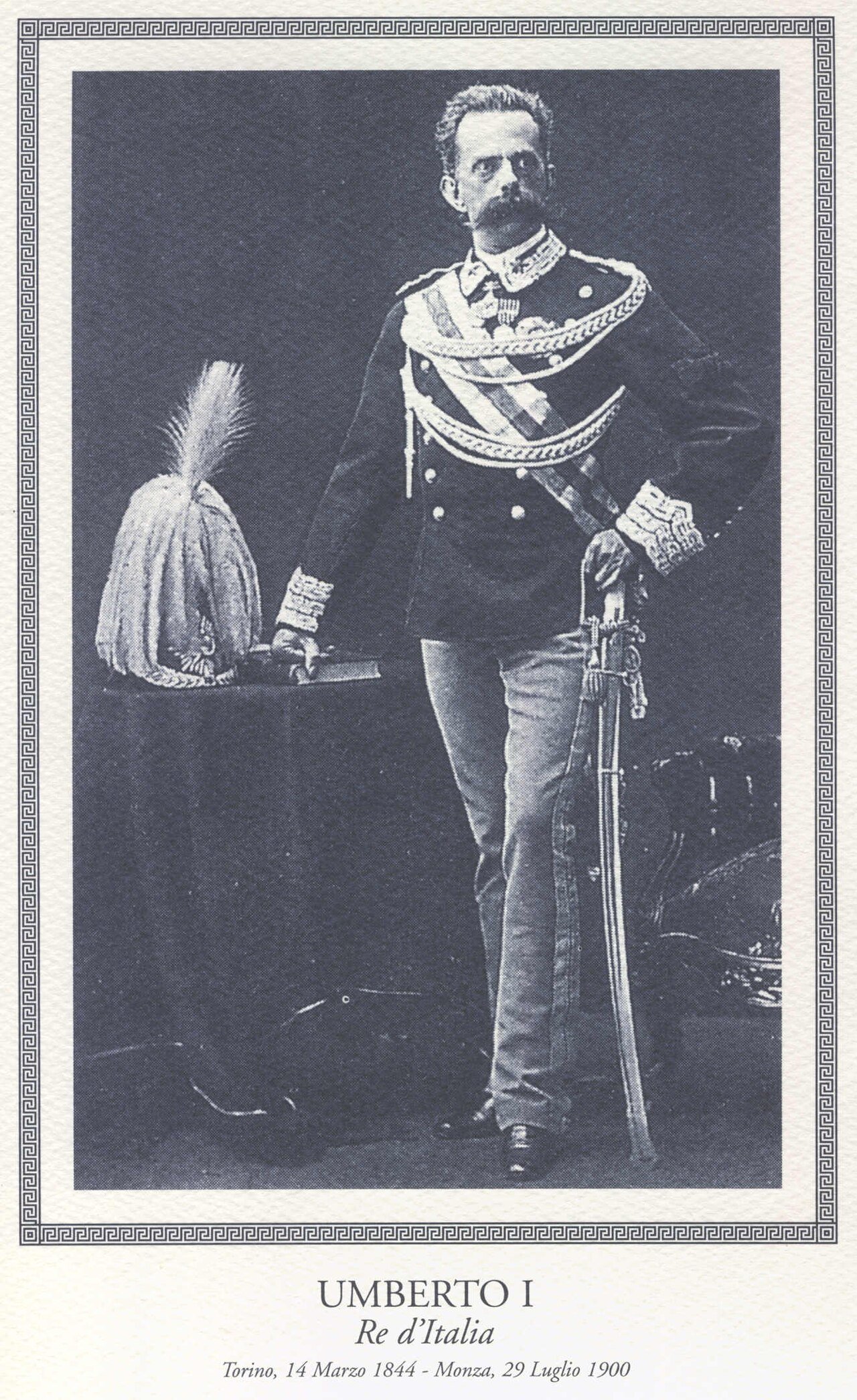
In late July 1900, King Umberto I of Italy decided to eat at a small restaurant in Monza. The owner who came to serve him looked so exactly like the king that the two could have been twins, and talk made it stranger: both born the same day, in the same year, in the same town, both named Umberto. The owner’s wife was named Margherita, like the queen, and both men had sons named Vittorio. The king invited his double to an event the next day. On July 29th, the owner was killed in a shooting accident; that very evening, after being told of his double’s death, the king was shot and killed at a public event by the anarchist Gaetano Bresci.
2. Poe’s Richard Parker Prediction
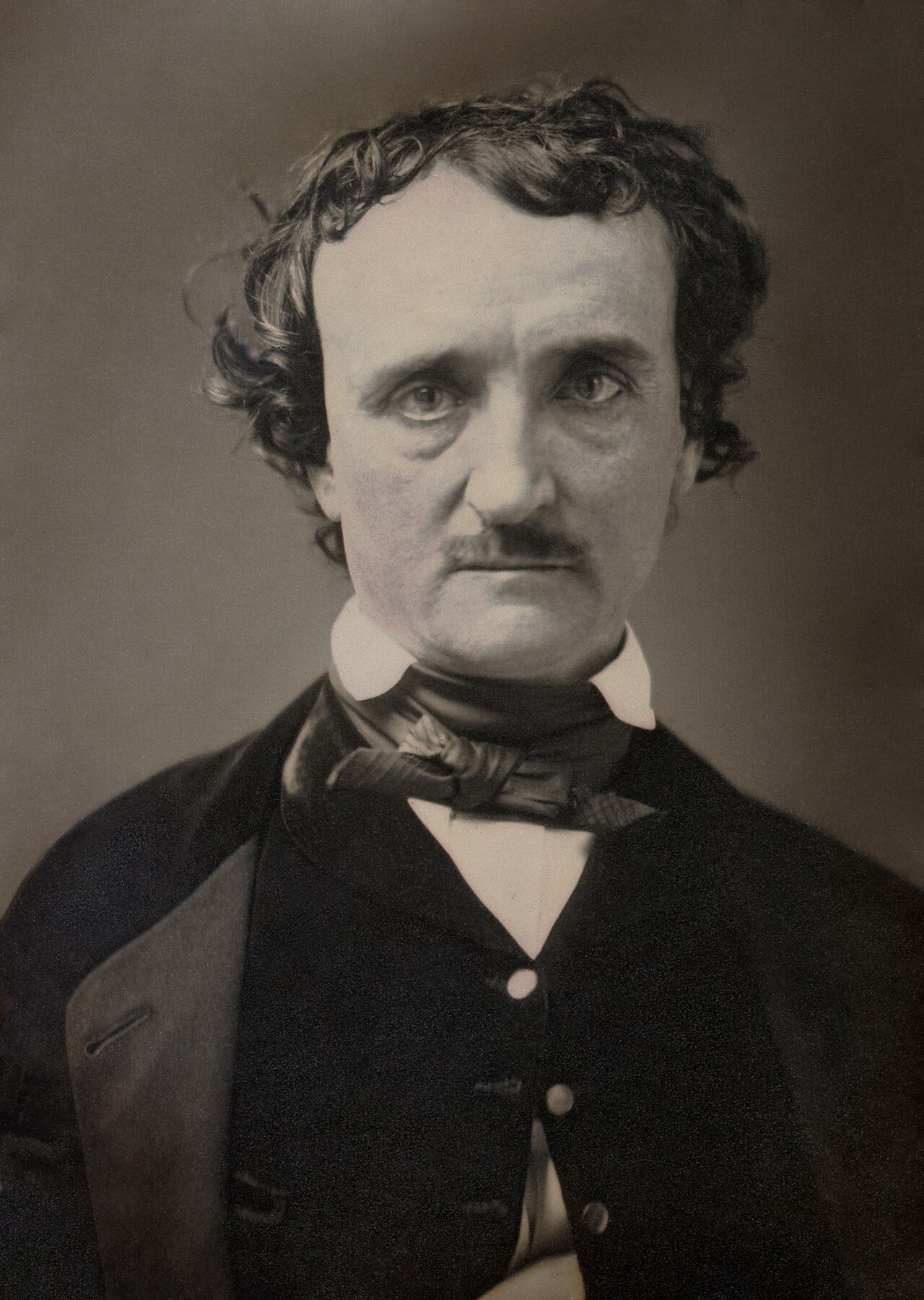
In 1838, Edgar Allan Poe published The Narrative of Arthur Gordon Pim of Nantucket, his only complete novel. Four survivors of a shipwreck, starving in a lifeboat, draw lots to decide who will be eaten: the unlucky victim is a sailor named Richard Parker. Forty-six years later the yacht Mignonette sank in the South Atlantic, and three men in a lifeboat killed and ate their 17-year-old cabin boy — a cabin boy named Richard Parker. Poe died in 1849, decades before the wreck, and the trial’s echo of his fiction stunned the public.
3. Edwin Booth and Lincoln
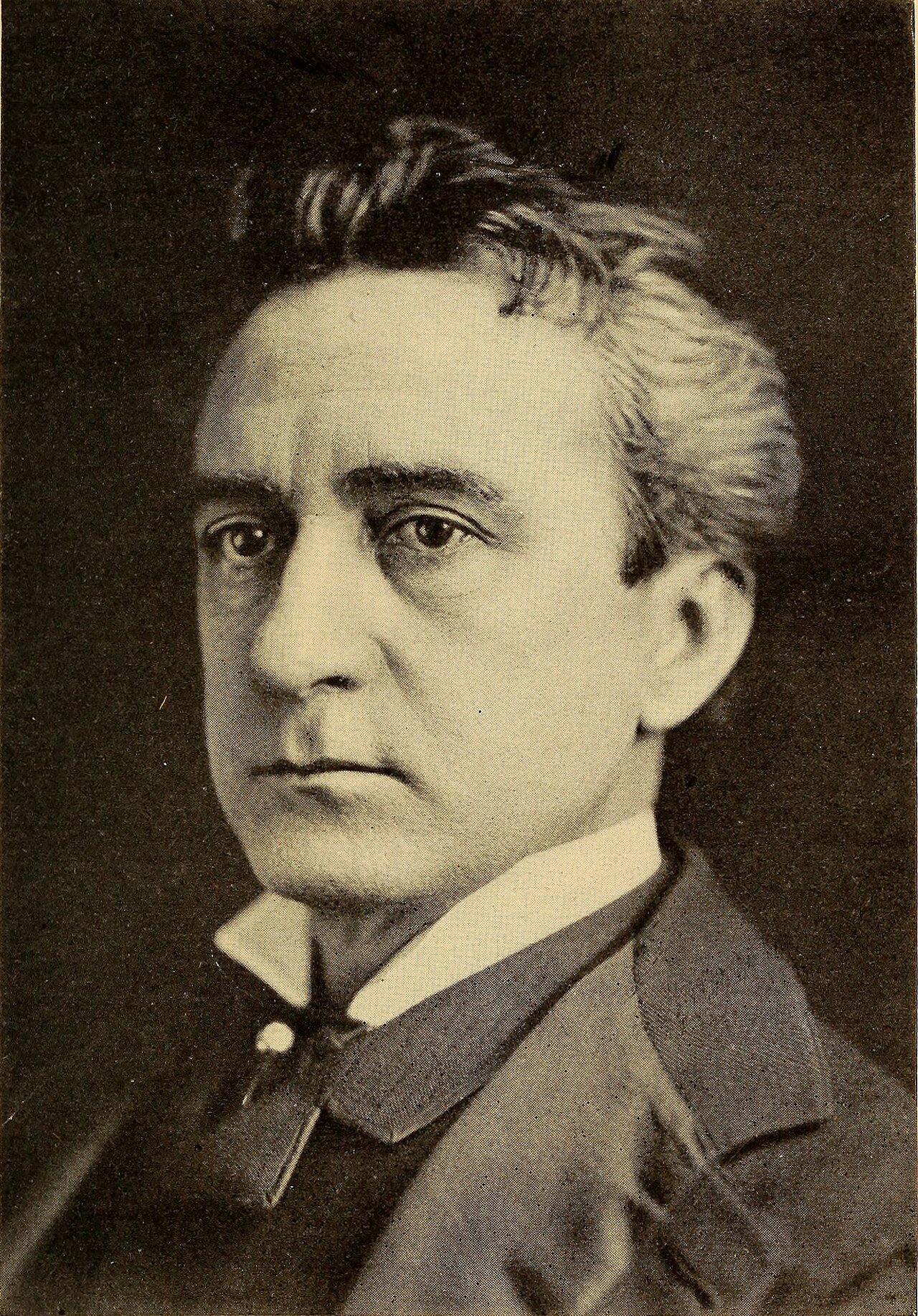
In the winter of 1864 to 1865, Robert Todd Lincoln, the president’s oldest son, fell into the gap between a crowded platform and a moving train at Jersey City. A bystander grabbed his collar and pulled him back: the famous actor Edwin Booth, a supporter of the Union. Edwin never knew whom he had saved until later. Months afterward, on April 14th, 1865, Edwin’s younger brother John Wilkes Booth shot President Lincoln at Ford’s Theatre. One brother had saved a Lincoln; the other killed one. Robert Todd Lincoln later stood near the shootings of Garfield in 1881 and McKinley in 1901, and after that refused to attend presidential events.
4. Double Atomic Survival

In August 1945, 29-year-old Japanese engineer Tsutomu Yamaguchi was on a business trip to Hiroshima when the first atomic bomb exploded about 1.9 miles from where he stood, burning the left side of his body. On August 9th, still bandaged, he was in Nagasaki telling his boss what had happened in Hiroshima when the second bomb went off — and again he was about 1.9 miles from the blast. Yamaguchi is the only person the Japanese government officially recognizes as having survived both atomic bombings; he recovered, lived to be 93, and died in 2010.
5. The Wrong Turn
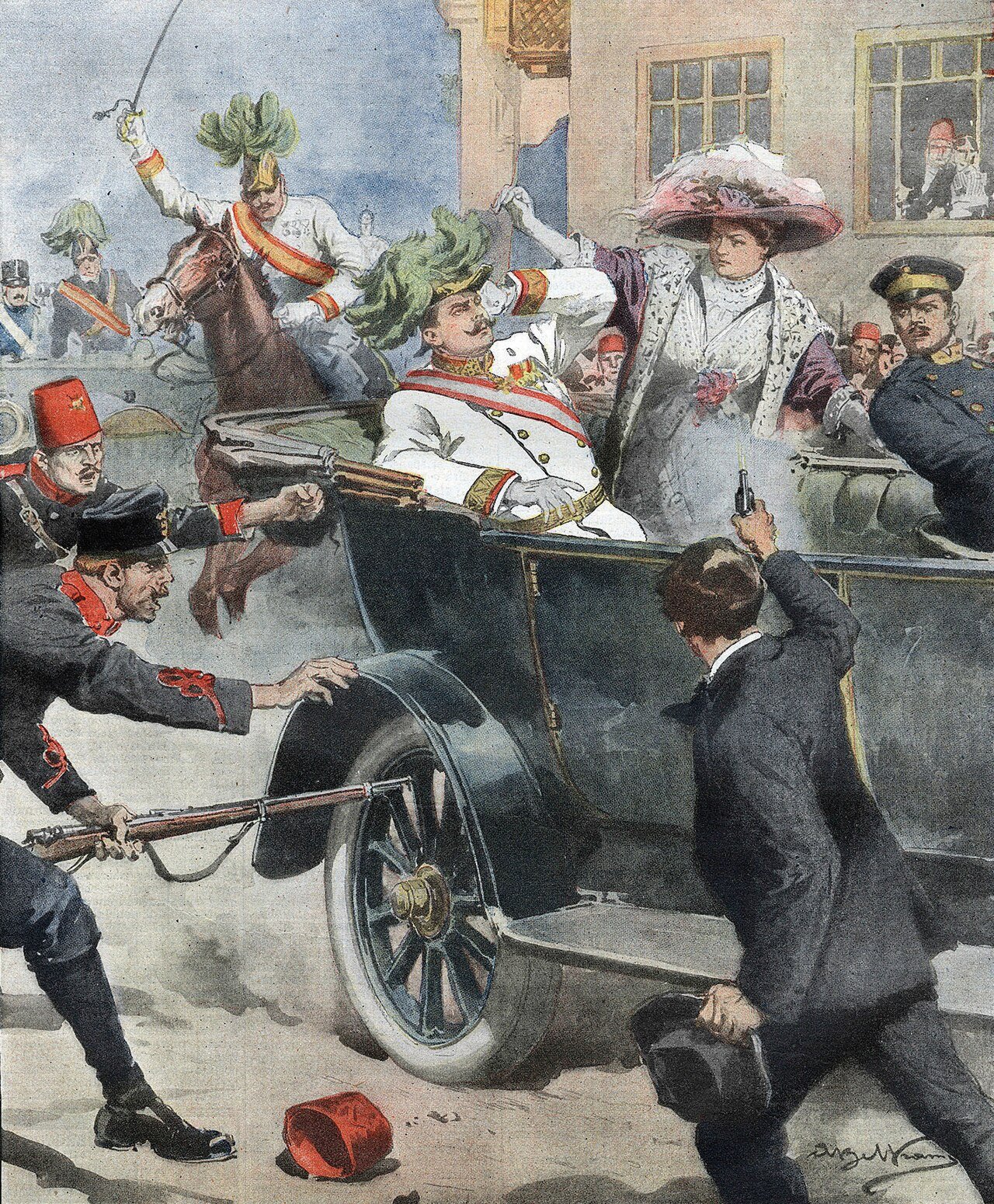
On June 28th, 1914, Archduke Franz Ferdinand visited Sarajevo with his wife Sophie. The first attempt failed — a thrown bomb bounced off his car — and 19-year-old Gavrilo Princip gave up and went to a food shop on Franz Josef Street to get something to eat. After the town hall, the driver, not knowing the town, took a wrong turn onto Franz Josef Street and stopped the car to turn around, right in front of that shop. Princip stepped forward and fired twice. Both archduke and duchess died within moments, and the chain of events that followed pulled all of Europe into a war that would claim over 20 million lives.
6. Jim Twins’ Parallel Lives

In 1979, two 39-year-old men named Jim met for the first time in Ohio. Jim Lewis and Jim Springer were identical twins, separated at four weeks old and adopted by different families. Both had secretly named their sons James, with names differing by one letter; both had dogs named Toy; both were good at math, weak in spelling, and happiest working with wood. As adults each married a woman named Linda, divorced her, and later married a woman named Betty — and both smoked the same brand of cigarettes, drank the same beer, drove Chevrolets, and took vacations to the same beach in Florida. Their case became part of the first major studies of twins raised apart.
7. Ebbin Brothers’ Identical Deaths

In July 1974, 17-year-old Neville Ebbin was riding his moped along a street in Hamilton, Bermuda, when he was hit and killed by a taxi. Almost exactly one year later, in July 1975, his brother Erskine, also 17, was riding the very same moped along the same street when the same taxi, with the same driver and the same passenger, hit and killed him too. Even the passenger in the car was the same man who had been riding in it the first time.
8. The Green, Berry, Hill Murder
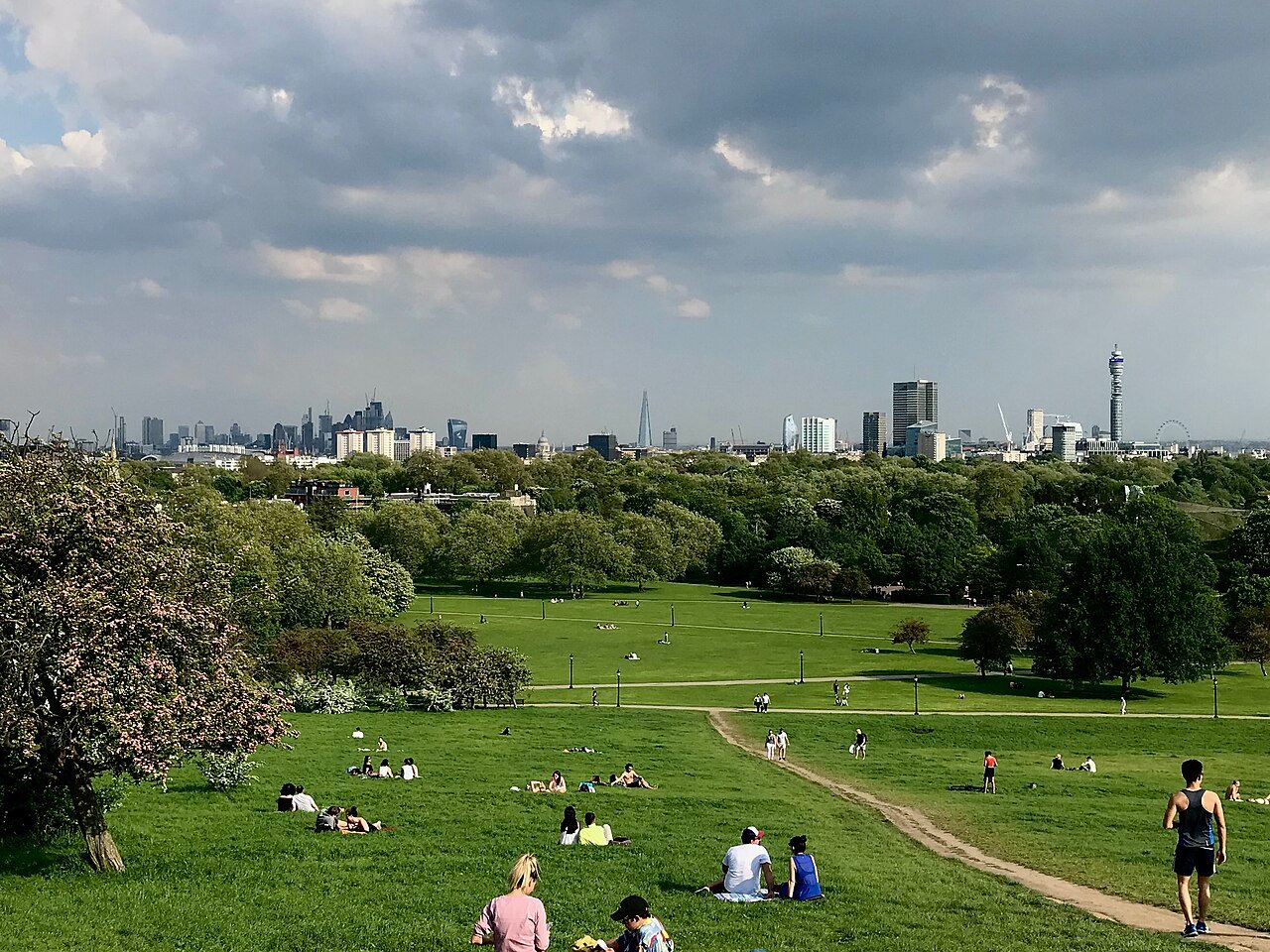
In October 1678, Sir Edmund Berry Godfrey, a well-respected London judge, disappeared one evening; days later his body was found in a ditch on Greenberry Hill, near what is now Primrose Hill, strangled and stabbed with his own sword. He had recently taken the testimony of Titus Oates about a supposed popish plot, and many assumed he was killed to keep quiet. Three men — Robert Green, Henry Barry, and Lawrence Hill — were convicted and put to death. The victim’s middle name was Berry, the body lay on Greenberry Hill, and the three killers were Green, Berry, and Hill.
9. Three Lightning Strikes
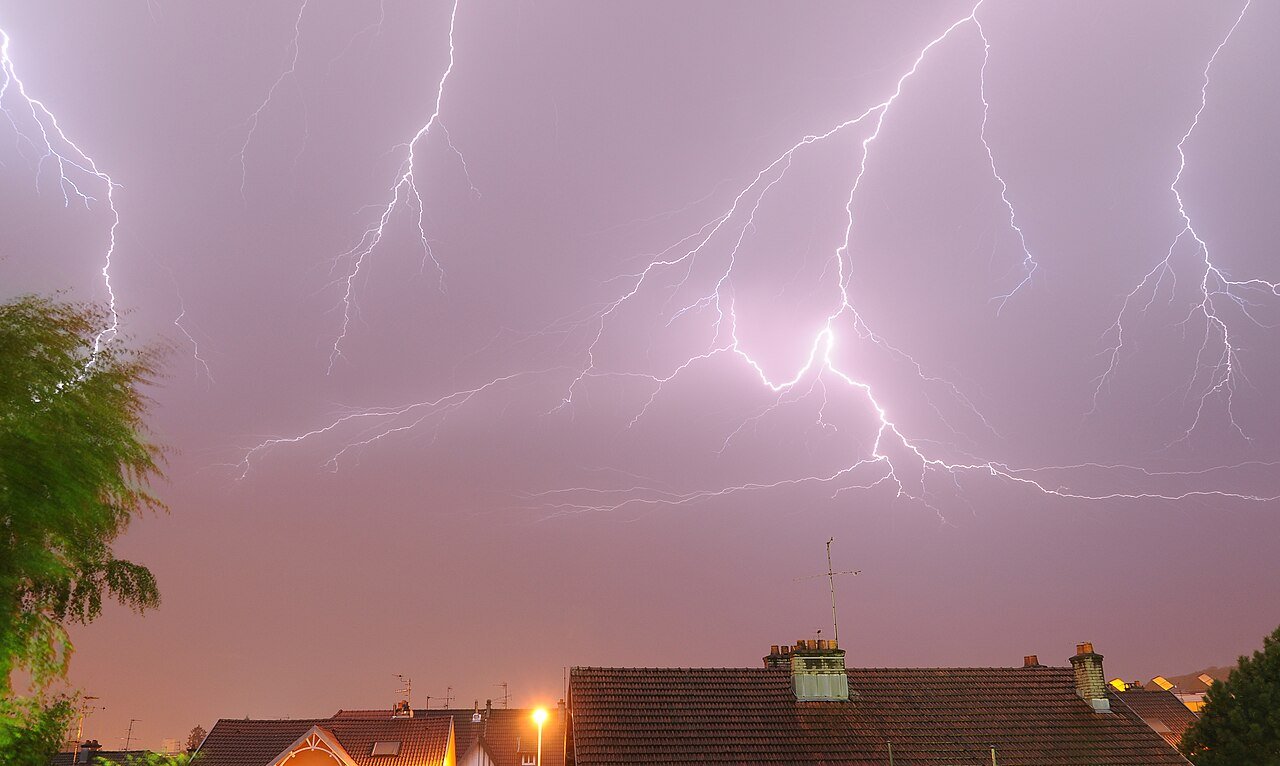
In 1899, a man named Rola Primarda was struck by lightning and killed while standing in his family’s backyard during a storm. About 30 years later, around 1929, his son died the same way in the same spot during a storm. Then on October 8th, 1949, the grandson — named after his grandfather — was standing in that exact place when the third bolt struck. Three generations of one family, killed by lightning in the same place over a span of 50 years, a case reported in newspapers and collected in books of strange coincidences.
10. Mark Twain and Halley’s Comet
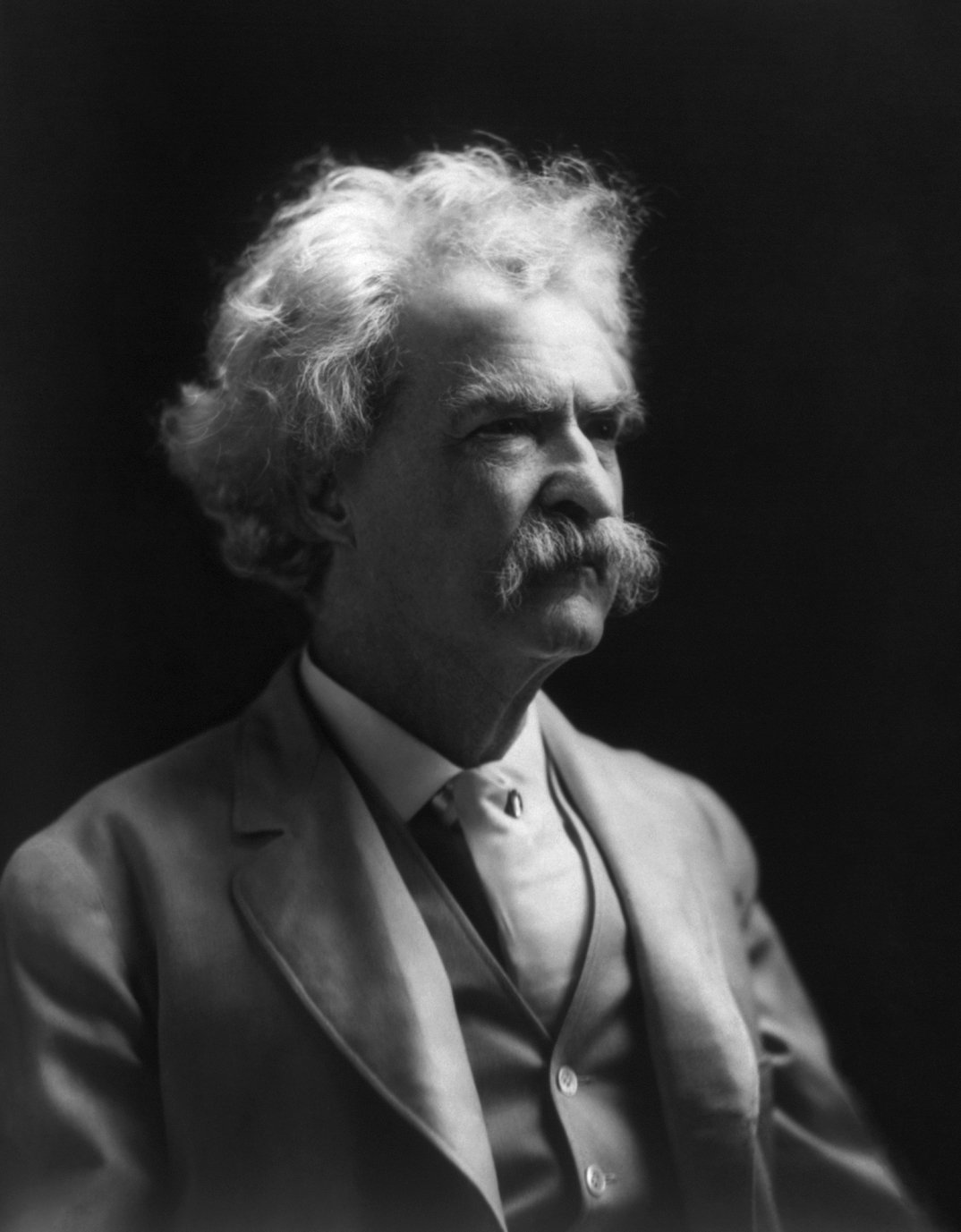
Mark Twain was born on November 30th, 1835, the night Halley’s Comet passed Earth, a body that returns roughly every 76 years. The link stayed with him: in 1909 he predicted, “I came in with the comet in 1835. It is coming again next year, and I expect to go out with it.” He died of a heart attack on April 21st, 1910 — just one day after the comet reached its closest point to the sun and became visible from Earth again. The comet appeared most recently in 1986 and is scheduled to return in 2061.
11. Adams and Jefferson
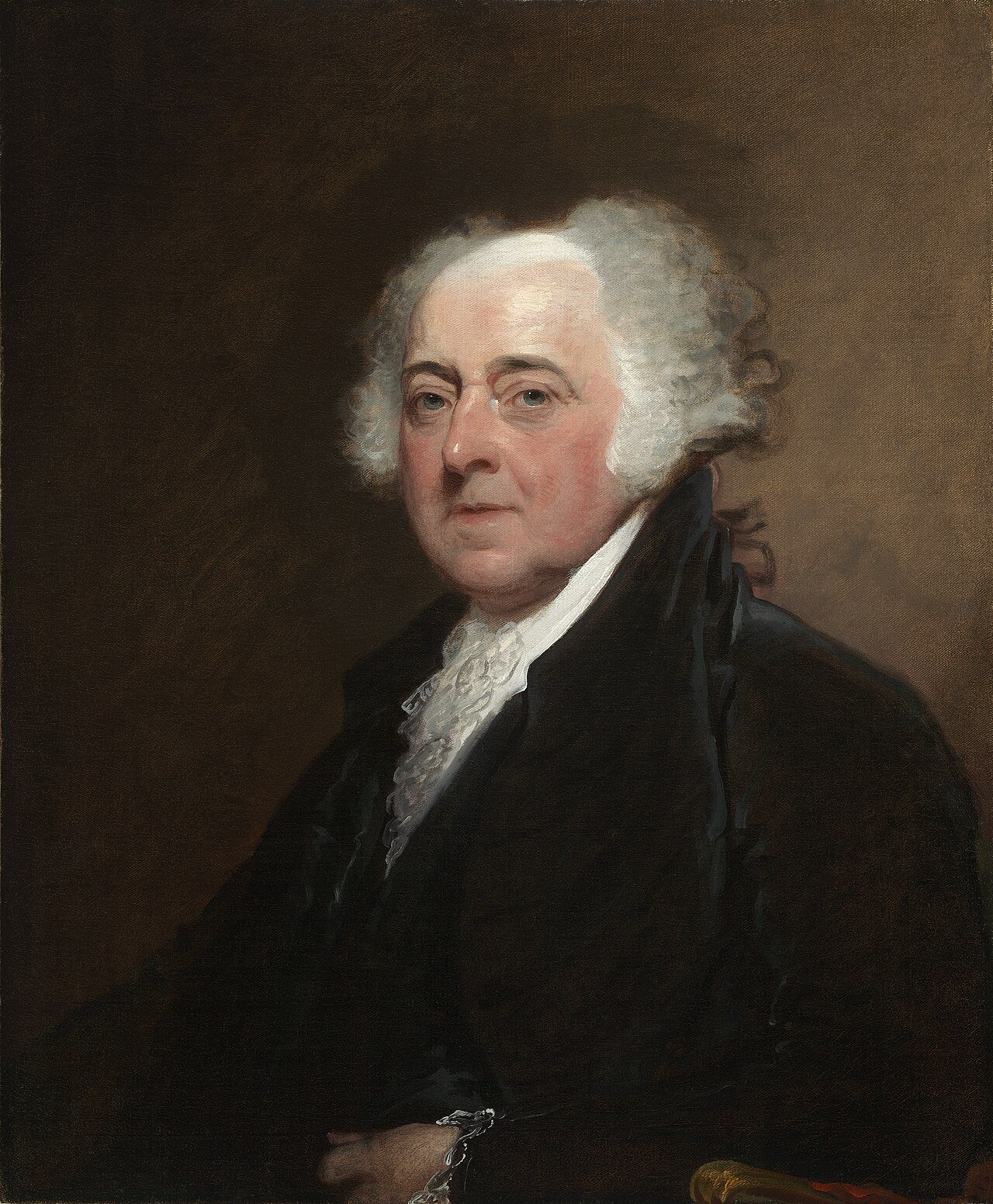
On July 4th, 1826, John Adams and Thomas Jefferson both died — the 50th anniversary of the Declaration of Independence, a document Jefferson had largely written and Adams had fiercely defended. As Adams died at home in Massachusetts, his last words were “Thomas Jefferson survives.” Jefferson had already died hours earlier at his home in Virginia, about 500 miles away. Five years later, on July 4th, 1831, James Monroe also died: three of the first five American presidents all died on Independence Day.
12. The Titanic Prediction
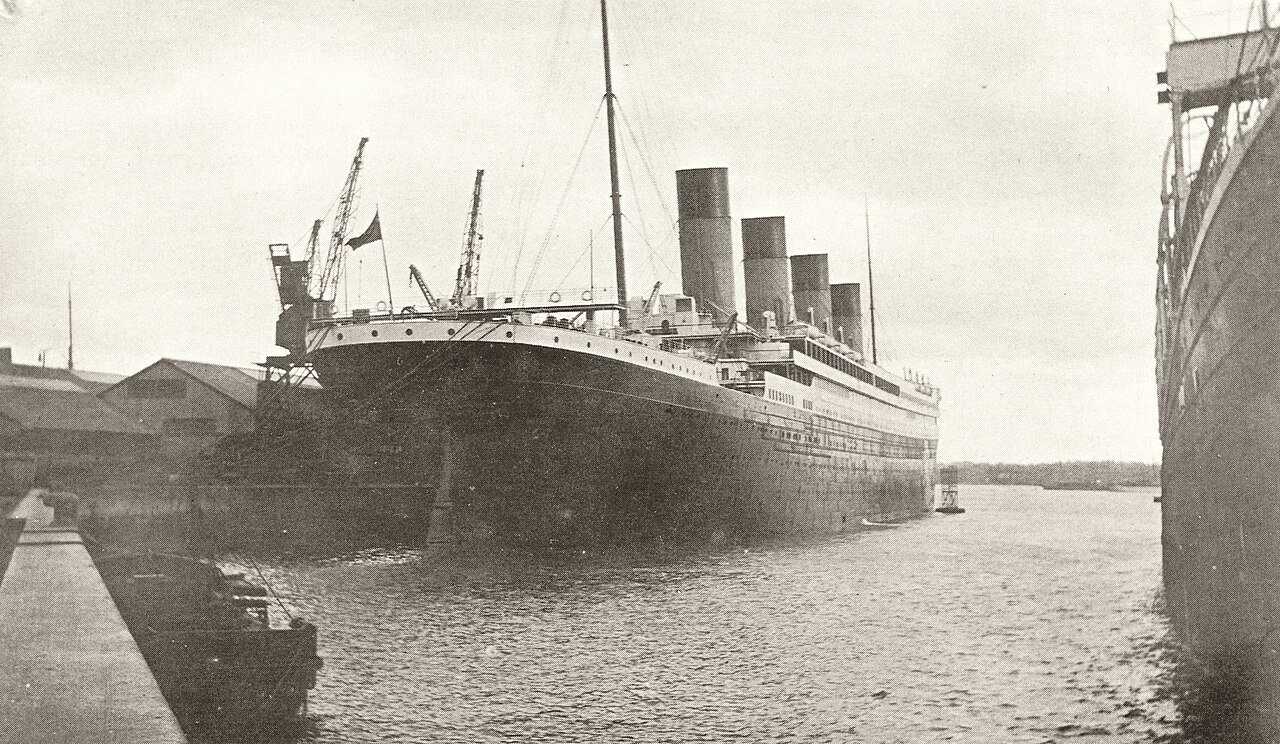
In 1898, 14 years before the disaster, Morgan Robertson wrote Futility, or the Wreck of the Titan, about an unsinkable luxury ship roughly 800 feet long that hits an iceberg on its right side in the North Atlantic in April and sinks with terrible loss of life. The Titan carried three propellers, sailed at 25 knots, and had too few lifeboats for everyone on board, exactly like the Titanic — 882 feet, about 22.5 knots, same sea, same month, same side. Robertson had sailed for a living and knew the shipping trends and safety gaps of his day; after 1912 his little book became famous anyway.
What Comes Next?
The twelve sort into a few piles. There are look-alikes: the king and the restaurant owner, the two Jims, the brothers who died once. There are name echoes: Richard Parker in fiction and in the lifeboat, Green, Berry, and Hill around Judge Godfrey. There are calendar coincidences: Twain arriving and leaving with Halley’s Comet, Adams and Jefferson on the same Fourth of July. And there are accidents of geography — a wrong turn in Sarajevo, a family backyard under three storms.
Skeptics answer that when millions of events unfold, a few of them are bound to line up, and that is probably true. What keeps these twelve alive is the paperwork: names, dates, and records you can go and check yourself, chapter by chapter, from Umberto’s restaurant to Robertson’s Titan.
Image Credits
- Transparent dice by Roland — CC BY 2.0
- King Umberto I of Italy by Unknown authorUnknown author — Public domain
- Edgar Allan Poe, circa 1849, restored, squared off by Unknown authorUnknown author; Restored by Yann Forget and Adam Cuerden — Public domain
- Edwin Booth – portrait by Not stated — Public domain
- A-Bomb Dome by Dan Smith — CC BY-SA 2.5
- DC-1914-27-d-Sarajevo-cropped by Achille Beltrame — Public domain
- Identical Twins Mother and Aunt by Mackhart — CC BY-SA 4.0
- Suzuki CS50 DD (1983) by Scooterdan — CC BY-SA 3.0
- London’s Skyline from Primrose Hill by LatteKnowledge — CC BY-SA 4.0
- 2013-08-07 04-23-26-foudre-belfort by Thomas Bresson — CC BY 3.0
- Mark Twain 1907 by Photographer: A.F. Bradley in his studio. — Public domain
- Gilbert Stuart, John Adams, c. 1800-1815, NGA 42933 by Gilbert Stuart — CC0
- RMS Titanic in Southampton, April 9th of 1912 by Unknown authorUnknown author — Public domain