The Most Guarded Places on Earth You Can’t Visit (Pt. 2)

A uranium vault breached by three pacifists, a mirror no one has ever seen, a shrine rebuilt every twenty years, an island whose entire population is one priest, and a cave sealed off for five million years. Eight more places built so that almost nobody can get in.
The Paint Explainer works through the list in order, from a code-named factory in Tennessee that appeared on no public map to a hole in the Romanian countryside that has not touched the outside world for millions of years — each one, what it holds, and why you will never see it.
1. Y-12

In 1943, thousands of young women from rural Tennessee, most just out of high school, were hired at a brand new factory and handed a chair, a panel of dials, and a single instruction: watch the needles, and if one moves, turn a knob to bring it back. Nobody told them what the machines were for, and talking about the job — even at home — could get them fired.
The factory sat inside a town that appeared on no public map, under the code name Y-12, and for almost two years the women had no idea what they were making. Then in August 1945 an atomic bomb destroyed Hiroshima, and many of them learned the truth from the newspaper like everyone else: the machines had been using powerful magnets to separate a rare form of uranium from the common kind, and the uranium in the Hiroshima bomb had passed through Y-12.
The war ended, but Y-12 never closed. Today it stores so much highly enriched uranium that it has been called the Fort Knox of uranium, and its guards are armed and authorized to use deadly force. Yet on a July night in 2012, three peace activists cut through the perimeter fences, crossed into the most heavily protected zone, and reached the building where the uranium is stored — painting slogans, splashing blood on the walls, and hanging banners before a guard finally arrived. The oldest of the three was an 82-year-old Catholic nun, Sister Megan Rice.
2. The Cave of the Patriarchs
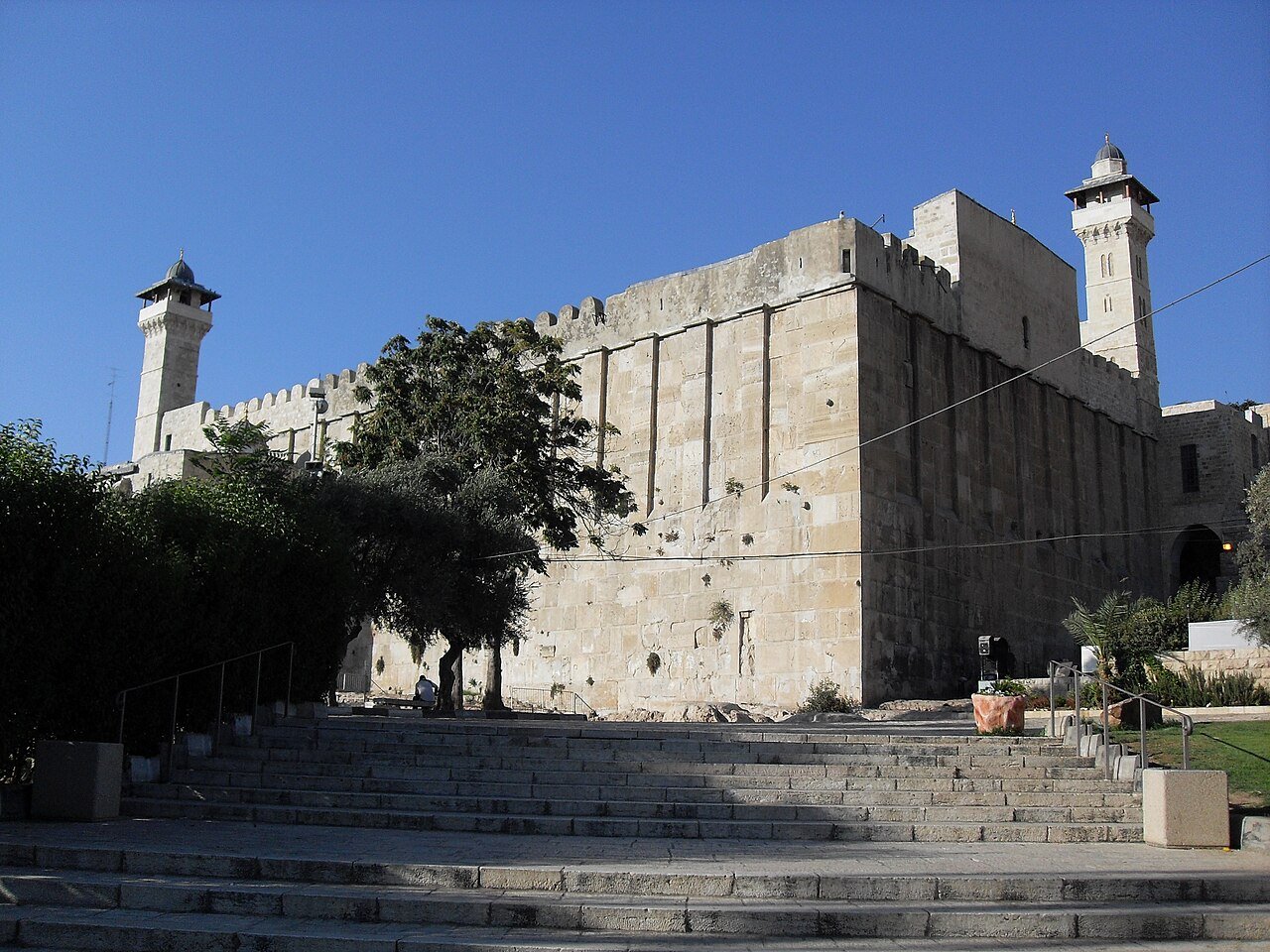
One night in October 1968, a 12-year-old girl was tied to ropes and lowered through a hole in the floor of one of the holiest buildings in the world. The hole was less than 11 inches wide, far too narrow for any adult, and she carried a flashlight, a camera, and matches to test whether there was enough air to breathe — she was going to see something almost nobody had seen in close to a thousand years.
The building stands in the West Bank behind massive stone walls about 2,000 years old, but what makes it sacred is what is underneath: a set of caves that Jews, Christians, and Muslims believe hold the graves of their shared ancestors. According to the Bible, Abraham bought the cave to bury his wife Sarah, and was buried there himself along with his son Isaac, his grandson Jacob, and their wives. Jews consider it the second holiest site in their faith, and a mosque stands inside the ancient walls as well.
Getting close to those graves had been nearly impossible for centuries. For around 700 years, Jews and other non-Muslims were not allowed inside the building at all and could climb no higher than the seventh step of a staircase outside to pray. In 1967 Israel took control of the area during the Six-Day War and Jews could enter again — but the caves below stayed sealed, and the only way down was that narrow opening in the floor.
At the bottom, the girl found a round chamber with three stone slabs, one carved with verses from the Quran, and a set of steps blocked by a large stone. She drew maps and took photographs before she was hauled back up, never reaching the burial caves themselves. Thirteen years later, a group of Jews went down without permission — some praying loudly nearby to distract the guards while others lifted a floor stone and slipped underground. Following the girl’s maps, they found the hidden stone covering the entrance to deeper caves. They claim to have seen the bones of their ancestors, but there is no proof; all they brought back were pottery shards that archaeologists later confirmed dated to the first temple period. Today the site is divided into a mosque and a synagogue under heavy security, and the caves beneath are sealed to everyone.
3. The VECTOR Institute
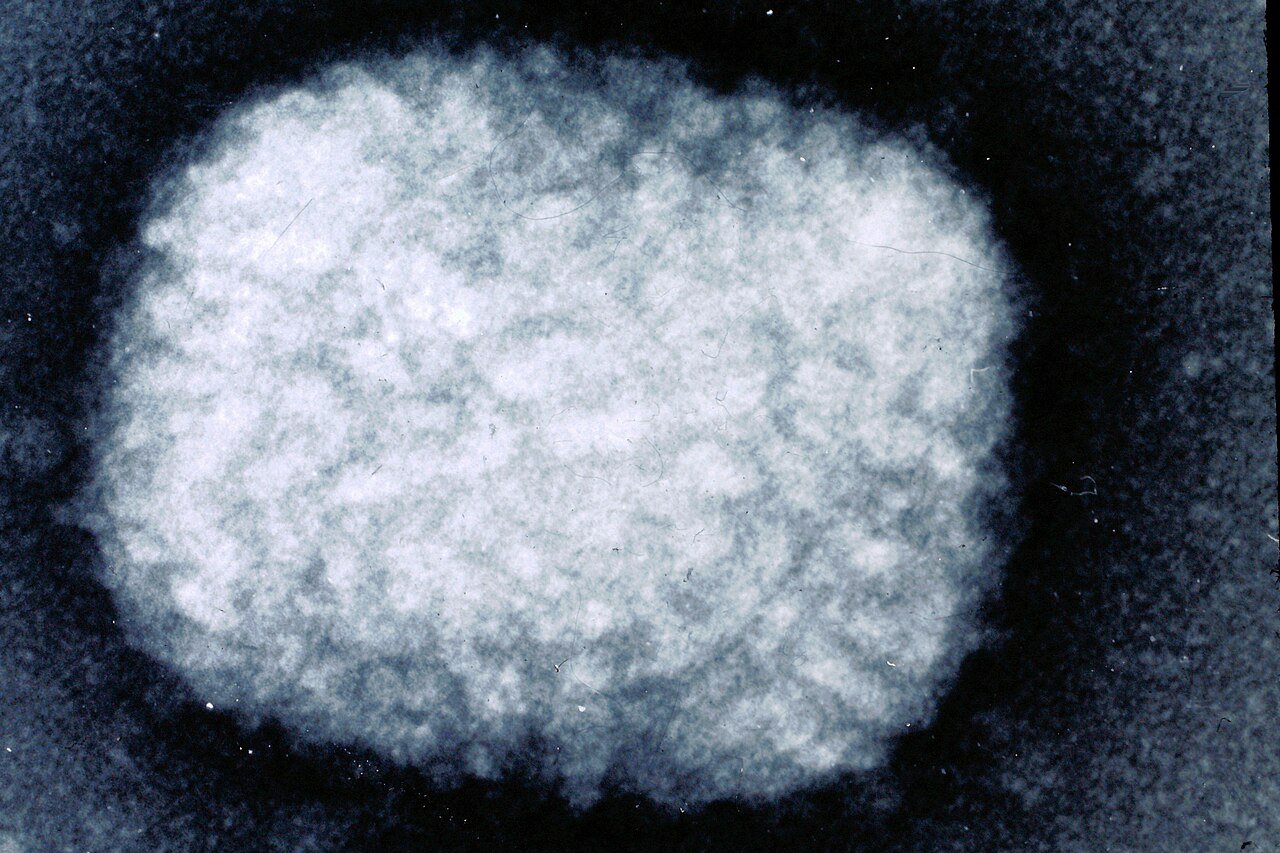
In the summer of 1978, a photographer named Janet Parker, working at a university in Birmingham, started developing flu-like symptoms, then a rash — and within weeks she was dead from smallpox, the same disease that had killed an estimated 300 million people in the 20th century. That should have been impossible: smallpox had almost vanished from the planet. Investigators traced her infection to a research lab at the university where she worked, and she is believed to be the last person ever to die of the disease.
After her death, countries agreed that the remaining smallpox samples should be destroyed or handed over to just two high-security labs. Since 1984, those two have been the only places on Earth officially allowed to keep live smallpox: one in Atlanta, the other in a small town in Siberia at a research center called Vector.
Officially, Vector studies viruses and develops vaccines. But in the early 1990s a senior Soviet scientist named Ken Alibek defected to the United States and revealed that Vector had been part of a secret program to turn diseases into weapons, in violation of the treaty the Soviet Union had signed. One of his accounts stands out: in 1988, a Vector researcher working with a close relative of Ebola accidentally injected himself and died — and according to Alibek, the virus recovered from his body turned out to be even more dangerous than the original. Instead of being destroyed, it was kept and named after him.
Today Vector’s labs are rated biosafety level 4, the highest there is, reserved for deadly germs with no reliable cure, with scientists working inside sealed suits and their own air supply. In 2019, a gas cylinder exploded on the fifth floor of one of Vector’s buildings, blowing out windows and starting a fire — and the news spread worldwide along with one question: was the smallpox still safely contained? The center said no dangerous material had been in the room. Still, a World Health Organization team now visits both smallpox labs roughly every two years for inspections, and outside of those visits the public doesn’t get anywhere near it.
4. Ise Grand Shrine
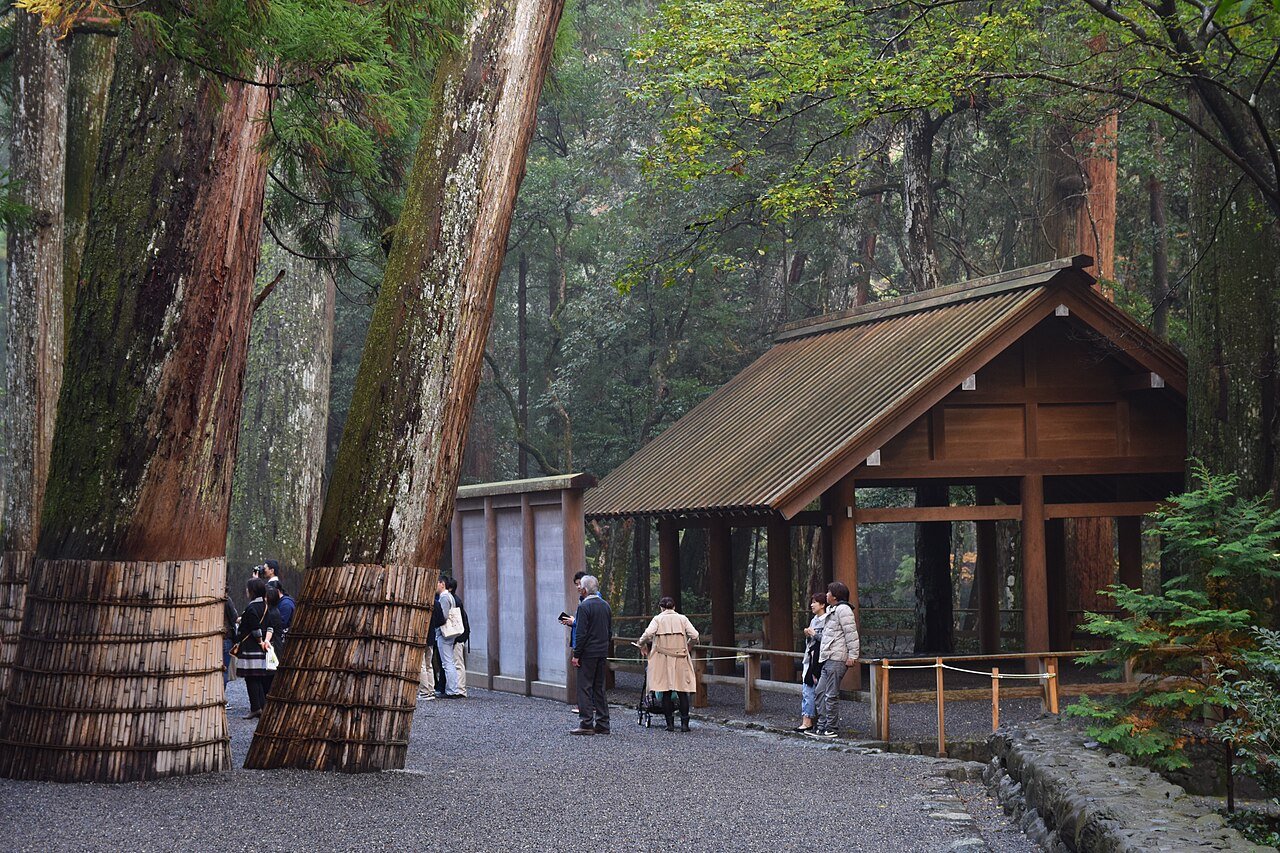
Inside the most sacred building in Japan, there is a mirror no one has ever seen — not even the emperor. Every 20 years, the building around it is torn down and rebuilt from scratch, and the mirror is moved to the new one in complete darkness. This has been happening for 1,300 years.
Ise Grand Shrine is the heart of Shinto, Japan’s native religion, and millions of people visit it every year. They walk through an ancient forest until they come to a tall wooden fence, because only a handful of priests and members of the imperial family can go beyond it. The shrine was built for Amaterasu, the sun goddess and the ancestor of every emperor, and inside the main hall it is said sits a sacred mirror, the Yata no Kagami — never shown to the public, never officially photographed, kept wrapped and sealed inside a series of containers.
When the mirror needs to move to the new shrine, it is transferred at night with every light put out, shielded behind long screens of white cloth so no one can see it. Then the old shrine is destroyed — everything except one small wooden hut in the middle. Beneath that hut stands a single wooden post called the heart pillar, which stays exactly where it is while everything around it is dismantled. The priests don’t say what it looks like or what it actually means. All of it comes from a Shinto belief that what is fresh and new is closer to the divine, so the building is never allowed to age: one of the oldest buildings in the world, and at the same time never more than 20 years old.
5. Surtsey
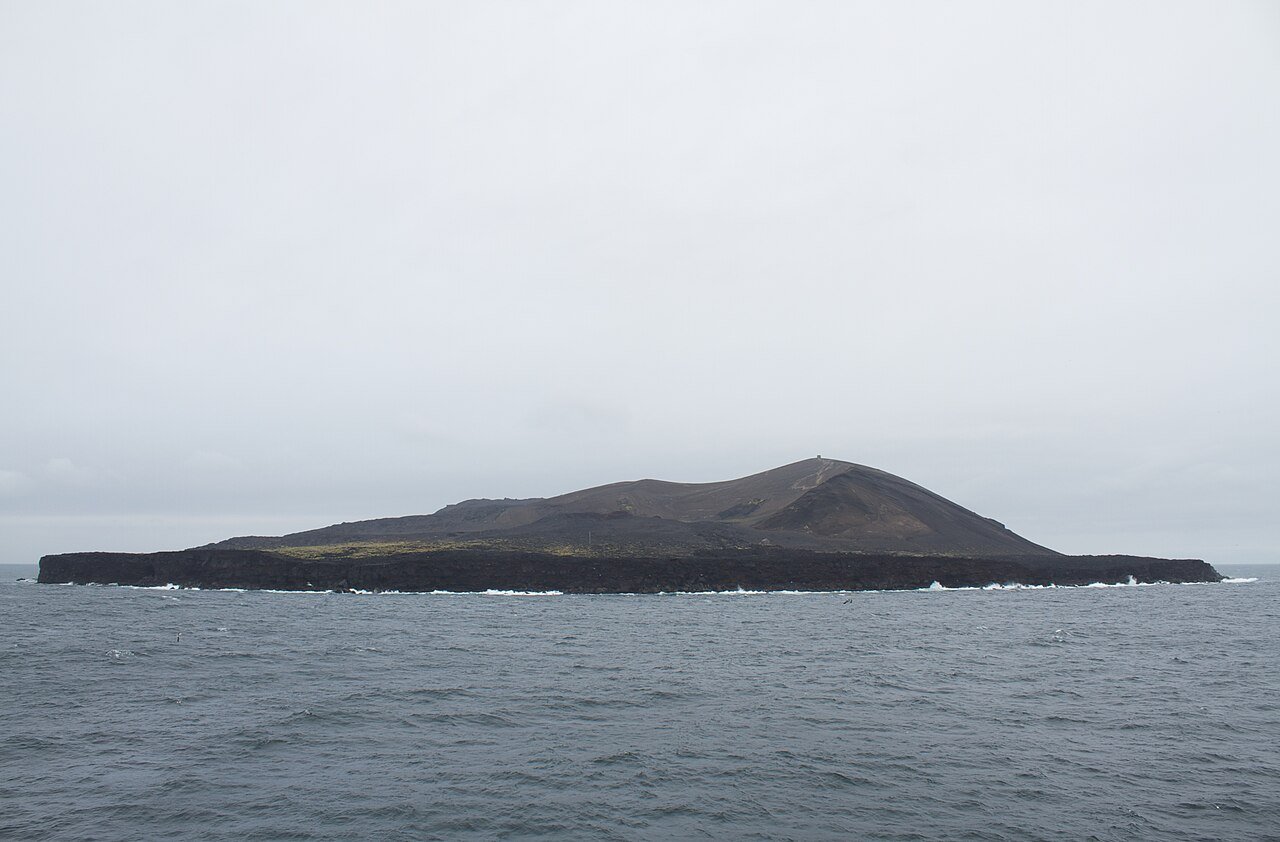
On a November morning in 1963, a fishing boat off Iceland’s south coast saw dark smoke rising from the sea ahead. The crew assumed another boat was on fire and turned to help — but when they got close, there was no boat at all. The smoke was coming out of the ocean itself: a volcano erupting on the seafloor beneath them. Within days, rock and ash had piled high enough to break the surface, creating a whole new island. It kept erupting for more than three years, and by the time it stopped in 1967 it covered an area bigger than 300 football fields.
Before it had even finished forming, scientists made an unusual decision. In 1965, they had the island declared a protected area and banned ordinary people from setting foot on it — ever since, only a small number of scientists with special permits and incredibly strict rules are allowed ashore. The reason was simple: they had been handed something almost impossible to find anywhere else. Land with no soil, no seeds, no insects, and nothing alive at all — if people stayed away, they could watch step by step how life arrives on its own.
It arrived almost immediately. Seeds washed up on the beaches, others came in bird droppings, insects blew in on the wind, and over the decades dozens of plant species settled in as the rock slowly broke down into soil. The hardest part is keeping the experiment clean: scientists have to check their clothes and boots for stray seeds, and even going to the bathroom is controlled because human waste can carry seeds. Researchers once found a tomato plant growing from a seed left behind by one of their own colleagues — and immediately pulled it out. Today, apart from a single research hut, the island is almost untouched by humans. Wind and waves have already stripped away about half of it, so most of us will likely never step foot on Surtsey before it vanishes.
6. The Varosha District

In the summer of 1974, one of the most glamorous holiday resorts in the world was emptied in a matter of days and sealed off behind military fences. A car showroom still has 1974 models on the floor, brand new and never sold, and dishes are still on the tables in the restaurants. This is Varosha, a district in Cyprus.
Cyprus was deeply divided between two communities, Greek Cypriots and Turkish Cypriots. Then in July 1974, a coup backed by Greece’s military government tried to unite Cyprus with Greece, and within days Turkey sent in troops — Turkey calls it a peace operation, while Greek Cypriots and much of the international community call it an invasion. In August, as the fighting reached Varosha, tens of thousands of residents fled with whatever they could carry. They expected to be home within a few days. They never came back.
The Turkish military fenced off the entire town and closed it to everyone, and for decades former residents could only stand at the wire and look at their own homes from a distance. In 1984, the UN Security Council declared that Varosha should be resettled only by its original inhabitants — but that never happened. Instead, in October 2020, Turkish Cypriot authorities began opening select streets and beaches strictly to tourists, and by 2021 they had opened roughly 3.5% of the town.
7. Okinoshima Island

About 60 kilometers off the coast of southern Japan, there is a small island wrapped in dark forest. It has no town, no shops, and no roads — and its population is exactly one. That one person is a Shinto priest, and priests take turns living there alone for about 10 days at a time, praying each day at a small shrine hidden among the trees. This rotation has continued unbroken for about 400 years.
The island is Okinoshima, and in Shinto the entire island is considered the domain of a goddess. The rules for setting foot on it are among the strictest anywhere in the world. For a long time there was just one visit a year: on a single day, around 200 men were allowed to land for a festival lasting about two hours. Before stepping ashore, each of them had to strip naked and wash in the sea, a purification ritual called misogi. When they left, they could take nothing with them, not even a single blade of grass, and once home they weren’t allowed to talk about anything they had seen or heard. Every one of those visitors was a man, because women have never been allowed on Okinoshima at all.
What they had been protecting only became clear when archaeologists were finally allowed to study the island. Hidden among the rocks and in small caves were around 80,000 ancient objects, including bronze mirrors, swords, jewelry, and even a gold ring — many left as offerings more than a thousand years ago by sailors praying for safe passage on the dangerous route between Japan, Korea, and China. Some had come from astonishingly far away, like fragments of a glass bowl thought to have been made in ancient Persia. Because almost no one had been allowed ashore, everything had stayed exactly where it was left.
In 2017, Okinoshima became a UNESCO World Heritage site. Worried about the extra attention, the shrine banned the annual festival altogether. Today, nobody sets foot on the island except the priests and a few researchers — somewhere out there right now, a priest is praying alone on an island almost nobody will ever see.
8. Movile Cave

In 1986, workers in southeastern Romania were drilling test holes to check whether the ground could support a new power plant when one of them broke through into an empty space below. The scientists who went down found a cave, but its air was really strange: it stank of rotten eggs, held about half the oxygen we normally breathe, and was thick with gases that are poisonous to humans in large amounts. There was no light at all, not even a crack of daylight — and later tests suggested the cave had been sealed off from the surface for millions of years, around five and a half million by some estimates.
A place like that should have no life. However, it does — and almost all of it is alien to us. In the darkness live pale animals, many with no eyes, and most belong to species no human had ever seen. Scientists have now identified dozens of kinds of animals down there, and more than 30 of them exist nowhere else on Earth.
Almost all life on the surface runs on sunlight, so what do they eat? Parts of the cave hold warm shallow pools, and across their surface lies a thin mat of bacteria, pale and slimy, a bit like wet paper. These bacteria don’t need light — they draw their energy from chemicals dissolved in the water, the same compounds that make the air smell so foul. Tiny creatures graze on the mat, larger ones eat them, and an entire food web grows from there. It was the first ecosystem ever found on land that works this way.
Fewer people have been inside Movile Cave than have been to space. The entrance is sealed and only a small number of approved scientists are allowed through, because a single visit could bring in new microbes or alter the air in a system that has stayed balanced for millions of years. The cave isn’t interesting just to biologists, either: it shows how life can exist without any sunlight at all, which makes a sealed hole in the Romanian countryside one of our best clues about where to look for life beyond Earth.
What Comes Next?
Every place on this list is guarded for the same underlying reason: whatever is inside loses its value the moment the outside gets in. Y-12 guards uranium, Ise guards a mirror nobody may look at, Movile guards air that has stayed balanced for millions of years, and Surtsey is closed precisely so life can take it over at its own pace.
But a boundary outlives its reason more often than not. A resort evacuated for a few days stayed fenced for decades, a festival suspended to protect a shrine was never restored, and an island banned to ordinary visitors is now a World Heritage site that still admits almost no one. When keeping people out becomes the tradition, opening the gate stops being an option anyone considers.
Image Credits
- Wire and electricity. A brutal combination by Audire Silentium — CC BY 2.0
- ” The Calutron Girls” Y-12 Oak Ridge 1944 Large Format (32093954911) (2) by doe-oakridge — Public domain
- Hebron Cave of the Patriarchs by Utilisateur:Djampa – User:Djampa — CC BY-SA 4.0
- Electron micrograph of smallpox virus by Dr Graham Beards — CC BY-SA 4.0
- Ise Grand Shrine, Mie Prefecture; November 2016 (02) by 雷太 — CC BY 2.0
- Surtsey by Brian Gratwicke by Brian Gratwicke — CC BY 2.0
- Abandoned building in Varosha 3 – Magusa Photowalk by ToprakM — CC BY-SA 4.0
- Okinoshima viewing 01 by Indiana jo — CC BY-SA 4.0
- Hidden River Cave (Horse Cave, Kentucky, USA) 4 by James St. John — CC BY 2.0